The Disaster Area: From ‘Airport’ to ‘Airplane!’ – Part One
“It is during the 70s that the disaster film’s most pure and admirable entries were made, bookended by two significantly different stories involving air travel fiascos.”


“It is during the 70s that the disaster film’s most pure and admirable entries were made, bookended by two significantly different stories involving air travel fiascos.”
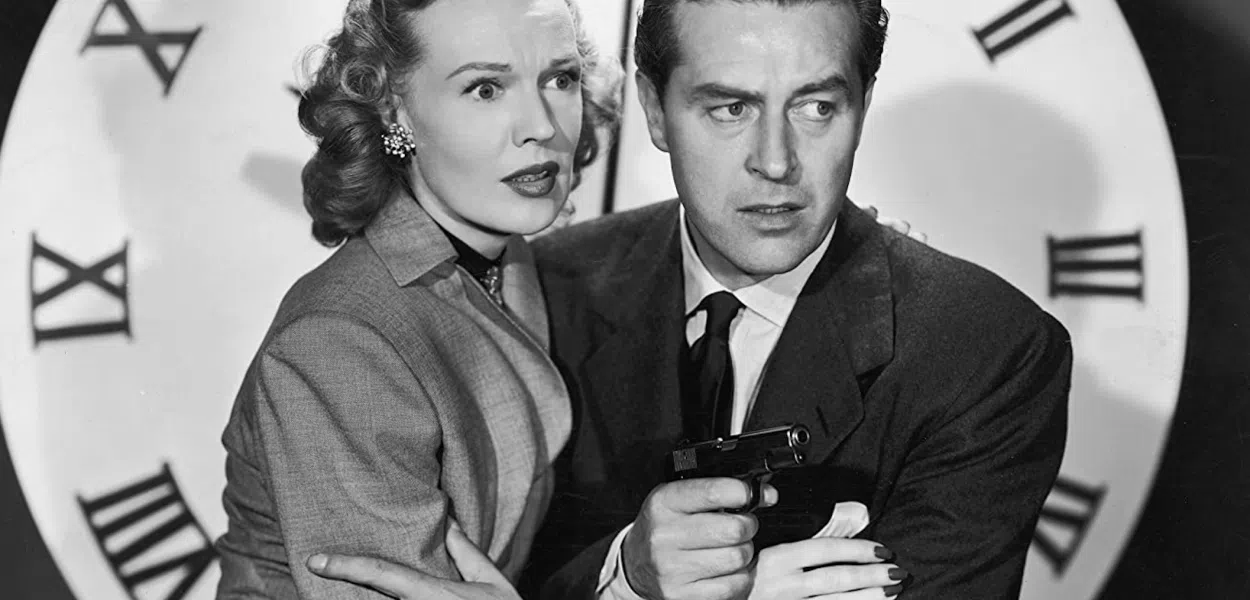
“Channeled through science and machines, good ol’ American ‘know-how’ had helped win the war, save democracy and crush tyranny. It’s understandable that a similar story would percolate through to the small-scale conflicts of cops and criminals.”
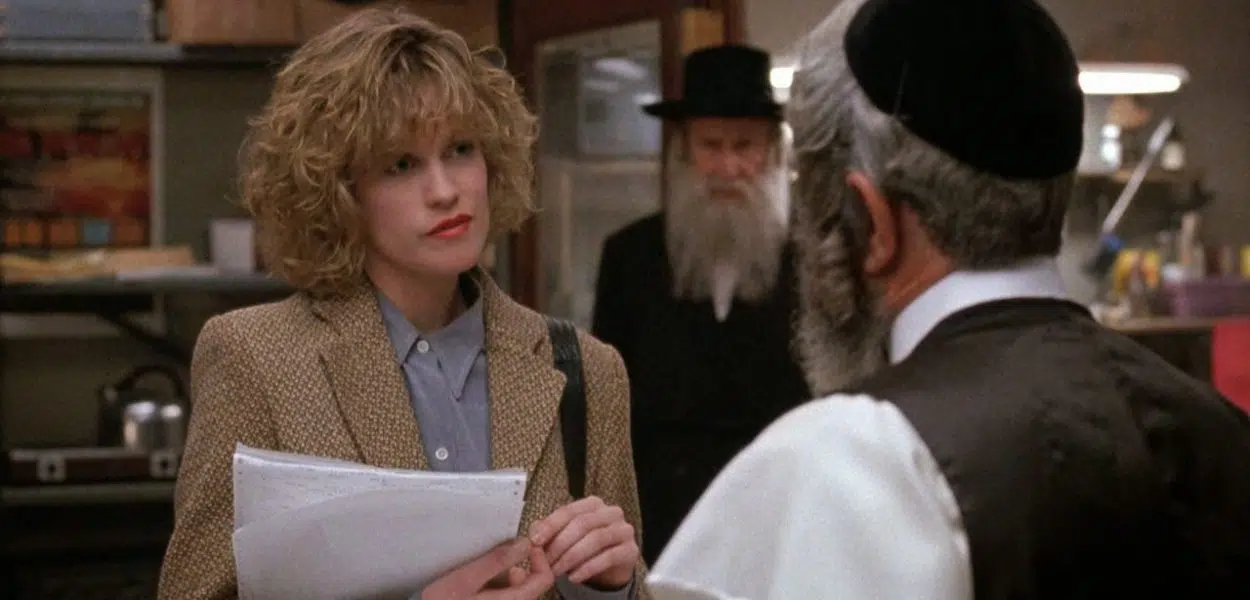
“As a chronicler of the justice system in a dozen or more films, Lumet is intimately concerned with the ways in which it represses individual thought and fails to live up to its supposedly defining principles.”
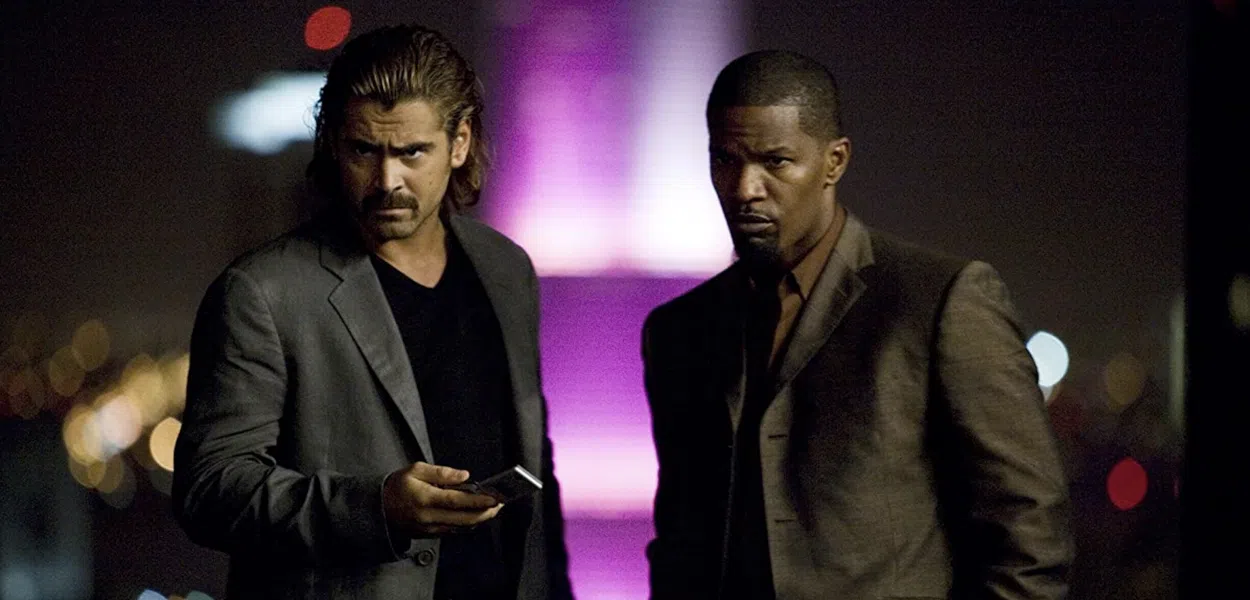
“In the cinema of Michael Mann, romance comes fast or not at all, often smothered by the anonymous network of mankind itself or maybe just your job.”

“In Australia, our cinematic art has been trying to shake us from apathy for 50 years.”
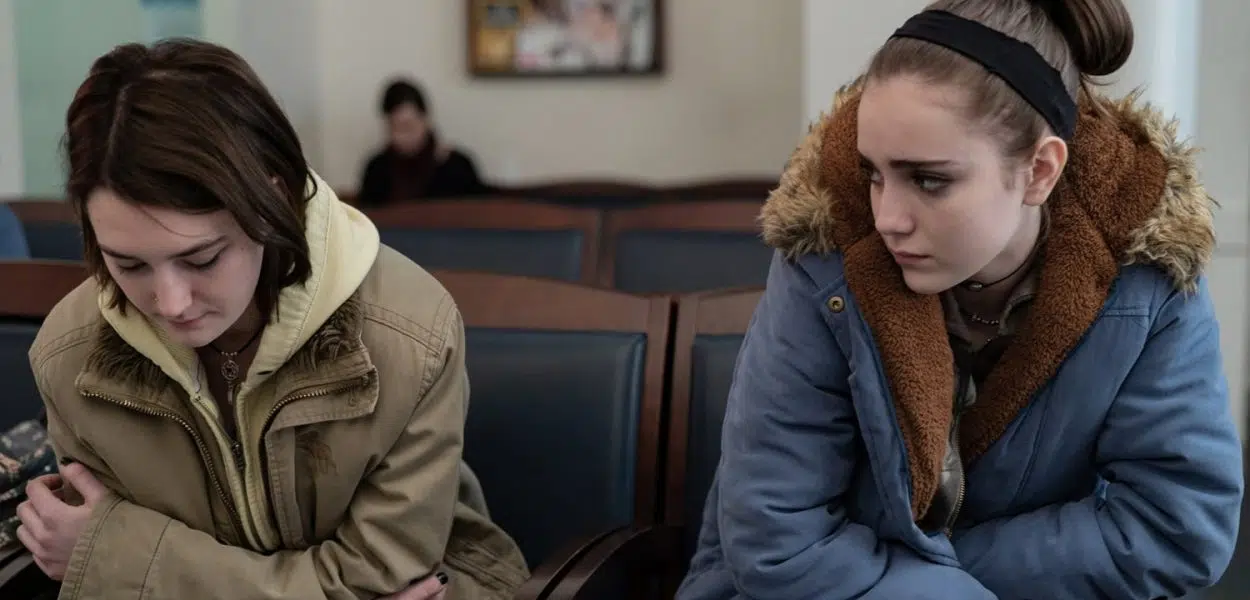
“Hittman’s third feature continues to demonstrate the talents, sensibilities and cinematic evolution of a first-rate writer-director…”
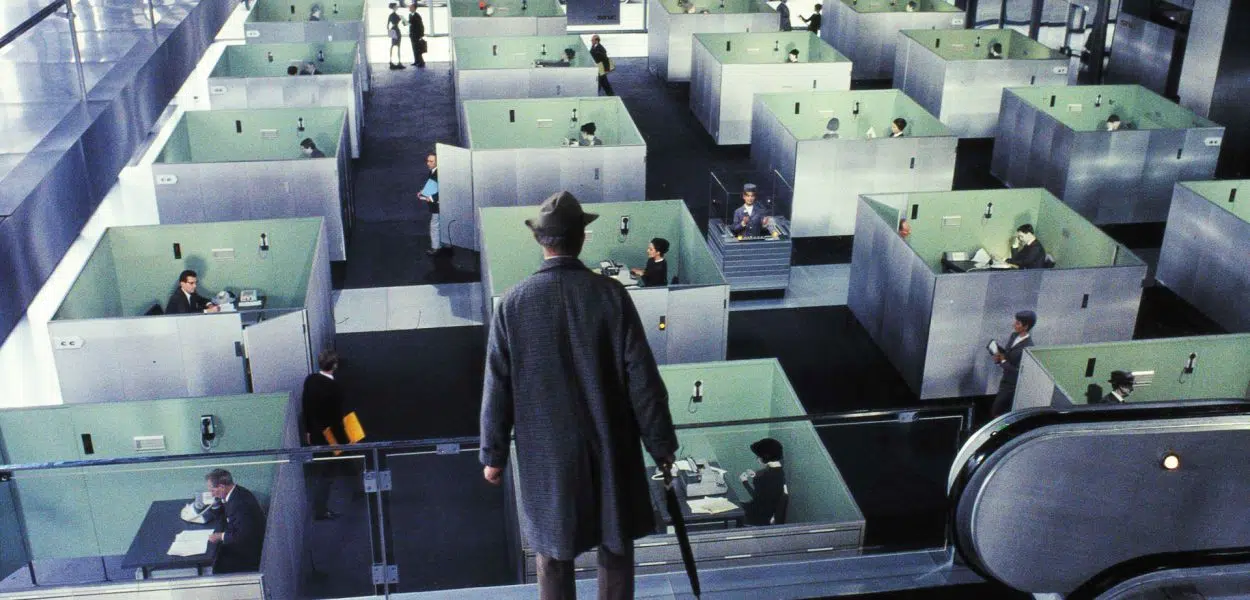
“It’s not difficult to see how PlayTime’s jubilant finale — with its invocation to fashion the city to its occupants’ sense of fun, desires and needs — is perhaps Tati’s most profound statement of his participatory cinema.”

“‘The Magic Christian’ cries out to be re-visited. For all the cultural specificity of the novel and film, Grand remains a strikingly modern figure.”

“‘Dry Summer’ and ‘Law of the Border’ remain available as fascinating, engaging documents of a national cinema often forgotten.”
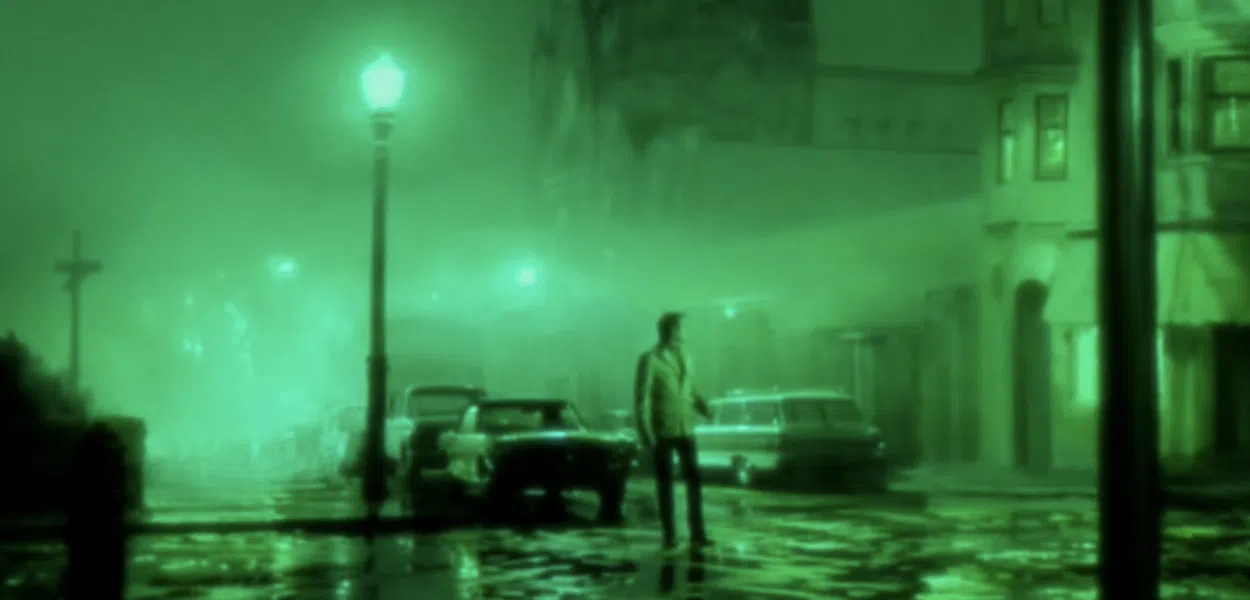
“‘The Green Fog’ is another shining example of how easy it can be to disappear in the silver screen labyrinth. These mirrors and rhymes of familiar sights, looks, places, actions and themes form the basis of how we experience narrative filmmaking.”

“In order to fully engage with horror films, it’s important to look at the monster and the world that’s being upended by that monster.”
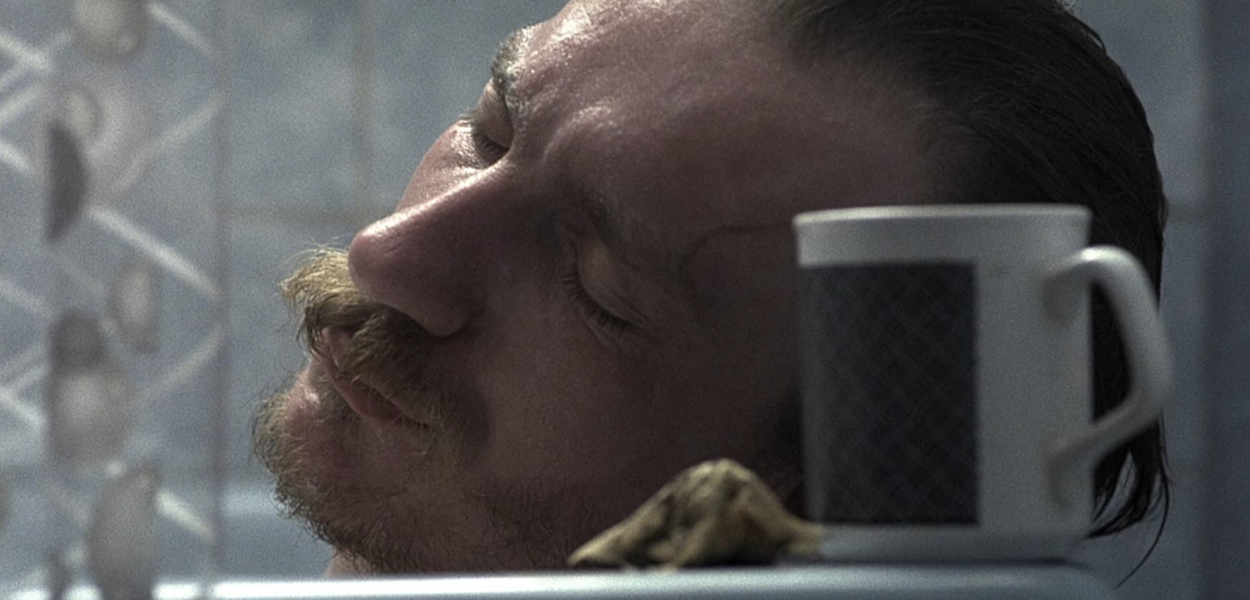
“‘Naked’ is just as emotionally raw now as it was when it was made, just as acrid and acerbic, and only seems to gain pertinence with age, as the toxic traits of masculinity into which it offers insight become more and more clearly identifiable in society.”
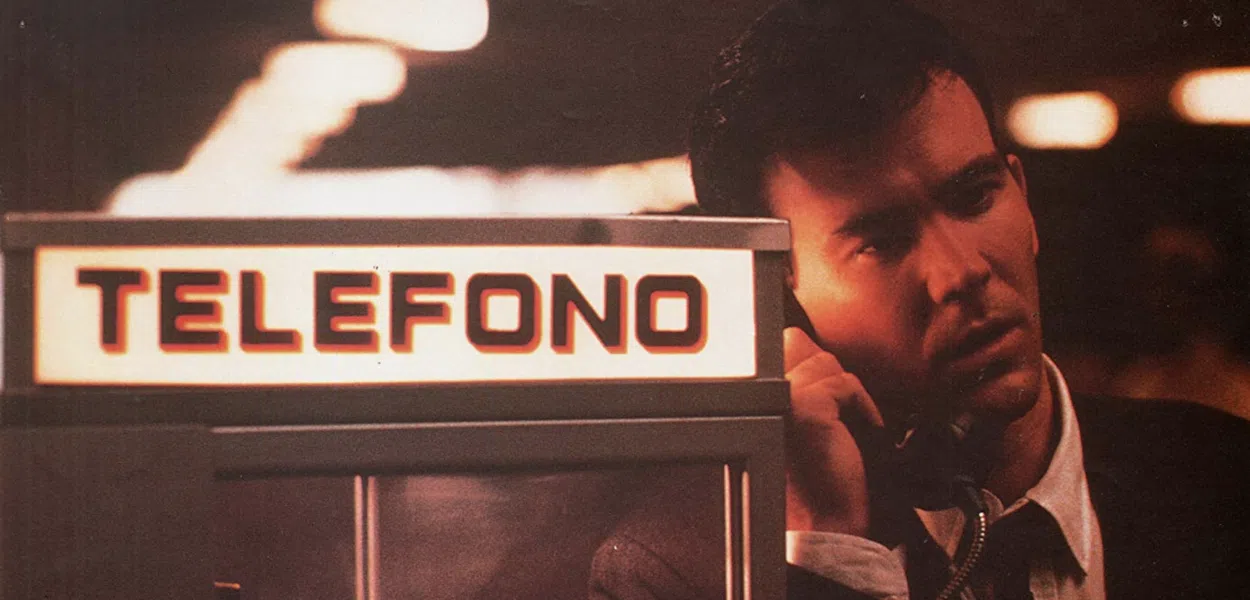
“The thrill of a film like ‘Q & A’ comes in watching how Lumet finds new ways to level his criticisms, harnessing the cynicism that has propelled his work and suffusing each frame with deep, corrupting rot.”
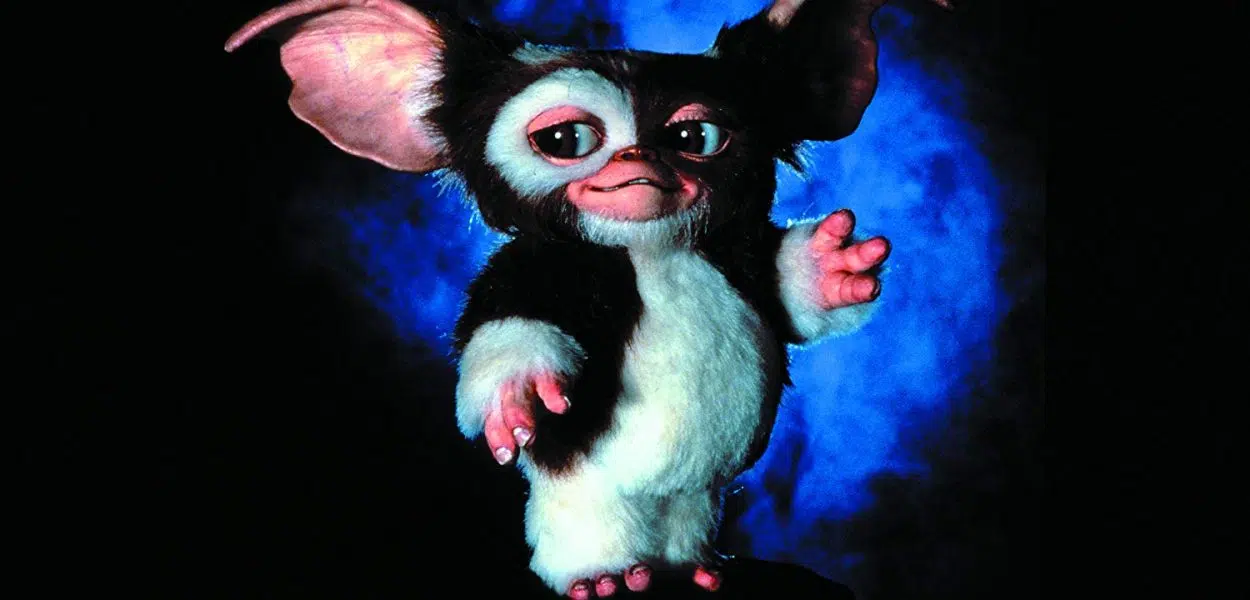
“Not quite comedies, not entirely horror movies and not normal family films, Dante’s work continues to impress with the layers each work reveals over time, a key factor in their lasting power.”

“We are all mediocre writers when we start, and we must engage with others’ mediocrity throughout our careers. But we must engage with it level-headedly, picking out the good from the bad and making those distinctions to the best of our ability.”
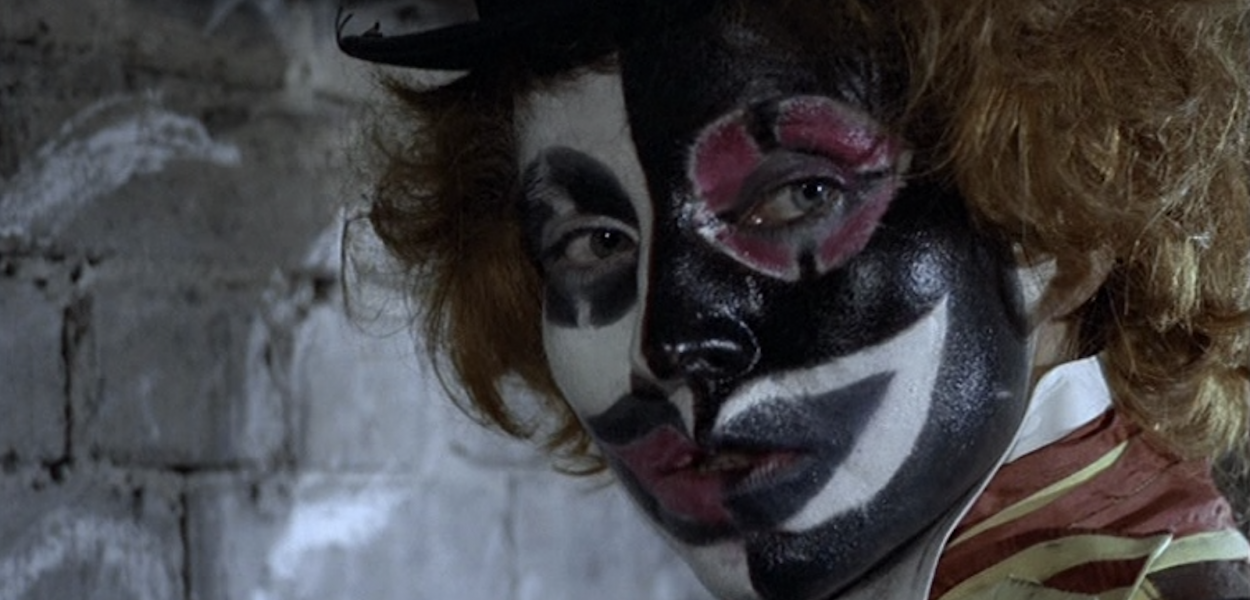
“In Fassbinder’s conception of West Germany following its chaotic autumn, terror takes on the tenor of performance art; like addicts lusting after a fix, the groupuscule seeks ennobling sensation; they must be satiated by “Something symbolic…”
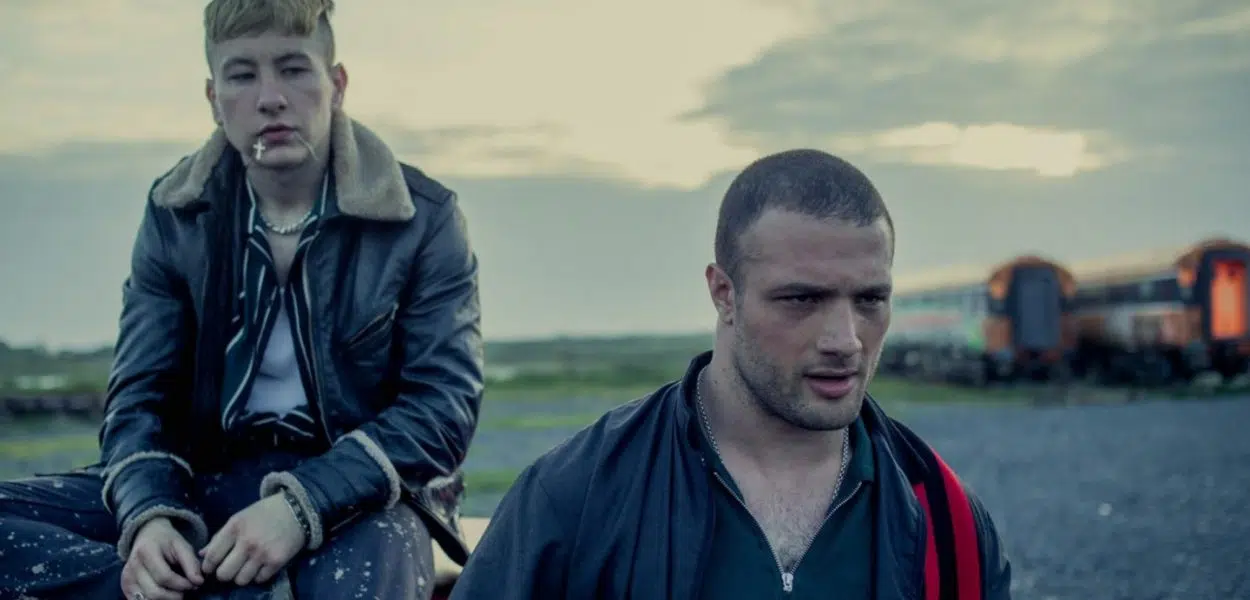
“Rowland’s direction throughout is clean and deliberate, rarely showy. He evokes the kind of barren small town where there is almost nothing to fight over, although some still find a way. There’s a bleakness to all of it, a greyness.”

Marshall Shaffer on Rendez-Vous with French Cinema 2020: ‘On a Magical Night, ‘Perfect Nanny, ‘Deerskin,’ ‘Someone, Somewhere’ and ‘The Dazzled’

“The problem with ‘Dark Whispers: Volume 1’ is the same as with any horror anthology — the stories are only as good as what’s come before.”

Swedish Film Critic Jakob Åsell on the Sounds of Berlinale 2020