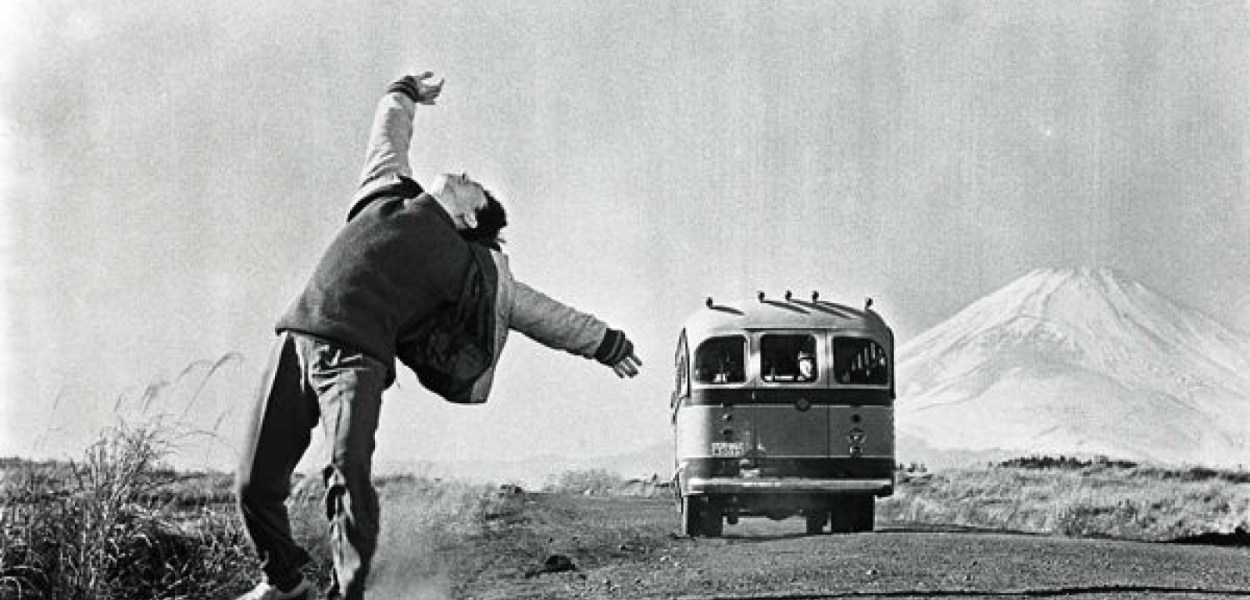
“Occupying a middle space between the classicism of Japan’s most well-known filmmakers and the politically charged avant-garde of the New Wave, Suzuki uses the trappings of noir to explore the ramifications of isolation.”
“‘A Colt Is My Passport’ represents a supreme tension between American and Japanese Noir, and asks questions about the past and future of international cinema.”
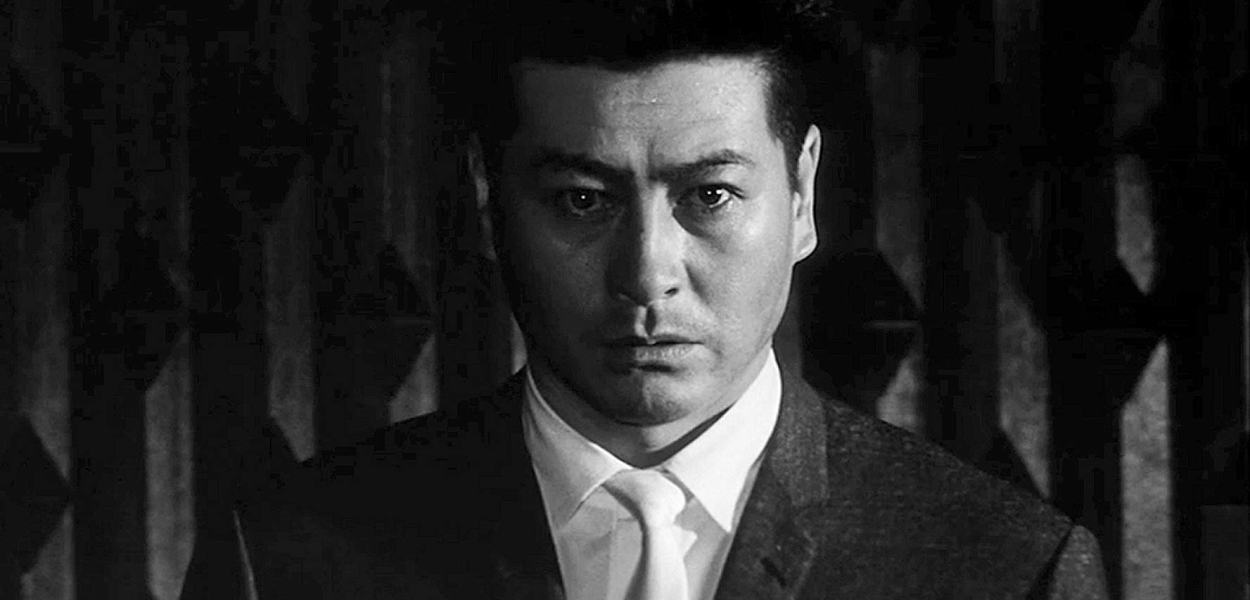
“‘Pale Flower’ finds its own rhythm and mood, superimposing frictionless cool on tireless ennui, punctuating everyday boredom with an enigmatic tremble.”
“‘Pale Flower’ is a magnificently emblematic example of the stylization, self-consciousness and independent spirit that defined the Japanese New Wave.”
“‘Beanpole’ masters the unseen, the unspoken and the ‘presence of absence’ in the way it unpacks the toll of ongoing armed conflict through a kind of metonymic expression of experience.”
“‘Southland Tales’ and ‘Kaboom’ aren’t defined BY their end-of-days narratives, as their apocalypses define the contents through the fulfillment of apocalyptic revelations.”
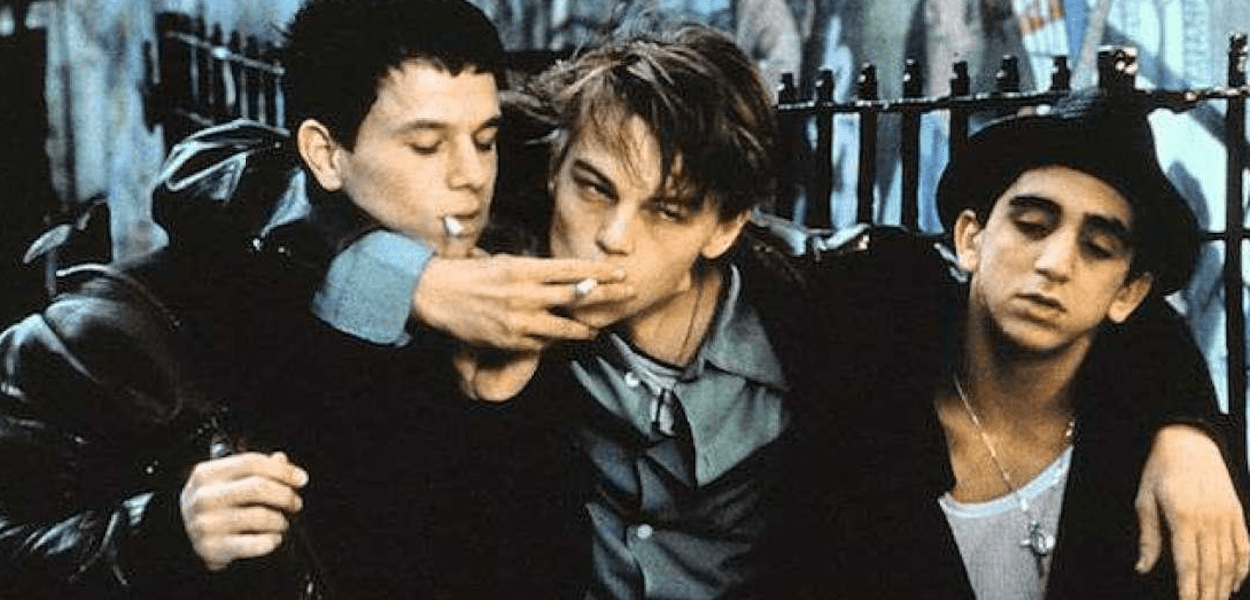
“DiCaprio’s early 90s accomplishments have been widely dismissed or ignored ever since Titanic’s Jack Dawson become a beloved movie figure amongst parents and their nostalgia-loving kids.”
“For a film about anger — both that of the social movements animated in protest and that belonging to the state which will brook no challenge to its authority — ‘A Grin Without a Cat’ is surprisingly without its own anger.”
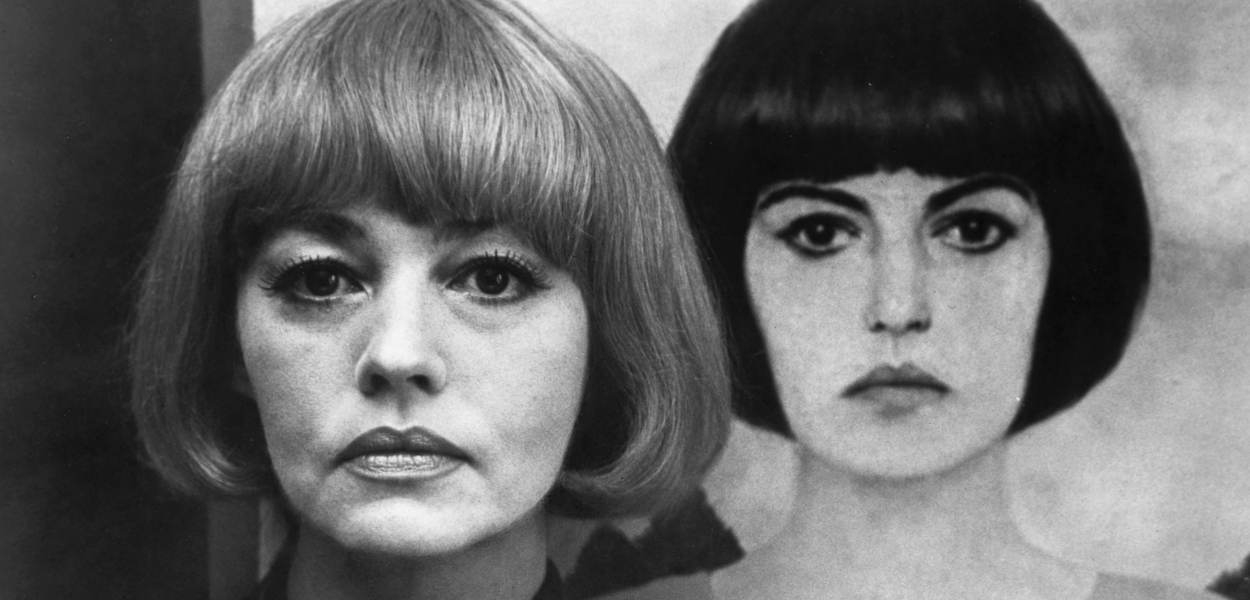
“In ‘The Bride Wore Black,’ cruel fate rips true love away from the innocent, suggesting that Truffaut believed pure happiness is only found in fairy tales.”
“Despite being an uneven grouping hardly representative of the best these filmmakers had to offer, ‘Six in Paris’ is an interesting capsule of moments in time and space.”
“Krzysztof Komeda made sure that the films he scored would be unlikely to exist, with any real significance, without his response to the images he was provided.”
“‘The Black Dahlia’ shows De Palma in a reflective mood, considering the impact cinema, especially his own, has had on the lives and suffering of women on screen.”