The Past Dreamed the Future Present: Derek Jarman’s ‘Jubilee’
“Jarman’s mix of time, history, memory, fantasy and dreams in ‘Jubilee’ is ultimately a hopeful warning for the future.”

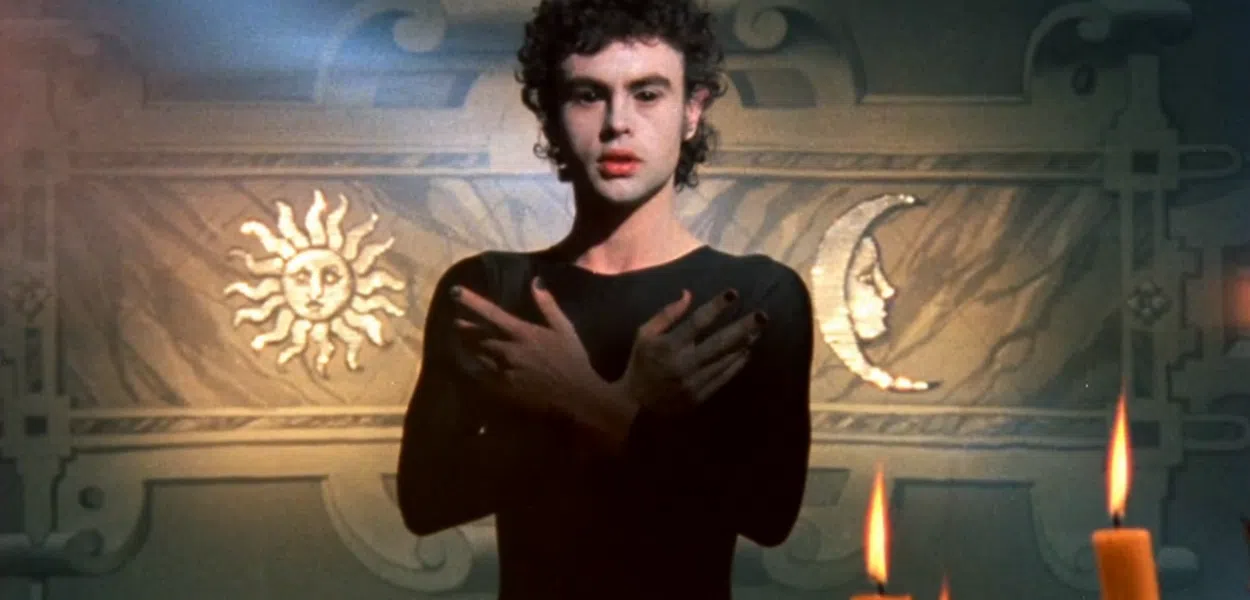
“Jarman’s mix of time, history, memory, fantasy and dreams in ‘Jubilee’ is ultimately a hopeful warning for the future.”

“As much as I love a good story, the best movies always transport me, in an intangible sense, through the base elements.”
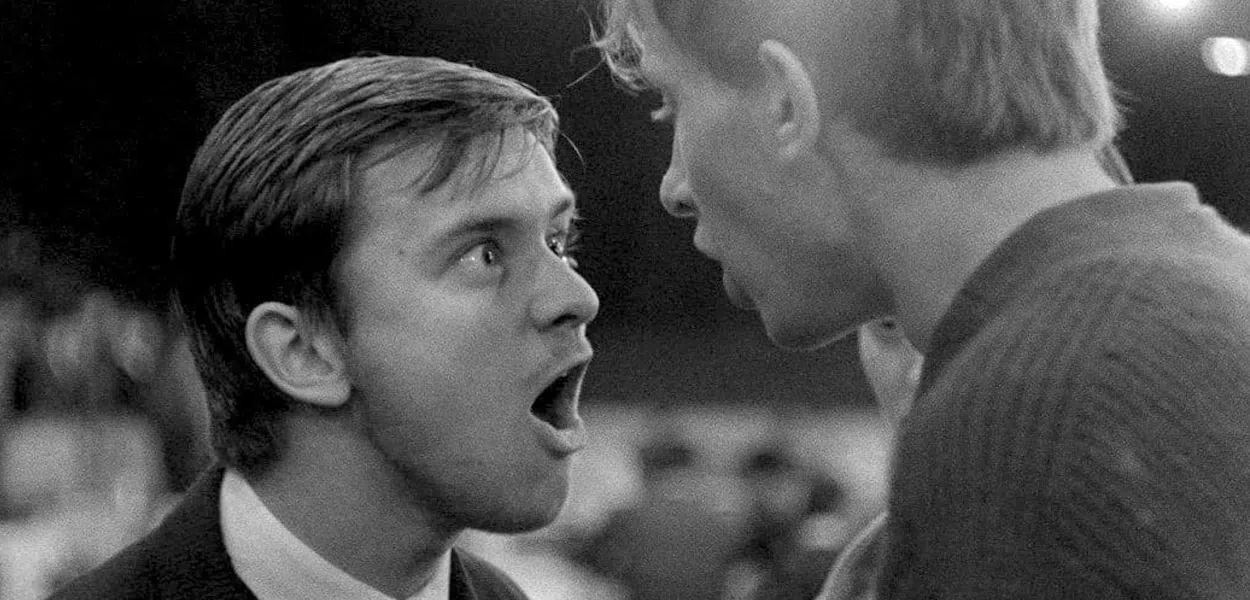
“As a character study, Miloš Forman’s feature directorial debut presents a realistic vision of a boy’s attempt to come of age; a path full of setbacks without a tidy resolution.”

“I was taken with You Don’t Nomi’s comfortable attitude toward the complexity and ambiguity of a text that can support and sustain such wildly opposite readings.”
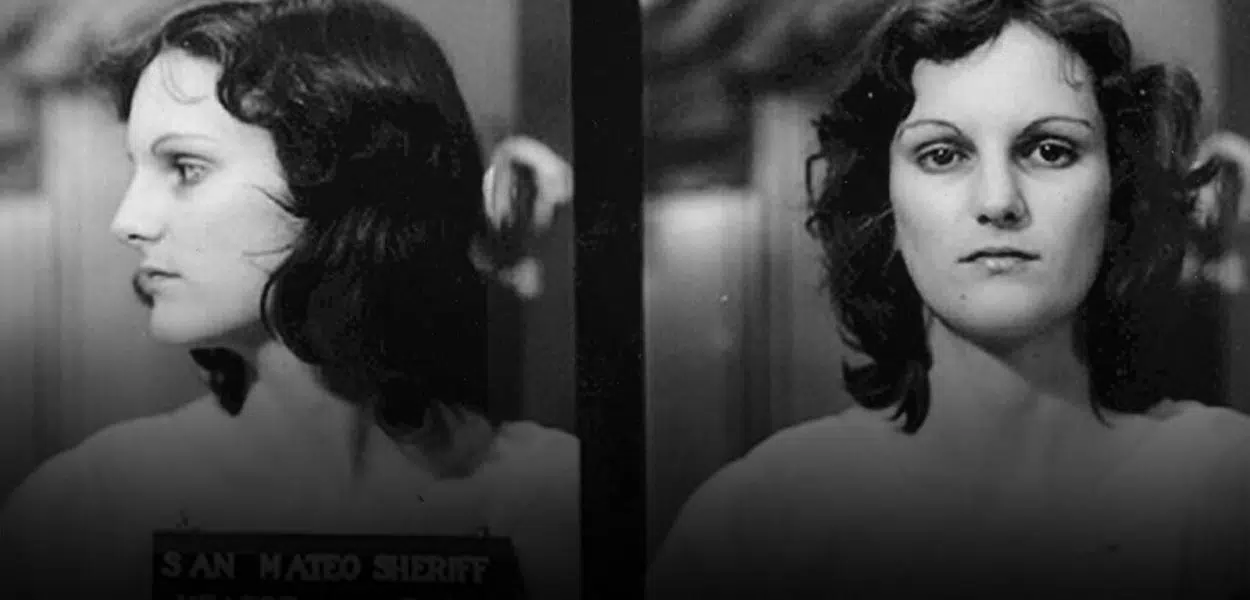
“In all her dramatic iterations, Patty Hearst stands for an American purity that was always illusory but remains hallowed, that successive generations have set out to wrest back from the forces of complication.”
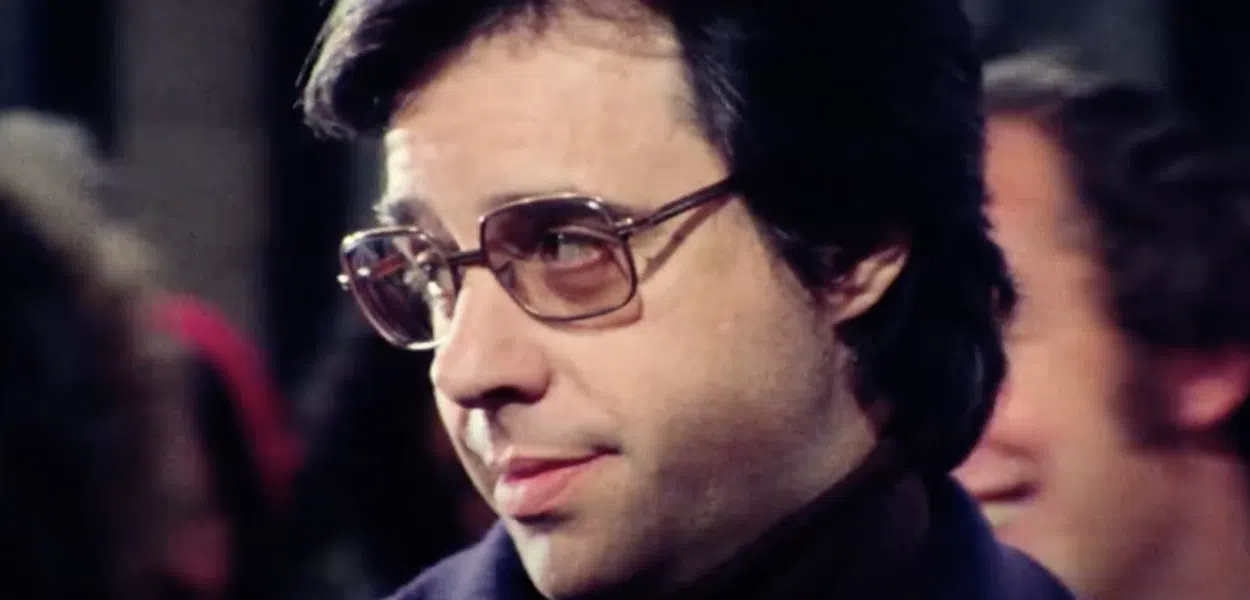
“If New Hollywood was an attempt to shape the future in novel ways, Bogdanovich was manifestly more interested in looking back, in reaction over revolution, in conforming his artistic impulses to an unambiguously Golden Age Hollywood influence.”
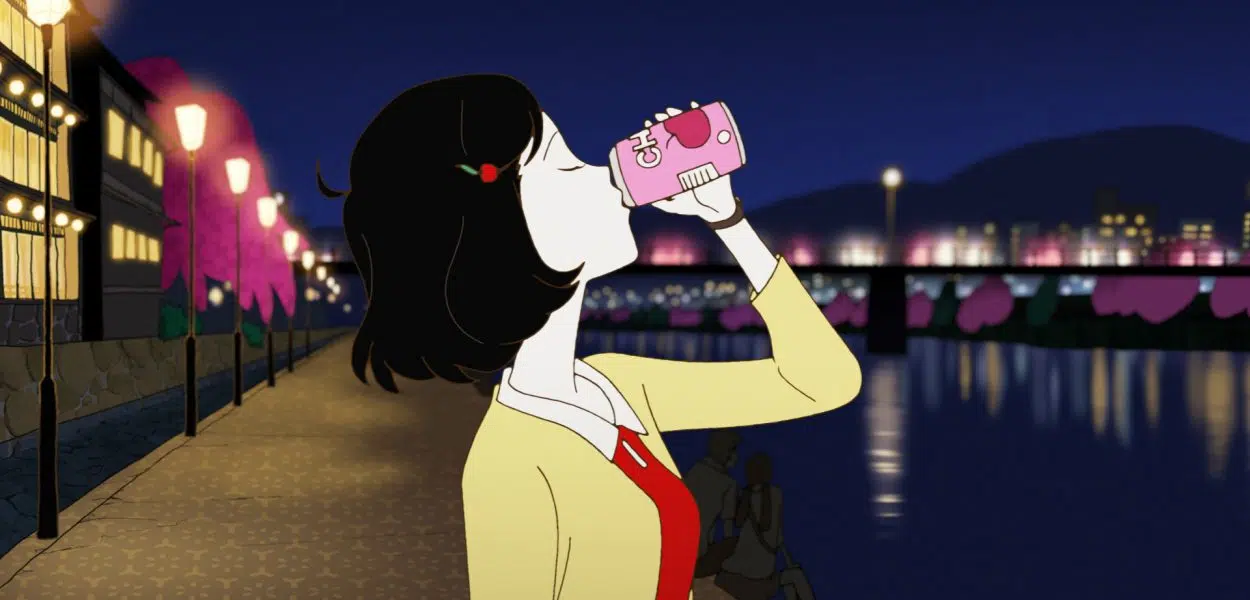
“‘The Night Is Short, Walk on Girl’ feels like an inadvertent political statement, a continuation of the status quo in the romantic comedy genre. Still, there is something there.”

“Film criticism unable to confront film’s relationship to business is destined to fail and will continue to reproduce the same tired critiques of cinema.”
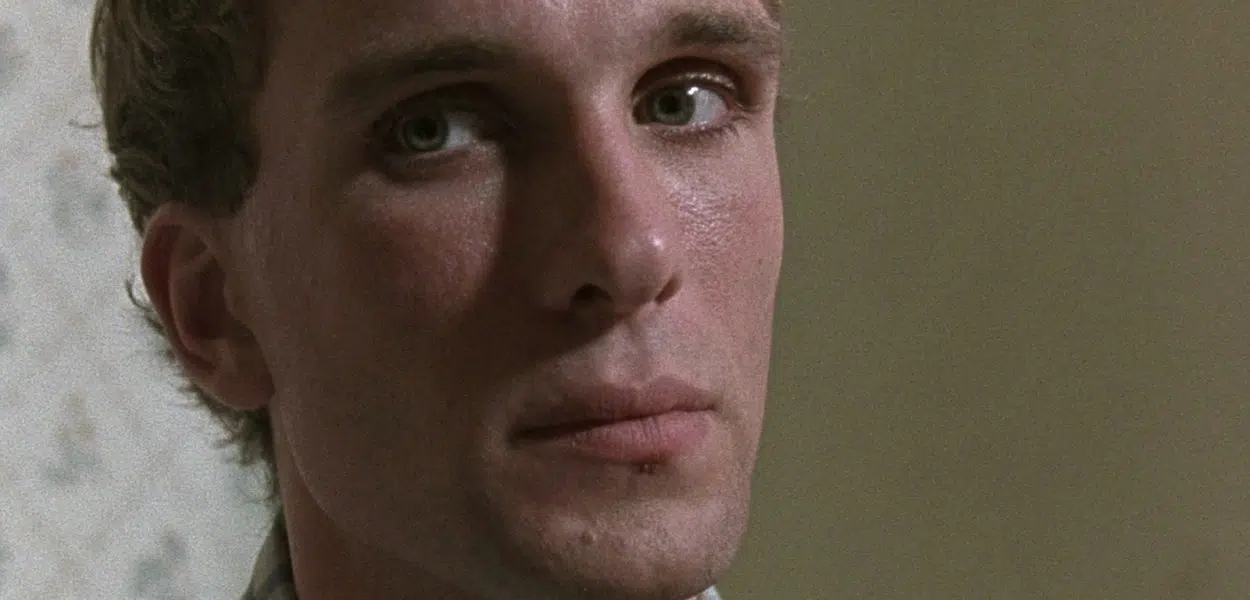
“‘Clean, Shaven’ depicts a culture in which there is little empathy for the mentally ill, perhaps because it is a culture influenced by fictional portrayals in which people like Peter are predominately unfeeling mad killers.”
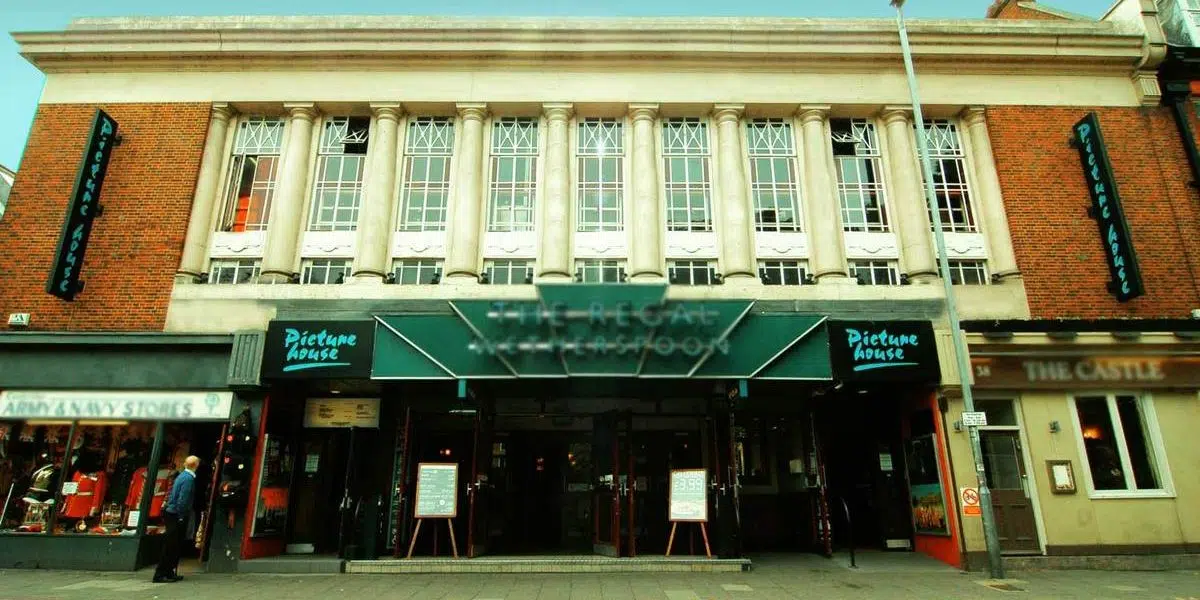
“Arts Picturehouse Cambridge unearthed the feisty, passionate person that I am today, and made me want to help change the cinematic landscape for the better.”
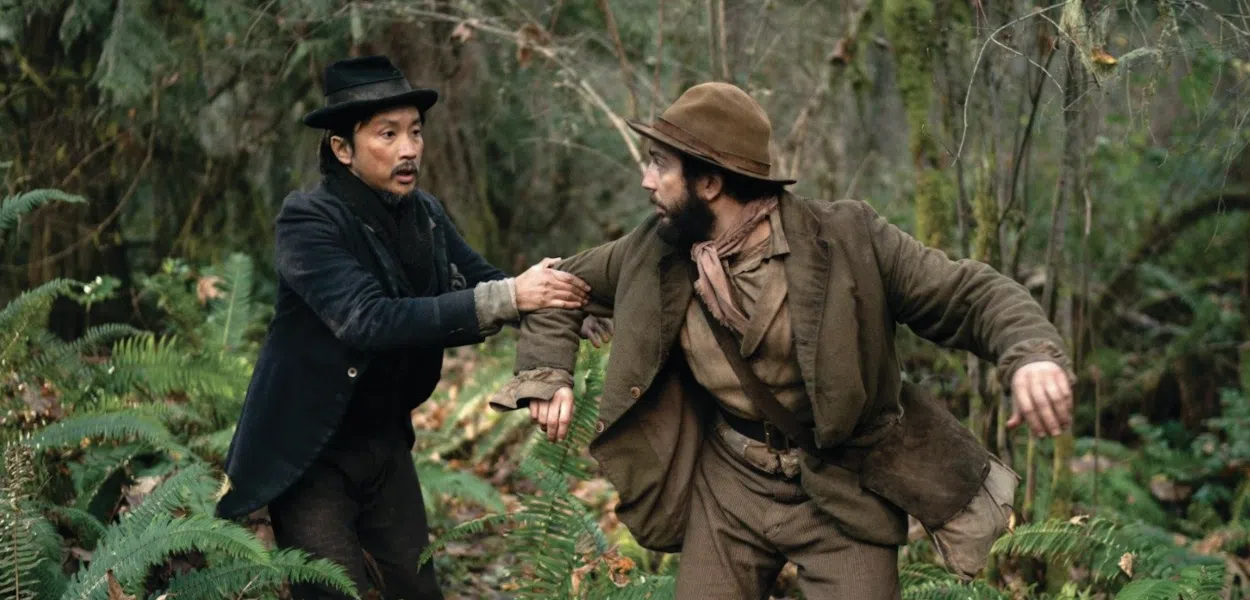
“Behold the elegance and oft-cited aesthetic minimalism with which Reichardt unfolds so many thoughts and ideas about race, representation and gender.”

Part Four of a Four-Part Disaster Movie Series by Bill Bria
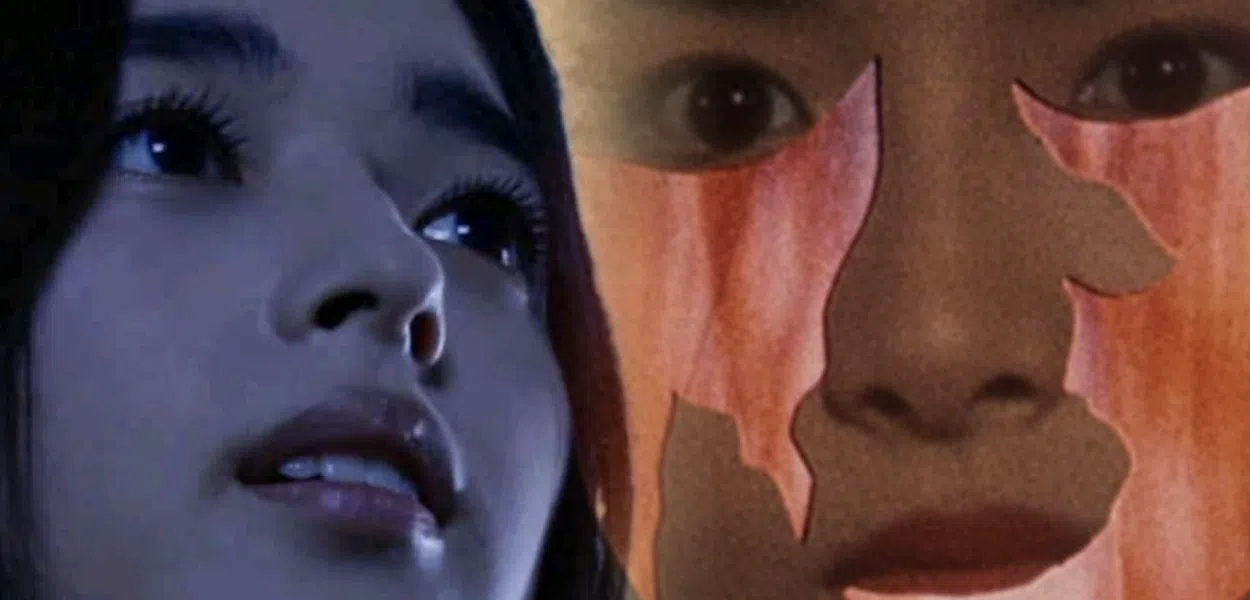
“No director has been able to replicate Nobuhiko Ōbayashi’s iridescent, hallucinatory and infectious passion for film.”
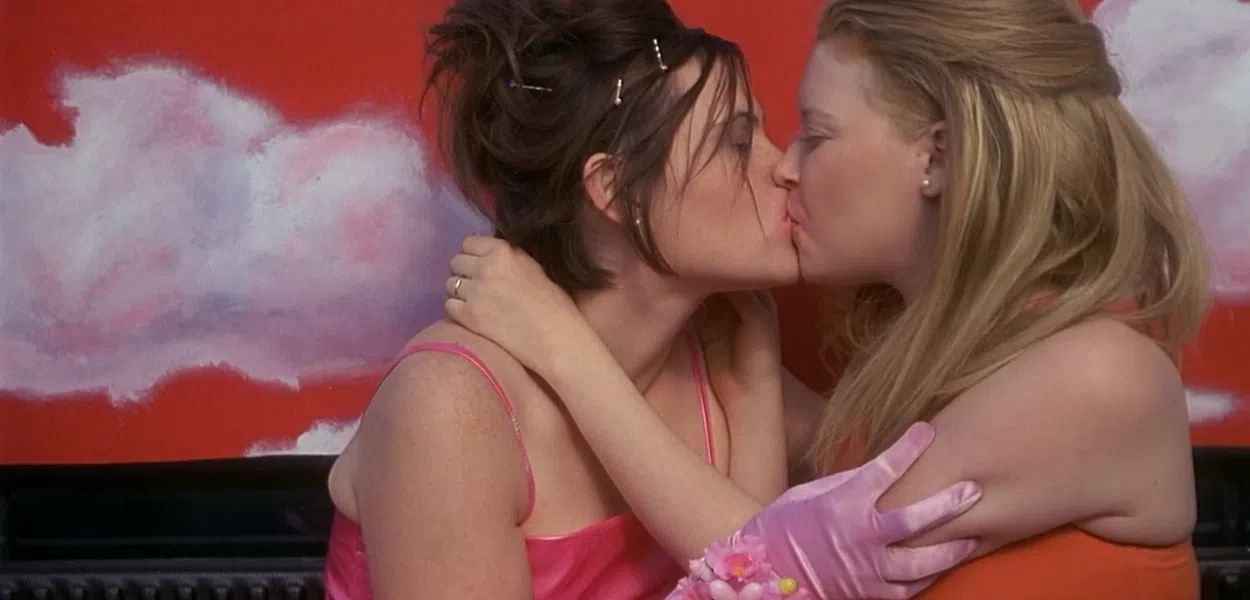
“In cinema, it’s tough to depict sincerity without it coming across as contrived or sickly-sweet, but it’s a feeling that myself and many others yearn for, especially when it comes together as beautifully as it does in ‘But I’m a Cheerleader.'”

“While ‘The Black Cat’ does not share many explicit connections with Poe’s 1843 story, both texts use archetypal symbolism to explore painfully intimate experiences (in Poe’s case, addiction and mental disarray, and in Ulmer’s case, psychological trauma).”

“What both Pacino and De Palma vividly convey throughout the film is that there’s absolutely nothing dubious or spurious about Carlito’s conviction in his ability to evolve.”
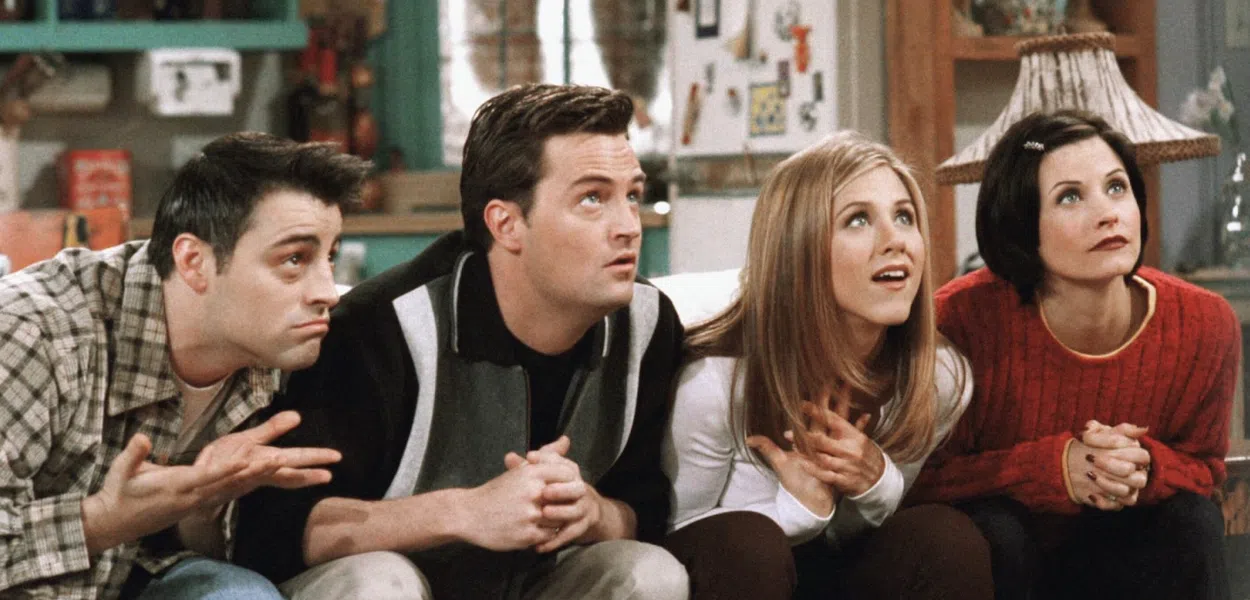
“More than ever, it is crucial to contemplate what this nostalgia phenomenon means for the future of the arts and our discomfort with the new. Will there be a ‘new’ in the new world?”
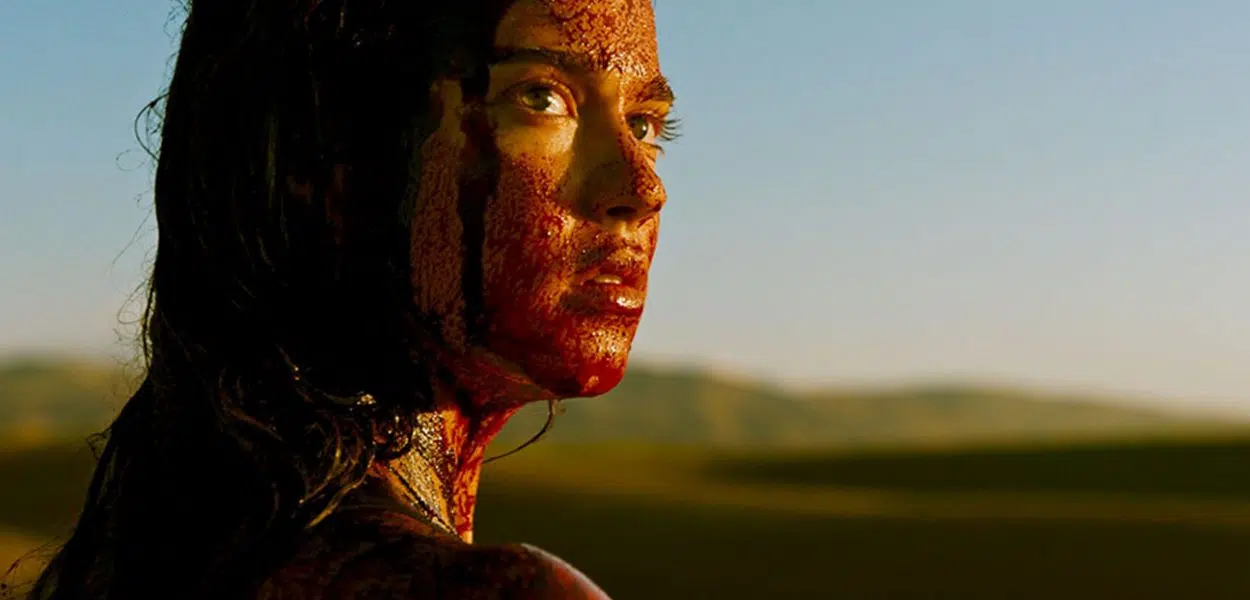
“The main reason I write about horror movies, aside from having a deep and abiding love for them, is that I have a perspective unique to me. But, for certain men, that’s not enough.”

“Local Heroes” is a Vague Visages column dedicated to movie theater memories and the theatrical experience.
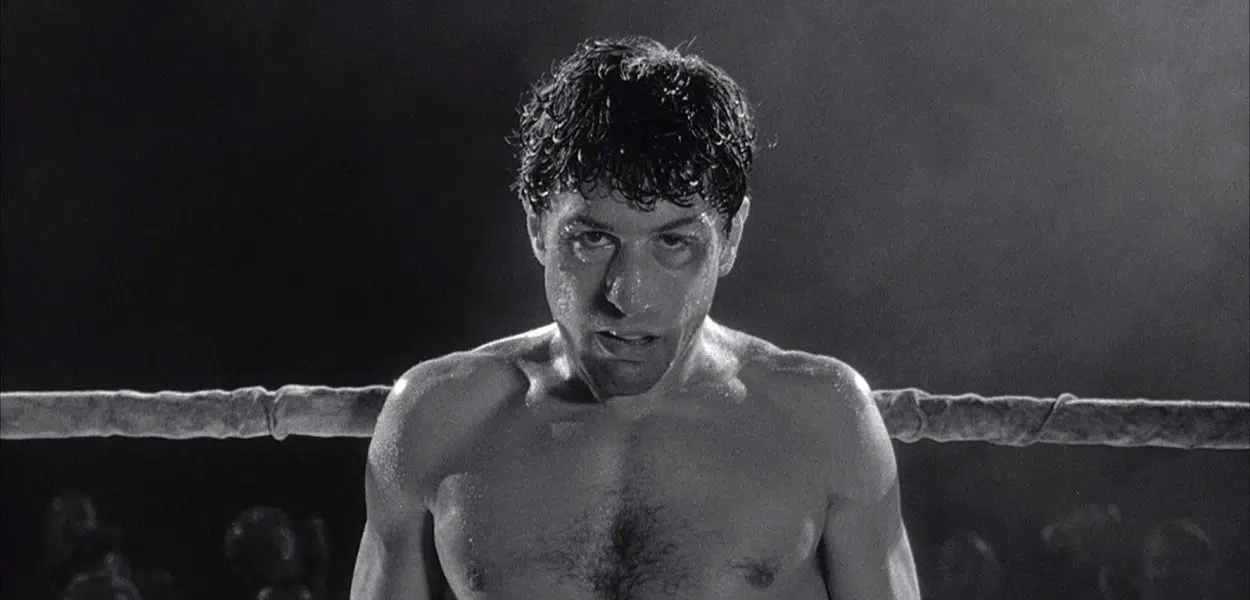
“‘Raging Bull’ — a complex character study about methods and codes of conduct — all too often gets reductively tagged as Scorsese’s toxic masculinity sports movie that allowed De Niro to lose (and gain) weight in pursuit of an Oscar.”