Karyn Kusama’s ‘Destroyer’: The Question of Identity
“Kusama skillfully reinterprets the stylistics of classic film noir to explore the genre’s timeless and heady themes: obsession, loneliness, guilt and (most of all) identity…”

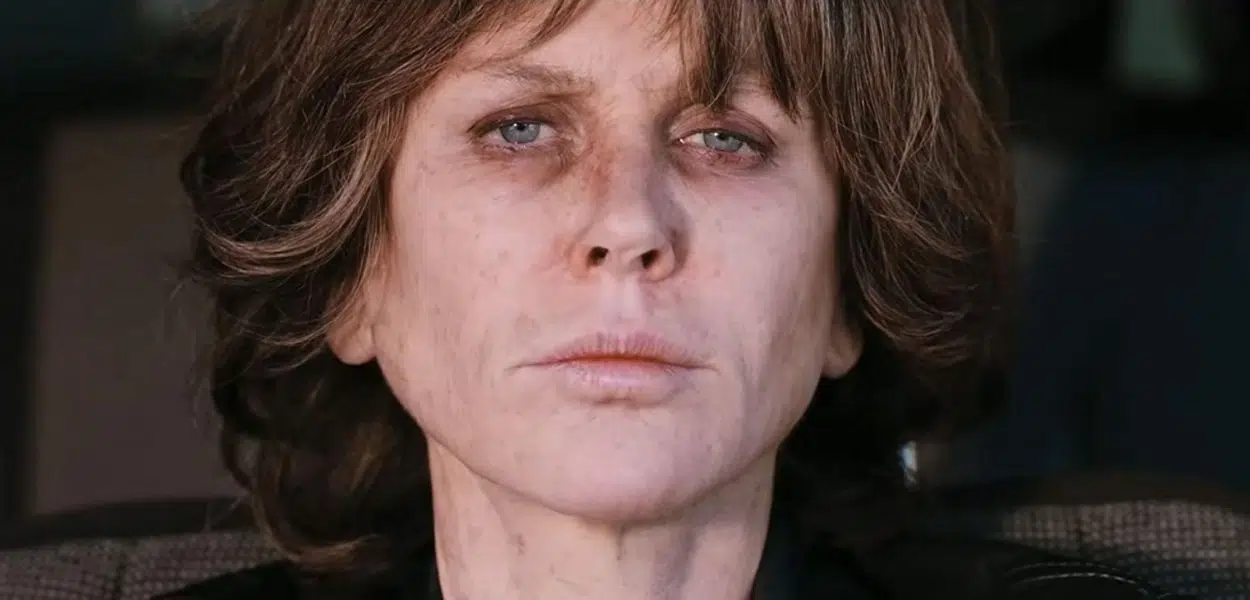
“Kusama skillfully reinterprets the stylistics of classic film noir to explore the genre’s timeless and heady themes: obsession, loneliness, guilt and (most of all) identity…”
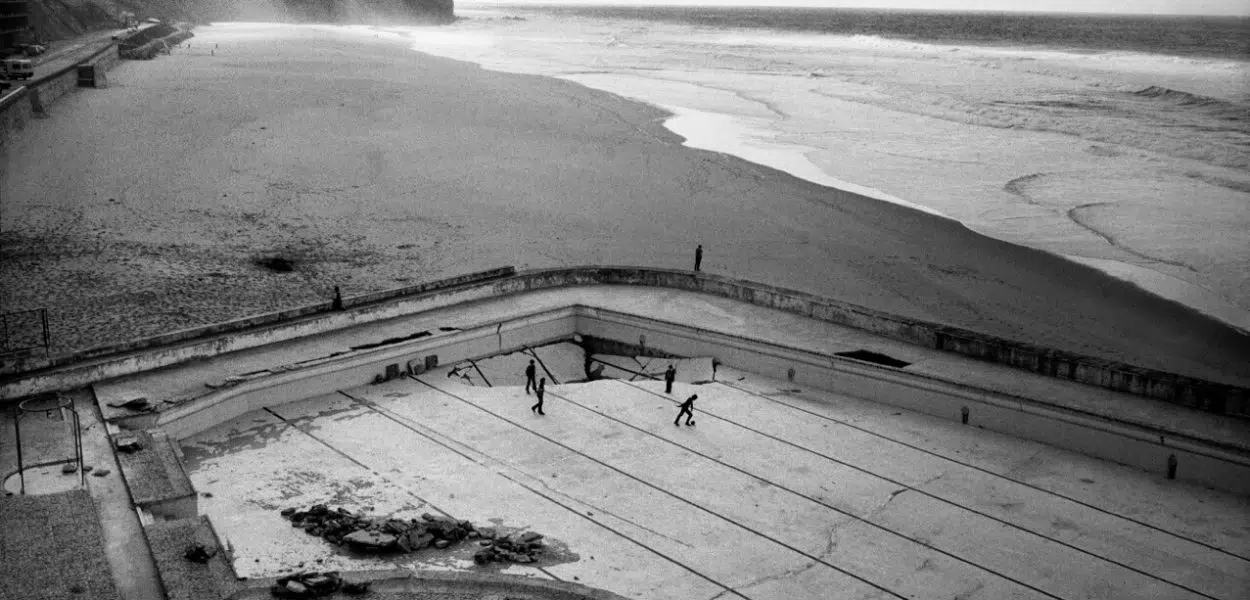
“In retrospect, a film can seem so intentional, with every artistic choice so deliberate, that you can’t imagine it being any other way. But these movies that last for generations are often shaped by whims and circumstance.”
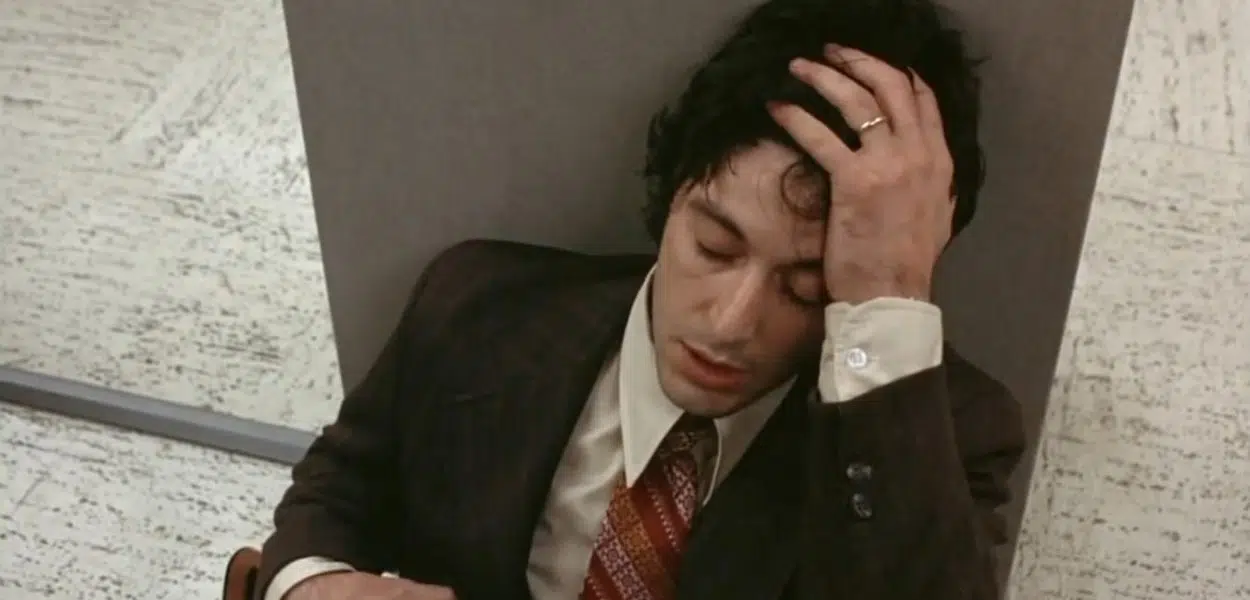
“By creating such a sympathetic, human subject, Lumet deepens the impact of his institutional critique of the justice system; its dehumanizing effect on American society seems all the more tragic when Sonny is its victim.”
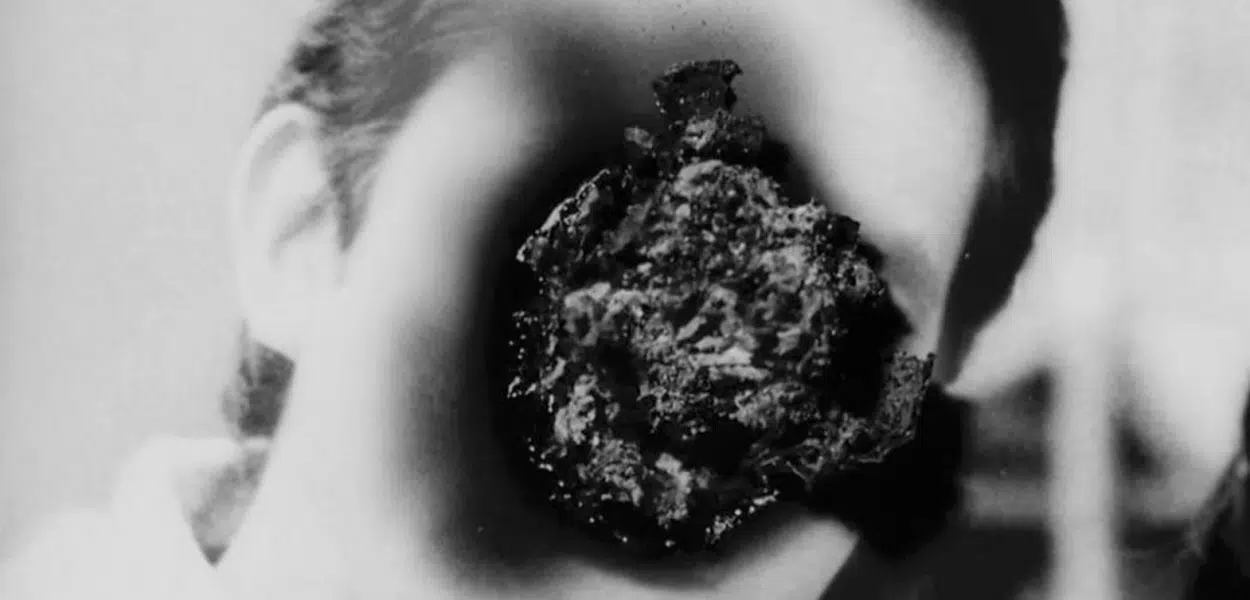
“Beauvais does what the essay filmmaker ought do: he appropriates film to his own ends. The combination of words and pictures rings nary a false note.”

“In dramatizing themes of absence and presence so thoroughly, ‘Klute’ embodies a central feature of neo-noir; as a self-conscious revision of a classic film cycle, noir is always both absent and present in neo-noir films.”
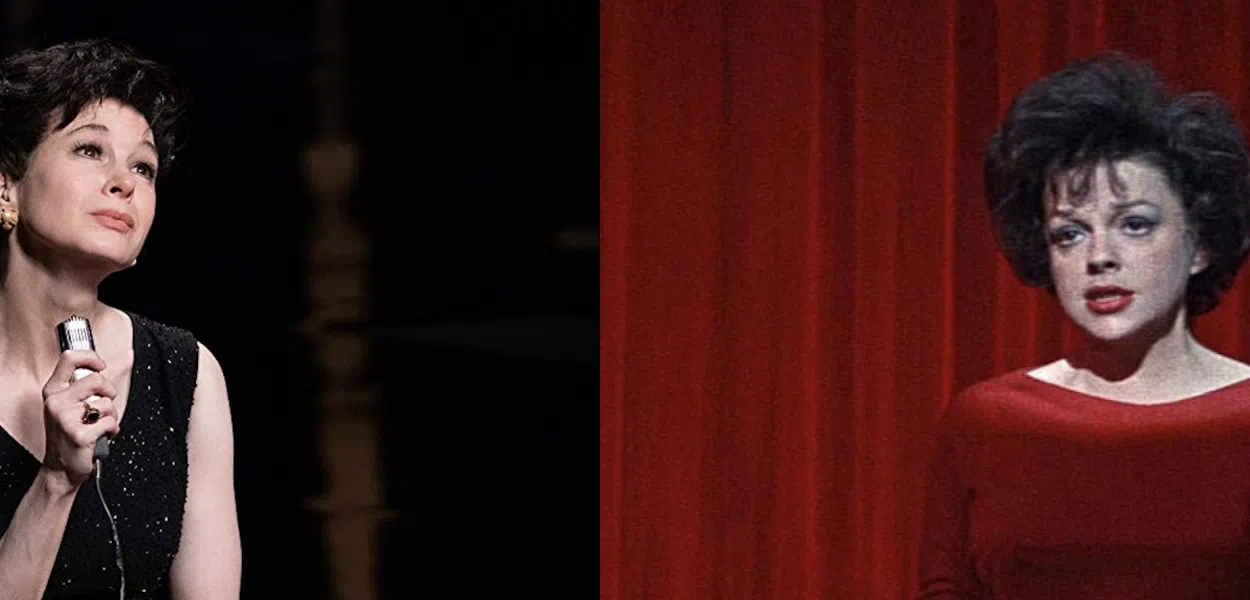
“Judy the Actress and Judy the Icon may have been one in the same after all.”
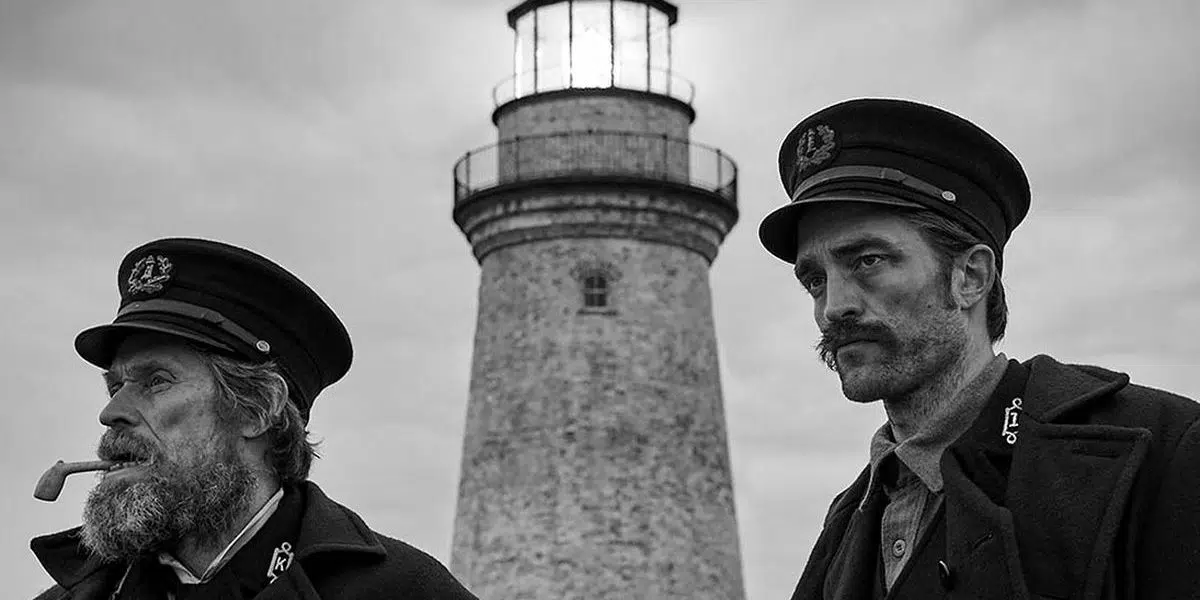
“‘The Witch’ may be the superior film, but ‘The Lighthouse’ shows Eggers growing by leaps and bounds as a storyteller and visual stylist.”
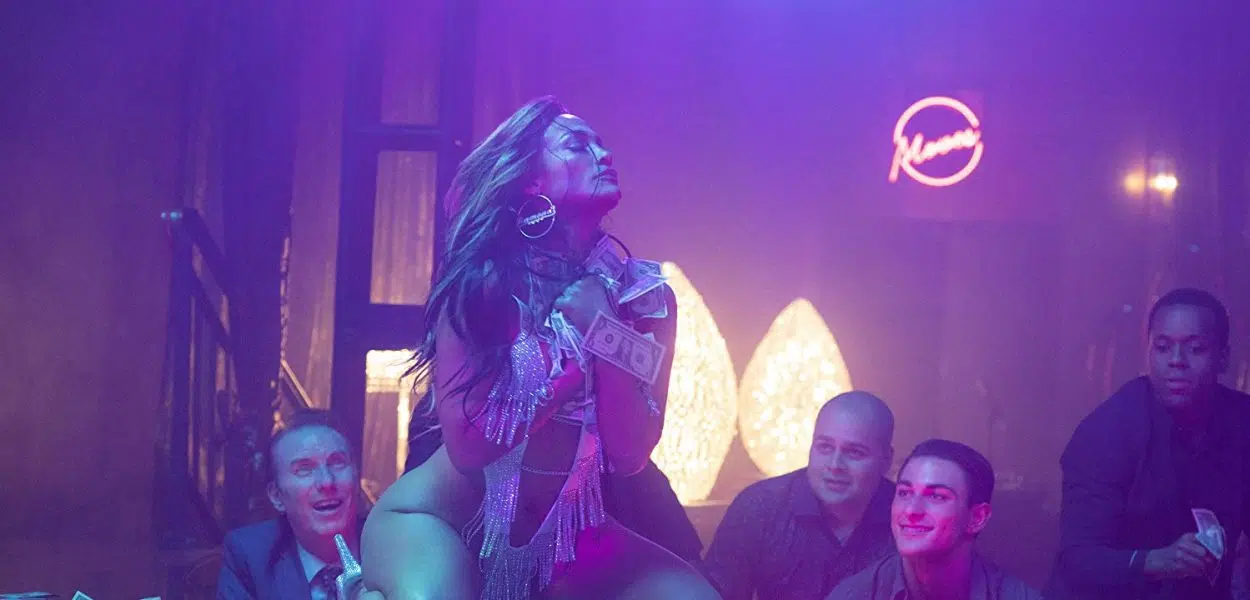
“From the moment Ramona first appears, ‘Hustlers’ announces itself as a new addition to the neo-noir cannon — a film about bright lights in dark places.”

“Widmark offers a succession of performances in ‘Kiss of Death, ‘The Street with No Name’ and ‘Road House’ that show a young actor building, then resisting, and then reconciling his own burgeoning screen persona.”

“This is a world where faith, governments, businesses, families and the other institutions humans have built will all crumble, just like human bodies, which will inevitably succumb to their fragility and fall victim to total destruction.”
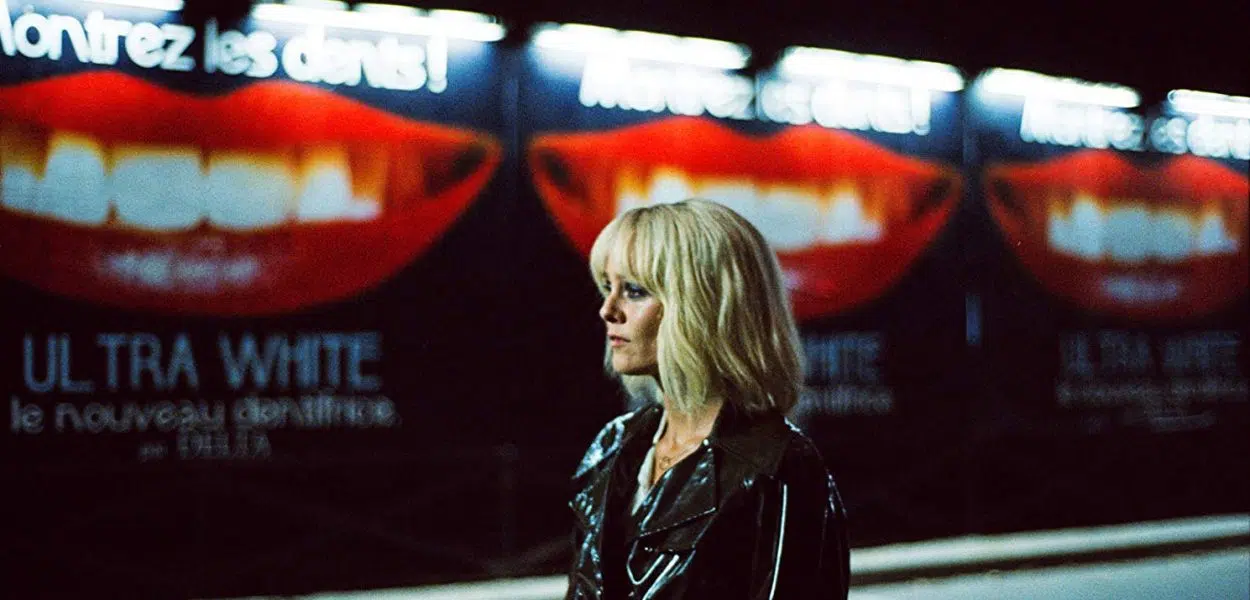
“As a love letter to a cinematic wave of films that were (and are) often dismissed as style devoid of substance, ‘Knife+Heart’ triumphs in both story and genre evolution.”

“What allows Cattet and Forzani’s films to flourish is that they modify cinematic influences to accommodate today’s instant gratification culture.”
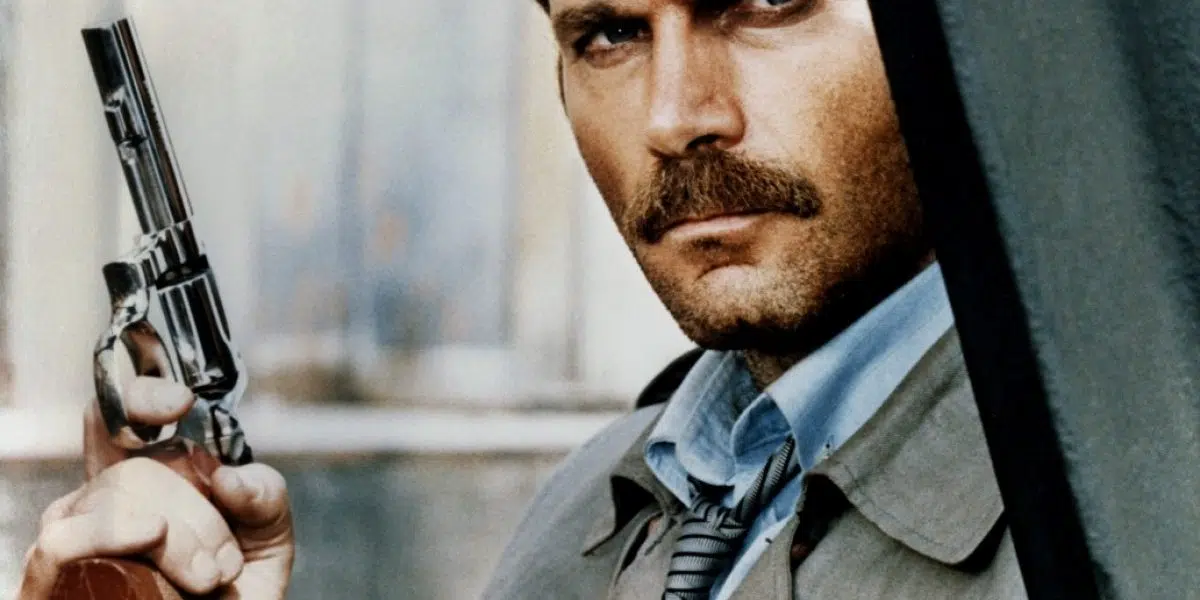
“Though the polizieschi may seem far away from the quiet nobility of the Neorealist films, with all their sober-minded social critique, they are bound together by the privileging of the real world.”
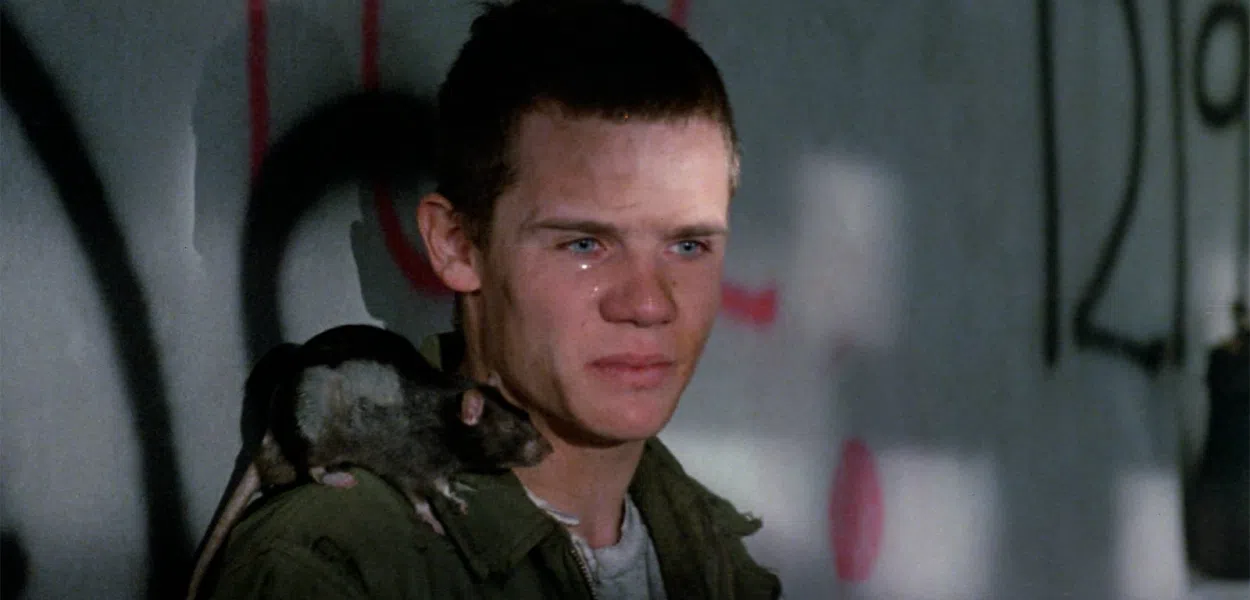
“‘Suburbia’ is a punk classic not just because it deeply understands and empathizes with its culture – the music, the violence, the clothes, the often-jarring lack of political sophistication – but because it understands something important about punk’s place in society at large…”
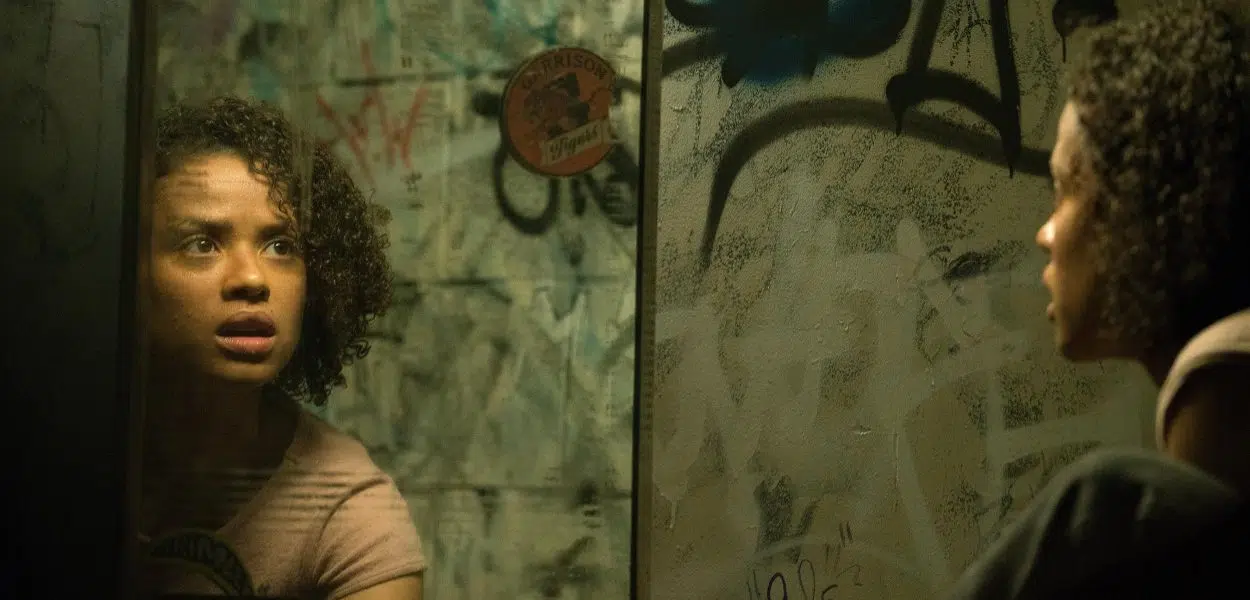
“‘Fast Color’ deserves a close look…”
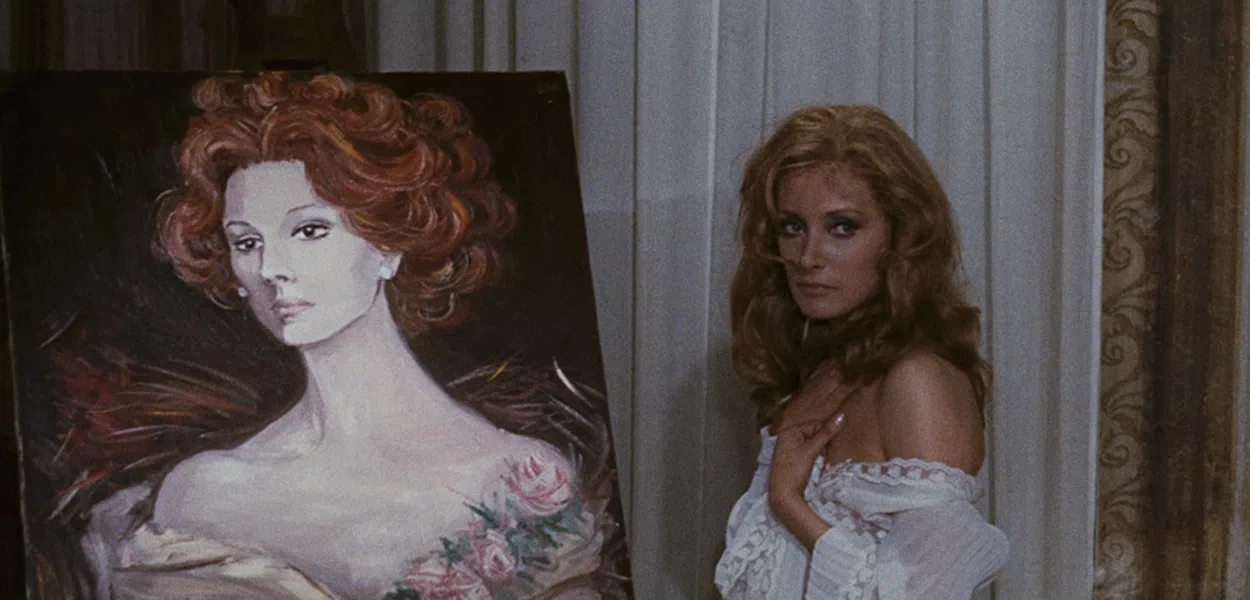
“Miraglia’s deliberate interweaving of castles and glimmering blades taps into the one element that both Gothic and giallo art share: the ability to taffy-pull delight from terror. Both Poe and Bava would tip their hats.”
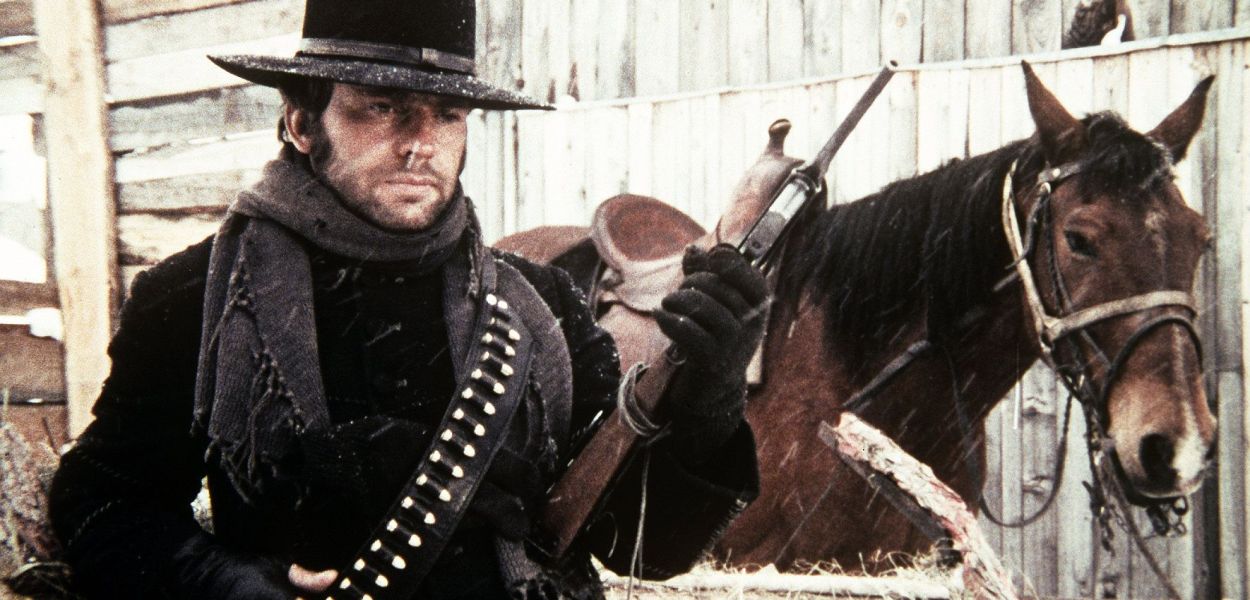
“‘The Great Silence’ is miles away from the graceful, operatic majesty of Leone’s more famous entries. Corbucci’s cynical vision is fashioned from a style that is brutal and spontaneous…”
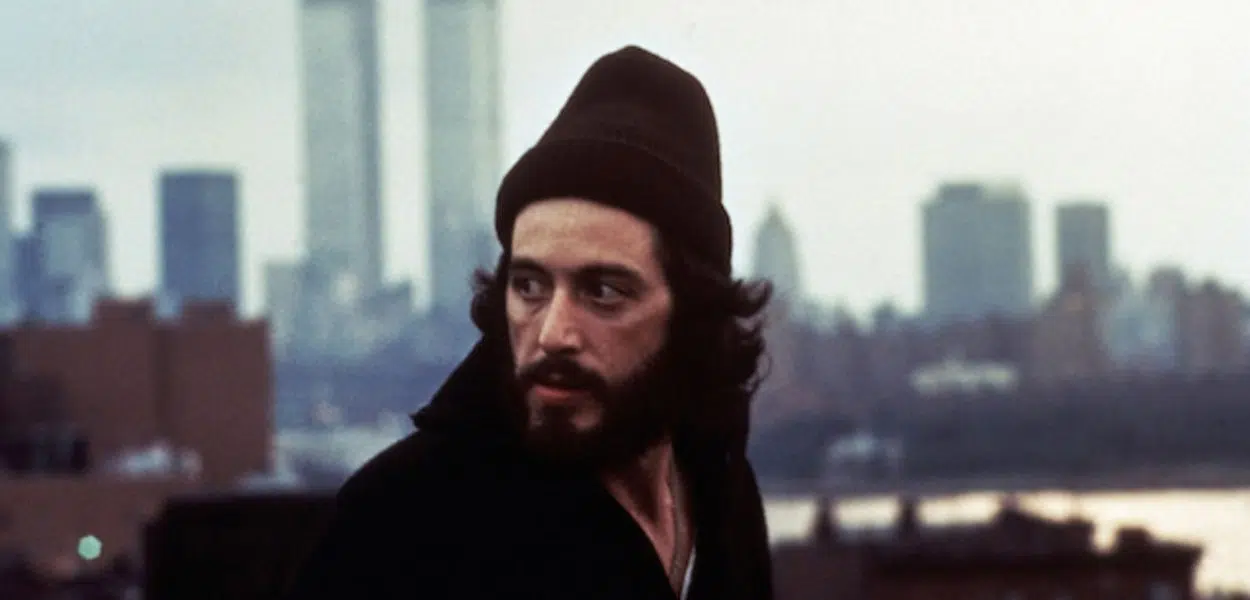
“With ‘Serpico,’ Lumet becomes a defining chronicler of American institutional corruption, most obviously within the justice system.”
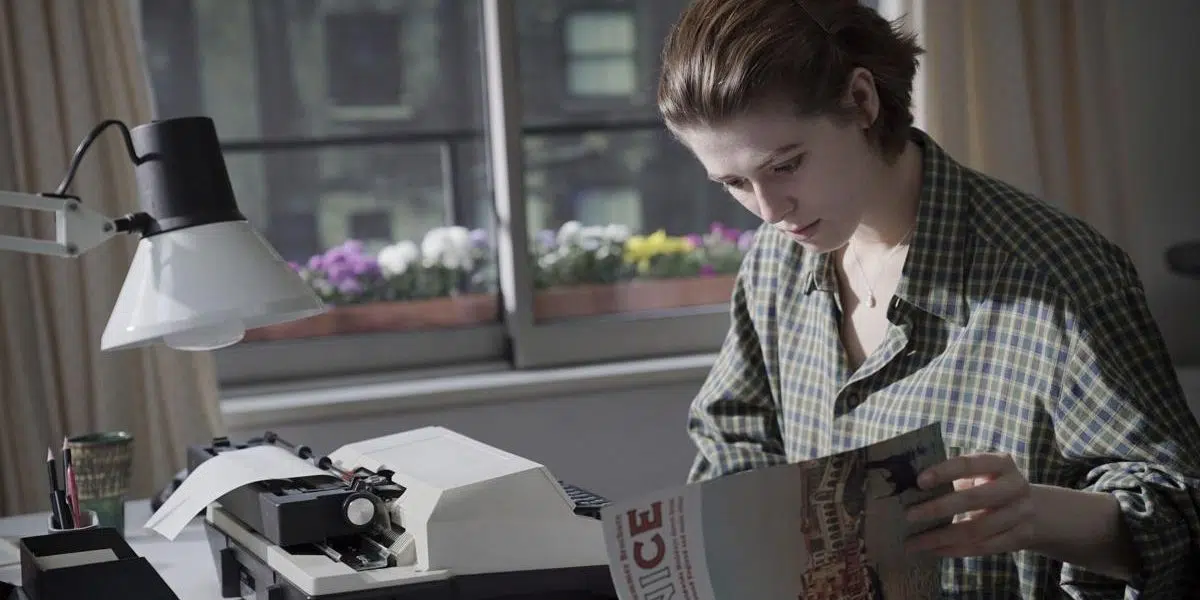
“‘The Souvenir’ is essential viewing for devoted cinephiles.”

“Alice, Sweet Alice’s attitude is an unforgiving one. What, Sole asks, is the difference between Alice, who hurts because she’s sociopathic, and the zealous Ms. Tredoni, who hurts out of righteousness?”