Review: Todd Phillips’ ‘Joker’ Is Aggressively Decent
“‘Joker’ is what so many controversial films turn out to be: it’s fine — neither masterpiece nor trash fire, well-executed in some parts and poorly thought out in others.”

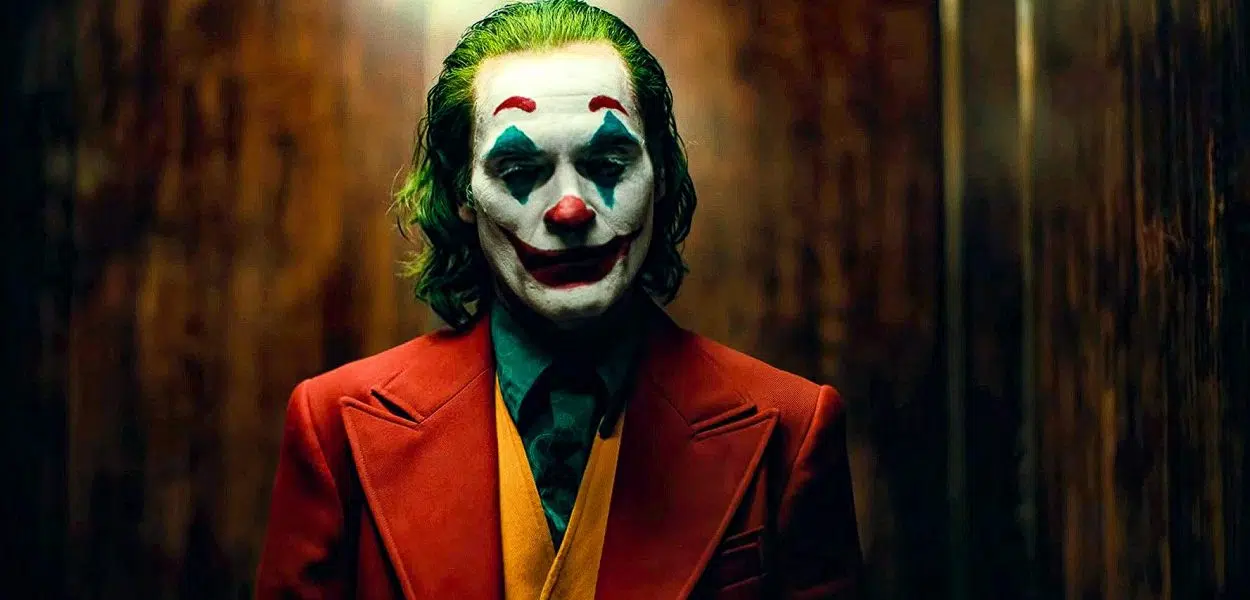
“‘Joker’ is what so many controversial films turn out to be: it’s fine — neither masterpiece nor trash fire, well-executed in some parts and poorly thought out in others.”
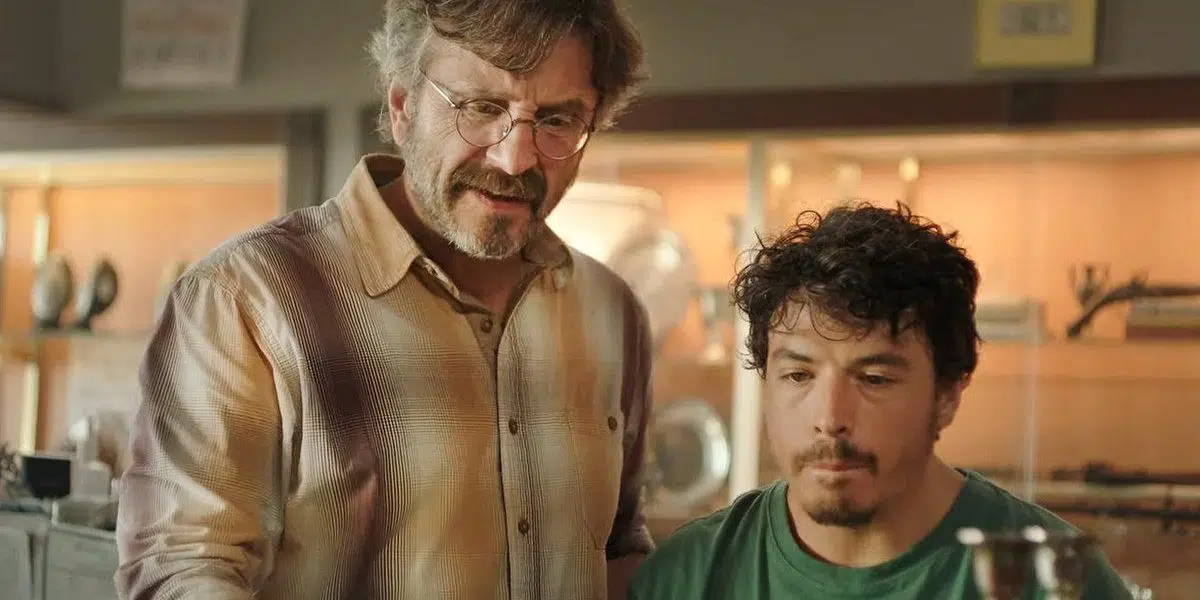
“Shelton convincingly alternates between the absurd misadventures of the core quartet and the well-observed moments of confessional pathos during which the audience sees the characters as humans doing their best to get along in the world…”
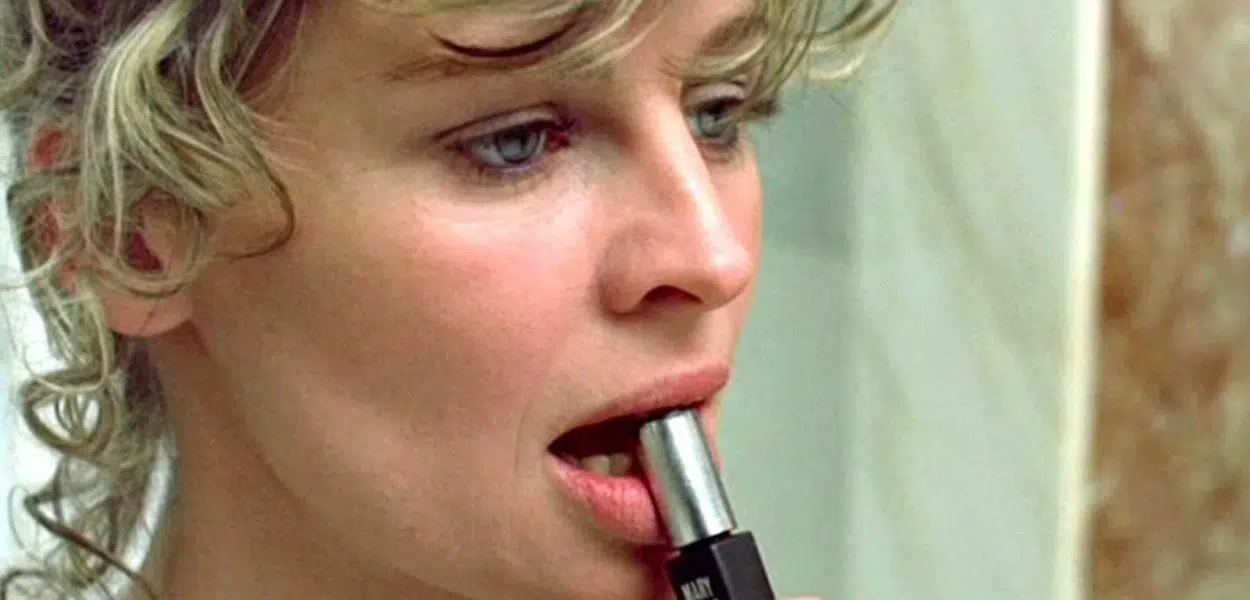
“‘Don’t Look Now’ stands as one of the best iterations of the giallo film. It takes the best elements of the commercialized Italian psycho-thriller and presents them with a Hitchcockian flair.”

“Exploitation filmmakers like Castellari treat other films like air just waiting to be breathed in. Theft, plagiarism, remix, citation, reference — to these exploiters, they are all the same thing. Everything, these films suggest, belongs to all of us.”

“Rossellini astonishingly blends the good and the bad into an imperfect merging of society in all its multiplicity of guises. Death, desolation and violence are as pervasive in the film as love and empathy.”

“‘The To Do List’ not only made me feel comfortable with my sexuality and my body as a woman, but it also helped me understand that sex is natural and organic.”
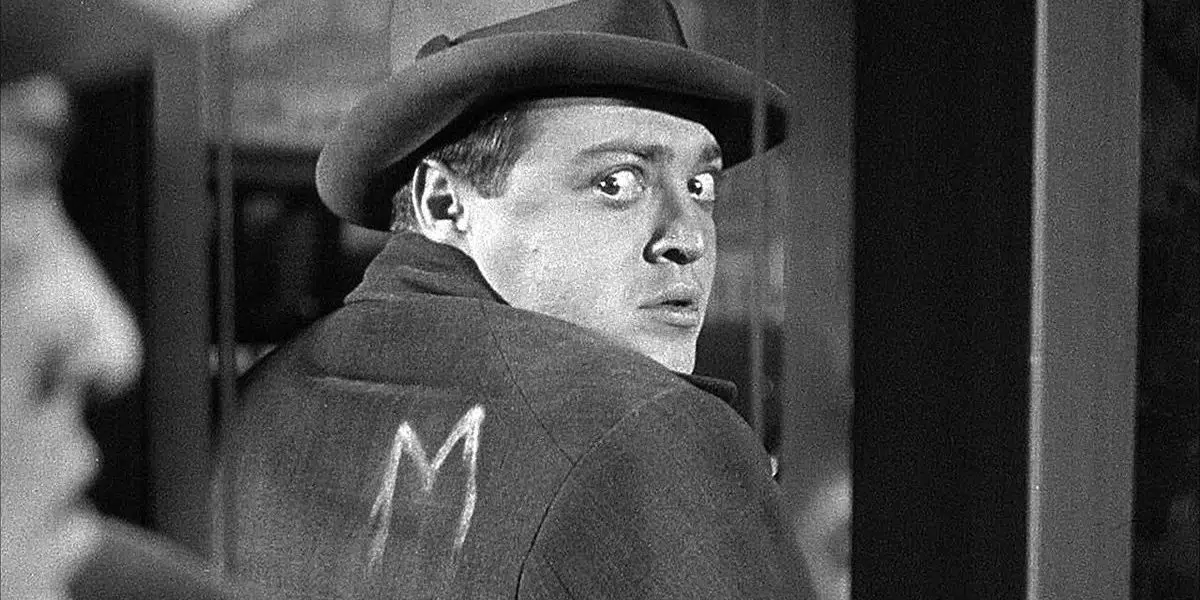
“Lorre brought to his strangers the psychological wounds carried by the exile.”

“Fantasy exists to create a place of greater safety, a rejection of the real world in favour of one that allows for an open, unapologetic queerness.”

“By experiencing Almodóvar’s films as the product of a man whose view of the world is deeply affected by a variety of nagging medical concerns, only a few late period works thoroughly scratch under the surface of his psyche.”
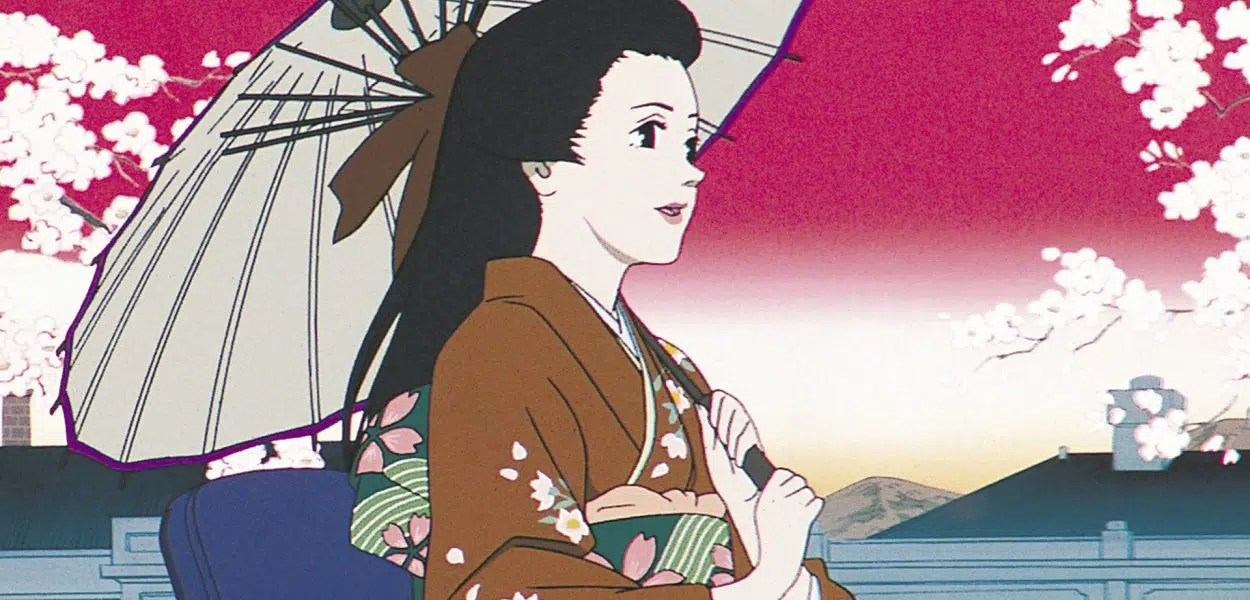
“No matter what one pulls from Kon’s work, there’s no denying his lasting impact and innate ability to immediately render a viewer speechless.”
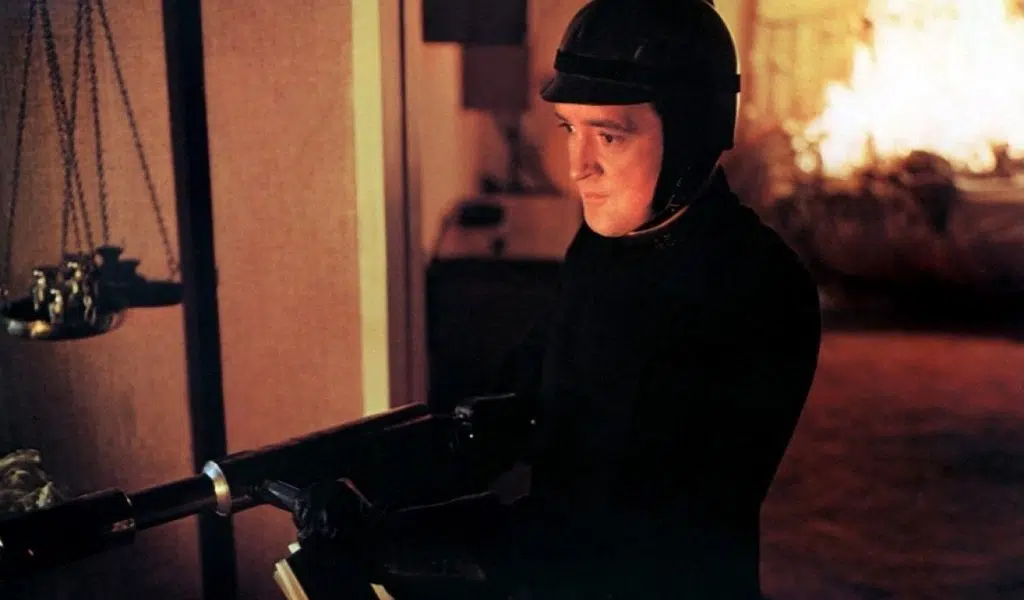
“Throughout both the foreground and background of ‘Fahrenheit 451,’ Truffaut emphasizes the characters’ self-absorption via a hyper-sexual form of narcissism in a society lacking real love.”

“‘The Box’ elevates the daily minutiae of capitalist cruelty into the science fiction moral framework of a ‘Twilight Zone’ yarn.”

“Shaping the narrative around the complexities of female friendship and the pressures wrought by the financial crisis of 2008, Scafaria convincingly paints a psychologically resonant portrait that allows the viewer a seat on the inside looking out…”

“For a filmmaker usually so concerned with the social causes of injustice, ‘The Offence’ is remarkably focused on the troubled psychology of its central character.”
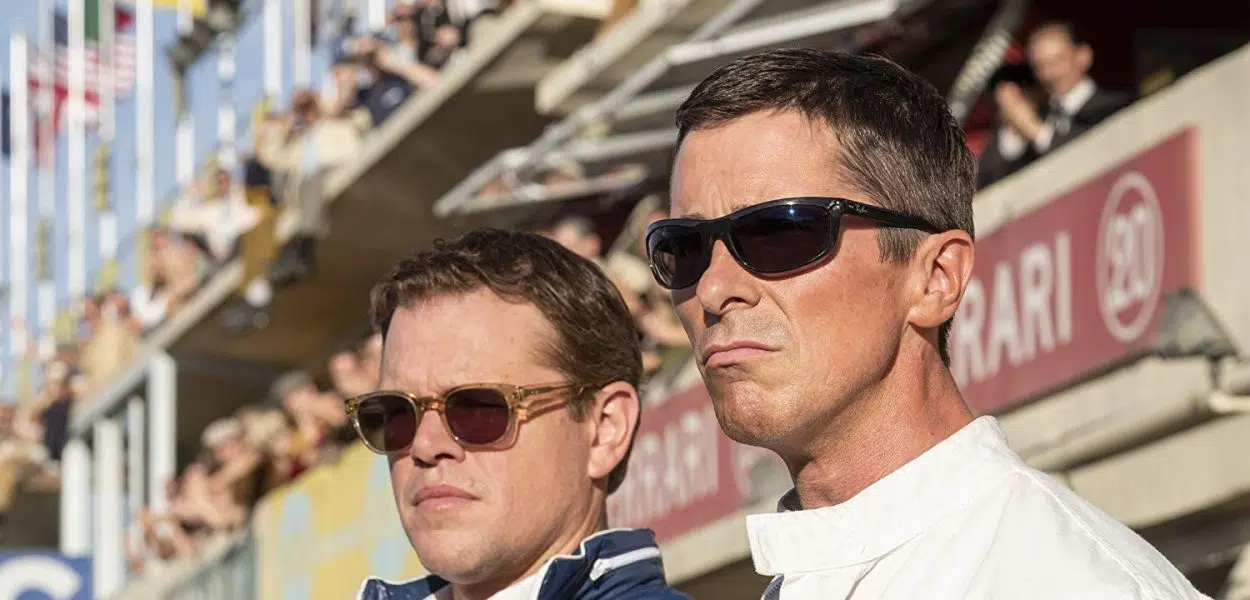
“Nothing about ‘Ford v Ferrari’ reeks of studio interference, perhaps owing to the fact that the script hews so closely to screenwriting conventions that worked well for decades.”
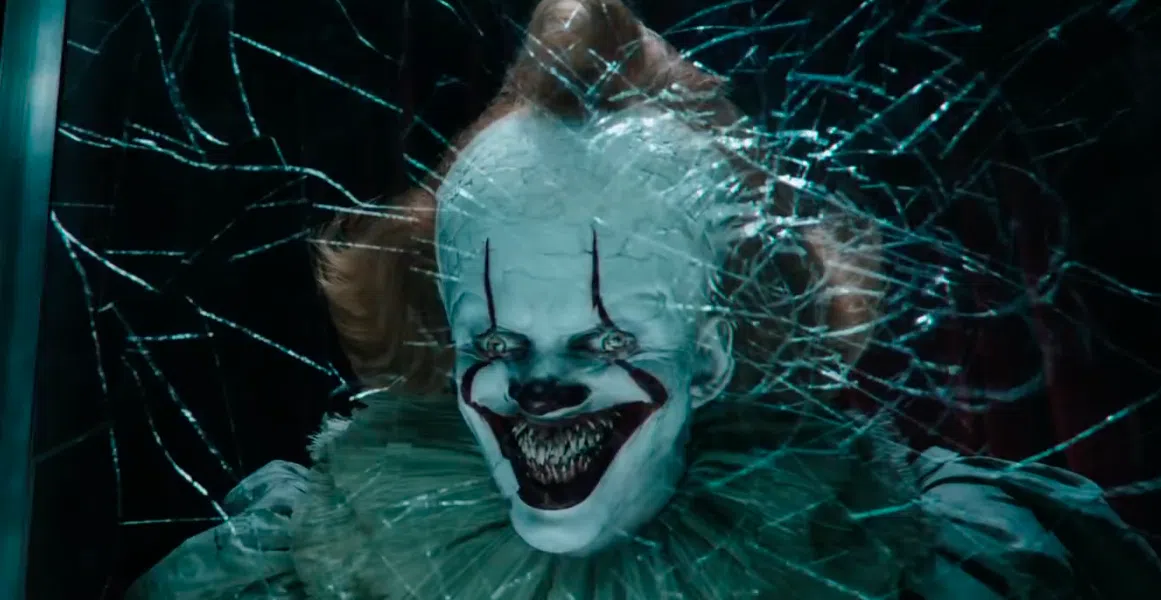
“‘It Chapter Two’ ends up as a self-conscious adolescent that nervously giggles any time it’s on the verge of doing something profound; a cringe-inducing ‘no homo’ walk-back writ large to avoid accusations of nastiness or tenderness.”
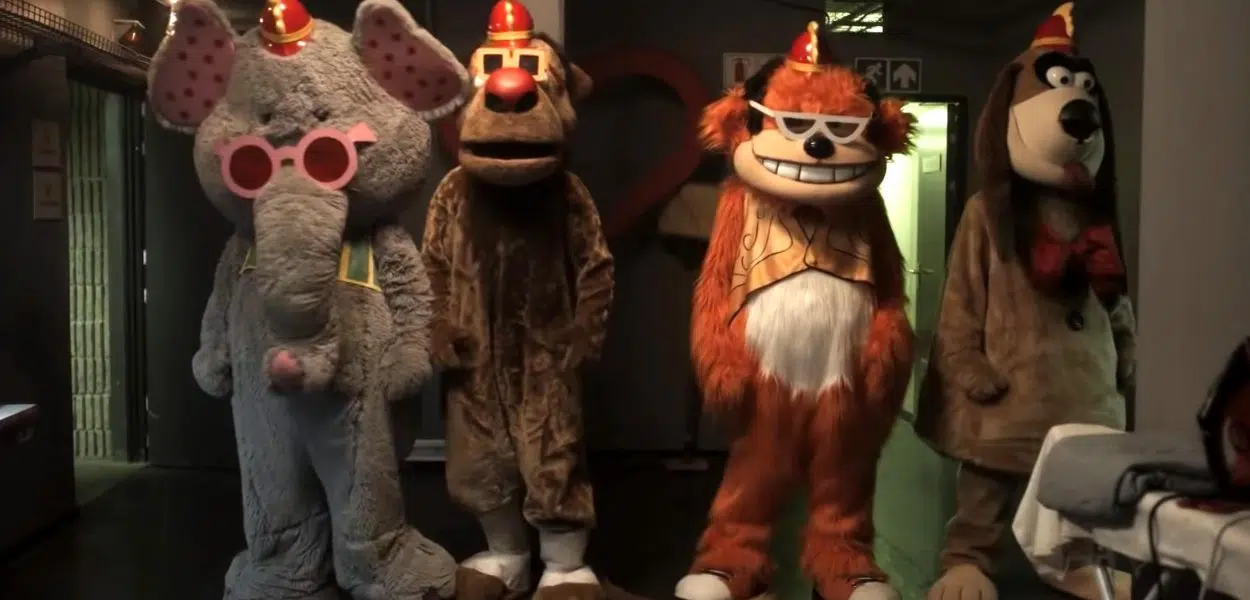
“Esterhazy’s direction is consistently flat and uninspired given the nonstop opportunities for twisted weirdness, but the failure of ‘The Banana Splits Movie’ can be pinned almost entirely on the sawdust-packed script…”

“While ‘High Flying Bird’ may seem uneven at first glance, one has to appreciate that Soderbergh directly addresses controversial societal topics that always touch a nerve in America.”
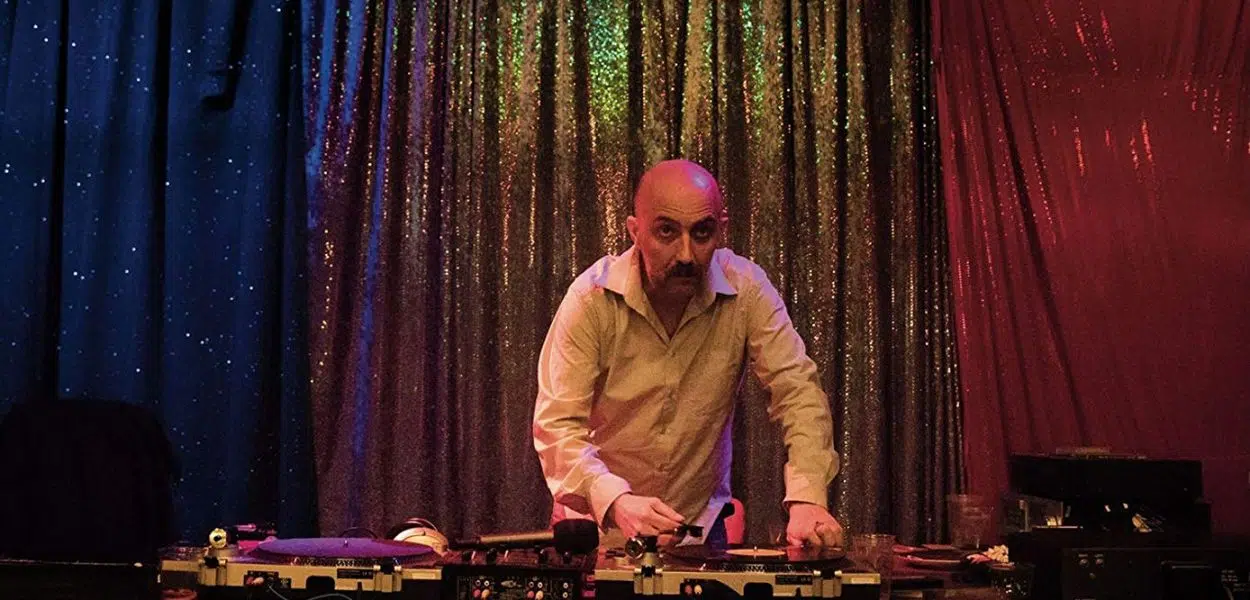
“Noé’s work has always been concerned with errant self-expression, what happens when we are wrenched from sensation and how we adjust to the comedown.”
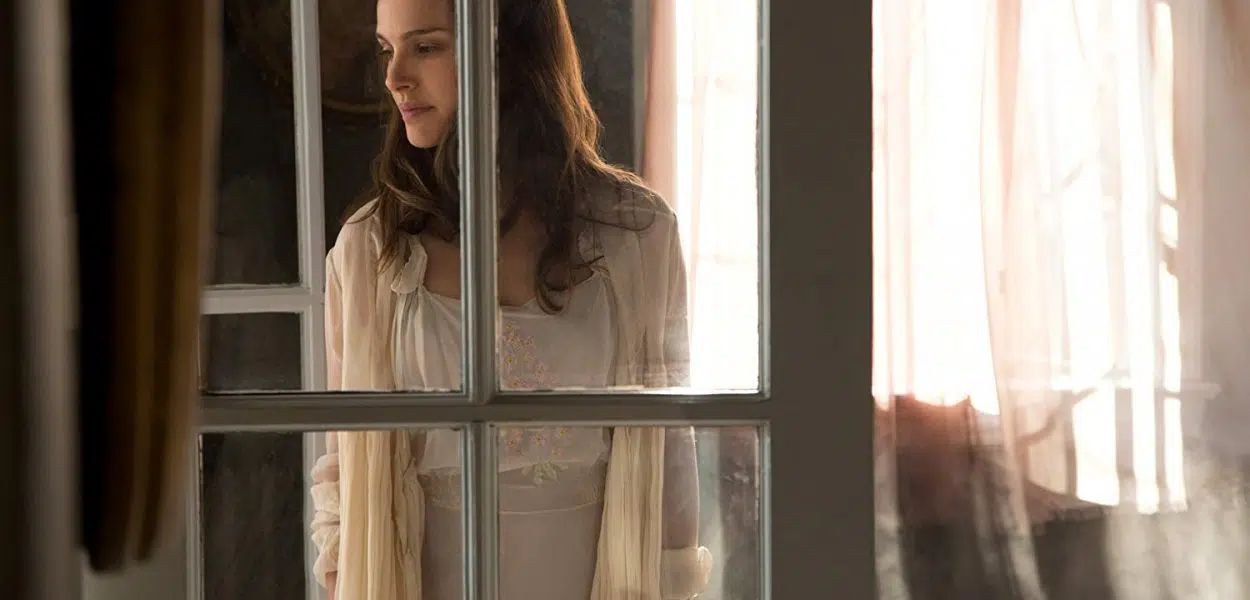
“In Malick’s effort to capture the alienation that accompanies modernity, in his contemporary-set films, he ultimately achieves a similar alienation cinematically.”