TIFF 2019 Review: On the Spiritual Strivings of Trey Edward Shults’ ‘Waves’
“For a story that engages with tough, thorny questions of redemption and reconciliation, it’s a welcome development to have a filmmaker look upwards, not inwards.”

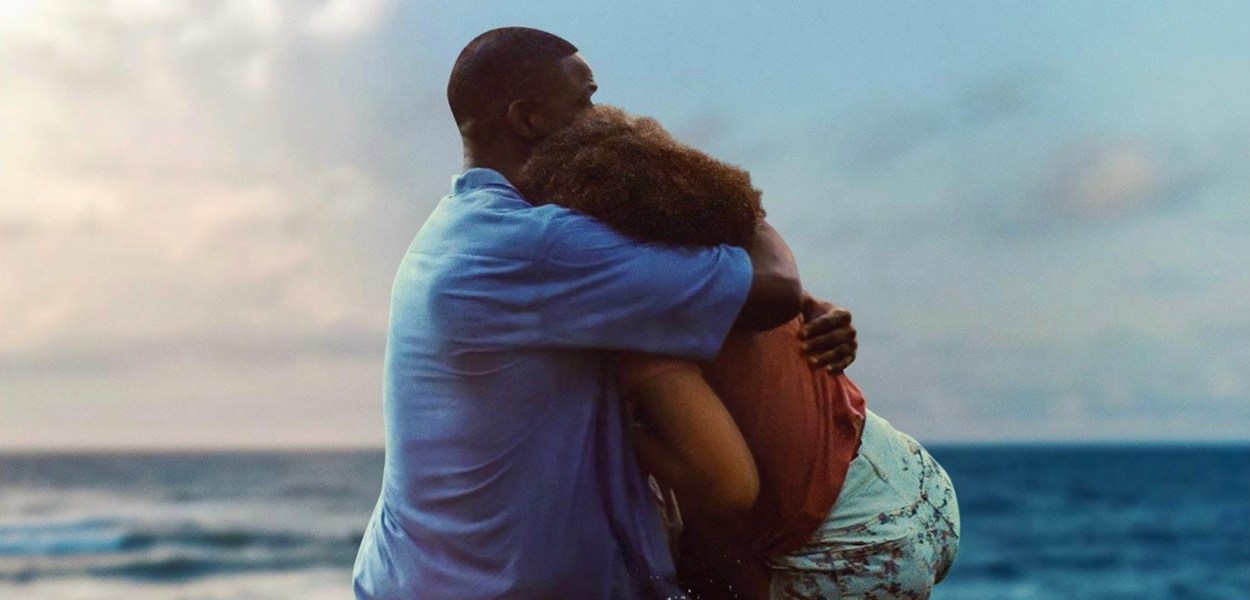
“For a story that engages with tough, thorny questions of redemption and reconciliation, it’s a welcome development to have a filmmaker look upwards, not inwards.”
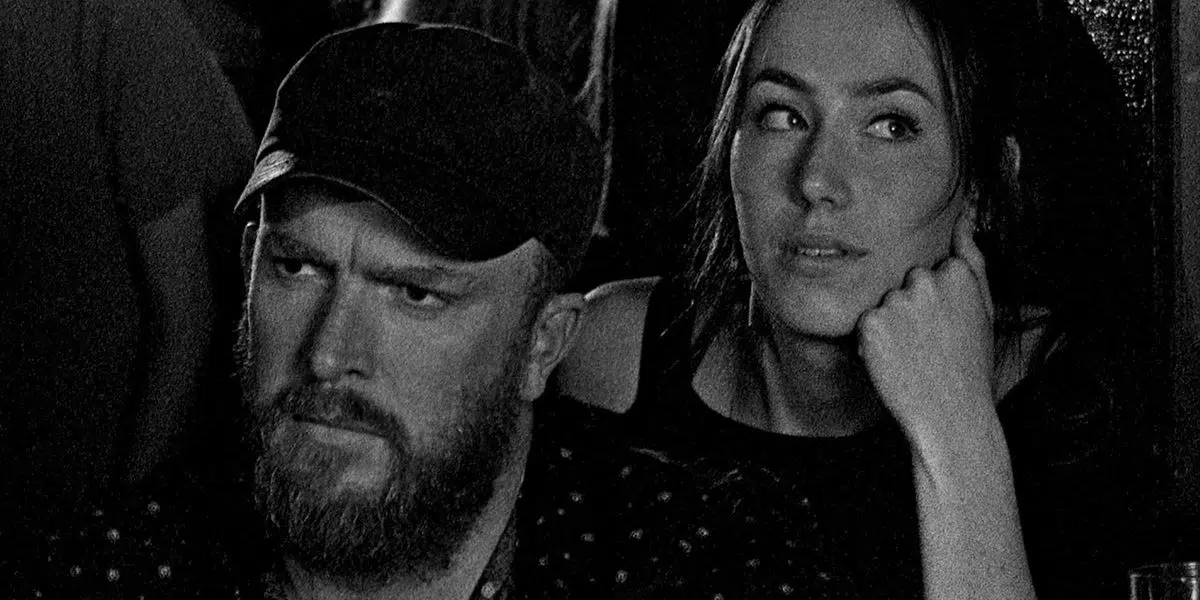
Bait Movie Interview: Vague Visages’ Jim Ross discusses the 2019 drama film with writer-director Mark Jenkin.

“While ‘High Flying Bird’ may seem uneven at first glance, one has to appreciate that Soderbergh directly addresses controversial societal topics that always touch a nerve in America.”
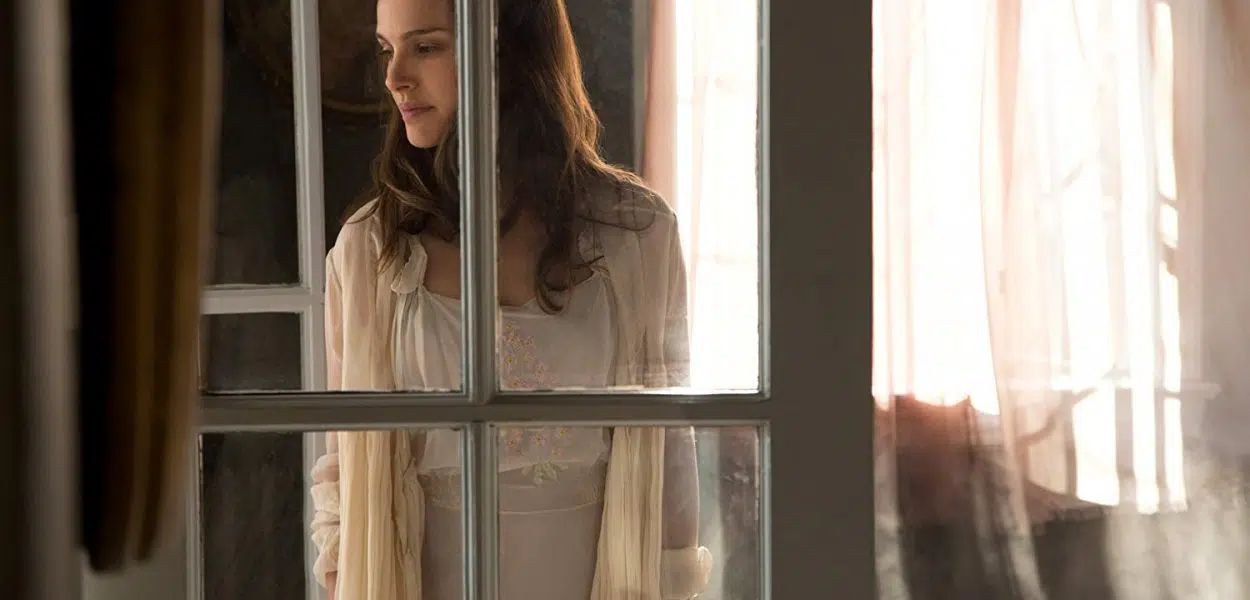
“In Malick’s effort to capture the alienation that accompanies modernity, in his contemporary-set films, he ultimately achieves a similar alienation cinematically.”
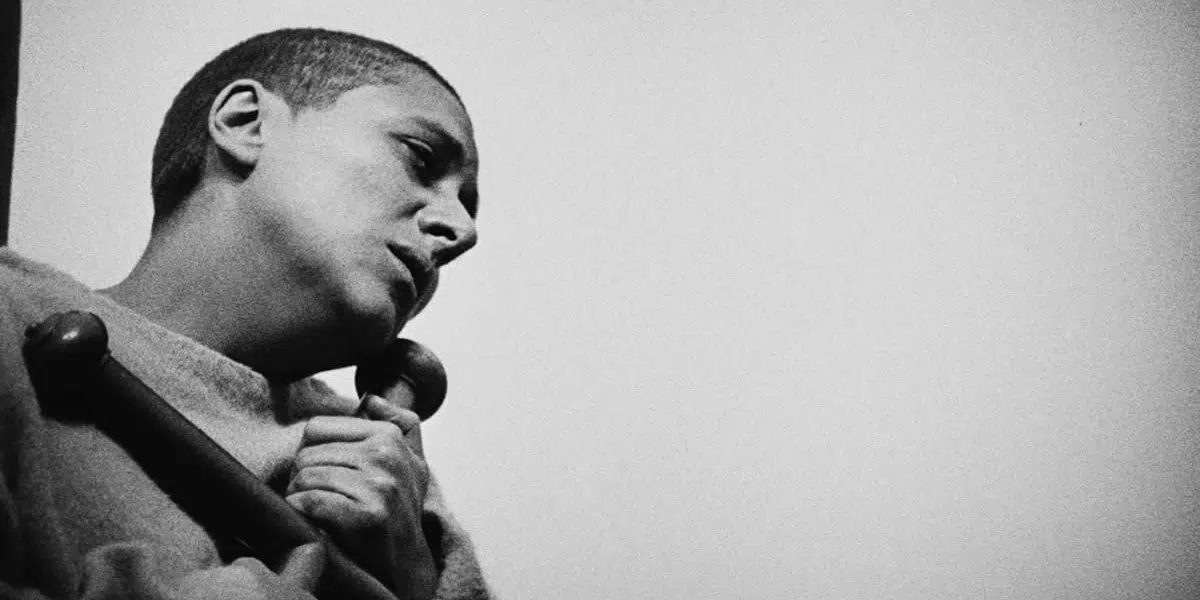
“Today, what survives is a film of exquisite poise, of fleshly tenderness against concrete cruelty, an evocative warmth against the coldness of Joan’s formidable suffering.”

“An efficient script and commanding central performance from Sarah Bolger produce a memorable film with mostly intelligently drawn characters.”
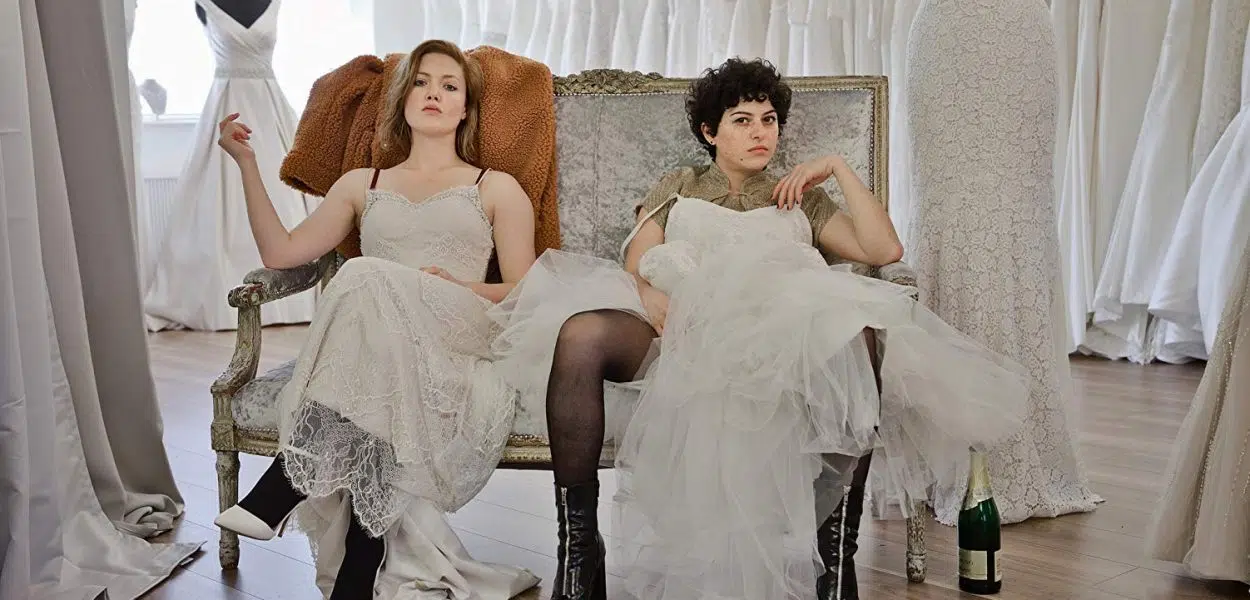
“‘Animals’ doesn’t definitively answer it’s feminist question. I’m glad it doesn’t. Rather than making a film about the merits of giving up drink or ditching the guy, Hyde navigates somewhere far more raw.”

“What is most harmful here is attaching the concept of re-gained femininity to makeup and fancy earrings. There shouldn’t be any need for a knight in shining armour to come to the heroine’s rescue.”

weet, Sweet Lonely Girl Movie Essay: Logan Kenny on A.D. Calvo’s 2016 film starring Quinn Shephard and Susan Kellermann.
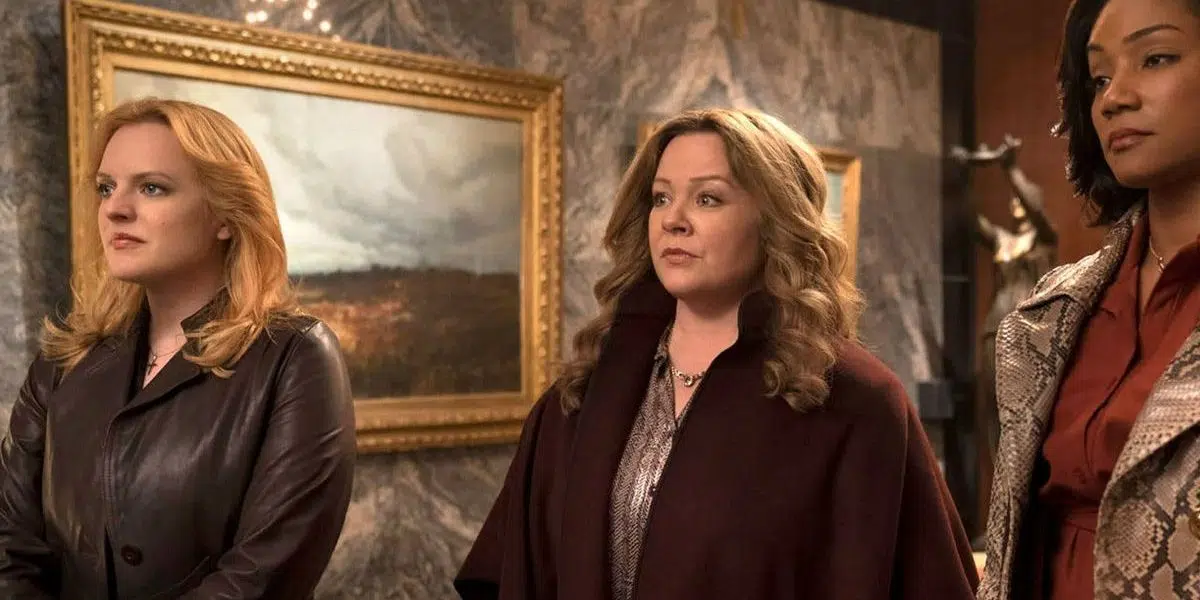
“The Kitchen fares so much better when read as a kind of self-aware meta-narrative of the gangster film, and an examination of Berloff’s construction of the men is one argument for why this rare, female-helmed genre piece deserves a second look.”

“Refusing to look down on their characters, Kazakova and Mileva effectively portray disillusion by relying on familiarity and recognition to bring the marginalised closer.”
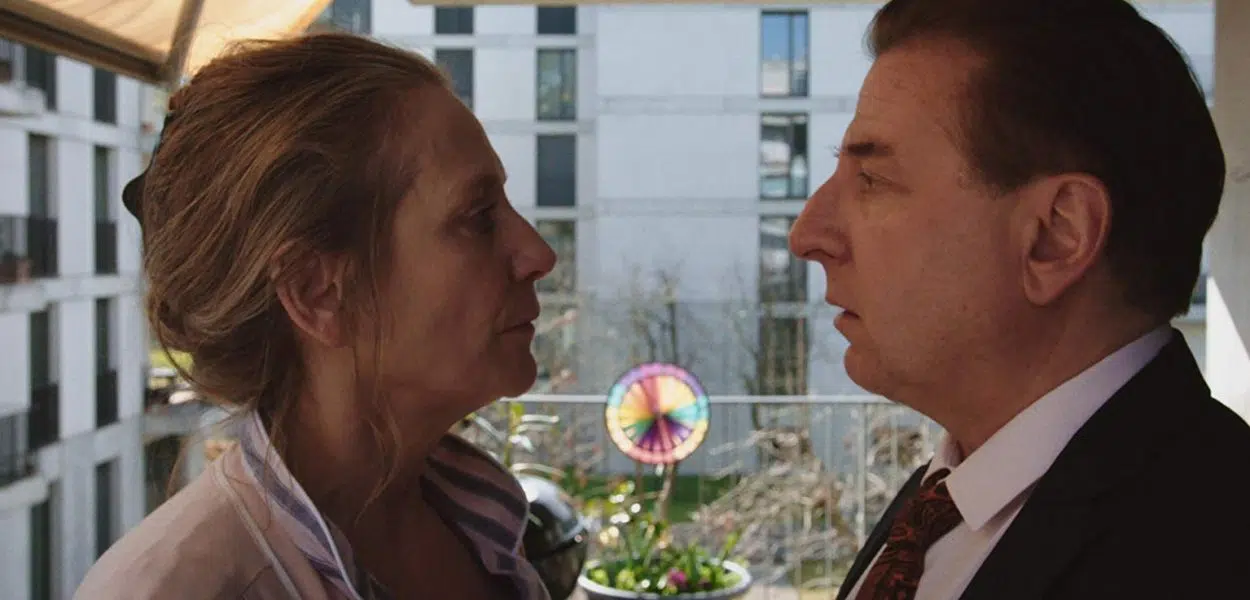
“‘Parents – Wir Eltern’ is an imminently likeable movie, but frustrating for the insurmountable reach of its ambition.”
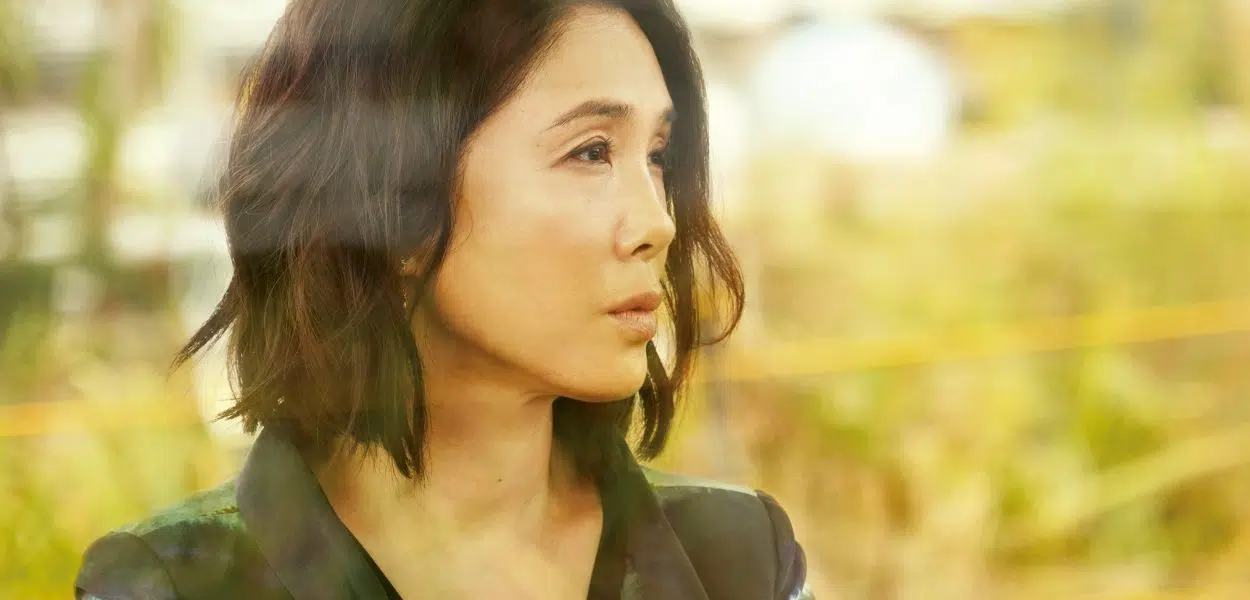
“While some metaphors seem rather self-explanatory, Fukada effectively develops a multifaceted character by transforming Ichiko from a collateral victim into an accomplice. ‘A Girl Missing’ highlights the importance of knowing when to speak up and when to stay silent.”
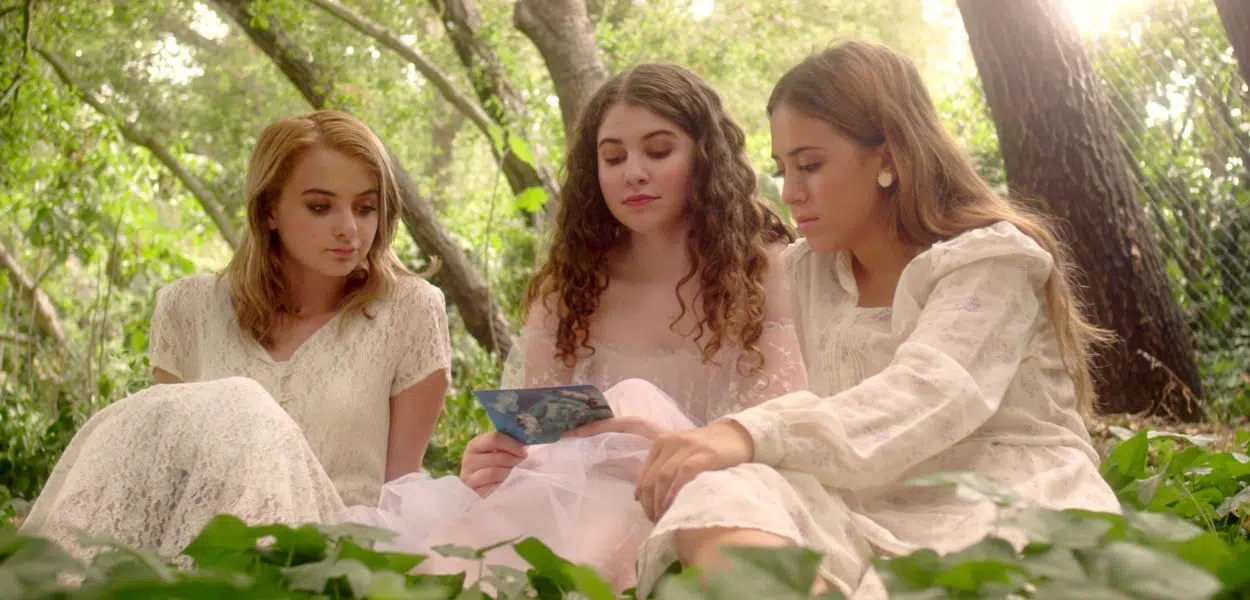
“‘Ham on Rye’ has an inescapably student film-y vibe, a bit like a wannabe Richard Linklater joint but without any of the ambition, grit or intelligence.”

“‘The Hill’ charts a path forward for Lumet’s justice films, which increasingly depart from the idealism of ’12 Angry Men’ and reckon deeply with the justice system’s contradictory, irreconcilable principles.”

“Writer-director Lulu Wang finds inventive ways to freshen up the terminal cancer tale in ‘The Farewell,’ a worthwhile diversion to so much summer blockbuster fare.”

“A sense of restlessness began to be addressed tentatively, and was confronted with increasing boldness as the decade progressed. Battles were being waged on multiple fronts of this unacknowledged war, claims were being sought from historically neglected constituents.”
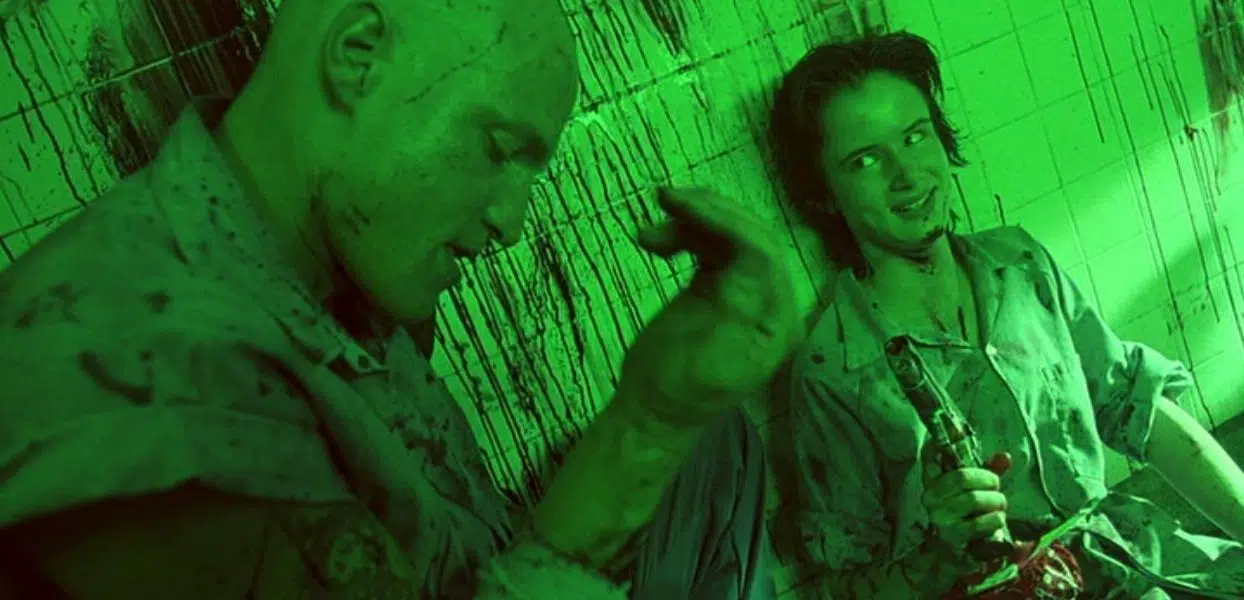
“While it might be easy to assume that films like ‘Natural Born Killers’ and ‘Funny Games’ simply demonise their audiences as wanting the thrill of violence without thinking about the consequence of it, the films instead ask questions, instead of only providing answers.”
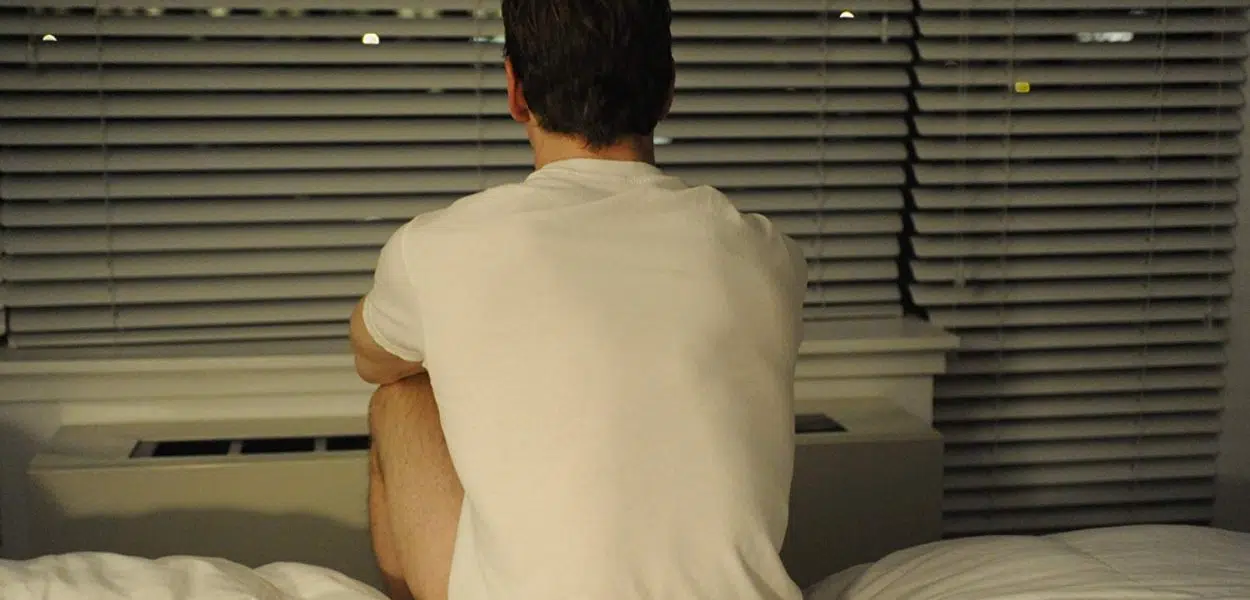
“In an era of ever constant loneliness, where many people feel cut off from the human race, regardless of social media profiles or followers, ‘Shame’ feels as vital now as it did in 2011.”

“Fathers make sense when we can reduce them to symbols, but the actual business of parenting is so defined by ‘feminine’ qualities — emotional openness, compassion, gentleness, patience — that we often struggle to correlate them with a father figure.”