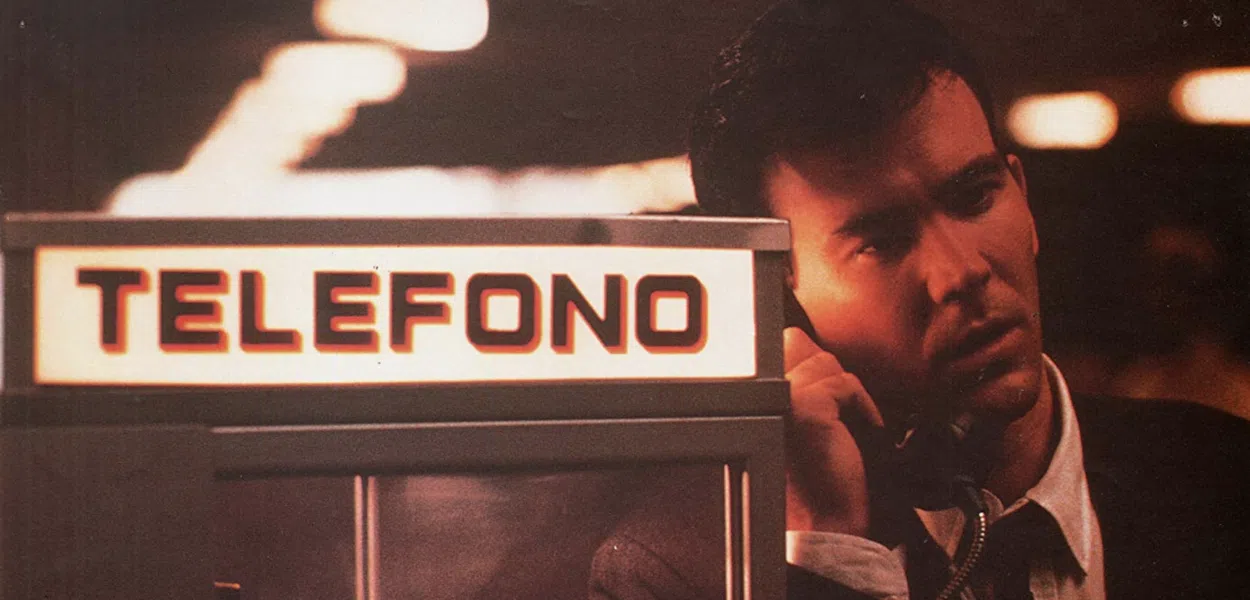
“The thrill of a film like ‘Q & A’ comes in watching how Lumet finds new ways to level his criticisms, harnessing the cynicism that has propelled his work and suffusing each frame with deep, corrupting rot.”
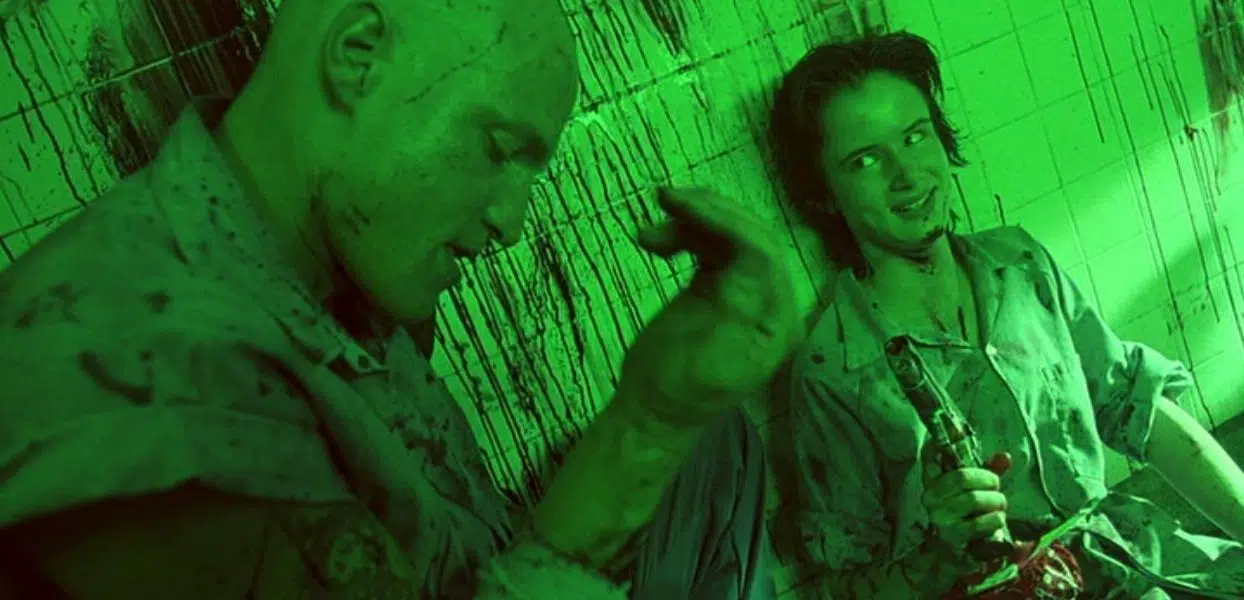
“While it might be easy to assume that films like ‘Natural Born Killers’ and ‘Funny Games’ simply demonise their audiences as wanting the thrill of violence without thinking about the consequence of it, the films instead ask questions, instead of only providing answers.”
“Fathers make sense when we can reduce them to symbols, but the actual business of parenting is so defined by ‘feminine’ qualities — emotional openness, compassion, gentleness, patience — that we often struggle to correlate them with a father figure.”
“‘The Blair Witch Project’ isn’t a horror film experience on par with ‘The Exorcist’ or ‘The Shining,’ but that’s not a fair comparison. It’s an experience all its own.”
“‘Je te tiens’ connotes a representation of the conversation that exists between the inner contextual world of a film and the overarching art of filmmaking itself.”
“Imagine the largest film-producing nation in the world. Now imagine that nation, with more than one 100 years of film history and a global audience in the billions, being conspicuously absent from the single most prestigious and prominent film festival in the world.”
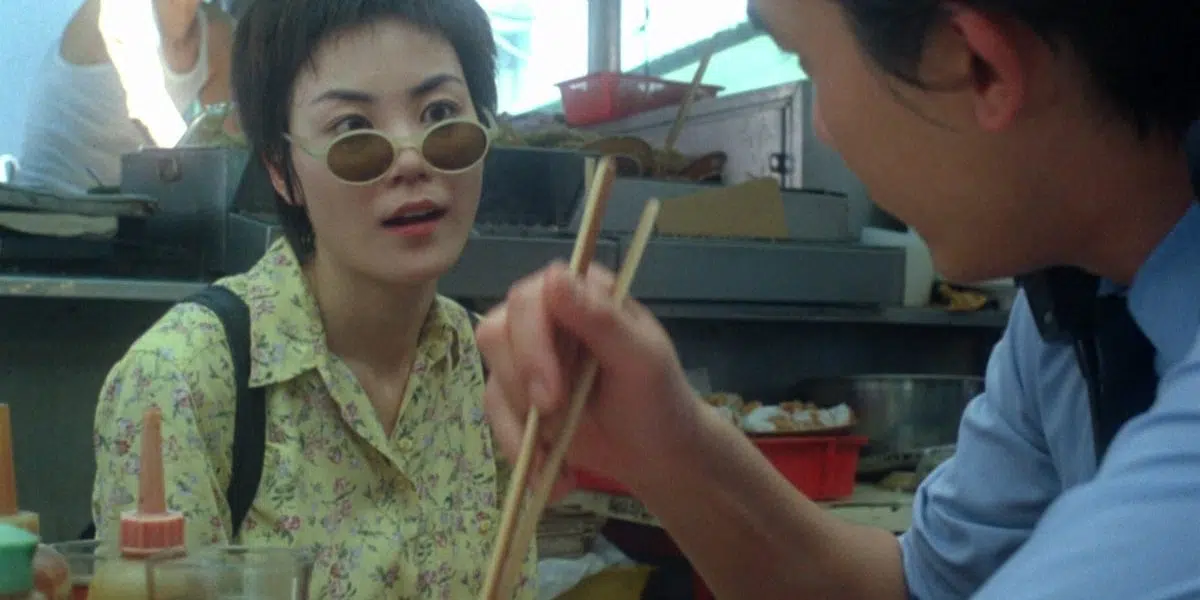
“Food, particularly junk food, plays a large role in ‘Chungking Express’ by signifying the type of sweet but ultimately fleeting connections (and self-doubt) that occur so frequently for the characters in the bustling Chungking Mansions.”
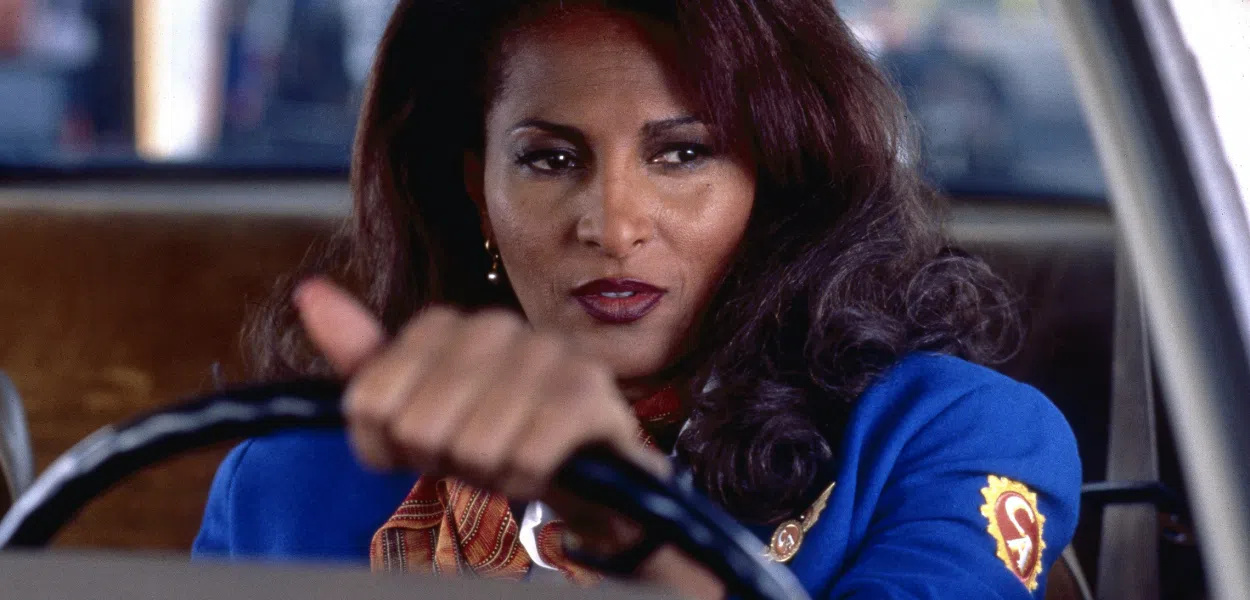
“While ‘Jackie Brown’ does revel in nostalgia and feature its fair share of firearms, it’s a much more subdued, nuanced and mature film than any of Tarantino’s previous works, or any other production within his entire filmography.’
“By viewing a family over three generations, the audience can see patterns that the characters themselves cannot, and then see patterns in their own lives as well, hopefully.”
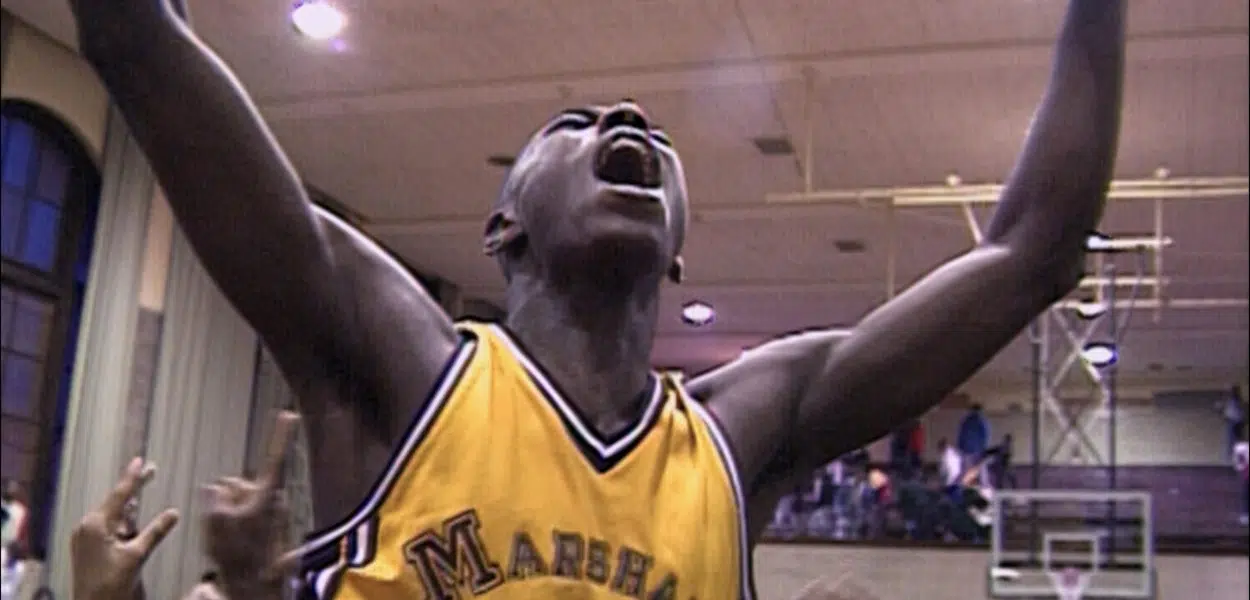
“As much as ‘Hoop Dreams’ concerns the sports-centric plight of William and Arthur, it is perhaps even more significantly an illustrative case study of what perpetually imperils men (and women) of a certain social, economic and racial constitution.”
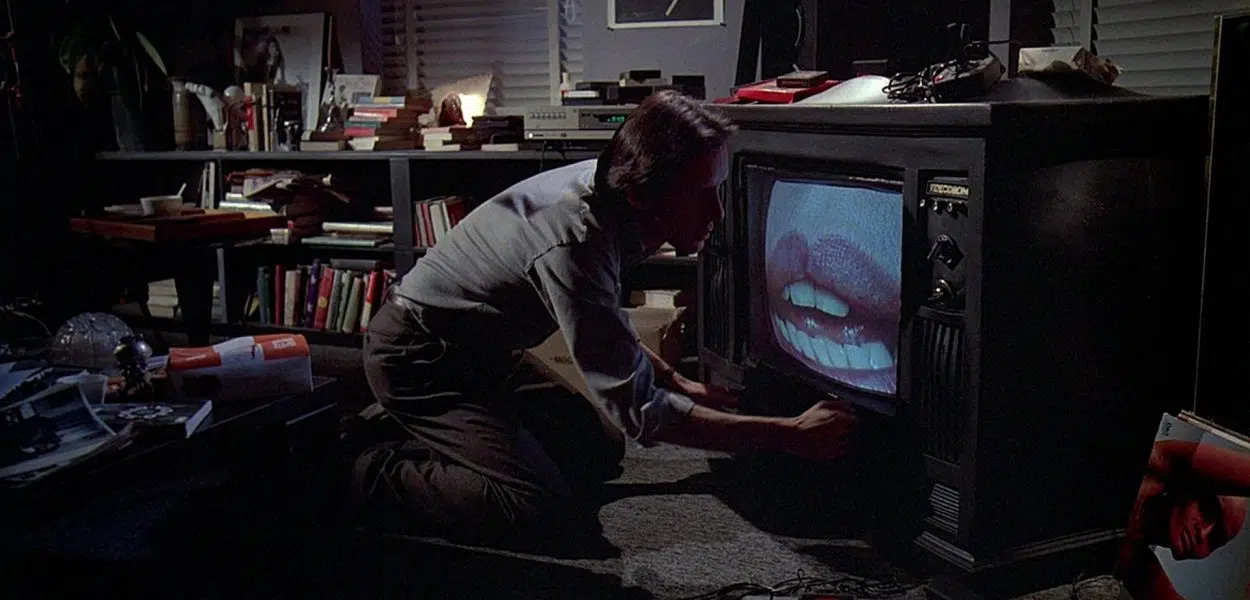
“‘Benny’s Video’ implicates us, the audience, for watching. Haneke chides the spectators, removed from the action by a screen, for their inability — or perhaps their unwillingness — to stop the violence.”
“Identity, like meaning in ‘Dekalog,’ is delivered piecemeal. Do immediate deeds define a person, or are these characters more than what they do in any given episode?”
“‘Princess Mononoke’ explores the gaping chasm between nature’s gentle acceptance of circumstance and humanity’s steadfast refusal to quietly accept death.”
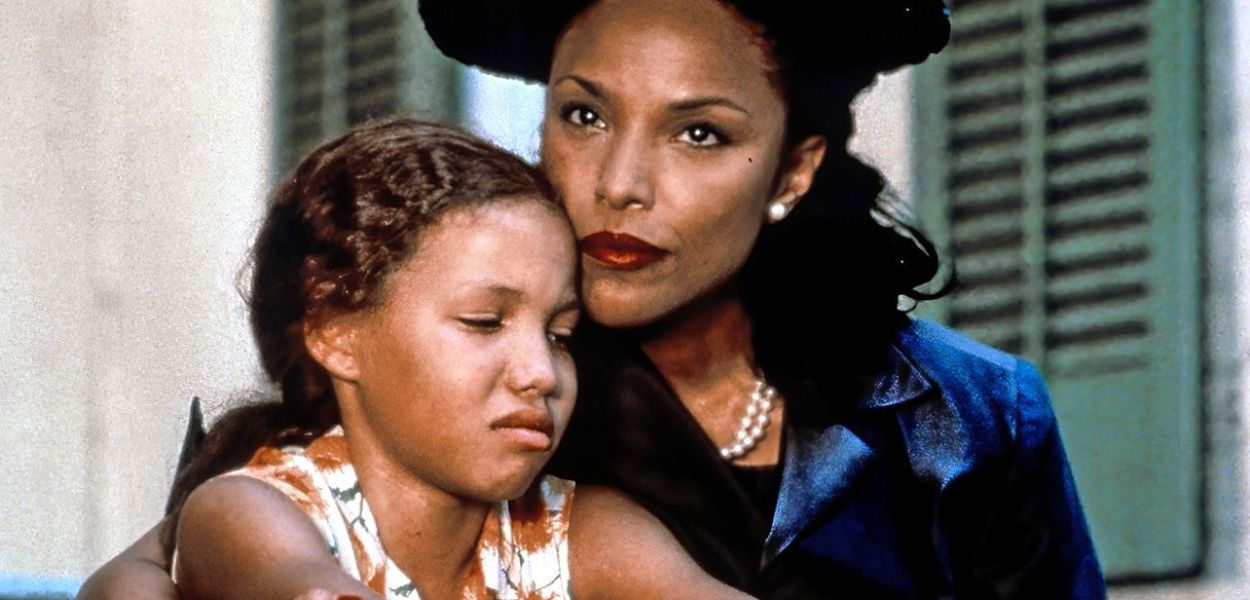
“‘Eve’s Bayou’ is like a living poem, deftly exploring the way memory can both comfort and haunt us, long after the actual wounds of our tragedies heal.”
“As Bridget Gregory in ‘The Last Seduction,’ Linda Fiorentino is like the shock of hearing a gunshot in the dead of night. She embodies, more than any other character, the ethos of the modern femme fatale.”