Review: Alice Waddington’s ‘Paradise Hills’
“One can’t help but wonder how Waddington might reinvigorate other sci-fi tales with her fairy tale stylings.”

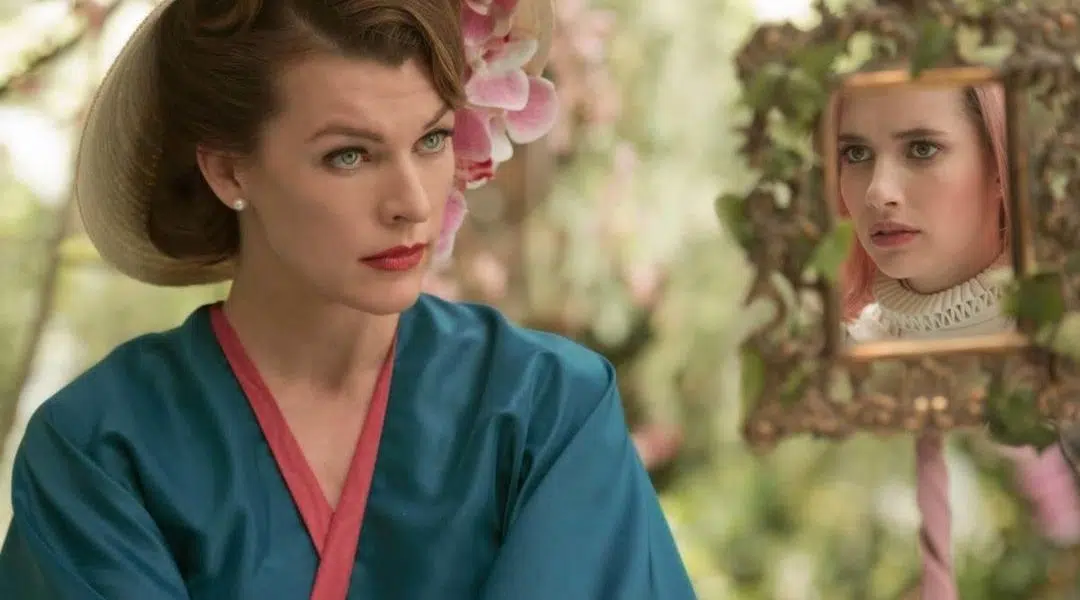
“One can’t help but wonder how Waddington might reinvigorate other sci-fi tales with her fairy tale stylings.”
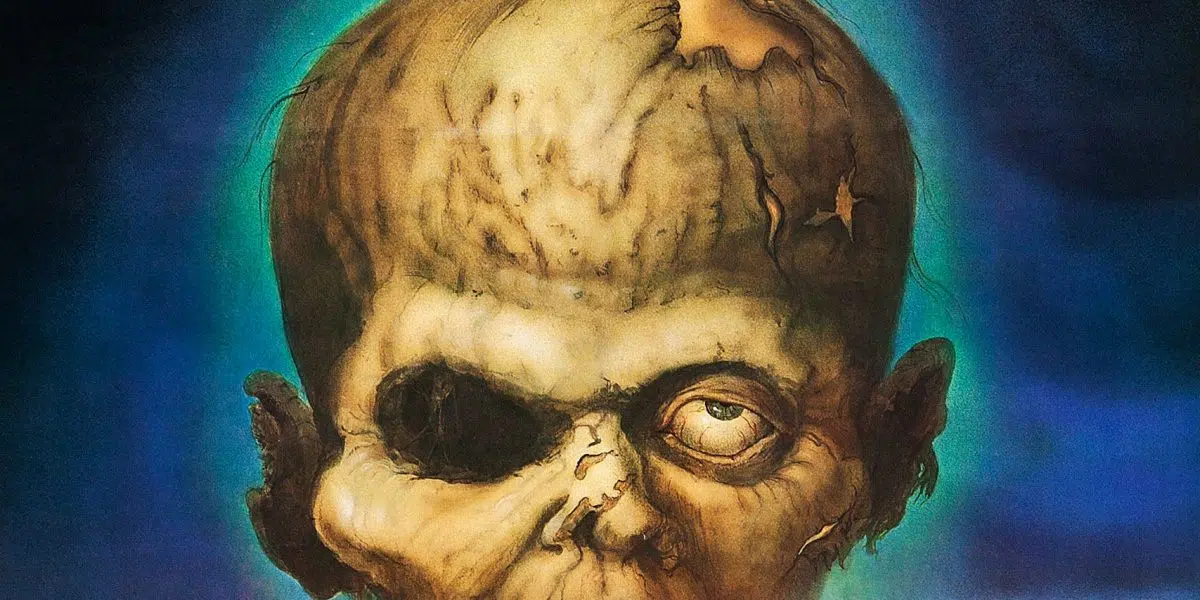
“This is a world where faith, governments, businesses, families and the other institutions humans have built will all crumble, just like human bodies, which will inevitably succumb to their fragility and fall victim to total destruction.”

“What allows Cattet and Forzani’s films to flourish is that they modify cinematic influences to accommodate today’s instant gratification culture.”
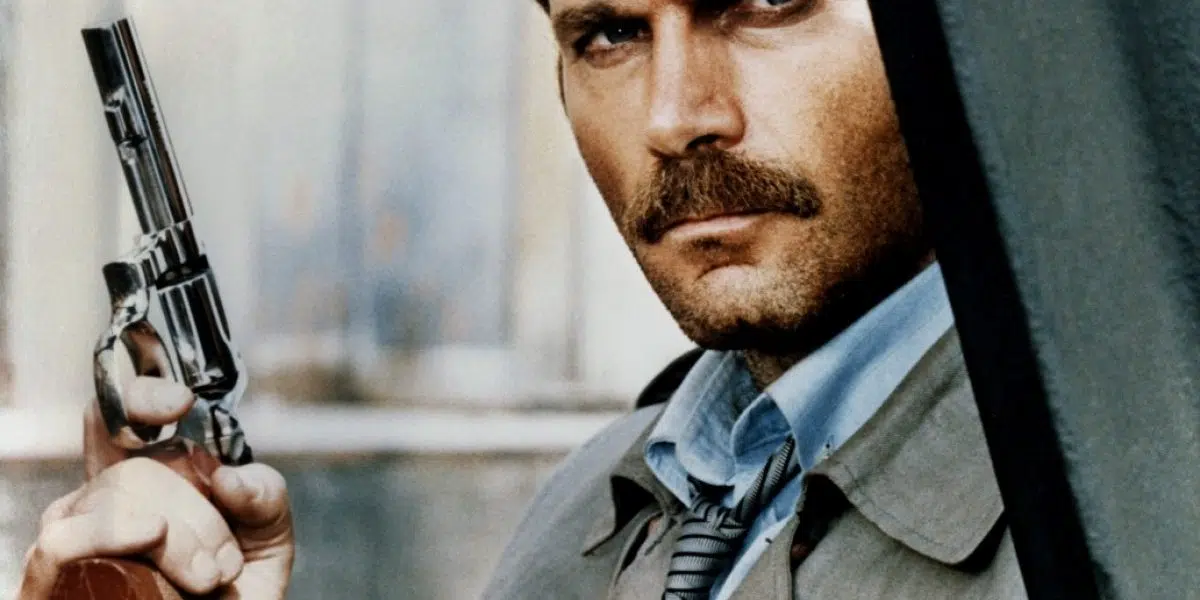
“Though the polizieschi may seem far away from the quiet nobility of the Neorealist films, with all their sober-minded social critique, they are bound together by the privileging of the real world.”
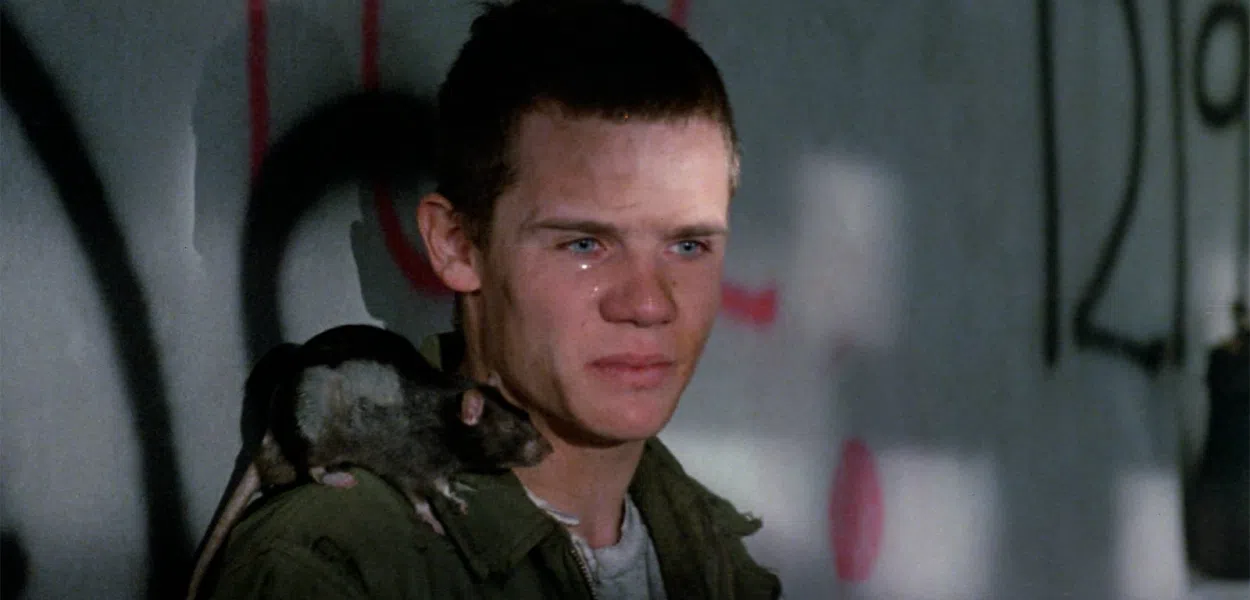
“‘Suburbia’ is a punk classic not just because it deeply understands and empathizes with its culture – the music, the violence, the clothes, the often-jarring lack of political sophistication – but because it understands something important about punk’s place in society at large…”
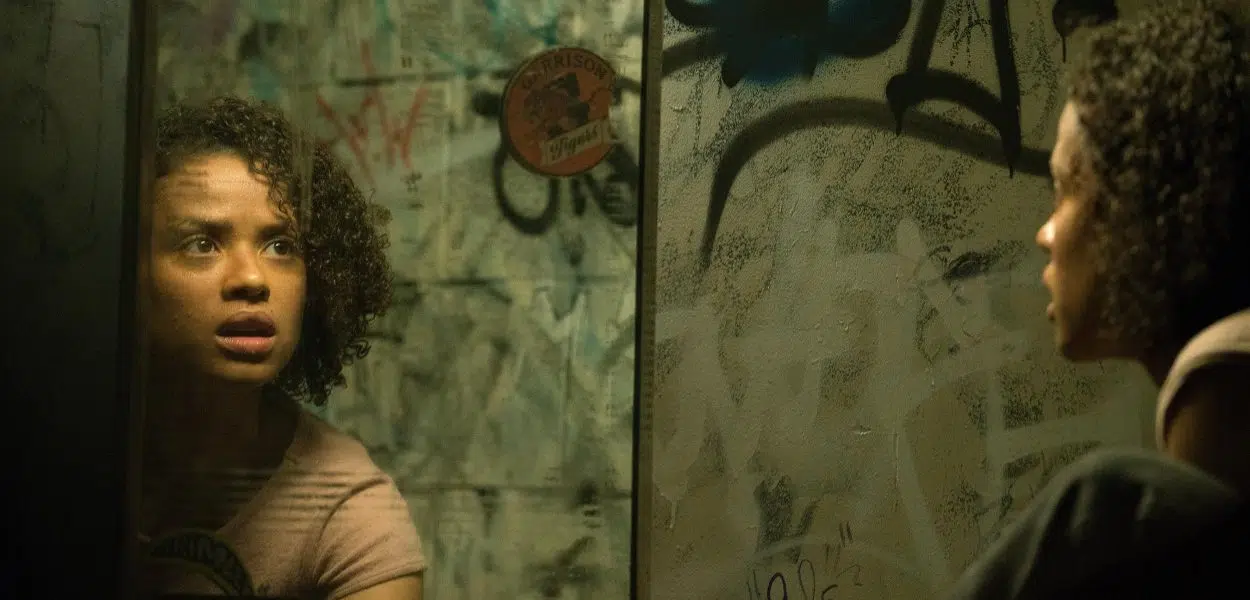
“‘Fast Color’ deserves a close look…”
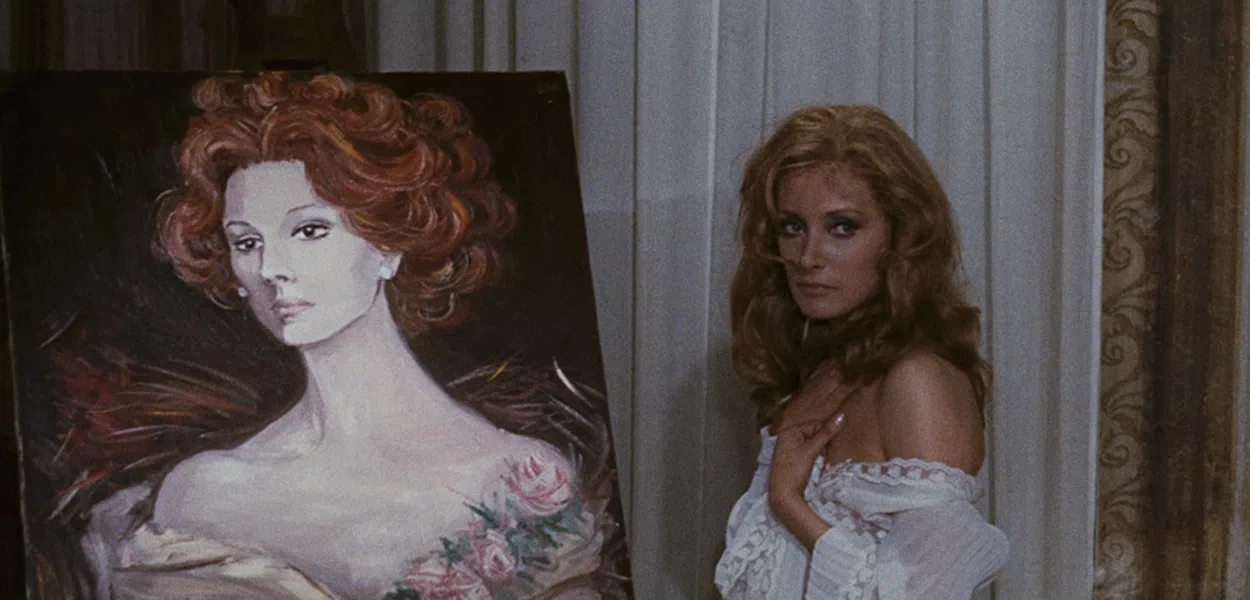
“Miraglia’s deliberate interweaving of castles and glimmering blades taps into the one element that both Gothic and giallo art share: the ability to taffy-pull delight from terror. Both Poe and Bava would tip their hats.”

“Rob Grant’s ‘Harpoon’ exudes all the sly confidence of a well-prepared and half-in-the-bag wedding table orator.”
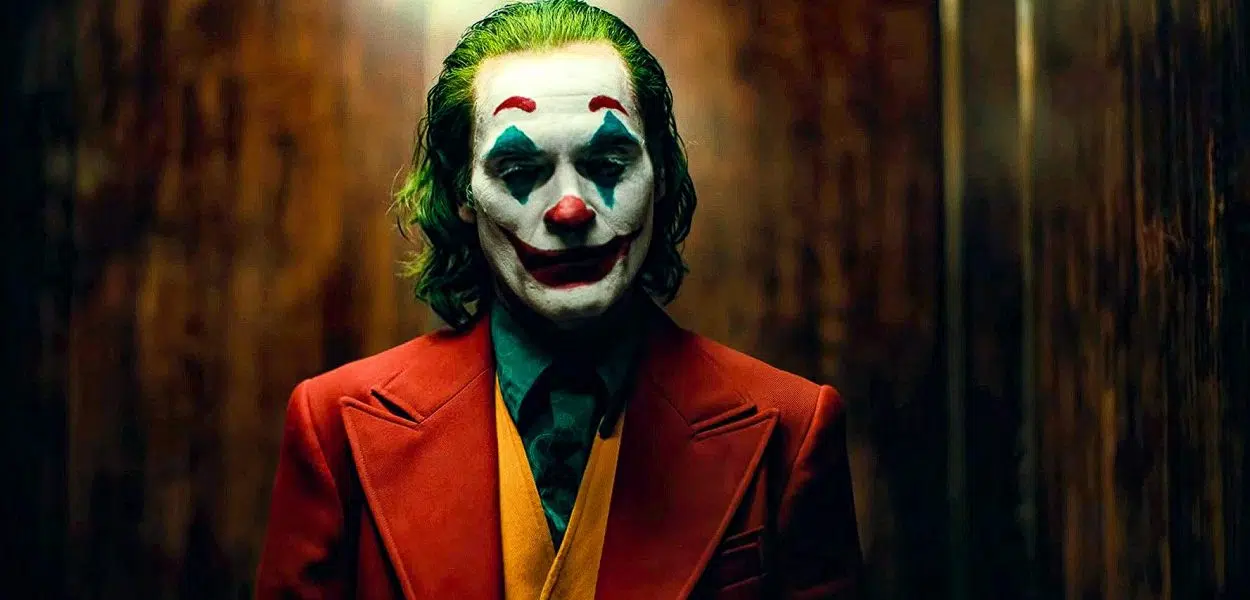
“‘Joker’ is what so many controversial films turn out to be: it’s fine — neither masterpiece nor trash fire, well-executed in some parts and poorly thought out in others.”
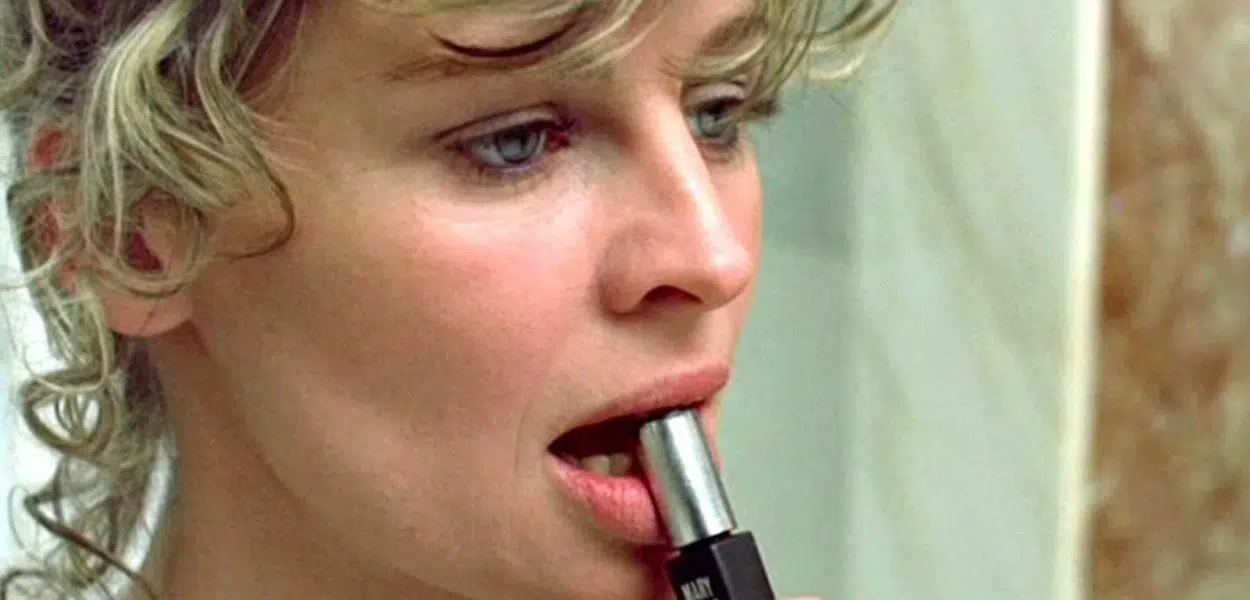
“‘Don’t Look Now’ stands as one of the best iterations of the giallo film. It takes the best elements of the commercialized Italian psycho-thriller and presents them with a Hitchcockian flair.”
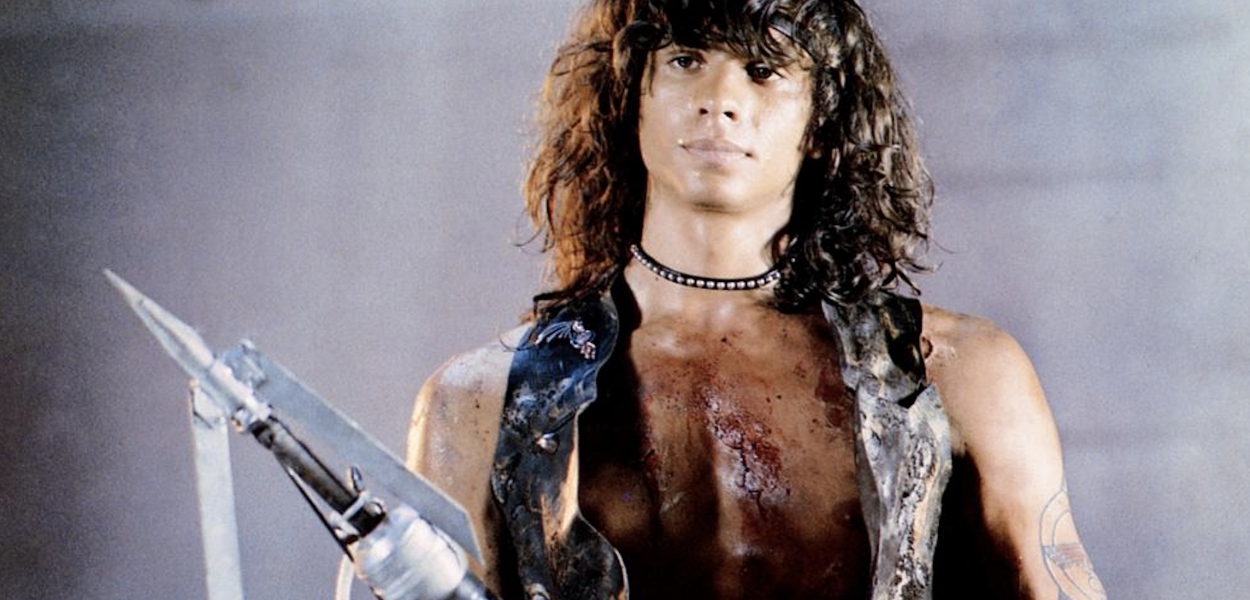
“Exploitation filmmakers like Castellari treat other films like air just waiting to be breathed in. Theft, plagiarism, remix, citation, reference — to these exploiters, they are all the same thing. Everything, these films suggest, belongs to all of us.”
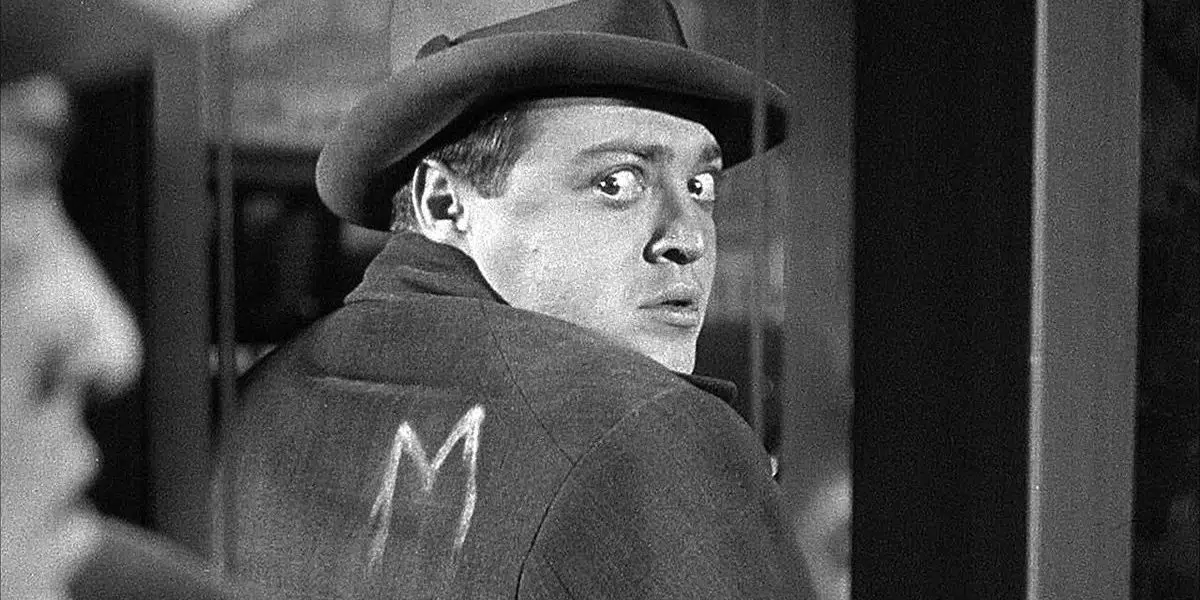
“Lorre brought to his strangers the psychological wounds carried by the exile.”

“By experiencing Almodóvar’s films as the product of a man whose view of the world is deeply affected by a variety of nagging medical concerns, only a few late period works thoroughly scratch under the surface of his psyche.”

“‘The Box’ elevates the daily minutiae of capitalist cruelty into the science fiction moral framework of a ‘Twilight Zone’ yarn.”

“‘Parasite’ takes a left turn that’s so hard yet so appropriate that it’s like watching a spectacularly executed high wire act.”

“For a filmmaker usually so concerned with the social causes of injustice, ‘The Offence’ is remarkably focused on the troubled psychology of its central character.”
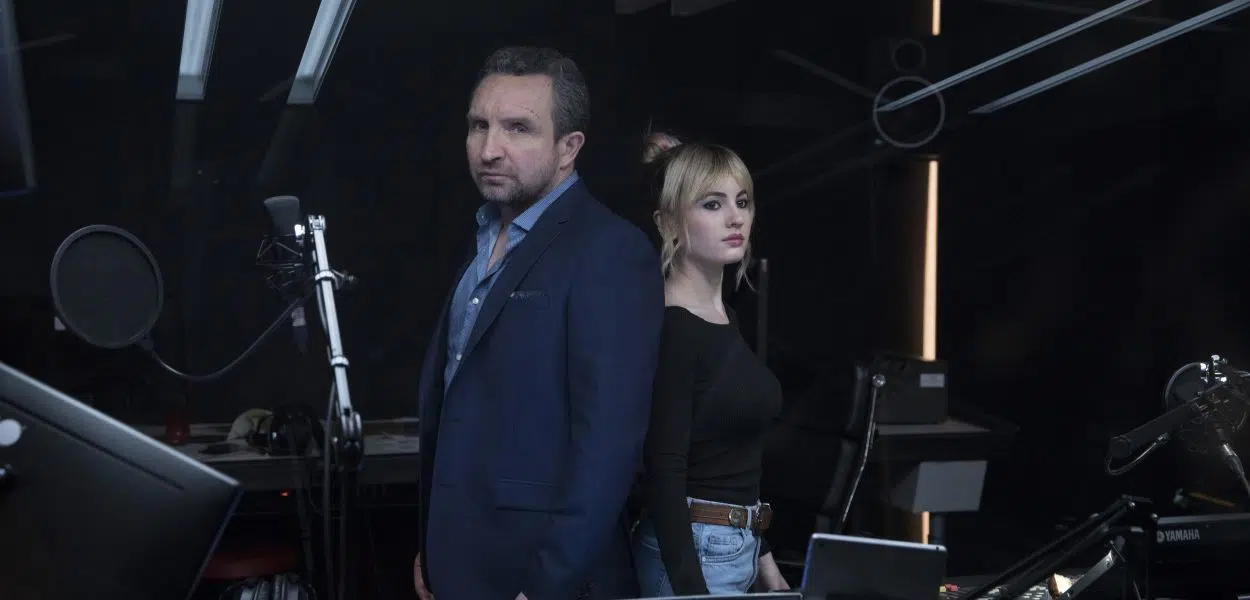
“From a technical perspective, ‘Feedback’ is extremely potent for long stretches. However, in aspiring to be relevant to current affairs, the film eschews effective simplicity for confused complexity.”
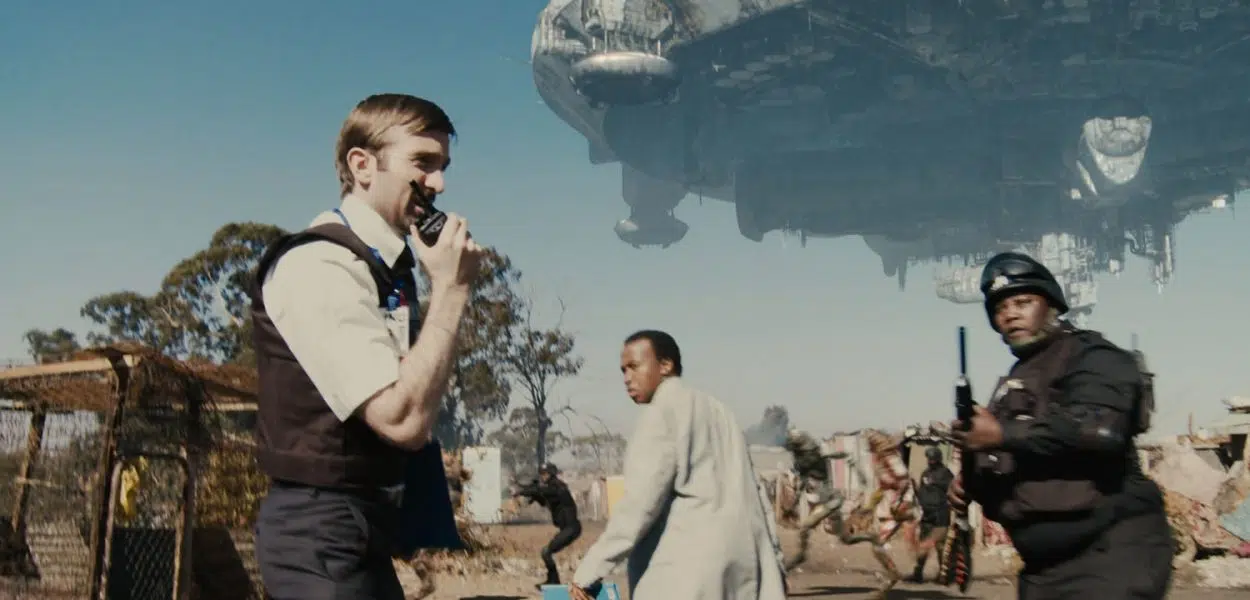
“‘District 9’ might not be a classic like ‘Alien’ or ‘The Terminator’ (not many films are), but it’s still an effective sci-fi film with depth and style.”
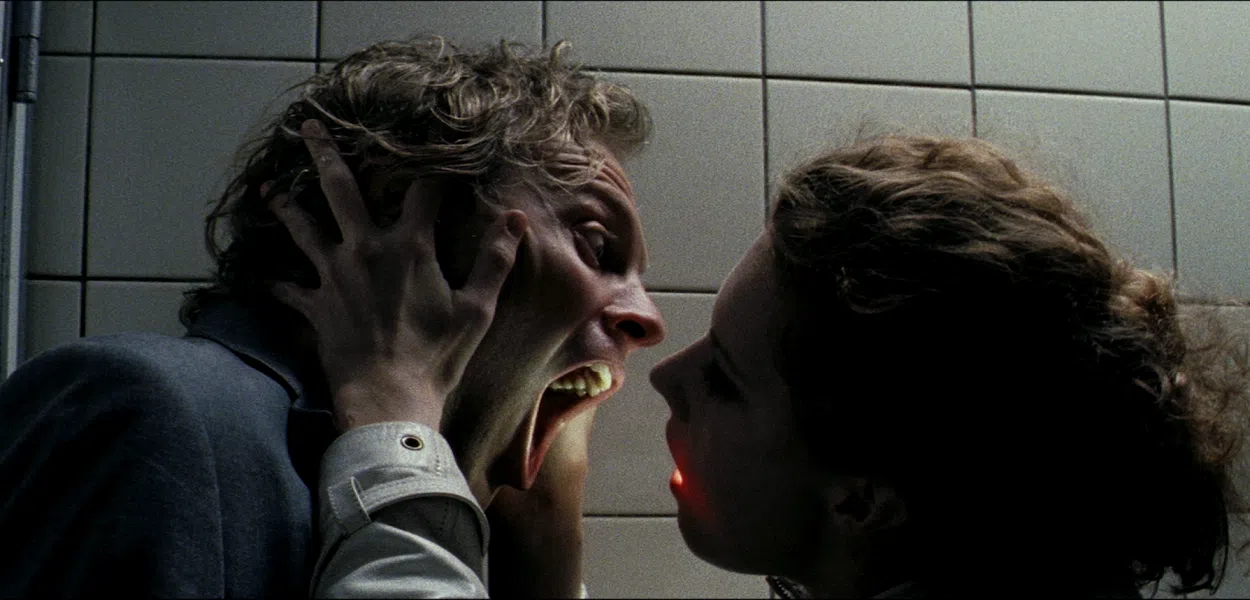
“‘Luz’ may be a distancing film, but it’s ultimately a fascinating and genuinely creepy one, forging as it does a bold new vision for the tired old demon possession movie, taking a cue from the demons of the subgenre and putting new life into its subject.”
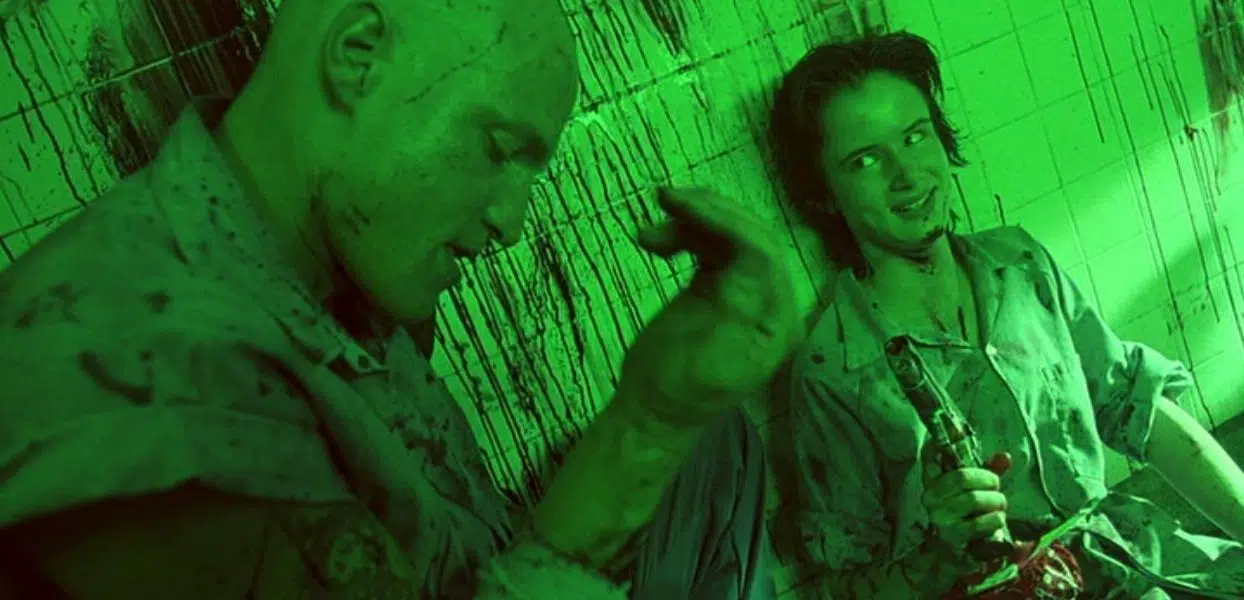
“While it might be easy to assume that films like ‘Natural Born Killers’ and ‘Funny Games’ simply demonise their audiences as wanting the thrill of violence without thinking about the consequence of it, the films instead ask questions, instead of only providing answers.”