Once Upon a Time in Tarantinoland: ‘Kill Bill’ Is a Visually Explosive Love Letter to Cinema
“All in all, ‘the 4th film by Quentin Tarantino’ is a wild, eclectic action movie with visual flair, great performances and personality up the wazoo.”


“All in all, ‘the 4th film by Quentin Tarantino’ is a wild, eclectic action movie with visual flair, great performances and personality up the wazoo.”
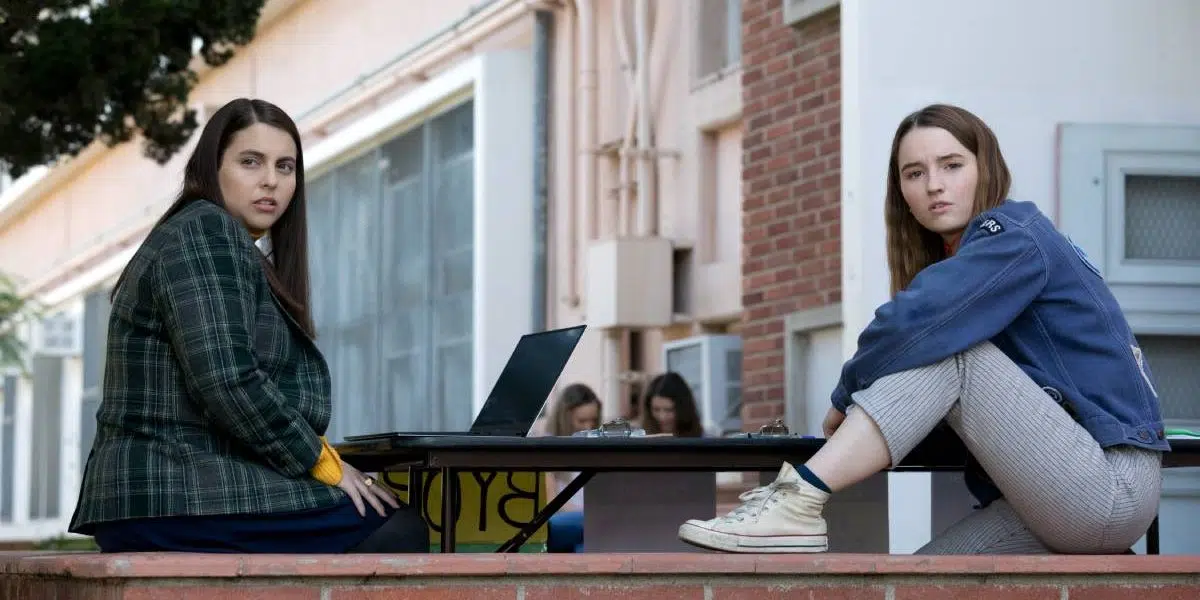
“You don’t have to be a queer teenage activist to relate to Amy, but imagine what ‘Booksmart’ might mean to those who have not seen themselves regularly represented on the mainstream screen.”
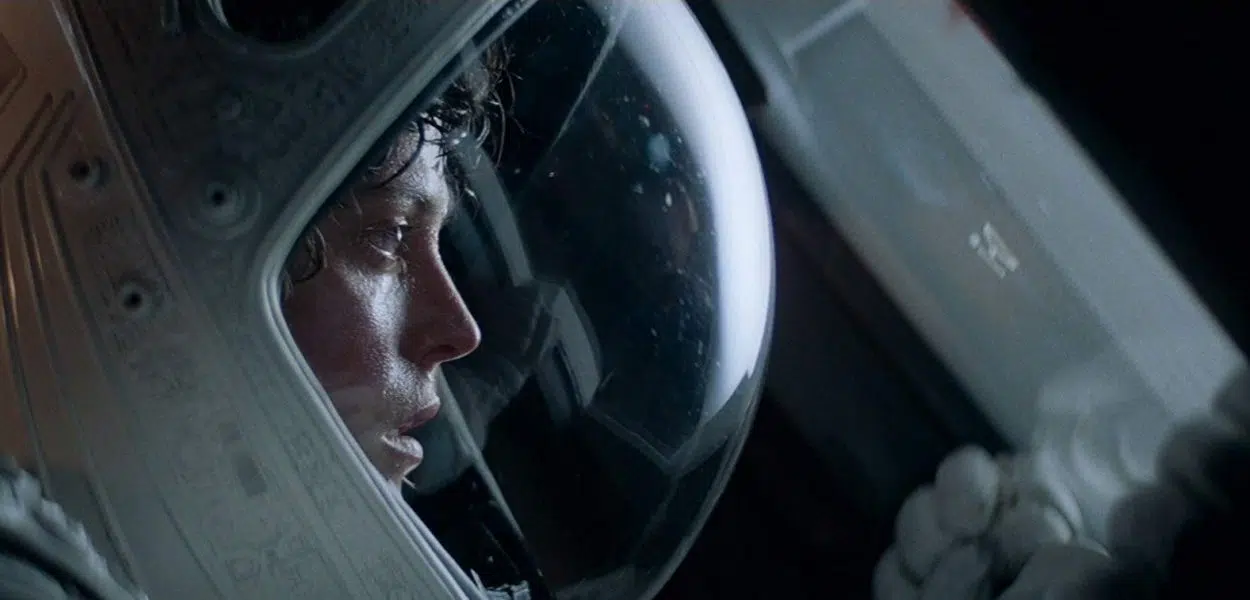
“If ‘Alien’ came out today, it’d likely be hailed as some sort of genius elevated horror/prestige sci-fi movie. It’s an engrossing, pulse-pounding thriller with brains and a unique and stunning visual style. Forty years later, ‘Alien’ remains one of the best sci-fi AND horror films of all time.”

“Imagine the largest film-producing nation in the world. Now imagine that nation, with more than one 100 years of film history and a global audience in the billions, being conspicuously absent from the single most prestigious and prominent film festival in the world.”
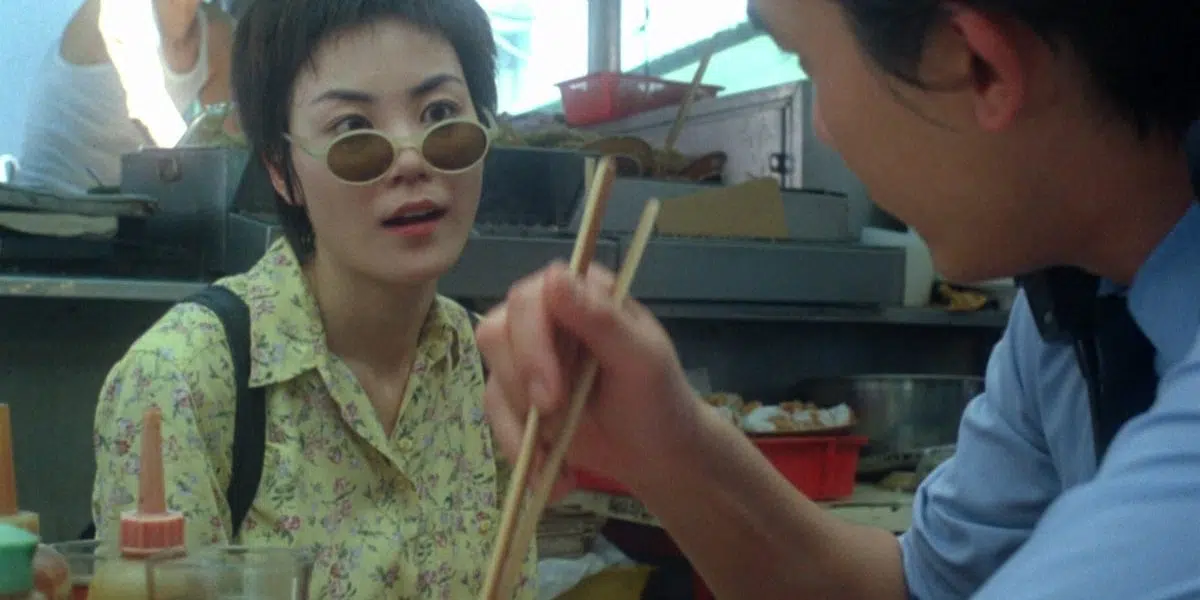
“Food, particularly junk food, plays a large role in ‘Chungking Express’ by signifying the type of sweet but ultimately fleeting connections (and self-doubt) that occur so frequently for the characters in the bustling Chungking Mansions.”
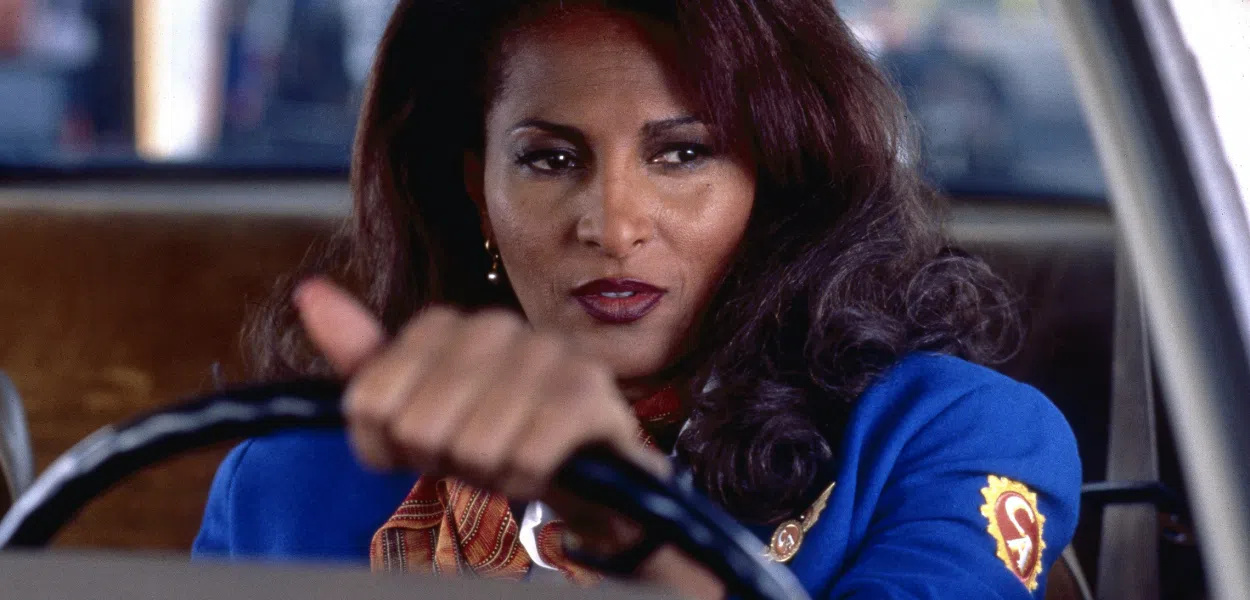
“While ‘Jackie Brown’ does revel in nostalgia and feature its fair share of firearms, it’s a much more subdued, nuanced and mature film than any of Tarantino’s previous works, or any other production within his entire filmography.’
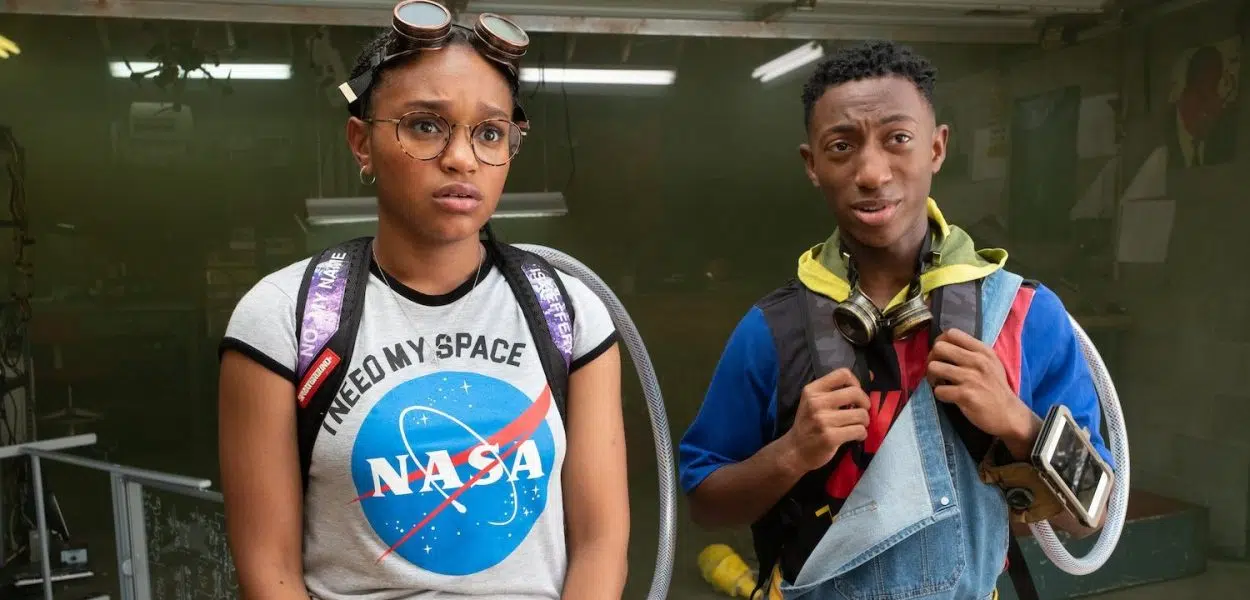
“One of the greatest pleasures of ‘See You Yesterday’ is that the challenges and complexities of the jumps get better as the story unfolds.”
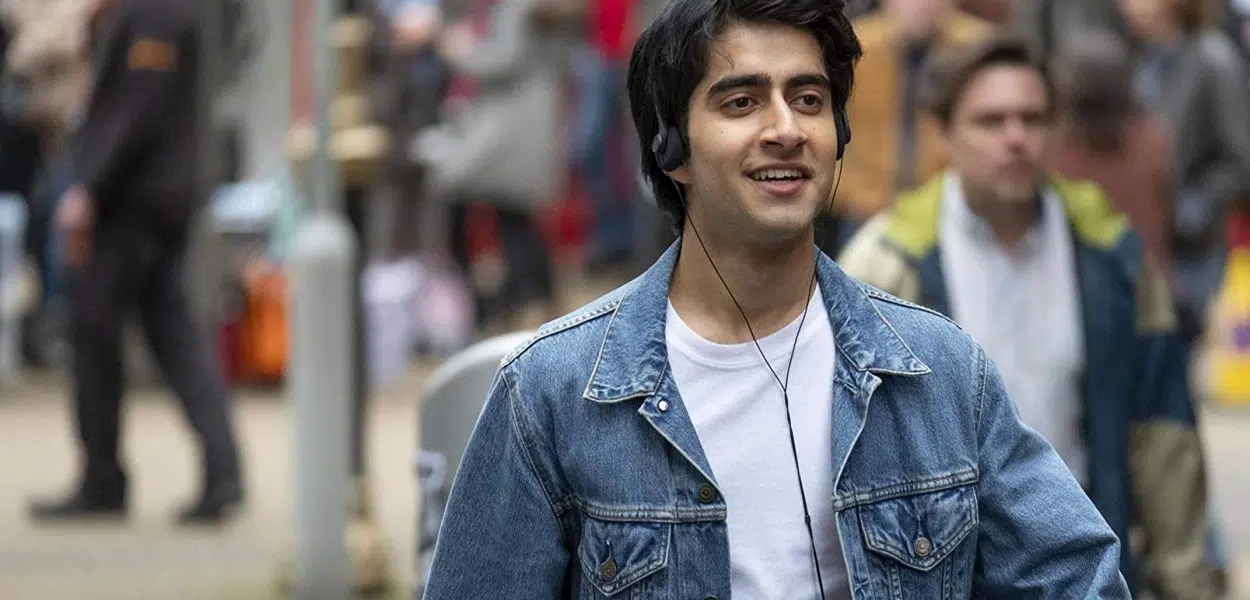
“While Springsteen takes the American dream and helps everyone navigate through its dismantling, Chadha packs it all up with ‘Blinded by the Light” and makes it speak to an entirely different country and a whole new generation.”

“By viewing a family over three generations, the audience can see patterns that the characters themselves cannot, and then see patterns in their own lives as well, hopefully.”
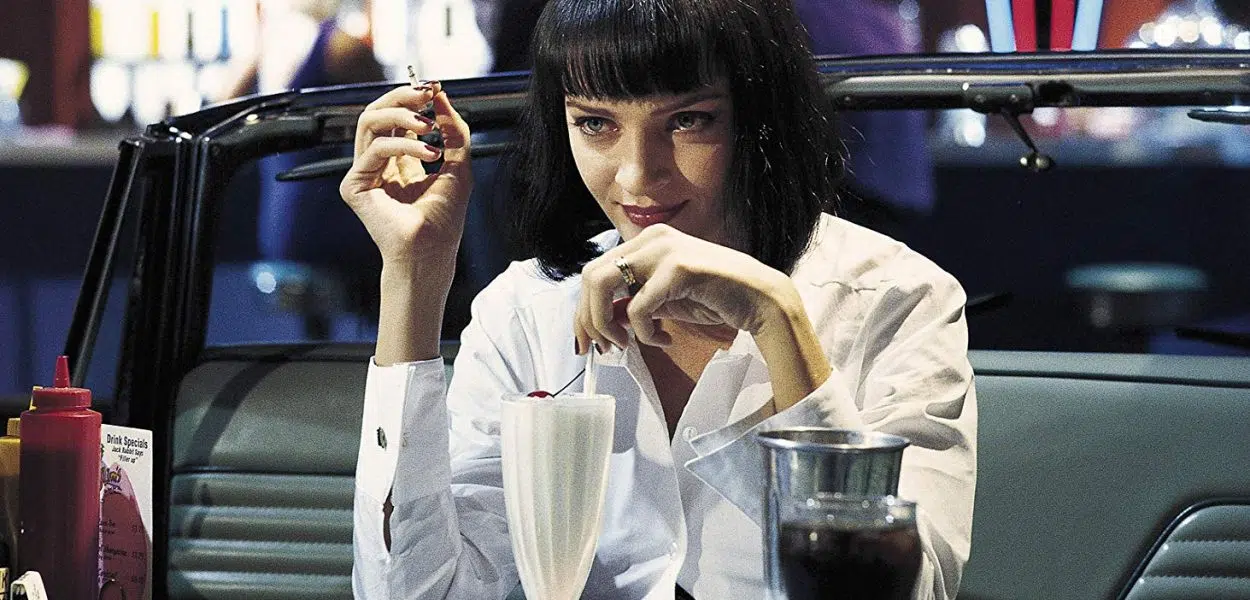
“As a whole, ‘Pulp Fiction’ hinges on the audience’s awareness of tropes, and it offers something new by subverting expectations.”

“Some of Avildsen’s men turn to violence. Some of them turn to crime. Some of them turn inward. All of them know that somehow, some way, they must turn. They cannot survive, let alone win, without surrendering some part of themselves.”
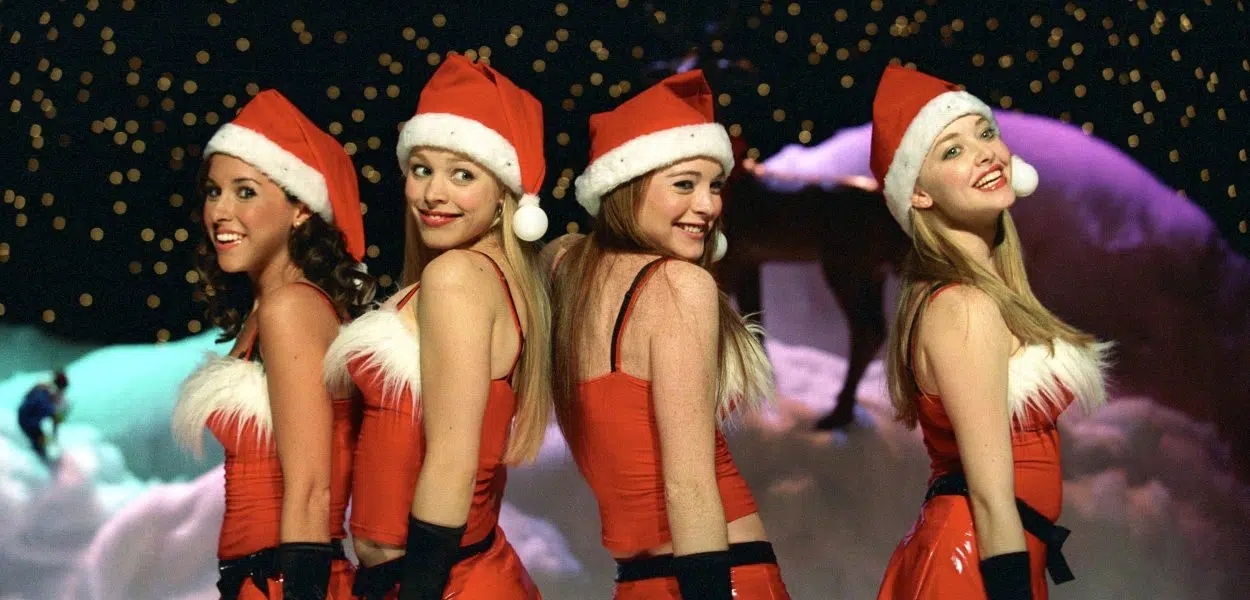
“‘Mean Girls’ might be a teenager itself now, but the movie’s popularity continues to grow as a whole new generation falls in love with its cast of crazy characters, messages of inclusion and impressively high joke rate.”

“Not all of Clermont-Tonnerre’s story moves hold up under logical scrutiny, but ‘The Mustang’ succeeds despite its familiarity.”
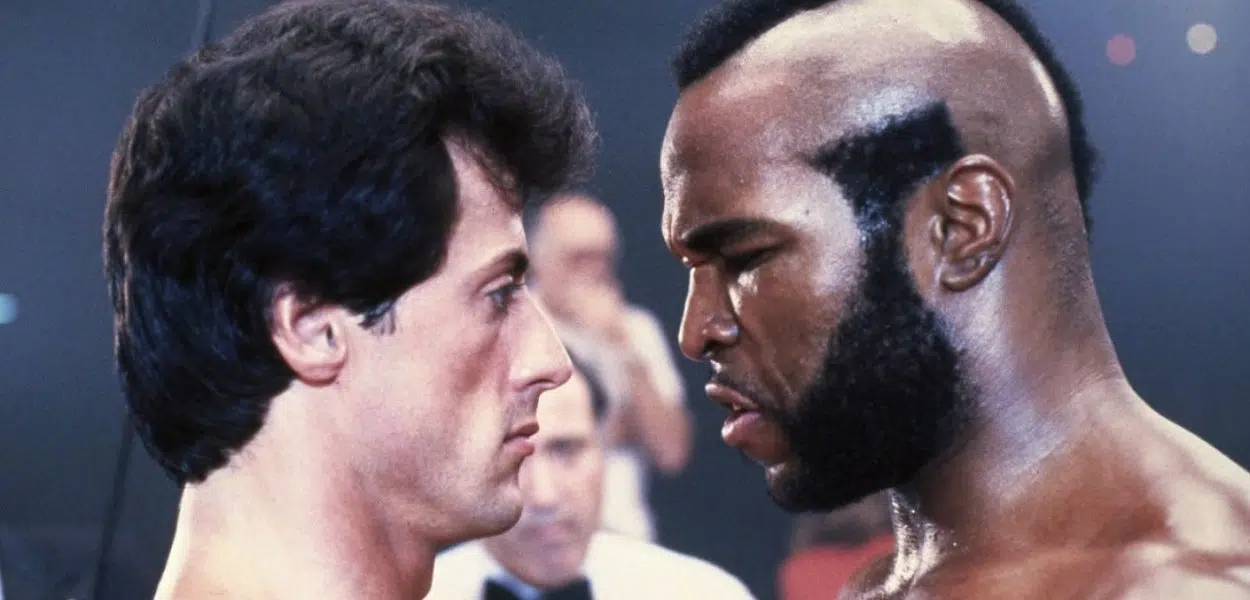
“There are things about ‘Rocky III’ that definitely raise eyebrows — its racial dynamics and maybe even its class politics — but ultimately it shows a fighter overcoming his opponent by reaching out to those around him and confronting the problems within.”

“Das’ direction examines one’s reluctance to imagine the future in any detail during childhood. She highlights the transformative power of nature, the way it allows one’s true self to shine through and thus inspires the pursuit of hidden passions.”

“With their uncomfortable blend of sexual politics, dark comedy, quirky star power and social and moral critique, it’s no wonder moviegoers didn’t know what to make of Kaplan’s satirical stories when they were first released.”

“What is perhaps most remarkable about the rise of Nirvana — and the industry’s hastily assembled appellation “alternative rock” — is the belief by many at the time that it had come from nowhere…”
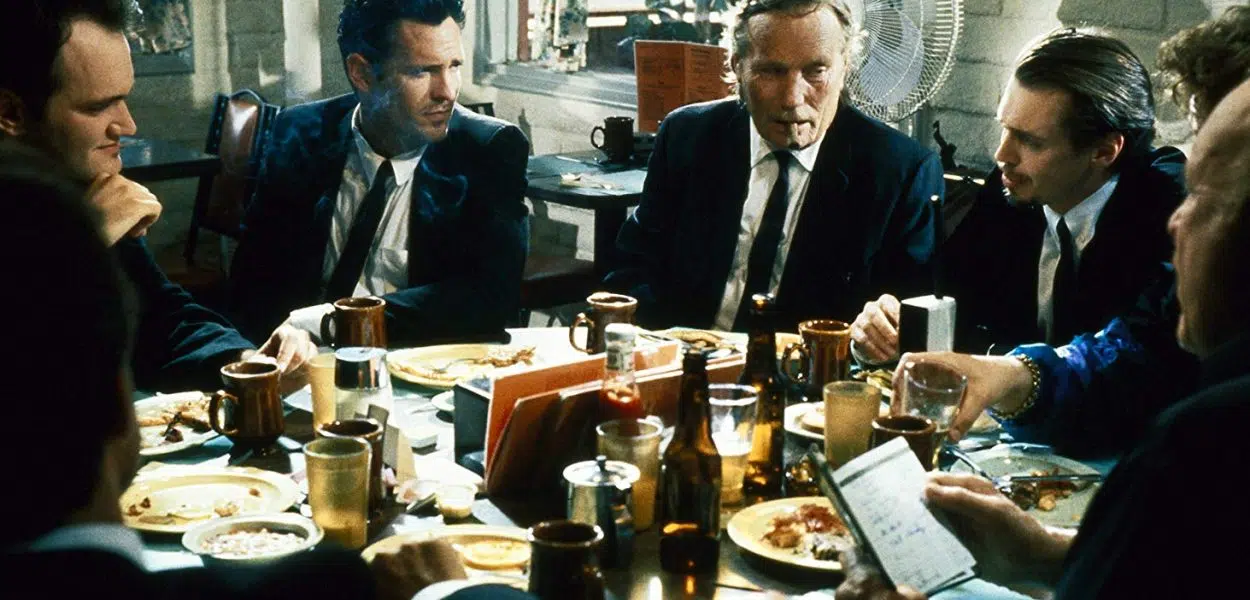
Welcome to John Brhel’s “Once Upon a Time In Tarantinoland” — a look back at all eight of Quentin Tarantino’s feature films. First up: ‘Reservoir Dogs.’

“Whenever they exist, wherever they roam, with this continuation of personality and principle, it is often as if Peckinpah’s characters were simply picked up from the past and dropped into another time, a time where the Western — and western — spirit remains.”
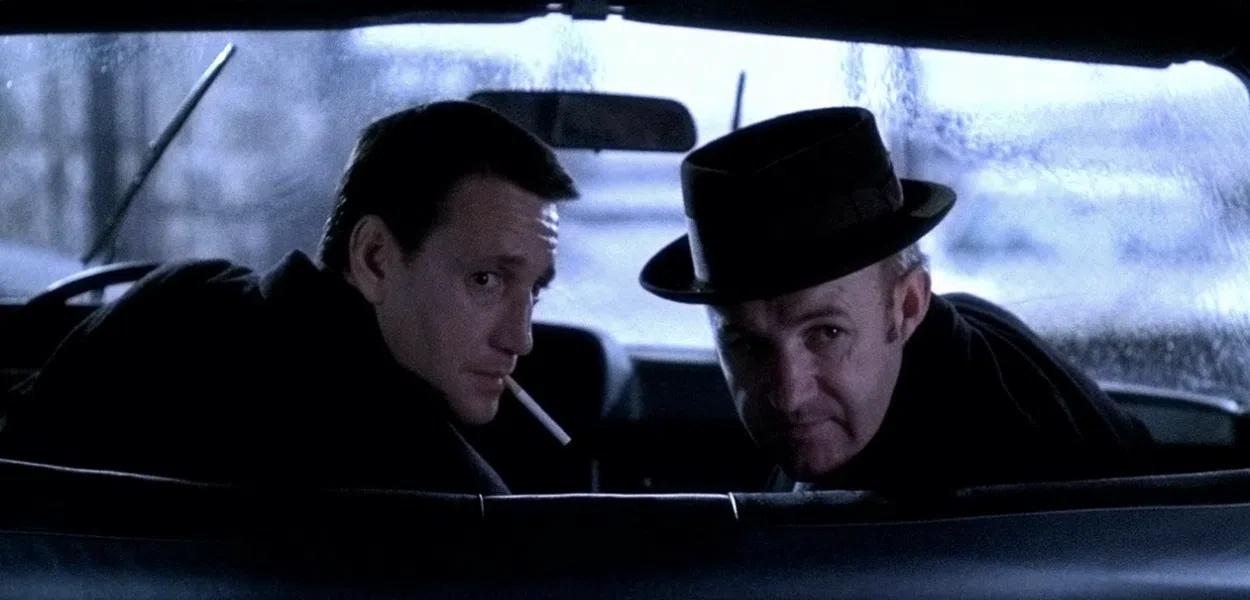
“Just like his protagonists, D’Antoni refused to play by the rules, and he got results.”