Why Criticism: Chasing Restorations, from Wong Kar-Wai to Wonder Woman
“The total dominance of our digital cinema platforms has forced cinephiles to reckon with their own assumptions and understanding of the medium.”


“The total dominance of our digital cinema platforms has forced cinephiles to reckon with their own assumptions and understanding of the medium.”

“‘Southland Tales’ and ‘Kaboom’ aren’t defined BY their end-of-days narratives, as their apocalypses define the contents through the fulfillment of apocalyptic revelations.”
“In ‘Orquil Burn,’ an internalised inquiry meets external spaces with a quiet yet insistent beauty.”
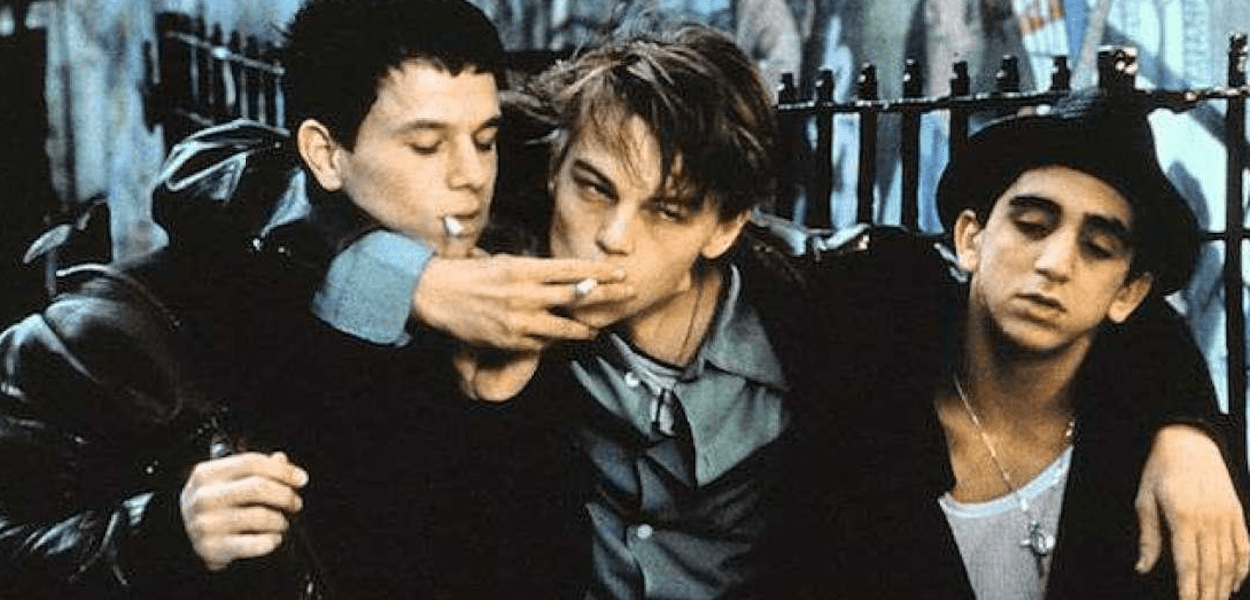
“DiCaprio’s early 90s accomplishments have been widely dismissed or ignored ever since Titanic’s Jack Dawson become a beloved movie figure amongst parents and their nostalgia-loving kids.”
“For a film about anger — both that of the social movements animated in protest and that belonging to the state which will brook no challenge to its authority — ‘A Grin Without a Cat’ is surprisingly without its own anger.”
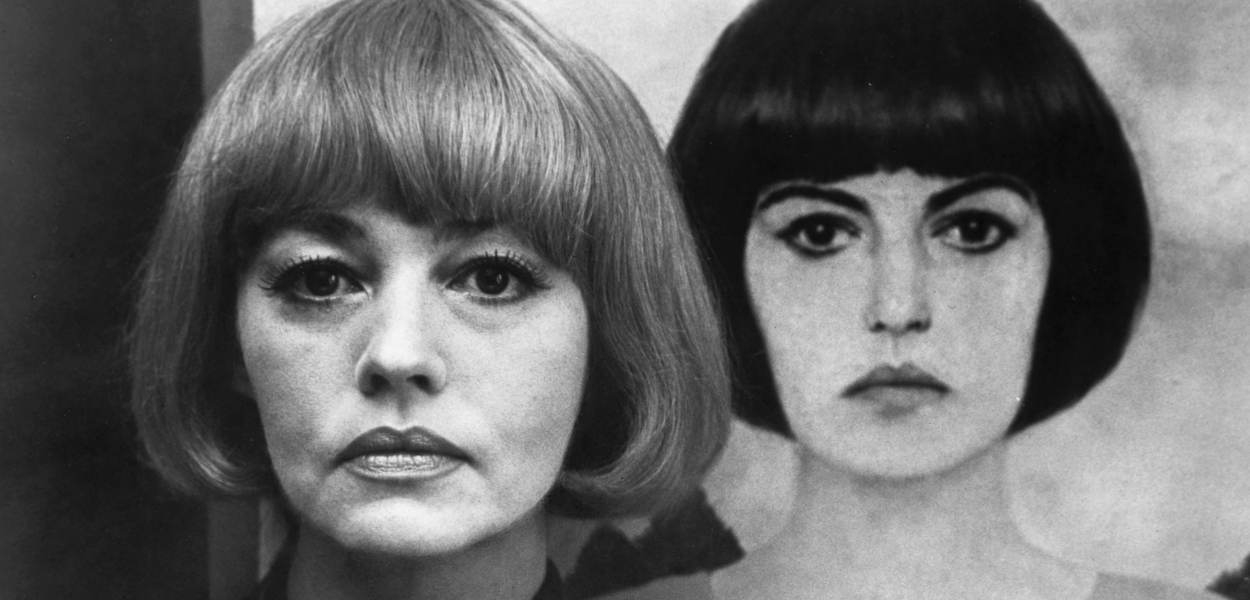
“In ‘The Bride Wore Black,’ cruel fate rips true love away from the innocent, suggesting that Truffaut believed pure happiness is only found in fairy tales.”
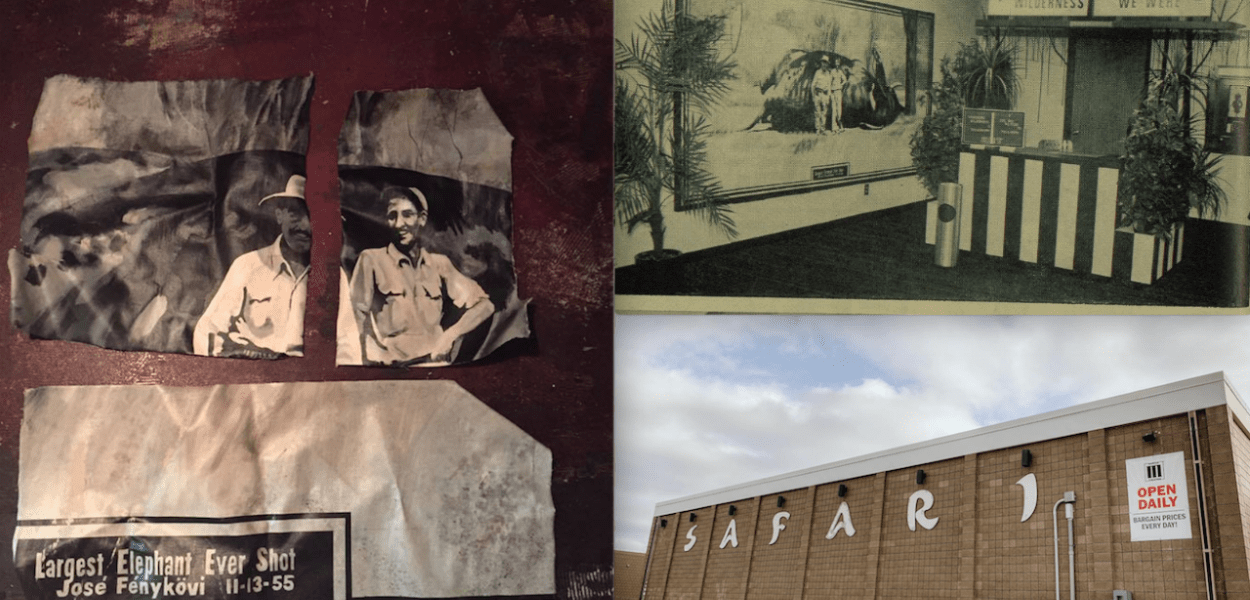
“Like any cinema, the Safari brought people together to dream in the dark.”

“Despite being an uneven grouping hardly representative of the best these filmmakers had to offer, ‘Six in Paris’ is an interesting capsule of moments in time and space.”

“The small character gestures in ‘Chungking Express’ give the film its soul, but the spark comes from the act of being seen at all.”
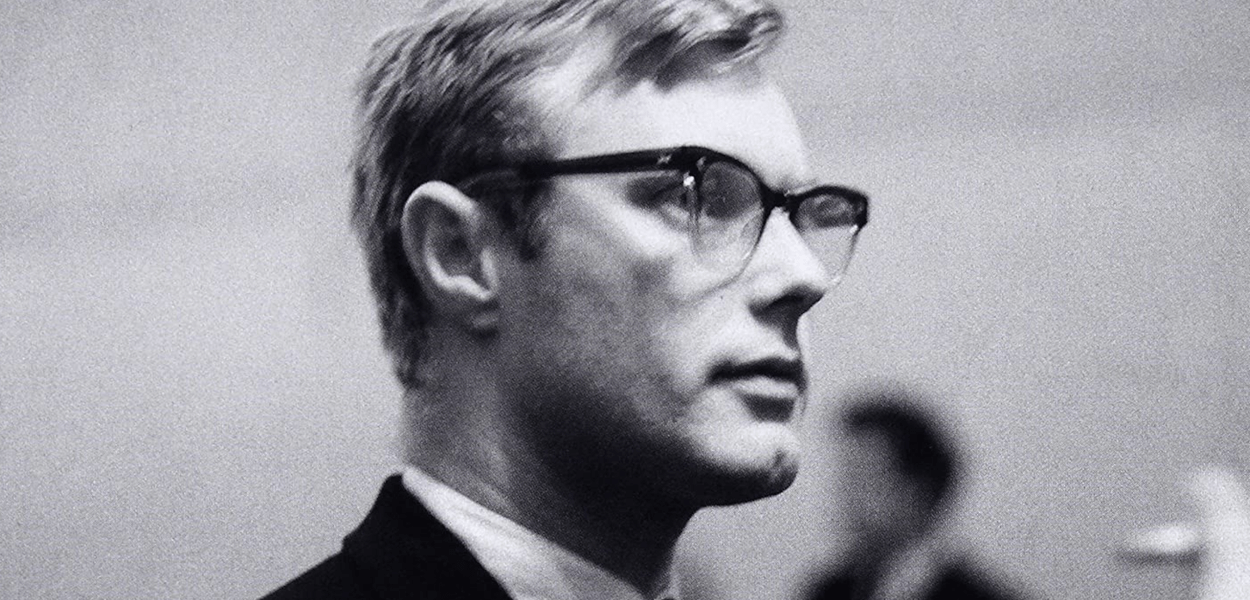
“Krzysztof Komeda made sure that the films he scored would be unlikely to exist, with any real significance, without his response to the images he was provided.”
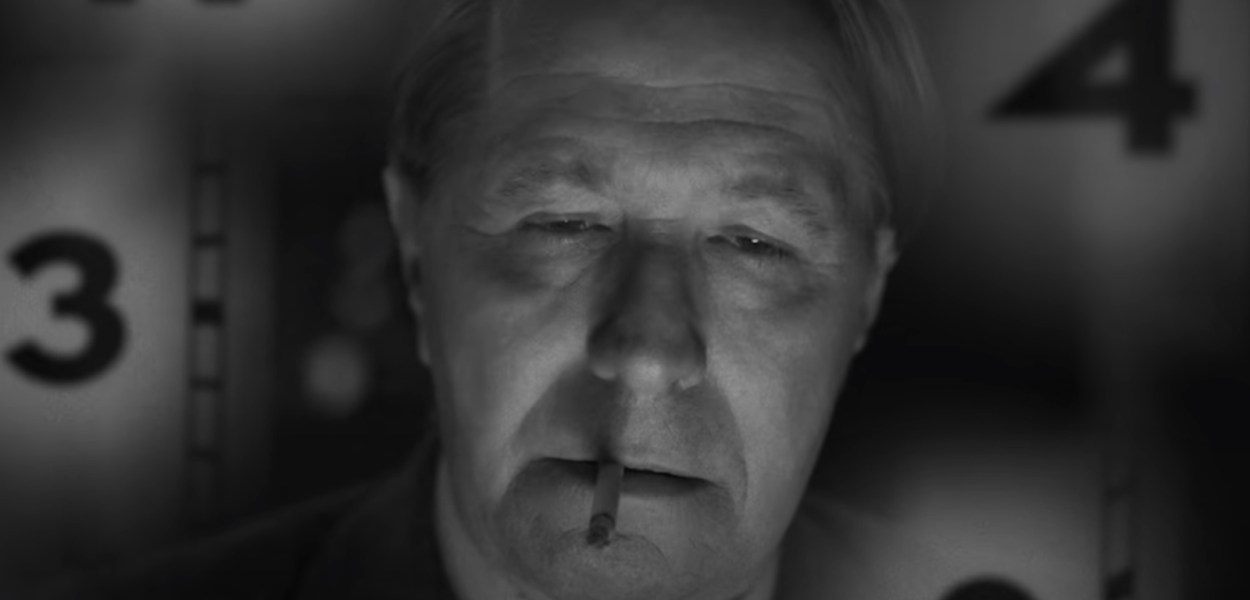
“‘Mank’ probably spends more time than necessary defining the protagonist’s own crisis of conscience within a corrupt and decaying dream factory.”
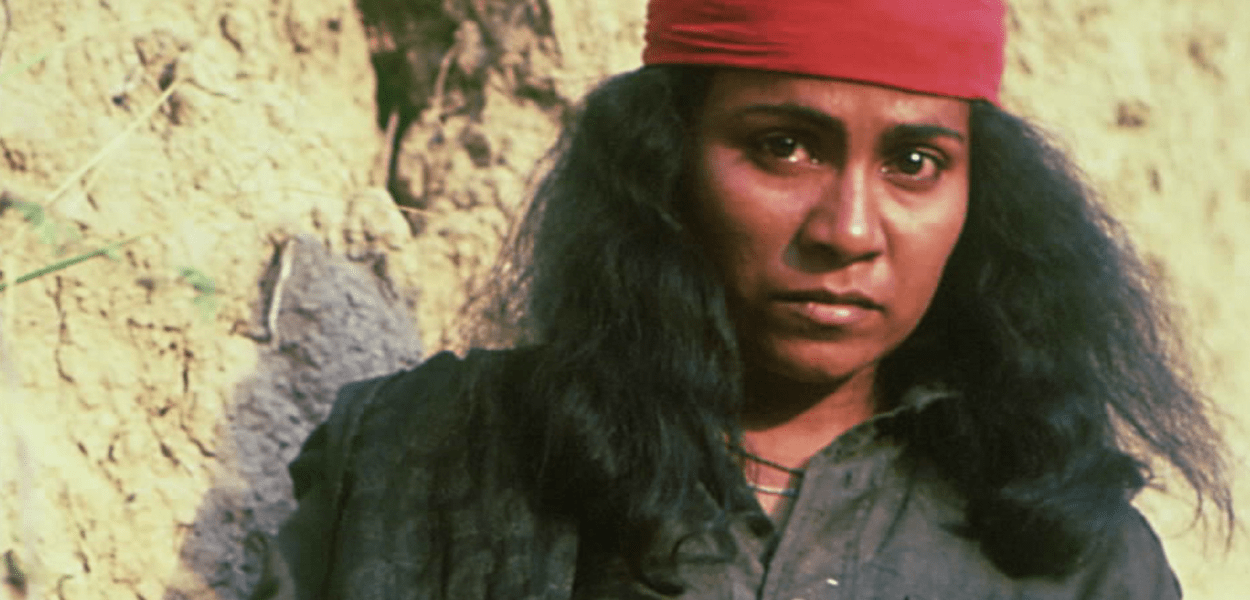
“Despite being mired in controversy, ‘Bandit Queen’ is one of the finest films made in India that pushes the envelope of cinematic excellence.”

“‘The Black Dahlia’ shows De Palma in a reflective mood, considering the impact cinema, especially his own, has had on the lives and suffering of women on screen.”
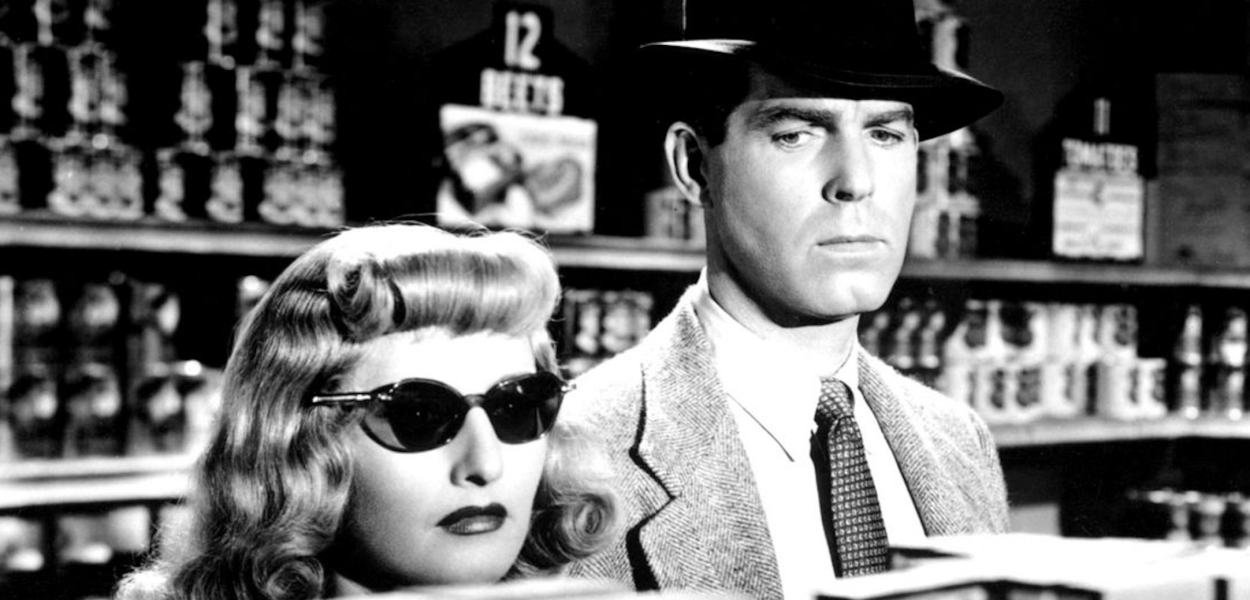
“The representation of women in Film Noir is murky territory — in some ways progressive, in other ways deeply misogynistic — certainly when assessing Phyllis in ‘Double Indemnity.'”

“‘Sátántangó’ becomes an almost transcendental experience, illustrating fissures in a civilization constructed by an inimitable, sublime design.”
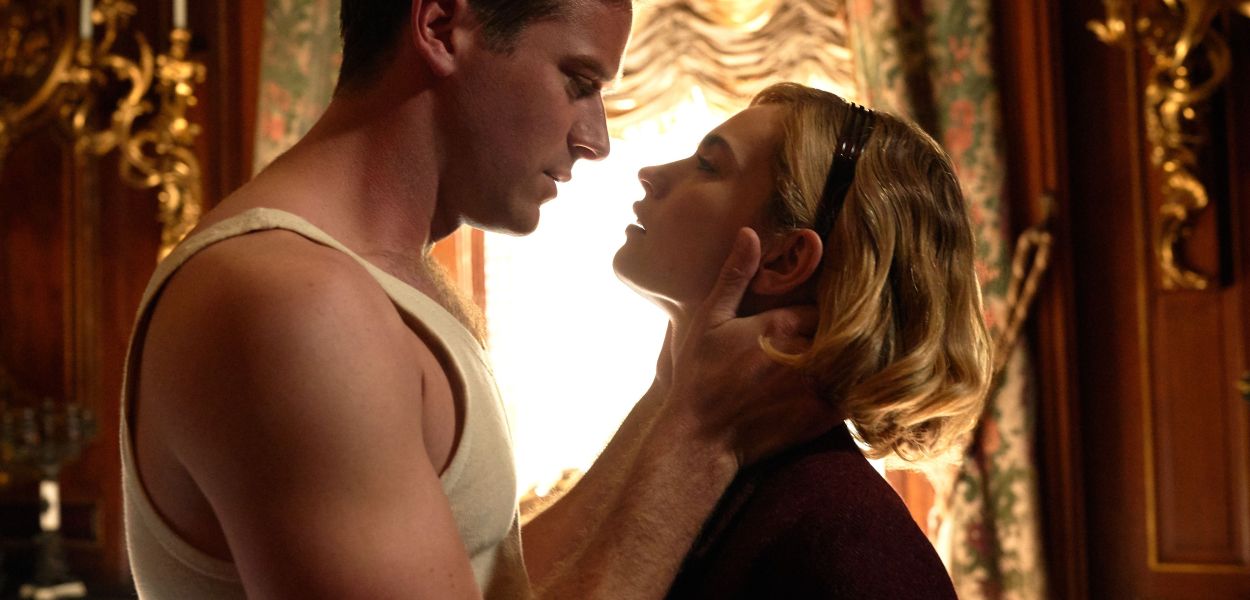
“‘Rebecca’ feels sanded out, erased of all imperfection, identity and mystery.”
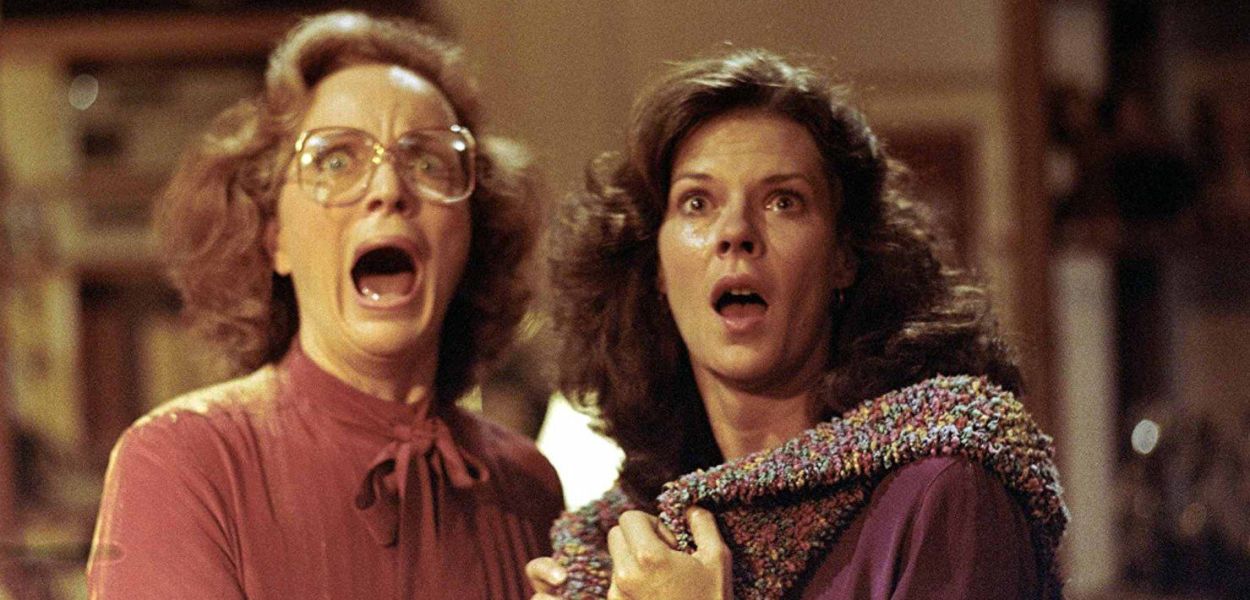
“The ‘Poltergeist’ films will remain eternally relevant as long as America and other countries keep making the same tragic mistakes over and over again, building their own haunted houses for spirits to eventually consume from within.”

“Otto Preminger’s ‘Where the Sidewalk Ends’ and Nicholas Ray’s ‘On Dangerous Ground’ gesture towards the difficult conditions under which police labor while turning a critical eye on the brutally violent detectives who abuse their power.”

“There’s a dark warning at the heart of ‘Blood on the Moon’ that still rings true today.”
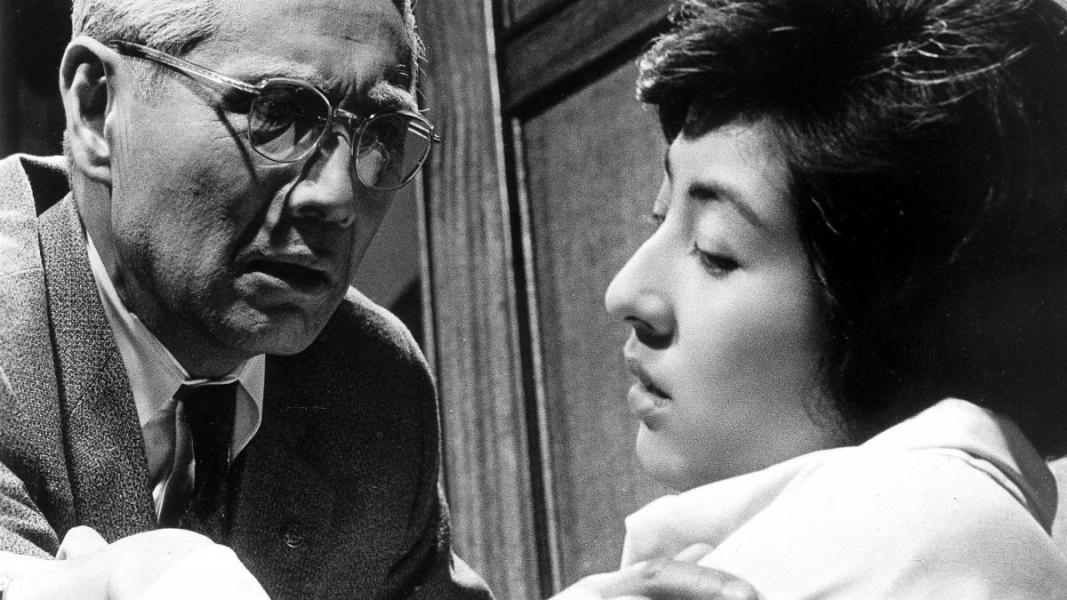
“Kurosawa was rarely more bitter and dejected than he is here, crafting a sprawling noir tragedy from Shakespeare’s text, grappling desperately with identity in the nightmare of faceless modernity.”