Why Criticism: The One-Inch Tall Barrier of Foreign Cinema
“Tucked in our so-called privileged positions, we need to not only hold tight but also need to learn when to engage and when to let things go.”


“Tucked in our so-called privileged positions, we need to not only hold tight but also need to learn when to engage and when to let things go.”
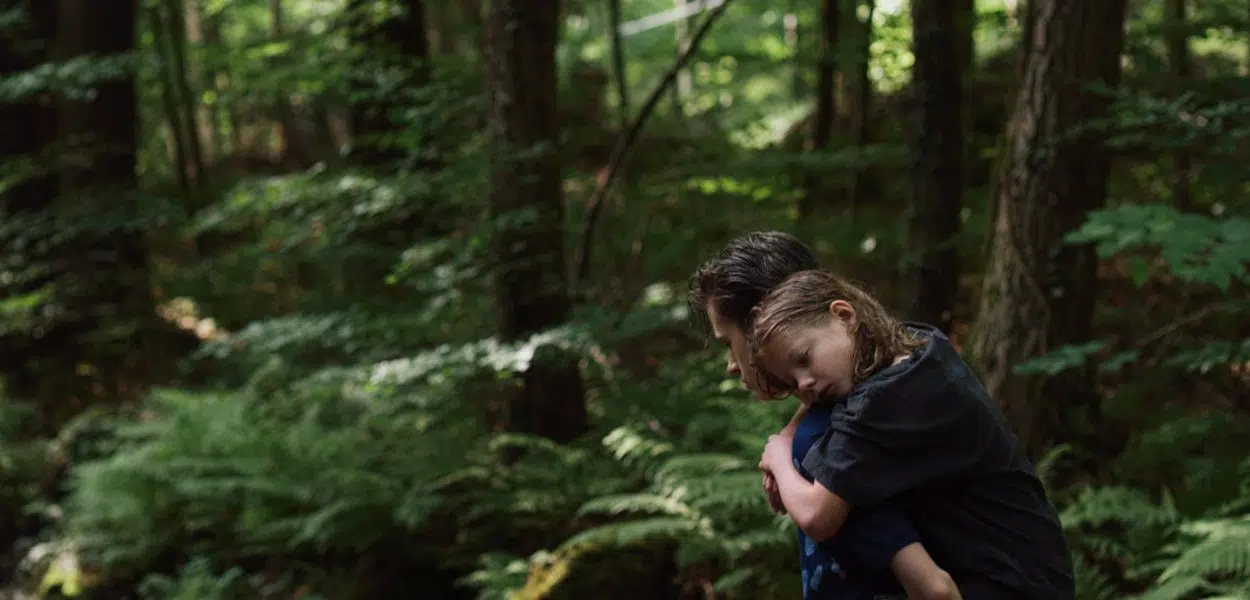
“A film like ‘I Was at Home, But’ tests its audience and never tells them if they’re right, and therein lies the challenge. The point is not to “get” the film but to have thought about it and come up with a whole array of personal truths.”
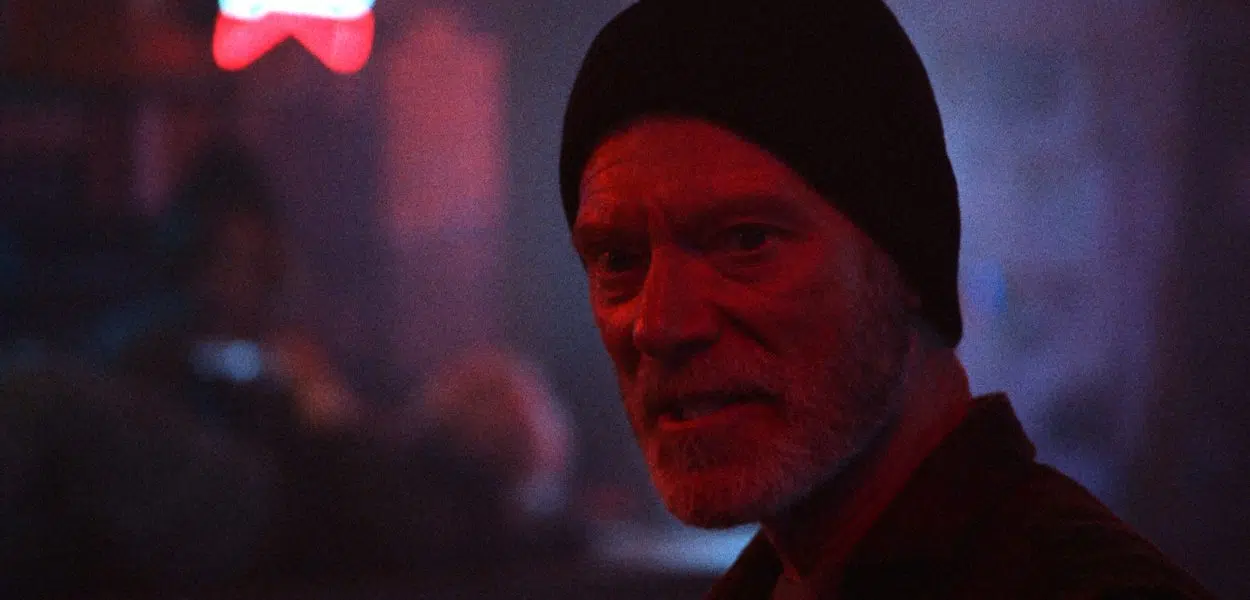
“A thrilling, gloriously gory and gleefully simple exercise in cyberpunk nastiness, led by a crew of done-with-this-shit action movie icons, ‘VFW’ is a relentlessly entertaining riot.”

“‘The Wave’ spotlights the proverbial writing on the wall for its most flawed characters, but also makes sure to settle on the base-level humanity of others. The result is an affecting and forward-thinking film that pinpoints what it means to be self-aware.”
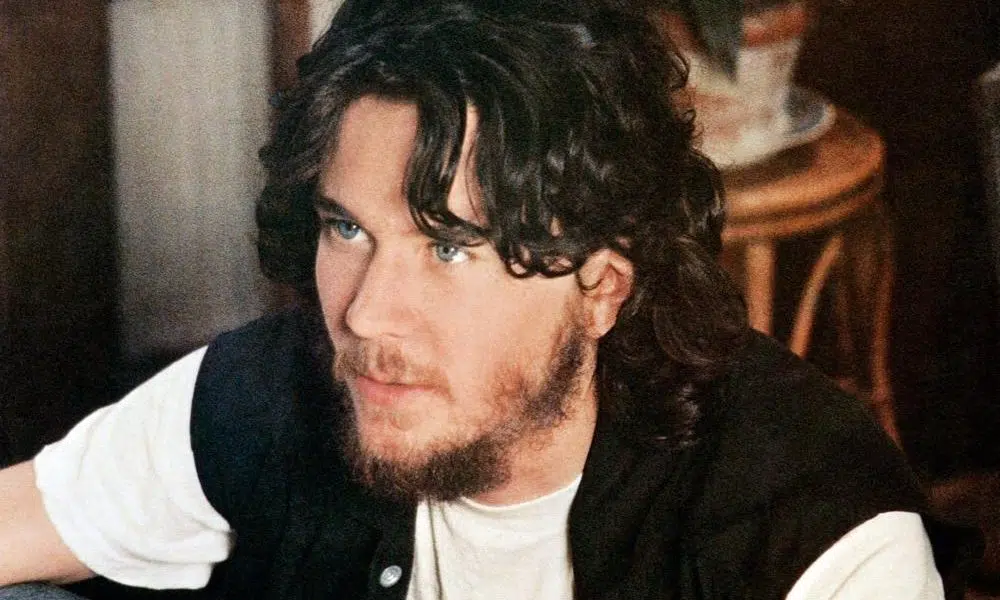
“Though Sidney Lumet is by and large a classical filmmaker who privileges wide shots, staging and judicious framing over highly expressive techniques, ‘Daniel’ is one of his most formally adventurous works.”

“At its seemingly lugubrious heart, ‘Return to Oz’ is an ode to imagination; a celebration of the weird and wonderful worlds of our own making, in which we find sanctuary and satisfaction.”

“The giddy mayhem might be enough to satisfy a certain segment of the public, but ‘Birds of Prey’ relies too much on its short-burst episodic structure…”

“Schoonmaker’s contribution to ‘The Irishman’ may be her finest effort: she shapes an epic that masterfully controls pace — accelerating and decelerating it at will…”
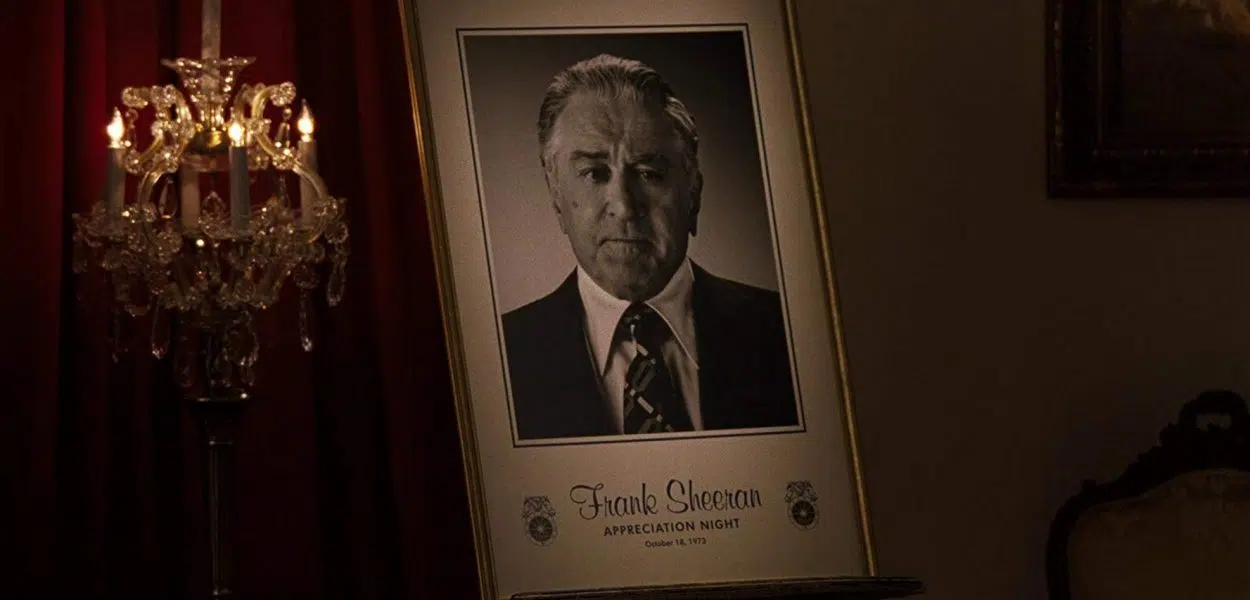
“‘The Irishman’ may be the last film of an era. The banquet scene ranks among the most powerful sequences of Scorsese’s career because he allows it, following Visconti’s example, to linger.”
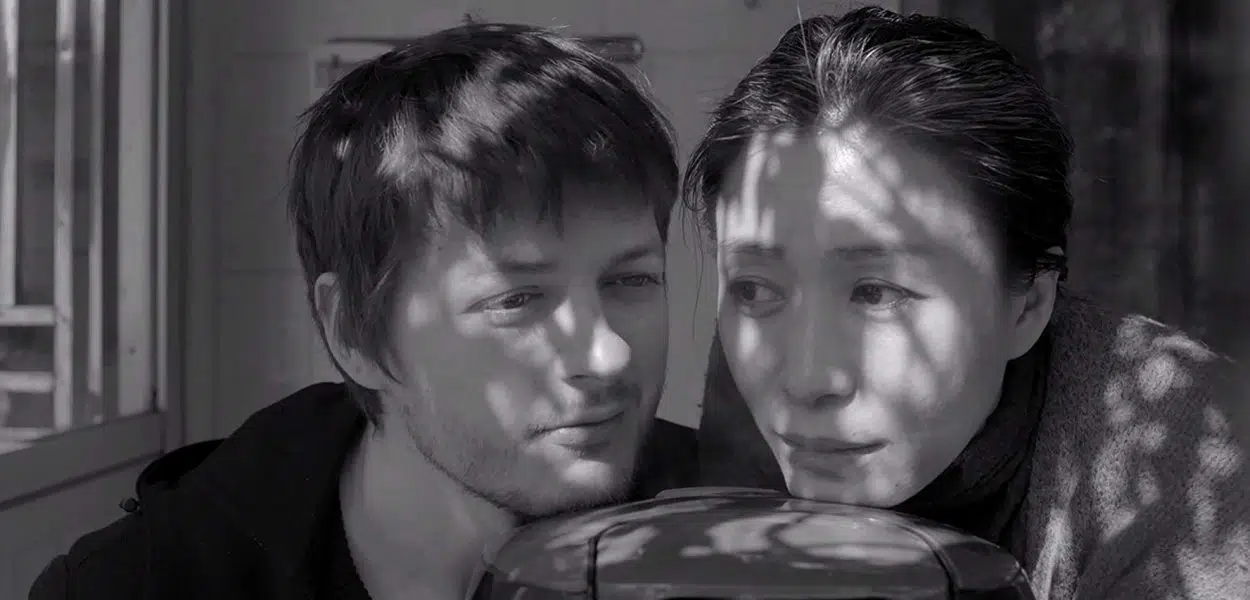
“‘The Cloud in Her Room’ is an indie revelation for the dreamers. It invites collected reflections and quiet reminiscences; the eclectic images are a roaring statement.”
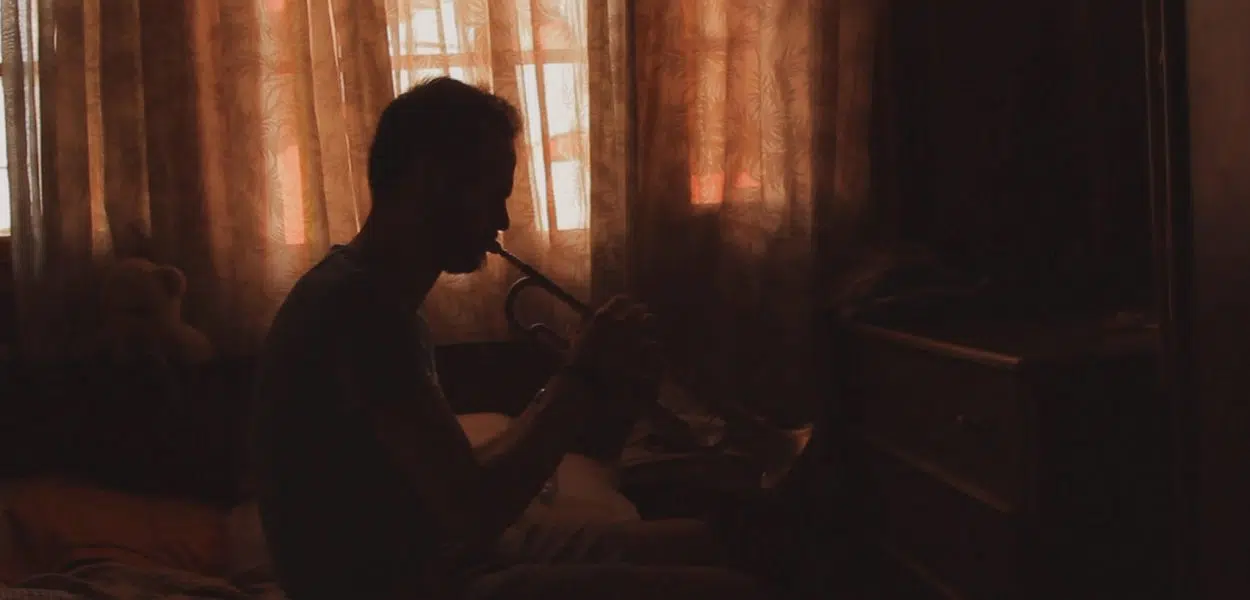
“As a first feature, ‘We Are from There’ is an assured piece of work. Tanios paces the documentary well, and maintains a consistent and observant tone when it would be easier to lean on the sentimentality or urgency of the assembled footage.”
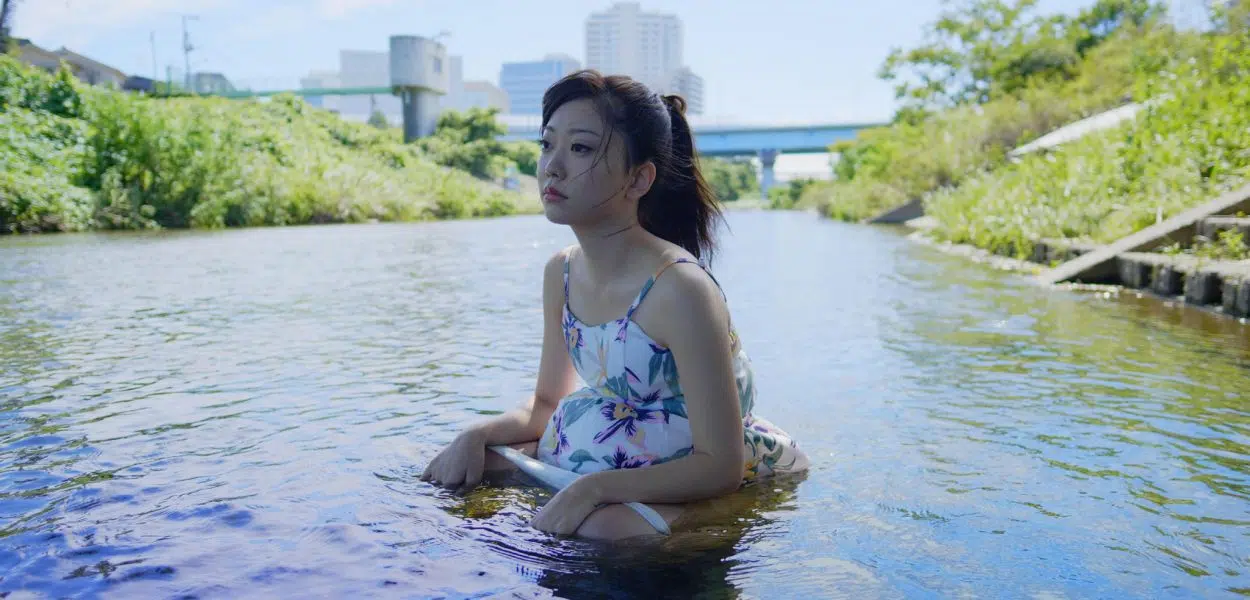
“‘Shell and Joint’ thrives in being carefully discovered by peeling away one layer after the other.”

“The film may seem purposeless at first, but eventually it reveals itself to be a portrait of the proud insanity of Florida, one that feels eminently authentic.”
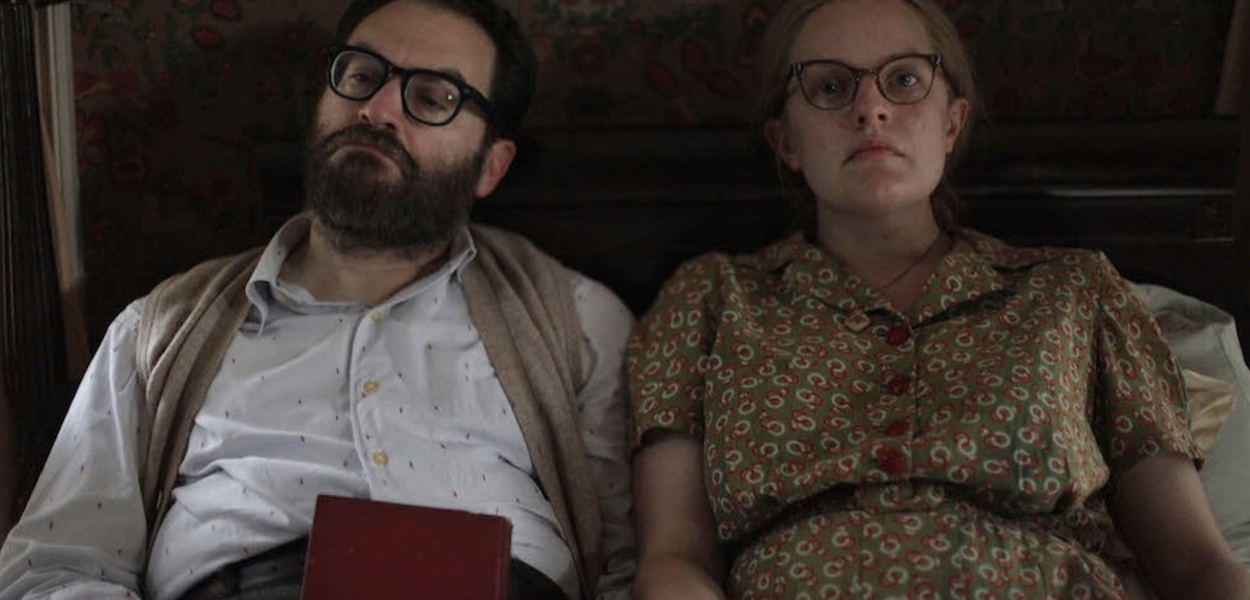
“‘Shirley’ is not just a film about the pain and struggle of creativity for all artists, but about women particularly.”
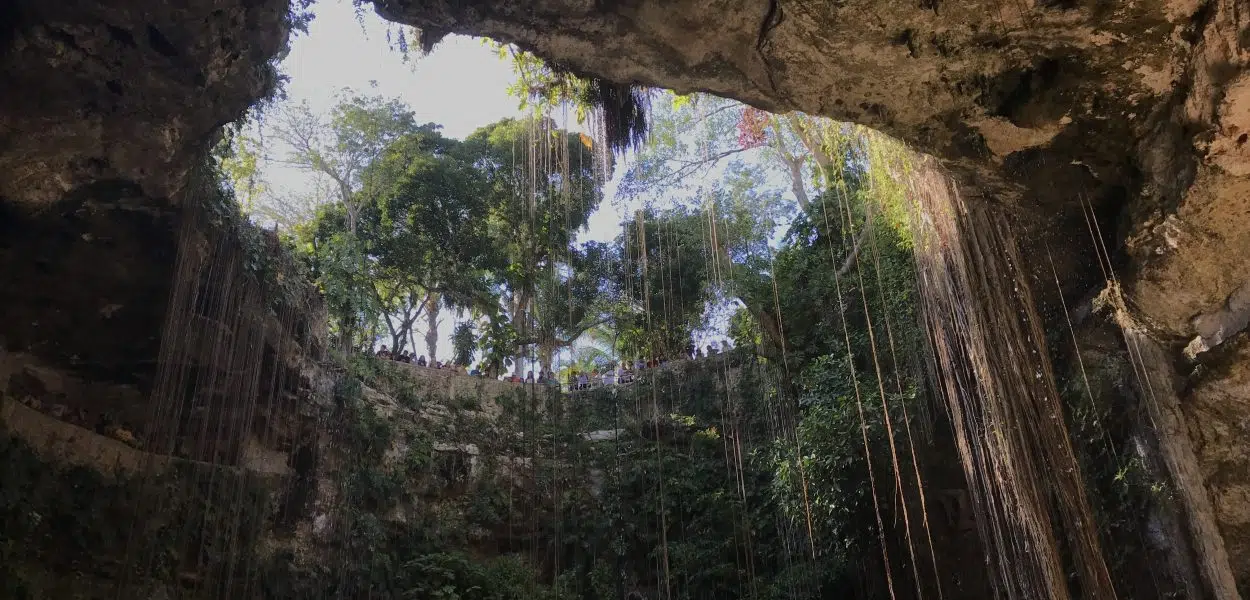
“By seemingly stripping the sacredness from the cenotes, and forcing the sinkholes to be penetrated by the eye of the camera, Oda appears to deconstruct the documentary’s premise: there’s no mystery to unearth…”
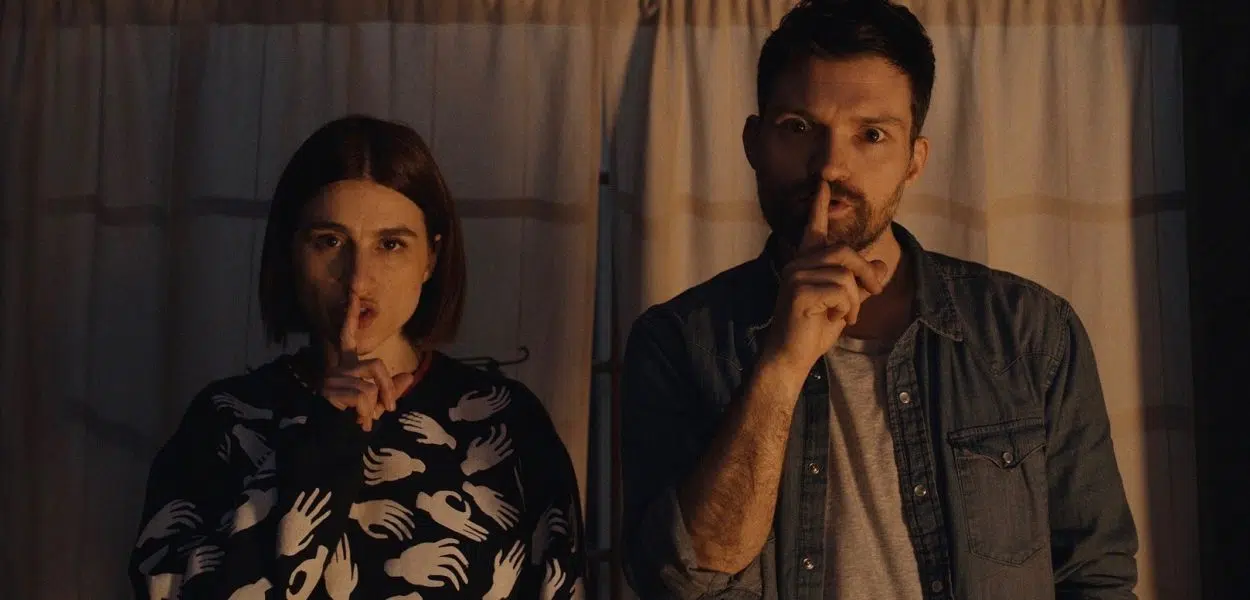
“‘Scare Me’ takes a while to get going, awkwardly finding its footing through its opening scenes, but when it settles into the long night of storytelling in the cabin, Ruben’s debut feature becomes a total delight.”
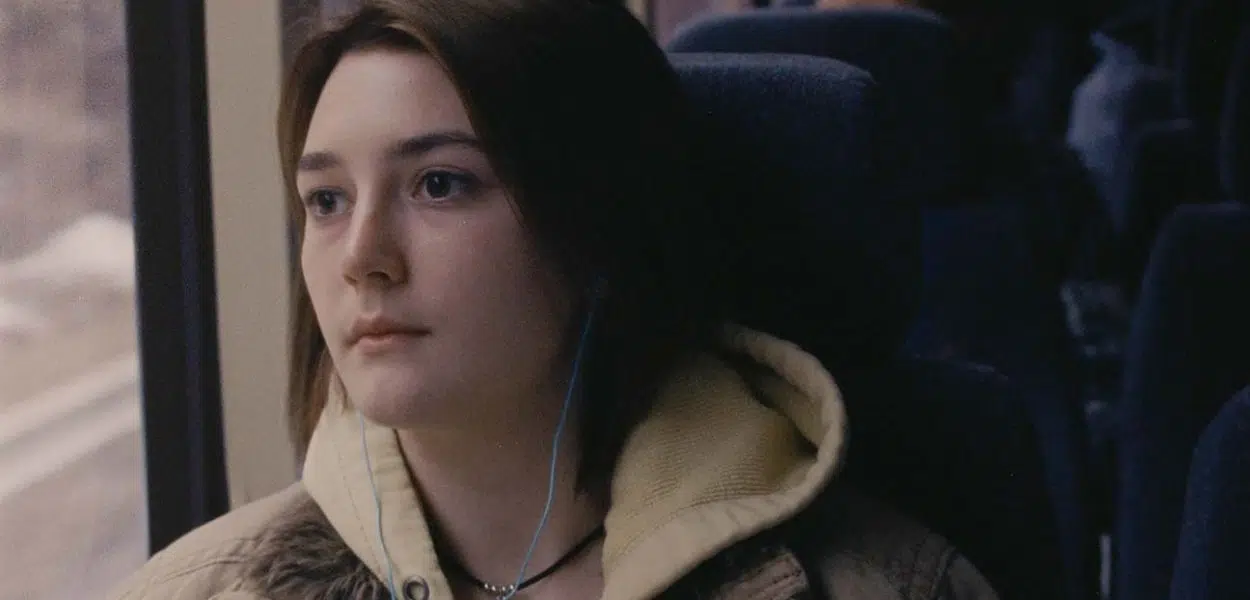
“‘Never Rarely Sometimes Always’ is an abortion drama that is so grounded in reality, so meticulous in its details, that it becomes one of the most moving and insightful movies made on the subject.”

“What’s consistently left out of the ‘Cheer’ conversation is a discussion of the precarious tension of love and exploitation between coach Monica Aldama and the team.”
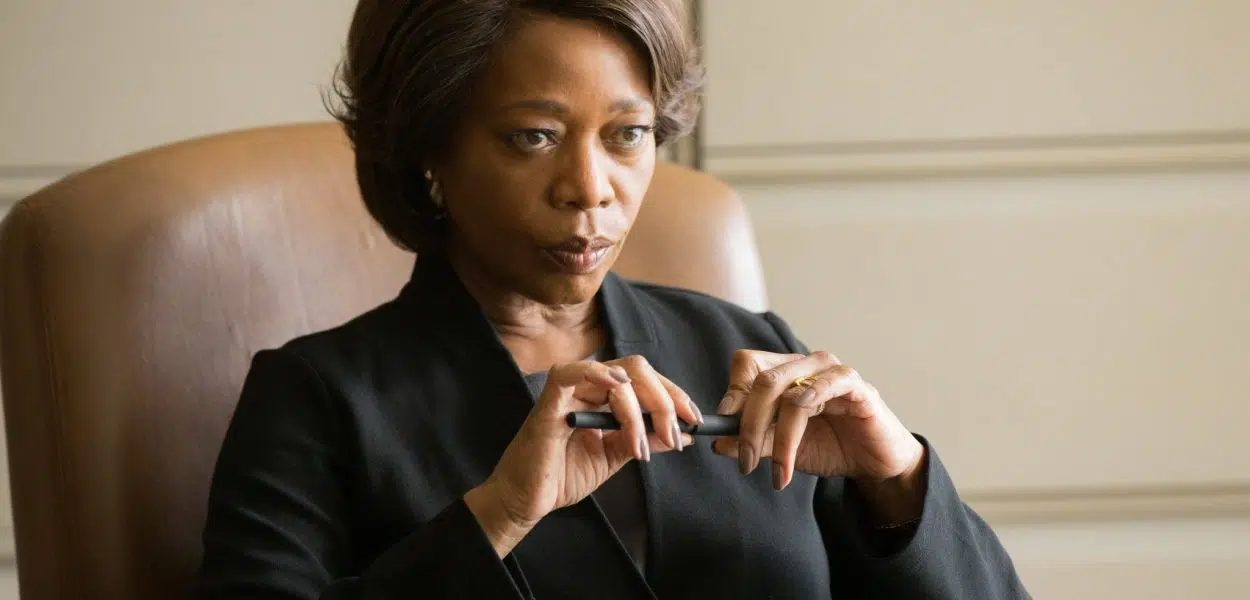
“Chukwu avoids any overt didacticism in her storytelling, even if the mounting pressure on the beleaguered protagonist is delivered with quiet resolve and suffocating dread.”
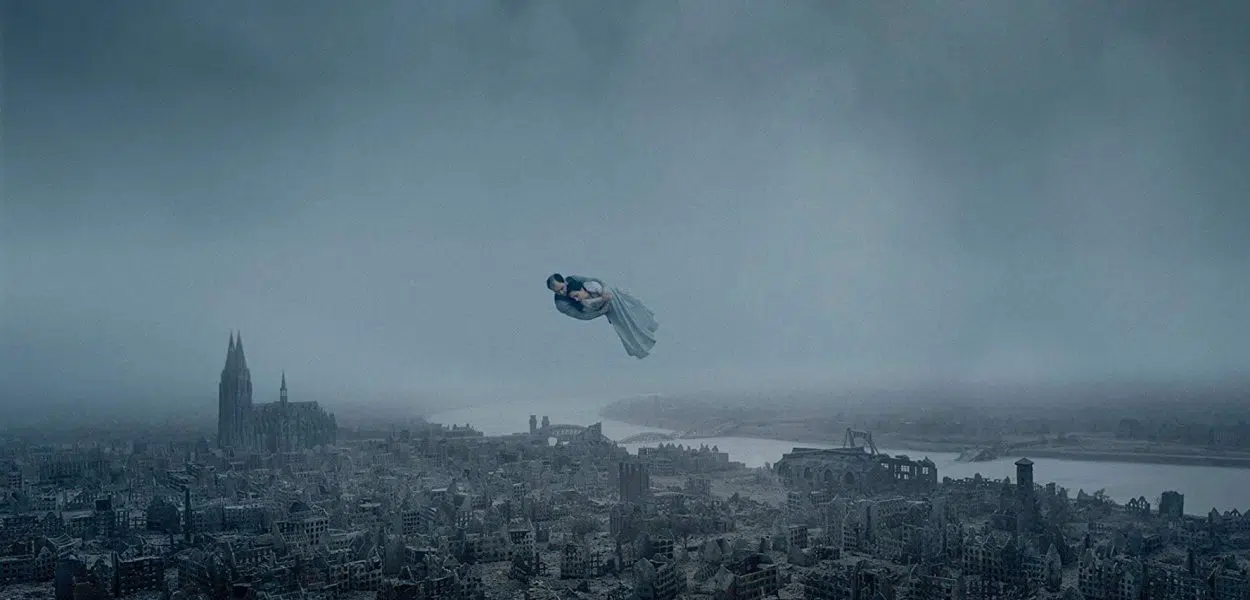
“Andersson depicts fragments of humanity, stitched together with humour and relatability, and without a hint of loftiness or condescension.”