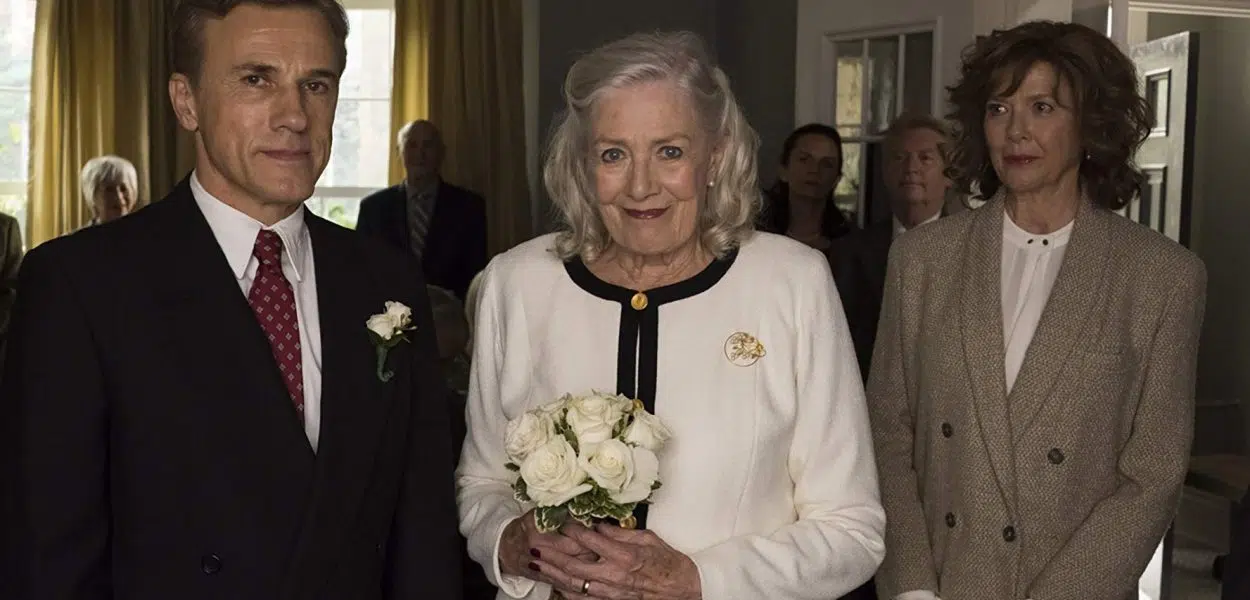
“‘After’ plays it too safe start to finish. And aside from whatever discussions might emerge concerning the representation of toxicity, masculinity and toxic masculinity, the lack of originality is the film’s Achilles heel.”
“By viewing a family over three generations, the audience can see patterns that the characters themselves cannot, and then see patterns in their own lives as well, hopefully.”
“Some of Avildsen’s men turn to violence. Some of them turn to crime. Some of them turn inward. All of them know that somehow, some way, they must turn. They cannot survive, let alone win, without surrendering some part of themselves.”
“‘Mean Girls’ might be a teenager itself now, but the movie’s popularity continues to grow as a whole new generation falls in love with its cast of crazy characters, messages of inclusion and impressively high joke rate.”
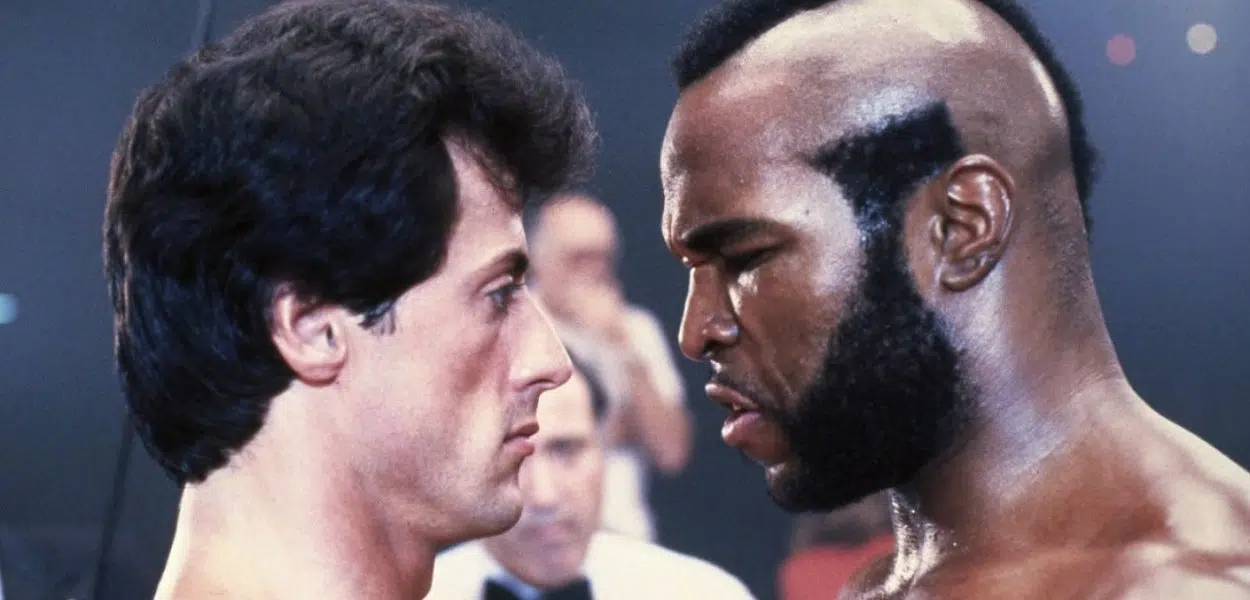
“There are things about ‘Rocky III’ that definitely raise eyebrows — its racial dynamics and maybe even its class politics — but ultimately it shows a fighter overcoming his opponent by reaching out to those around him and confronting the problems within.”
“Das’ direction examines one’s reluctance to imagine the future in any detail during childhood. She highlights the transformative power of nature, the way it allows one’s true self to shine through and thus inspires the pursuit of hidden passions.”
“With their uncomfortable blend of sexual politics, dark comedy, quirky star power and social and moral critique, it’s no wonder moviegoers didn’t know what to make of Kaplan’s satirical stories when they were first released.”
“What is perhaps most remarkable about the rise of Nirvana — and the industry’s hastily assembled appellation “alternative rock” — is the belief by many at the time that it had come from nowhere…”
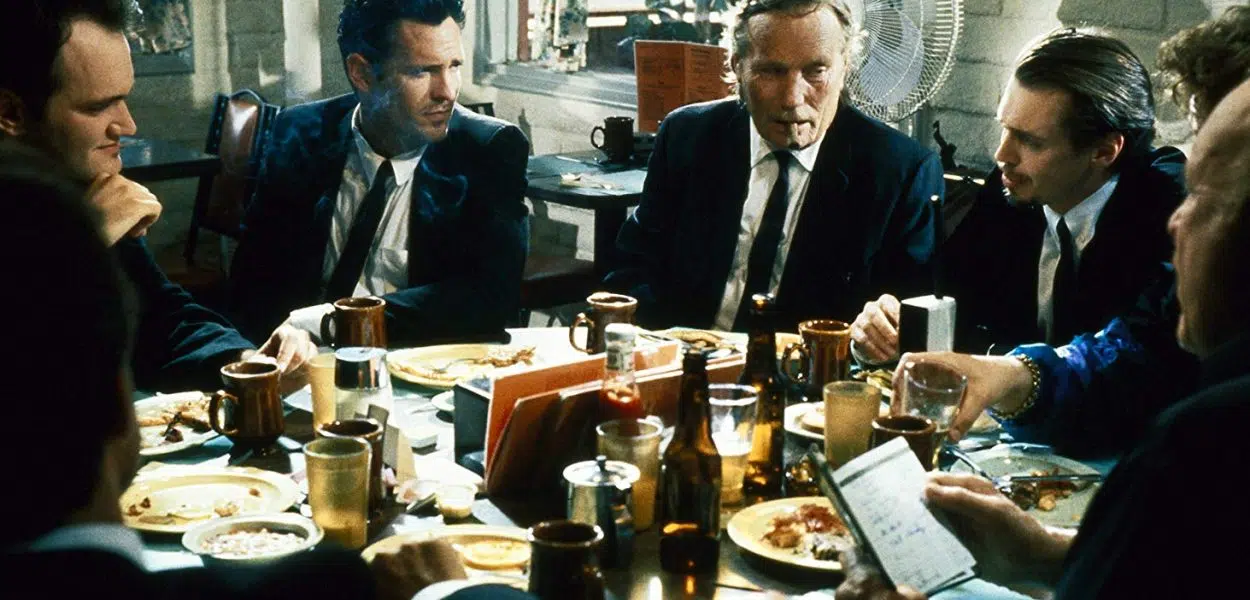
Welcome to John Brhel’s “Once Upon a Time In Tarantinoland” — a look back at all eight of Quentin Tarantino’s feature films. First up: ‘Reservoir Dogs.’
“Whenever they exist, wherever they roam, with this continuation of personality and principle, it is often as if Peckinpah’s characters were simply picked up from the past and dropped into another time, a time where the Western — and western — spirit remains.”
“Perry has written an anti-heroine who is wholly clued into her own mythology metaphor, referring to herself and the band’s circumstances using the self-aggrandizing language of conquests, lore and legacy.”
“As much as DAU requires certain knowledge of XX-century history and arts, its key element is the subjective, the emotional, even the intrusion. And this can be the game changer the future needs.”