Moving Picture: ‘Frances Ha’ and Me
An Essay by Kyle Turner


An Essay by Kyle Turner
“Call it the Silver Age of Comic Book Movies.”

A Column on Film Criticism by Justine A. Smith
“It’s clear from the early stages of ‘Preacher’ that Rogen, Goldberg and Catlin are going to be taking a deliberate pace with the material.”

“Like a lot of reality television, ‘Christian Mingle’ is funny for hateful reasoning that displays damaging, scary facets of our culture.”

“In the end, the two films are essentially stories about connections with others, with life itself and ourselves.”

“One can only hope that Game of Thrones has exhausted its season quotient of character reappearances ostensibly designed to catch us some degree of off-guard, but perhaps future cold opens are coming.”
“It’s a film that doesn’t so much scare as it harrows, boring deep into the psyche.”
“People often fear or misrepresent what they don’t understand.”

“With clear references to the cult horror ‘Rosemary’s Baby’, ‘Shelley’ explores the theme of pregnancy as an invasion.”
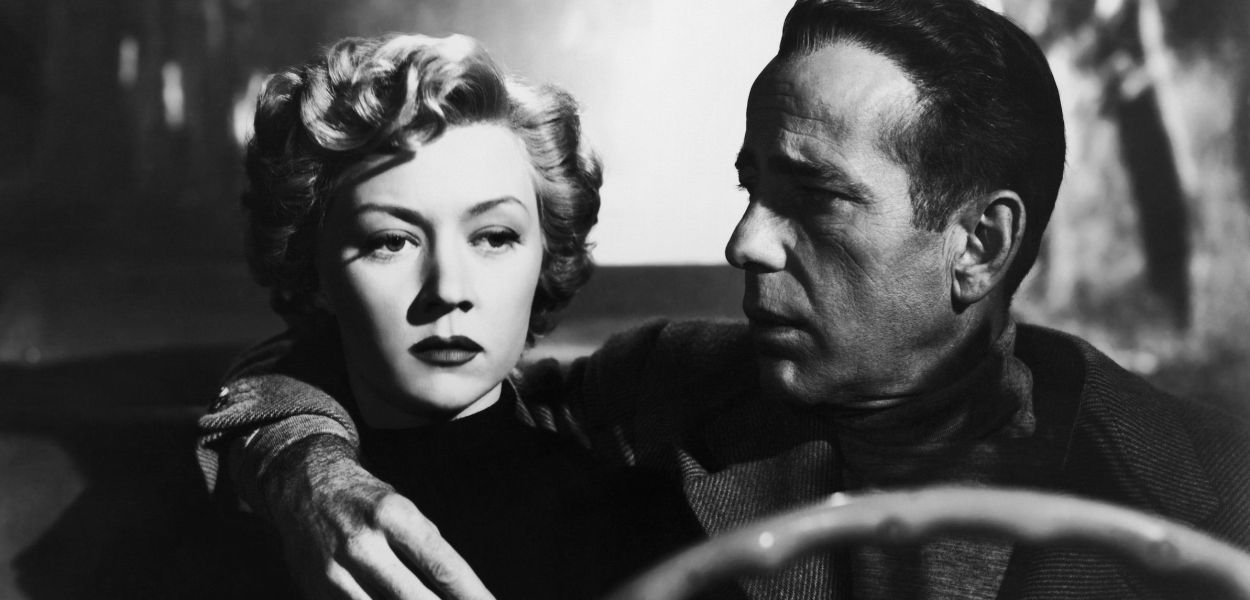
“‘In a Lonely Place’ finds Nicholas Ray still the relative newcomer to the Hollywood studio scene, yet he is already displaying subversive evidence of instilling in his work representative preoccupations.”
A Series by Dylan Moses Griffin

“An astonishing achievement of handcrafted animation, Miyazaki’s third Ghibli film solidified the studio’s presence, and has become an enduring symbol of its excellence.”
A Weekly Column on Love and Erotica in Cinema by Justine A. Smith
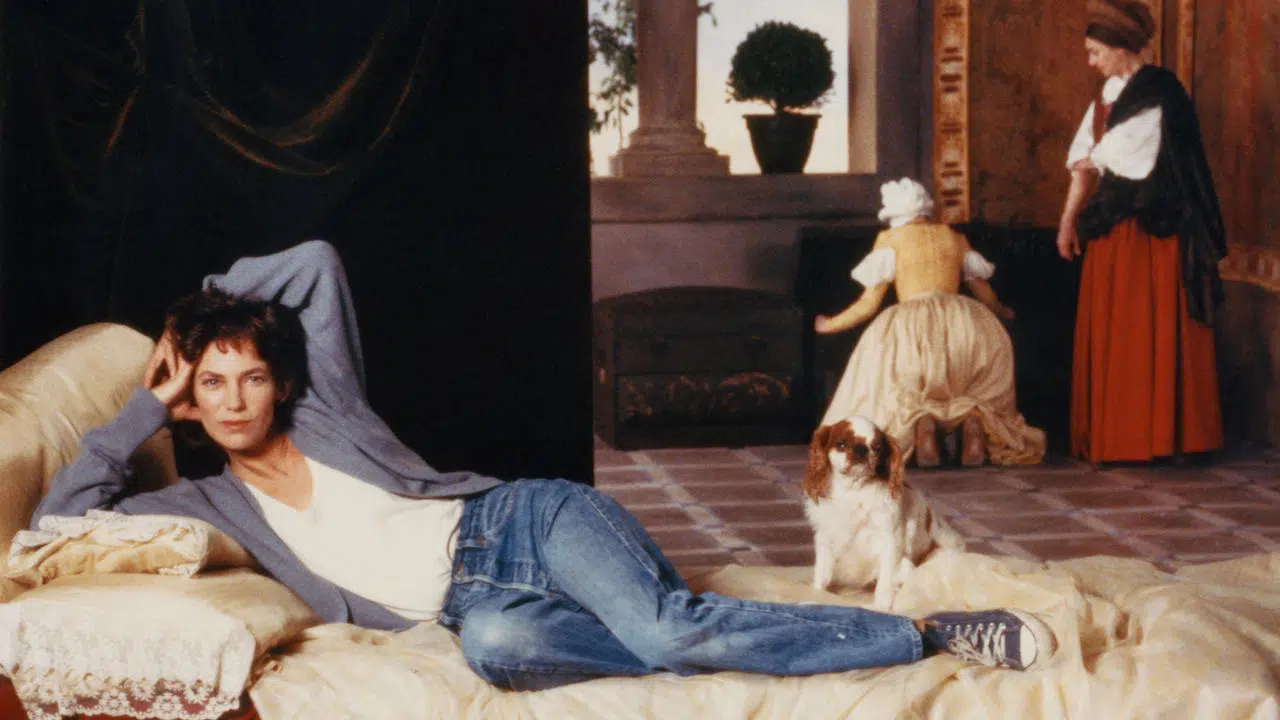
“An uncompromising visionary, Agnès Varda seems unable to acknowledge precedent or standard practice when becoming involved with creative works.”
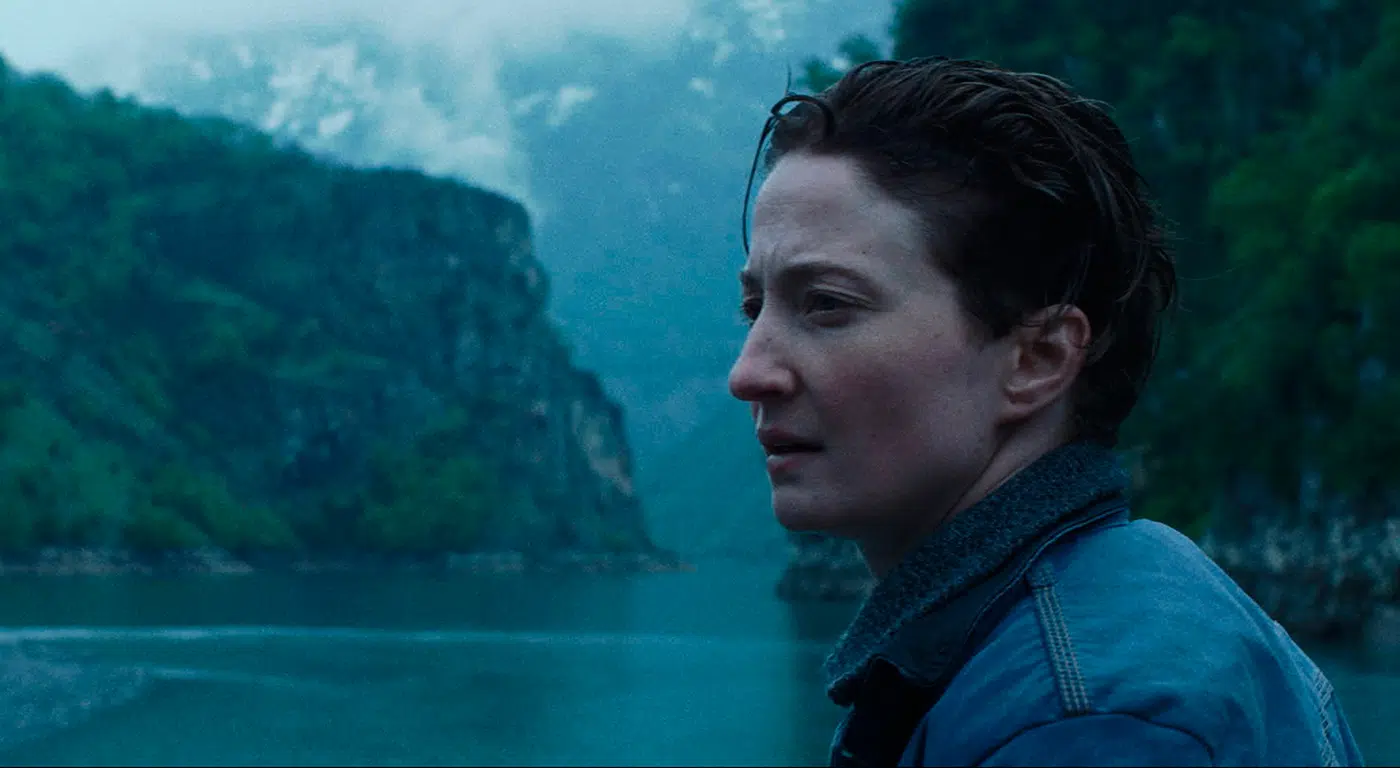
“One problem with ‘Sworn Virgin’, particularly in its later stages, is a distinct lack of stakes.”
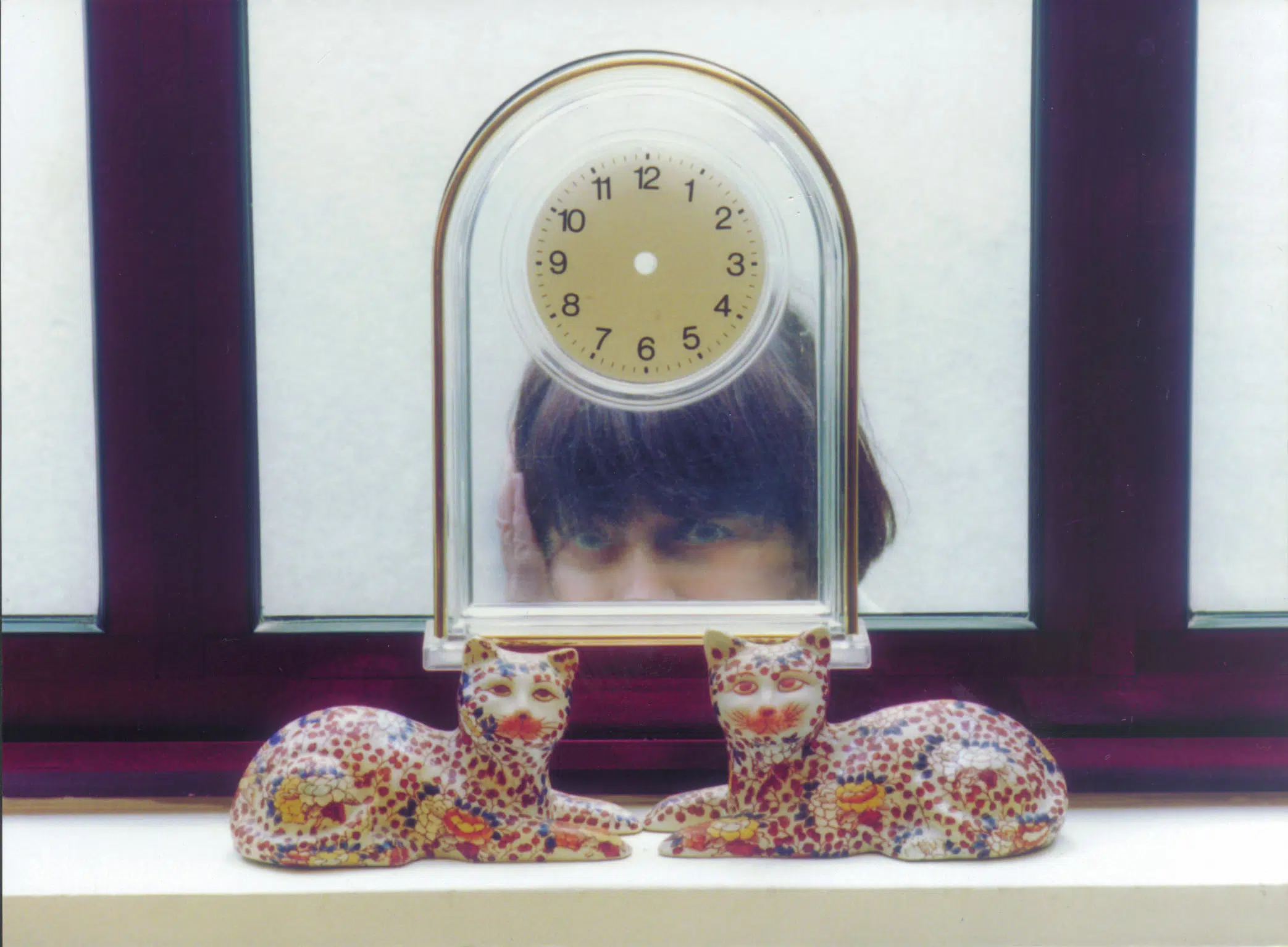
“Varda’s sense of play, fun, silliness and humor comes from a collected bricolage of incident, travel and people.”

A Column on Film Criticism by Justine A. Smith

“Happiness for someone, then, is only achievable at the expense of someone else’s full experience?”
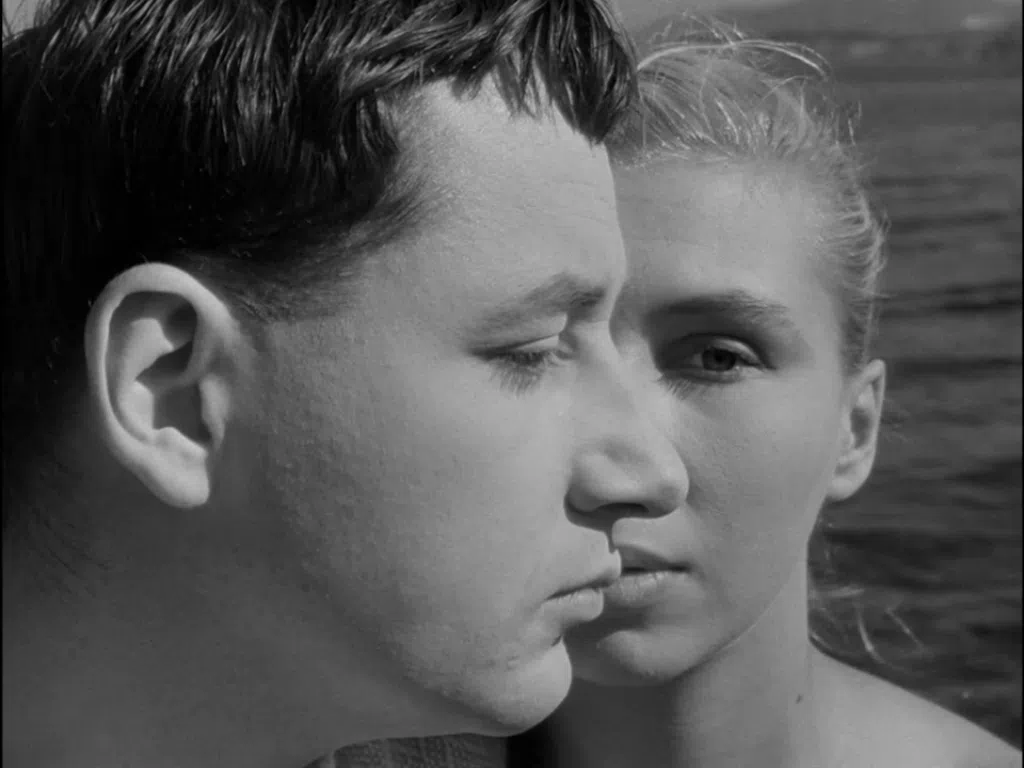
“How unusual to see a woman’s perspective on love presented so plainly as Varda does in ‘La Pointe Courte.'”