Some Kind of Connection: Loss and Technology in the Films of Sophy Romvari
Mike Thorn Interviews Filmmaker Sophy Romvari


Mike Thorn Interviews Filmmaker Sophy Romvari

“Attieh and Garcia have ironically made a movie that metatextually gives Sergio the respect he doesn’t deserve. If he were real, he’d be absolutely thrilled to be the star of a movie that’s so unique, and so genuinely cool.”
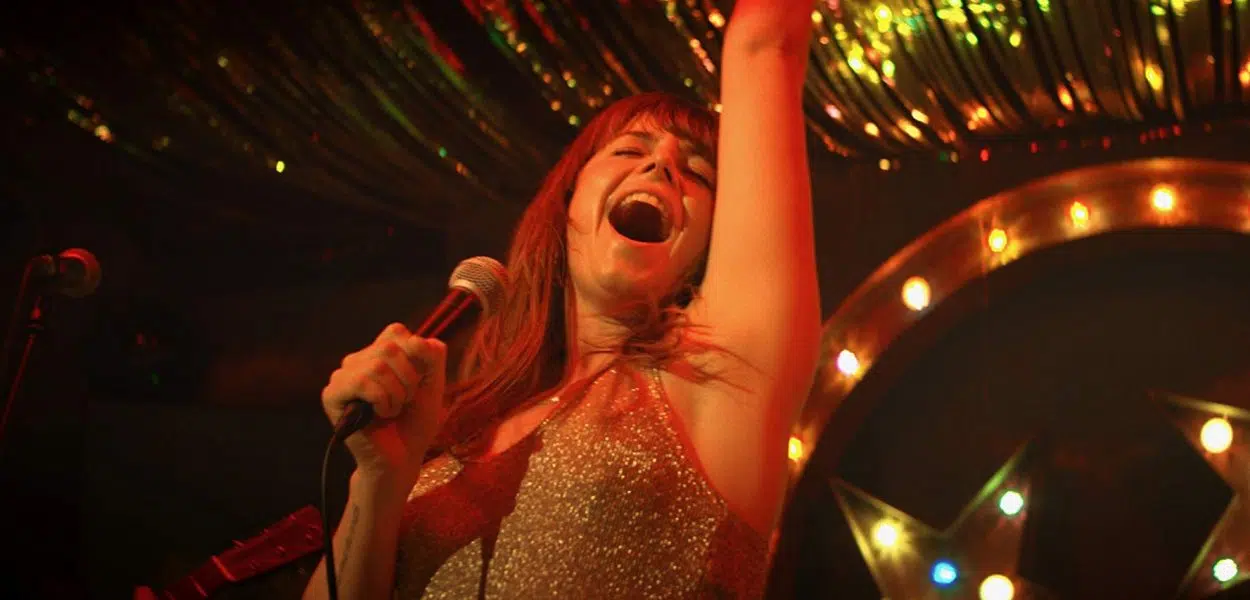
“‘Wild Rose’ has the makings of a movie deathly afraid of validating a ‘bad mother,’ even if it comes at the expense of the protagonist’s internal consistency.”
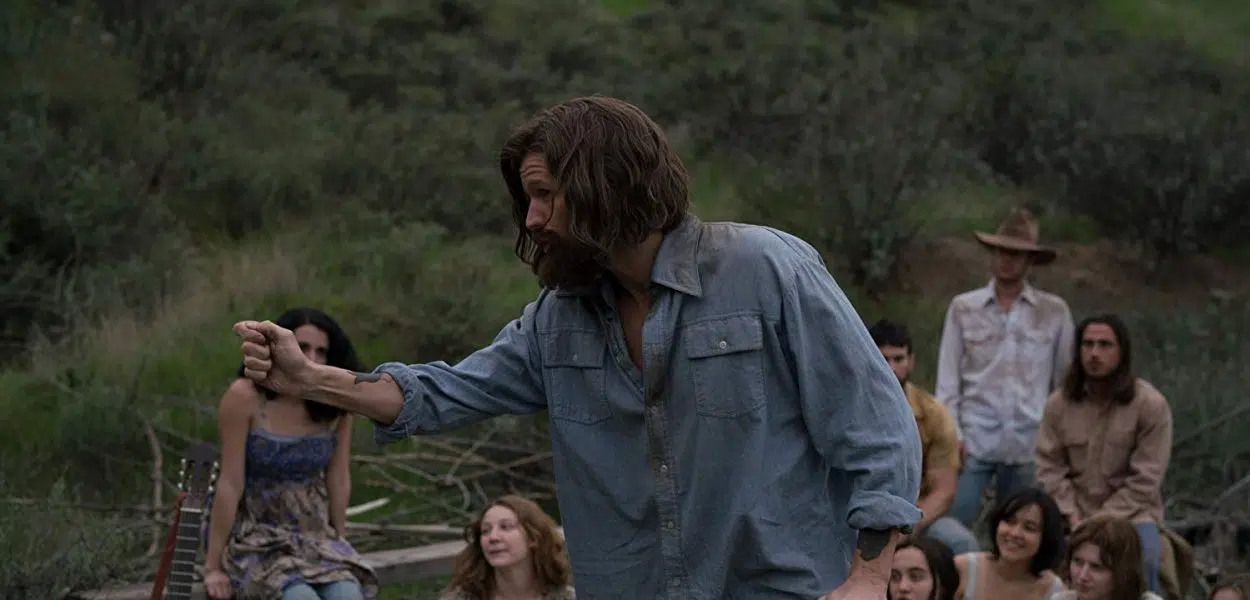
“If ‘Charlie Says’ marks the official kickoff of Manson-50-years-later discourse, we’re lucky that it prioritizes the insidiousness of his ideology.”

“‘After’ plays it too safe start to finish. And aside from whatever discussions might emerge concerning the representation of toxicity, masculinity and toxic masculinity, the lack of originality is the film’s Achilles heel.”

“By viewing a family over three generations, the audience can see patterns that the characters themselves cannot, and then see patterns in their own lives as well, hopefully.”
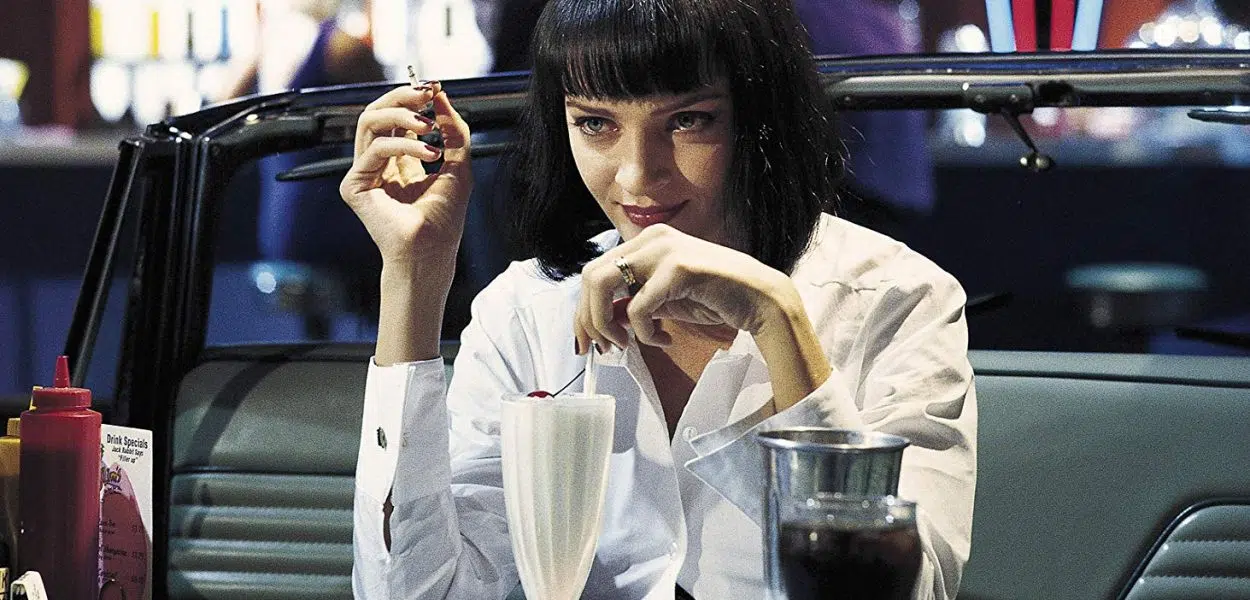
“As a whole, ‘Pulp Fiction’ hinges on the audience’s awareness of tropes, and it offers something new by subverting expectations.”

“No one in ‘Buffaloed’ shines brighter than Deutch, who gives a performance that will completely redefine her as an actress.”

“Some of Avildsen’s men turn to violence. Some of them turn to crime. Some of them turn inward. All of them know that somehow, some way, they must turn. They cannot survive, let alone win, without surrendering some part of themselves.”

“‘Mean Girls’ might be a teenager itself now, but the movie’s popularity continues to grow as a whole new generation falls in love with its cast of crazy characters, messages of inclusion and impressively high joke rate.”
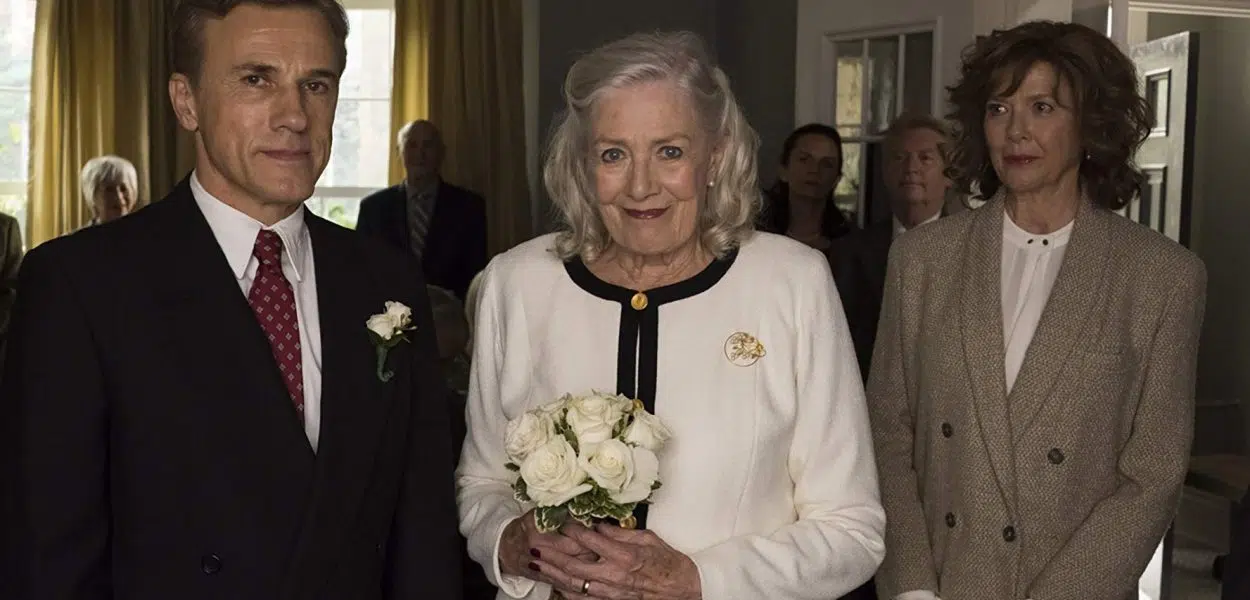
“‘Georgetown’ is far from an egregious festival bomb, but Waltz’s directorial craftsmanship lacks the flair of his performance work.”

“‘JT LeRoy’ is a movie suiting those who, at minimum, can entertain the idea that we might not get what we desperately want.”
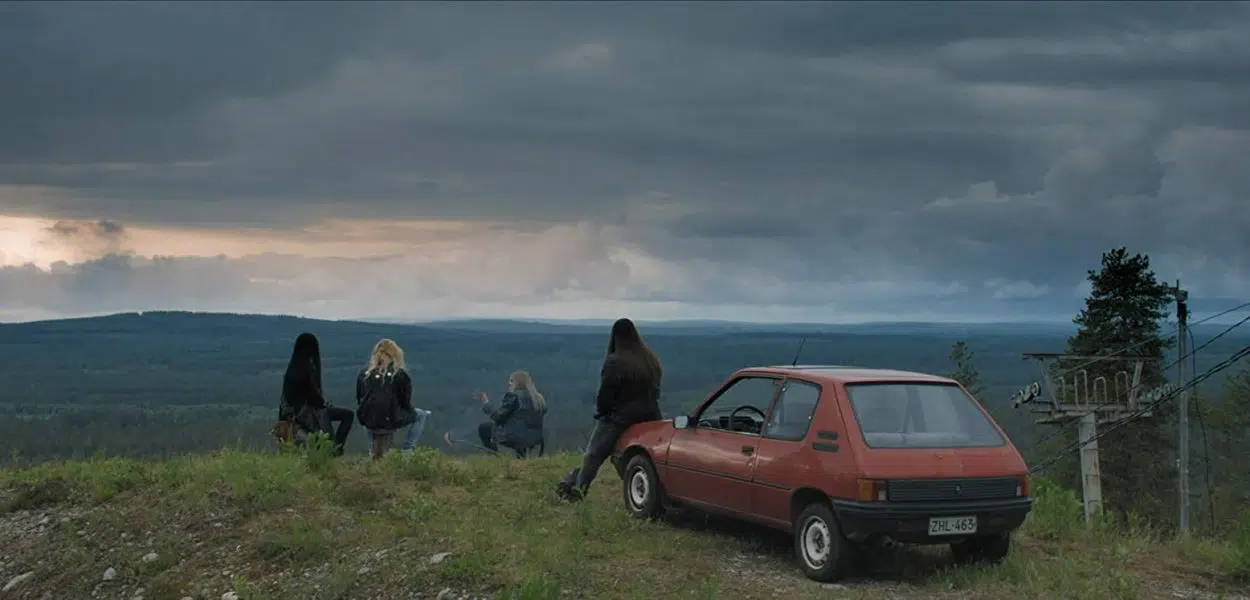
Pablo Staricco Cadenazzi Interviews ‘Heavy Trip’ Directors Juuso Laatio and Jukka Vidgren
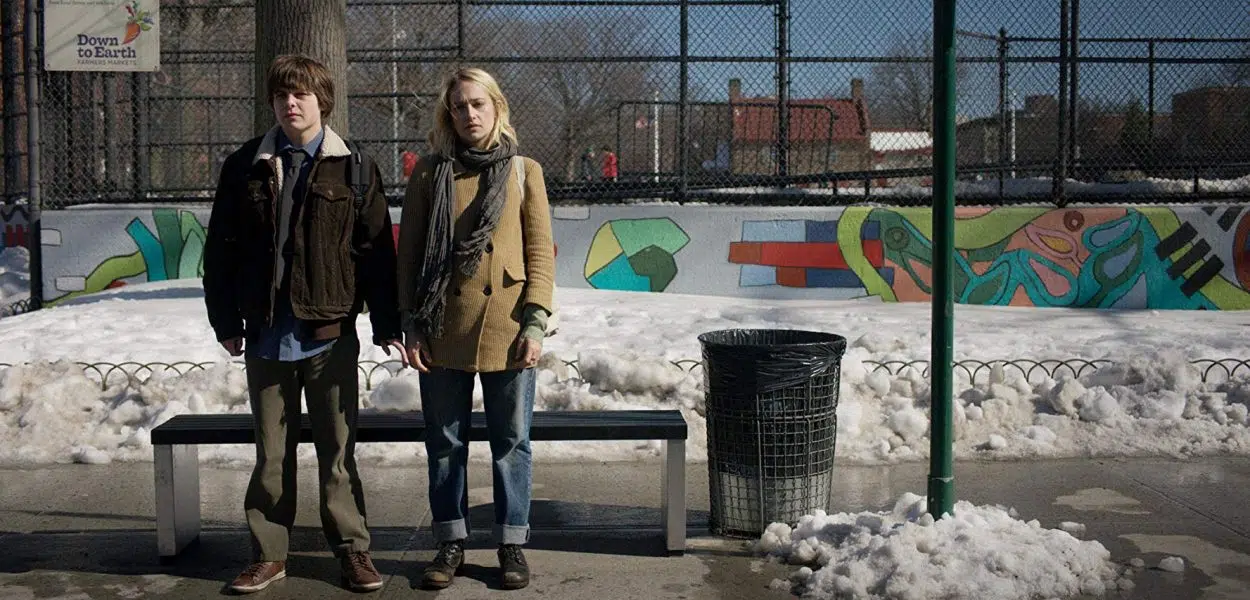
Pablo Staricco Cadenazzi Interviews Writer-Director Melissa Miller Costanzo
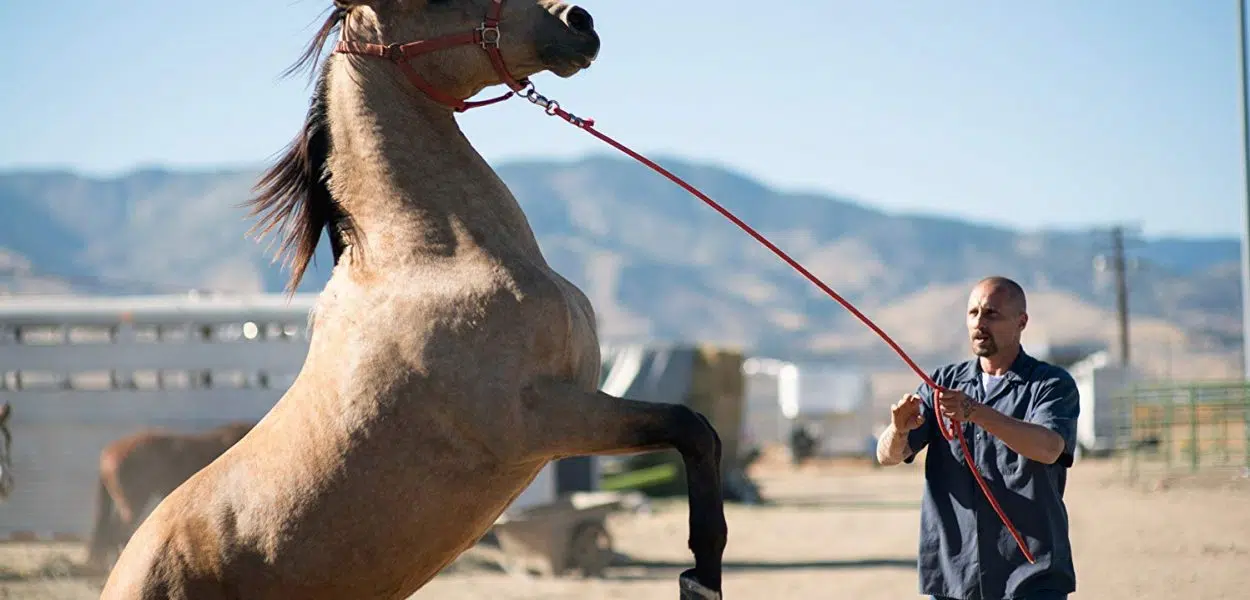
“Not all of Clermont-Tonnerre’s story moves hold up under logical scrutiny, but ‘The Mustang’ succeeds despite its familiarity.”
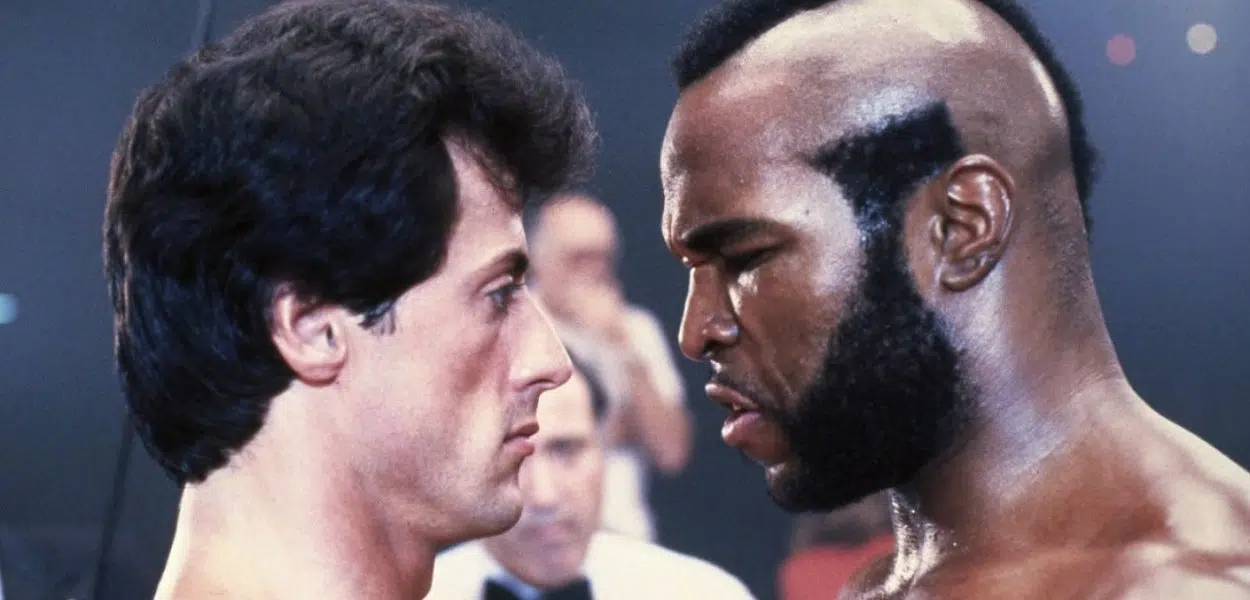
“There are things about ‘Rocky III’ that definitely raise eyebrows — its racial dynamics and maybe even its class politics — but ultimately it shows a fighter overcoming his opponent by reaching out to those around him and confronting the problems within.”

“Das’ direction examines one’s reluctance to imagine the future in any detail during childhood. She highlights the transformative power of nature, the way it allows one’s true self to shine through and thus inspires the pursuit of hidden passions.”

“With their uncomfortable blend of sexual politics, dark comedy, quirky star power and social and moral critique, it’s no wonder moviegoers didn’t know what to make of Kaplan’s satirical stories when they were first released.”

“What is perhaps most remarkable about the rise of Nirvana — and the industry’s hastily assembled appellation “alternative rock” — is the belief by many at the time that it had come from nowhere…”
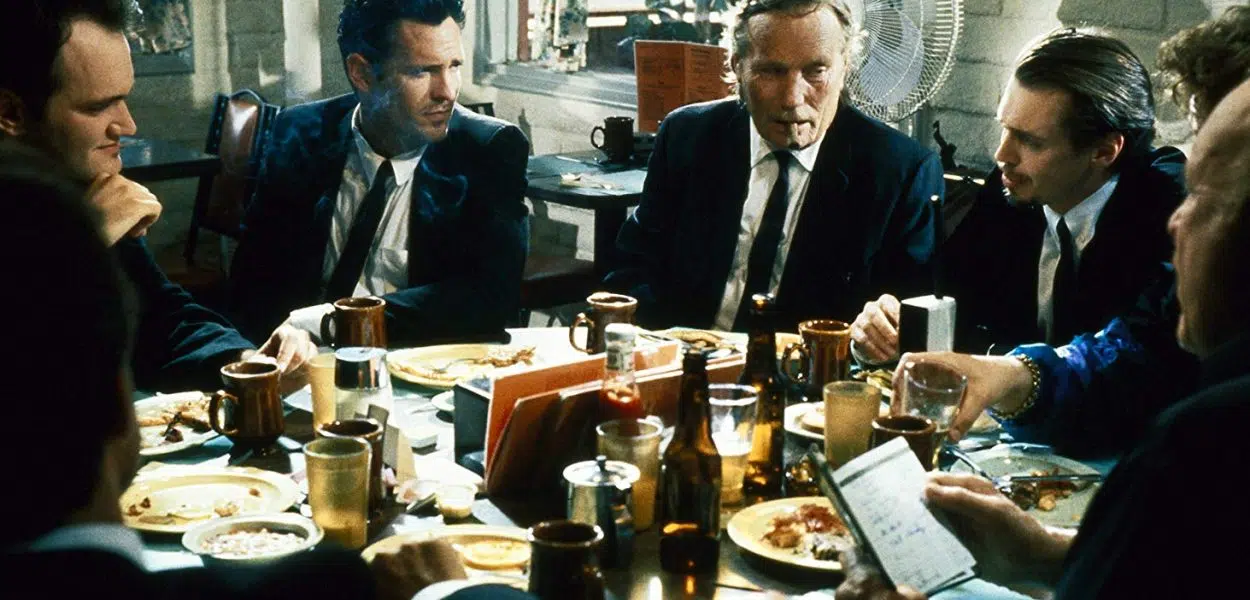
Welcome to John Brhel’s “Once Upon a Time In Tarantinoland” — a look back at all eight of Quentin Tarantino’s feature films. First up: ‘Reservoir Dogs.’