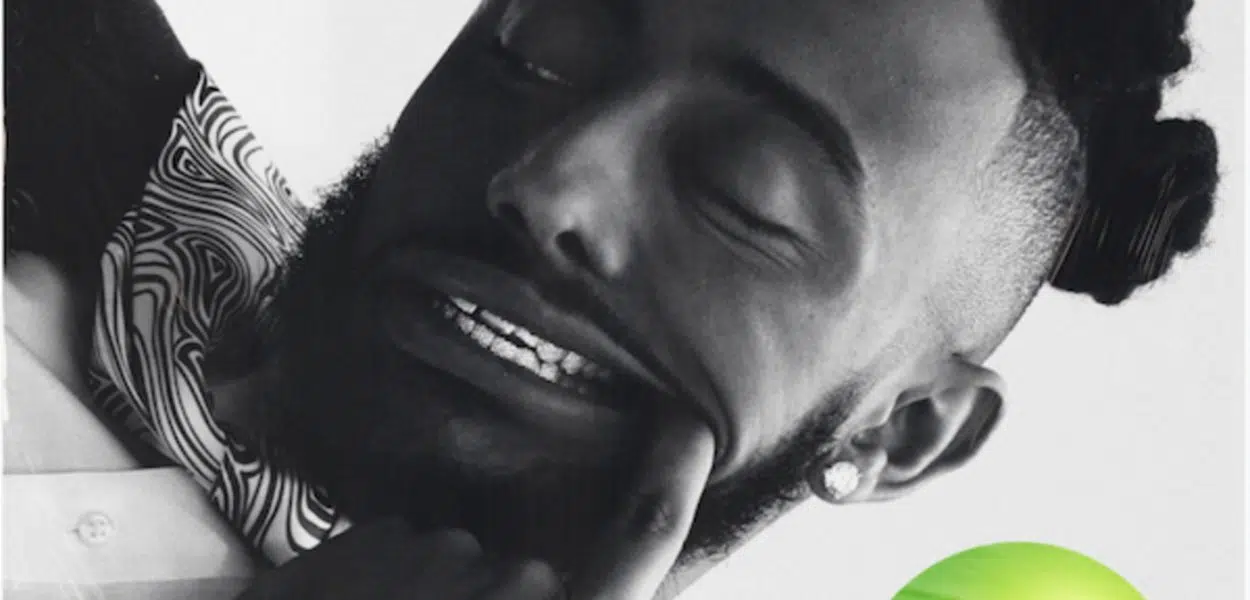
“‘Limbo’ lacks some of the irreverent charm that drew listeners to Aminé in the first place, but there’s still plenty of perceptiveness and creativity at the heart of his approach even in this less certain, more contemplative next phase.”
“‘The Go-Go’s’ boasts a treasure chest full of archival content in all shapes and sizes, and the imagery almost always complements the anecdotes told by the subjects with delightful detail.”
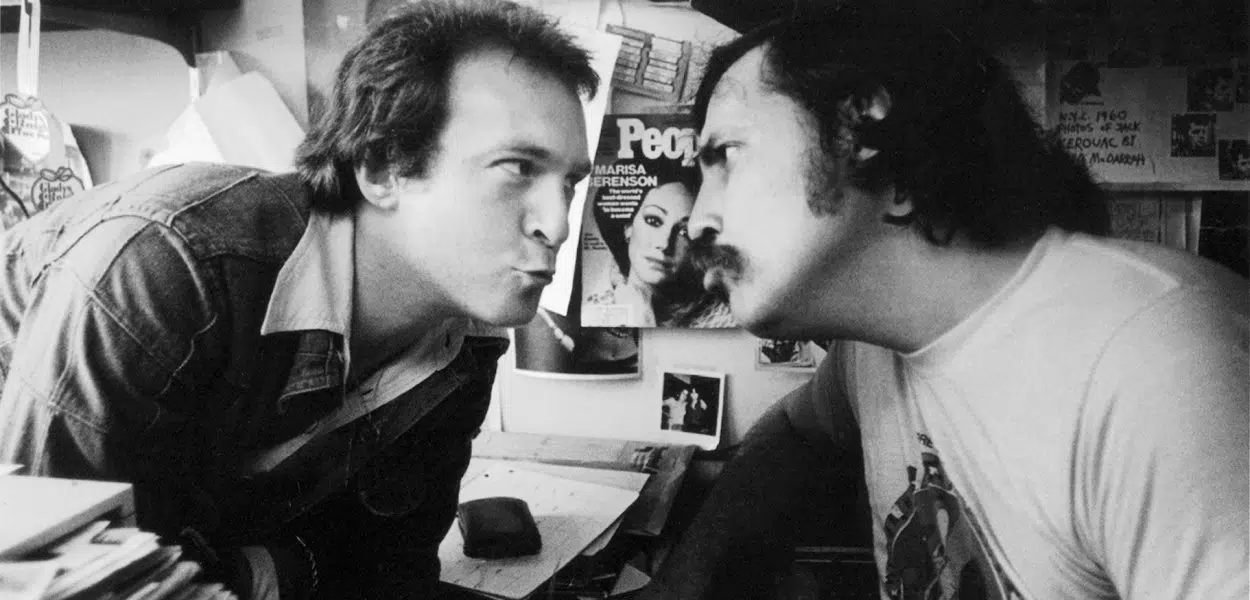
“There was nothing else like ‘CREEM’ back then, and there’s still nothing like it now. That’s not only a testament to the importance of the magazine, it’s also a sad commentary on what’s lacking in modern music criticism.”
“‘Memories of Underdevelopment’ shares with ‘Pixote’ a cautious destabilization, a sense of how long can this last, of tipping points, radical reform and the capricious aftermath.”
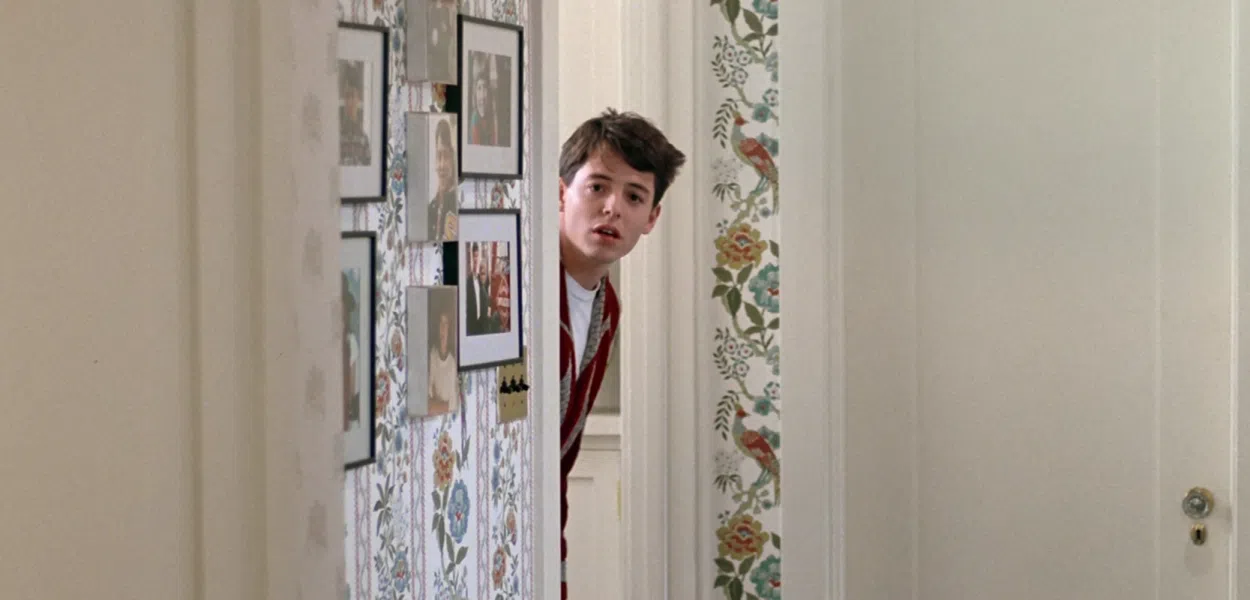
“If Ferris Bueller and his day off resemble something else universal, it is liberation. In the context of the journey, this is best understood as the ability to be in transit.”
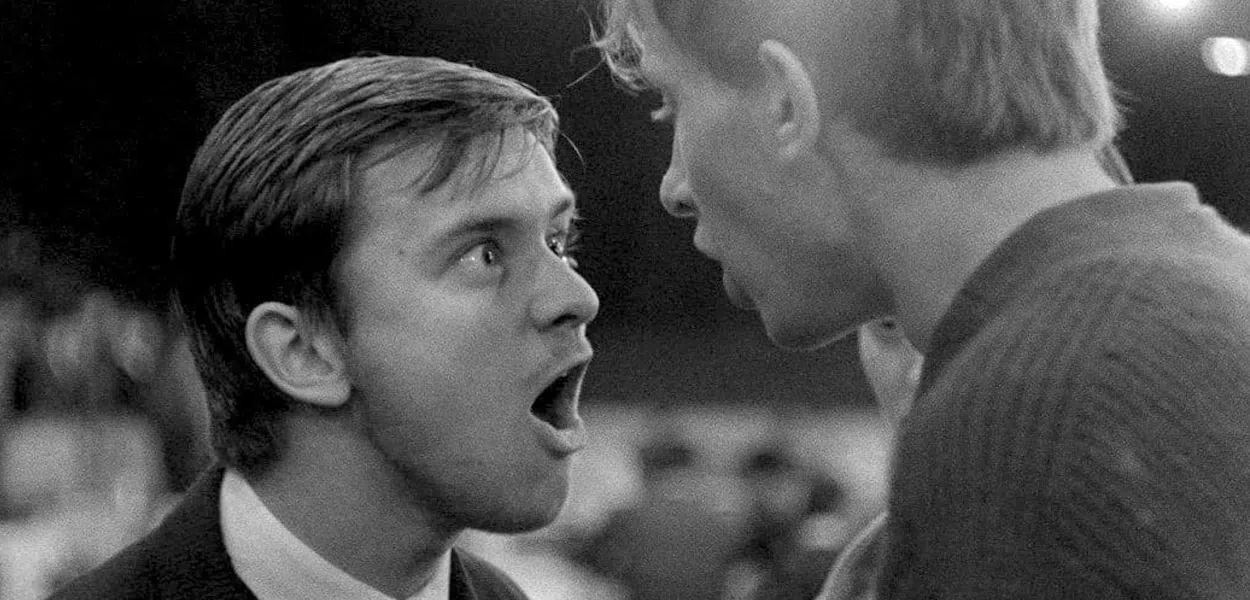
“As a character study, Miloš Forman’s feature directorial debut presents a realistic vision of a boy’s attempt to come of age; a path full of setbacks without a tidy resolution.”
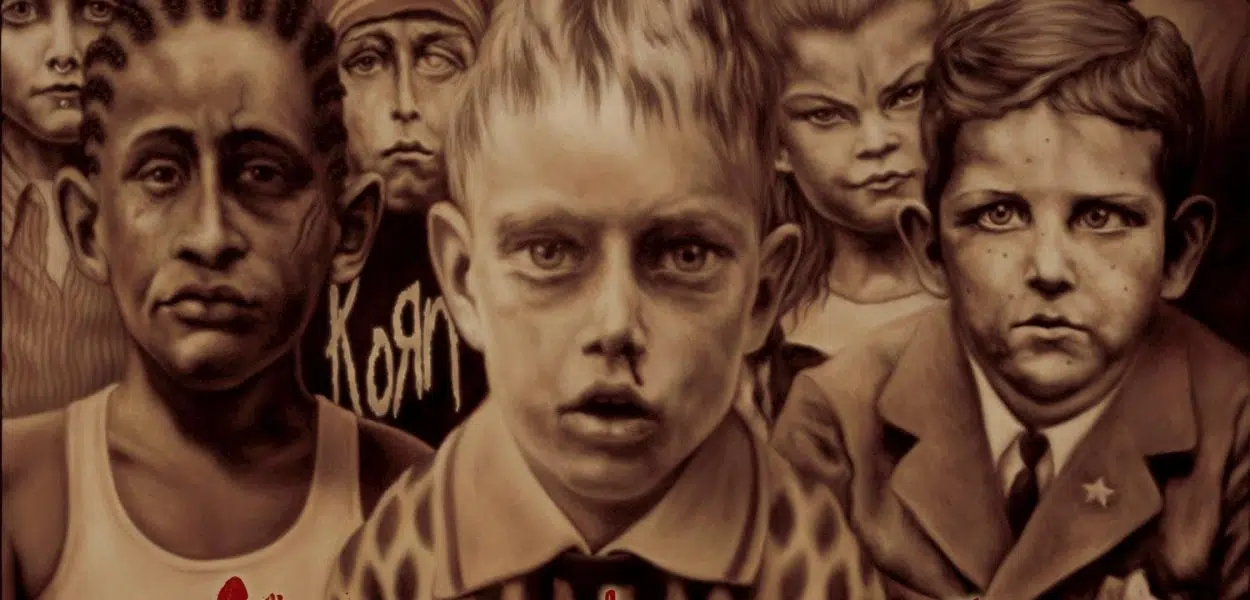
“Davis’ mandate has always been to offer solace for sad kids, but his lyrics reside more often in the inescapable experiences of pain, isolation and frustration than in the pursuit of recovery.”
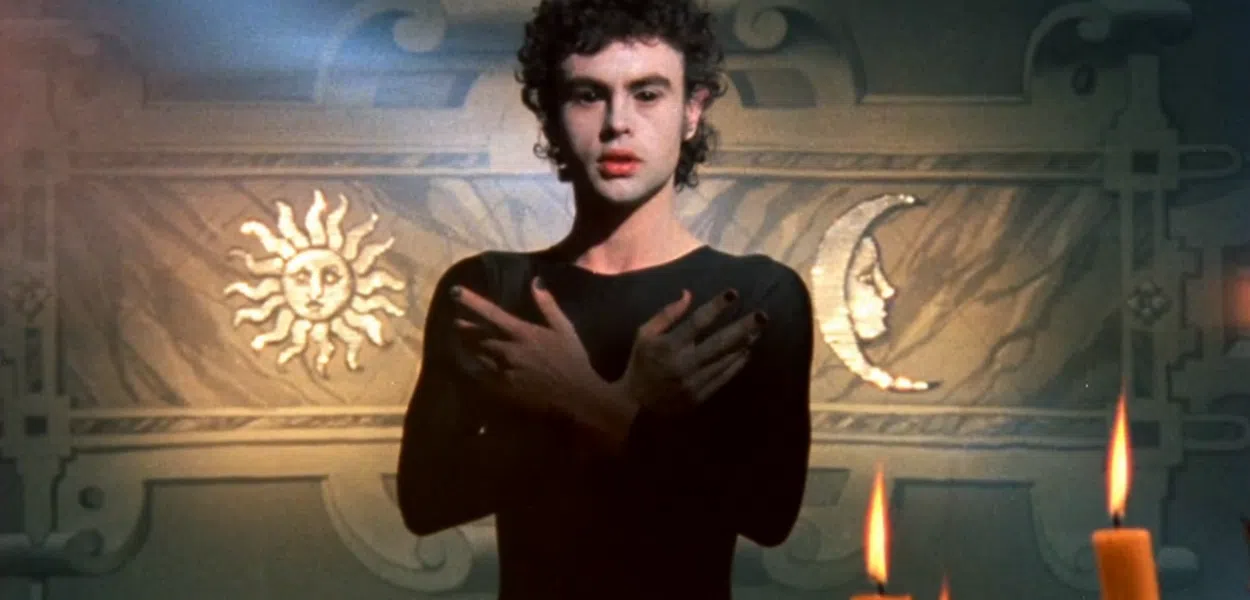
“I was taken with You Don’t Nomi’s comfortable attitude toward the complexity and ambiguity of a text that can support and sustain such wildly opposite readings.”
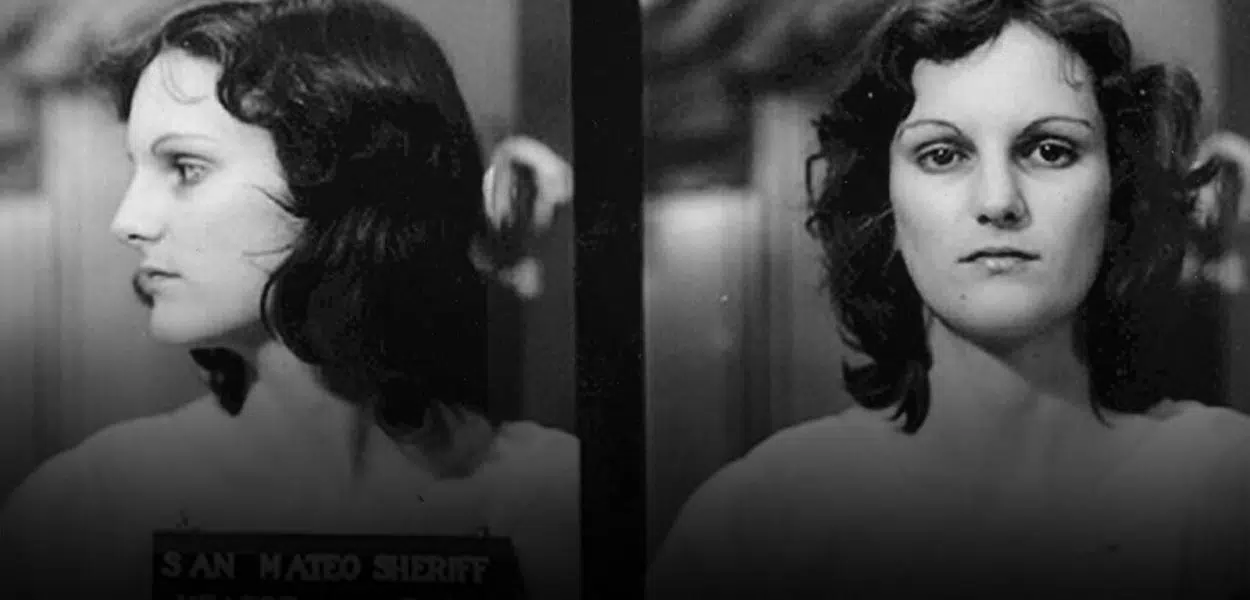
“In all her dramatic iterations, Patty Hearst stands for an American purity that was always illusory but remains hallowed, that successive generations have set out to wrest back from the forces of complication.”
“‘A Hero’s Death’ is an articulate, energetic work, bristling with moody post-punk fury, and it signals an incremental consolidation and increased sophistication to the still-green quintet’s robust, fulsome sound.”
“If New Hollywood was an attempt to shape the future in novel ways, Bogdanovich was manifestly more interested in looking back, in reaction over revolution, in conforming his artistic impulses to an unambiguously Golden Age Hollywood influence.”