The Spirit of Revolution: How World Cinema Defined the 1920s
“There is a danger and dynamism to 20s cinema which was gradually eradicated by the standardisation of production processes.”

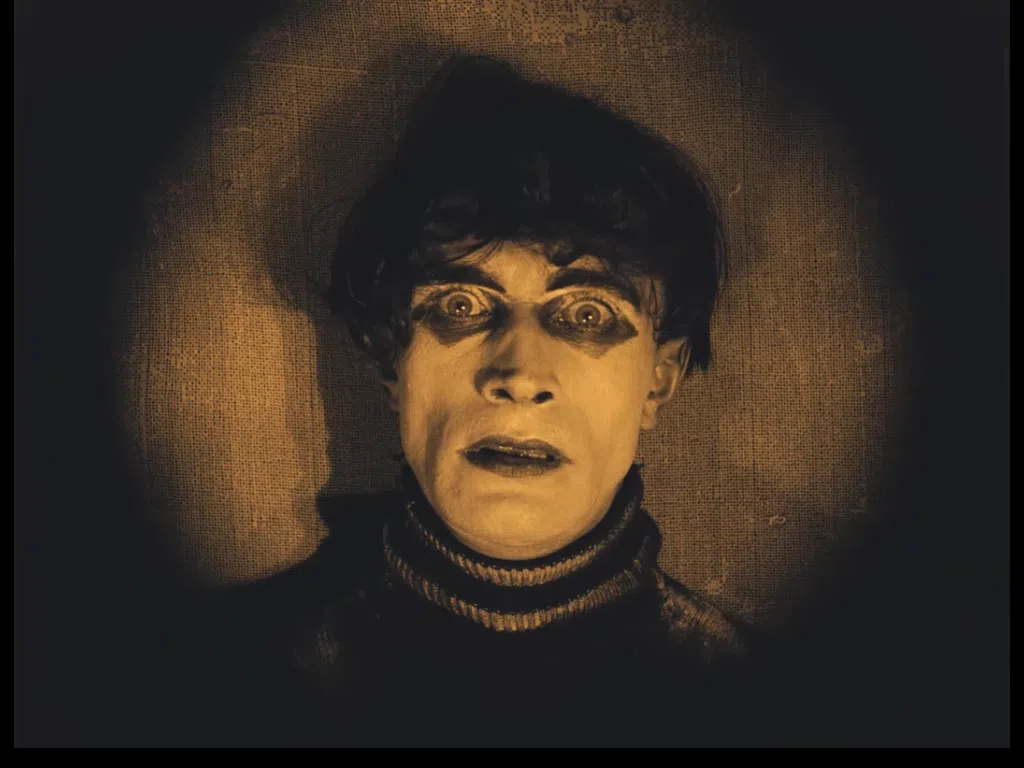
“There is a danger and dynamism to 20s cinema which was gradually eradicated by the standardisation of production processes.”
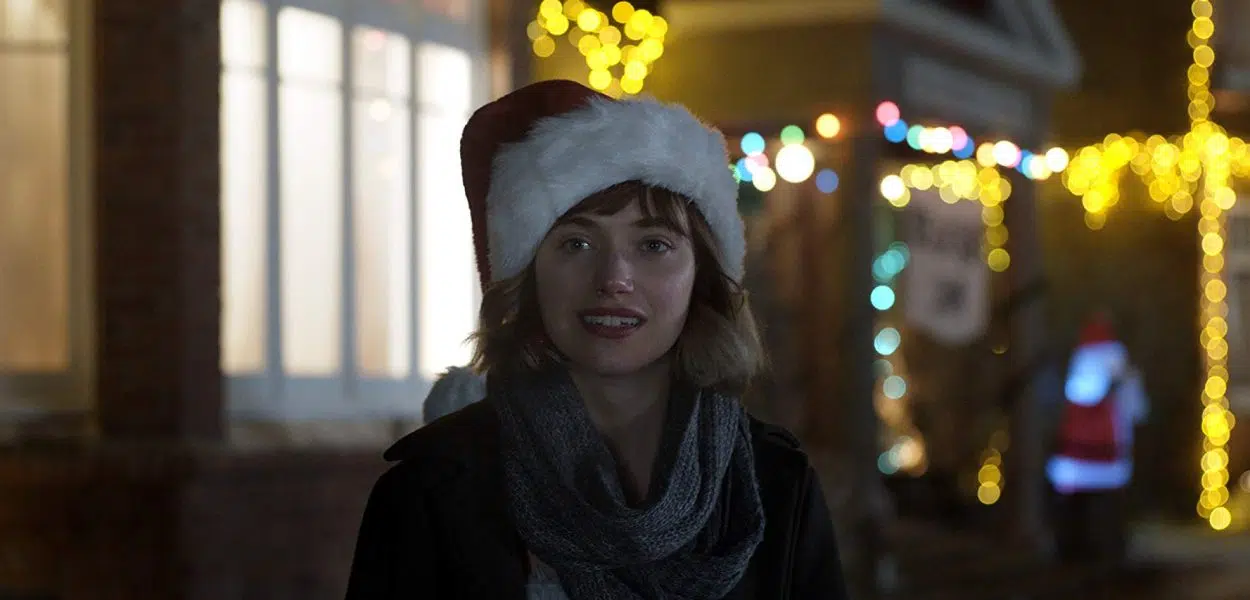
“Playing with of-the-moment vocabulary familiar on college campuses, the latest ‘Black Christmas’ upends several slasher conventions, even if the film is a step down from the director’s excellent ‘Always Shine.'”

“Lewton’s insights into both childhood and adult inner personal conflicts are legacies which deserve recognition in the foundational history of horror, both for psychological thrillers and fantasy films.”
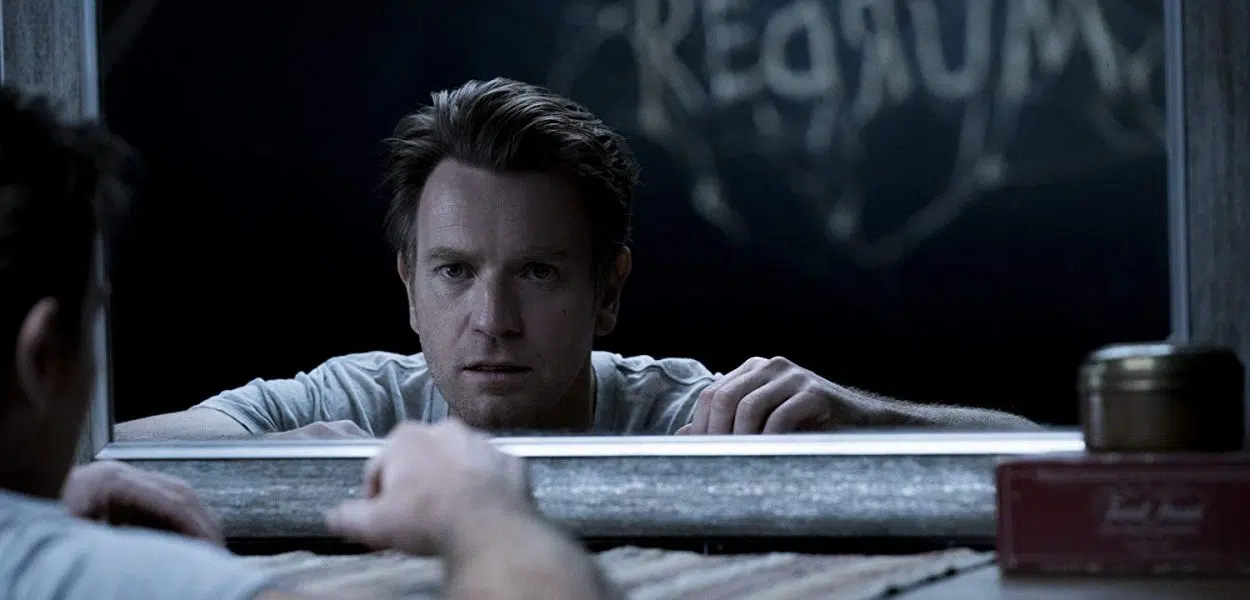
“In a weird way, Flanagan might have inadvertently made the best X-Men movie to date.”
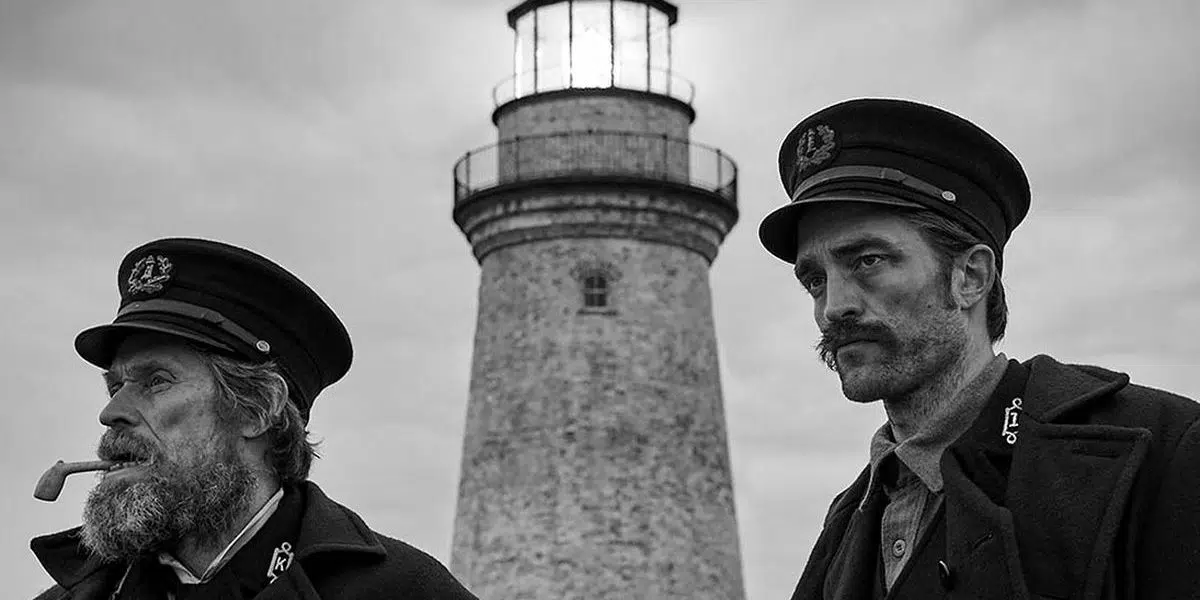
“‘The Witch’ may be the superior film, but ‘The Lighthouse’ shows Eggers growing by leaps and bounds as a storyteller and visual stylist.”
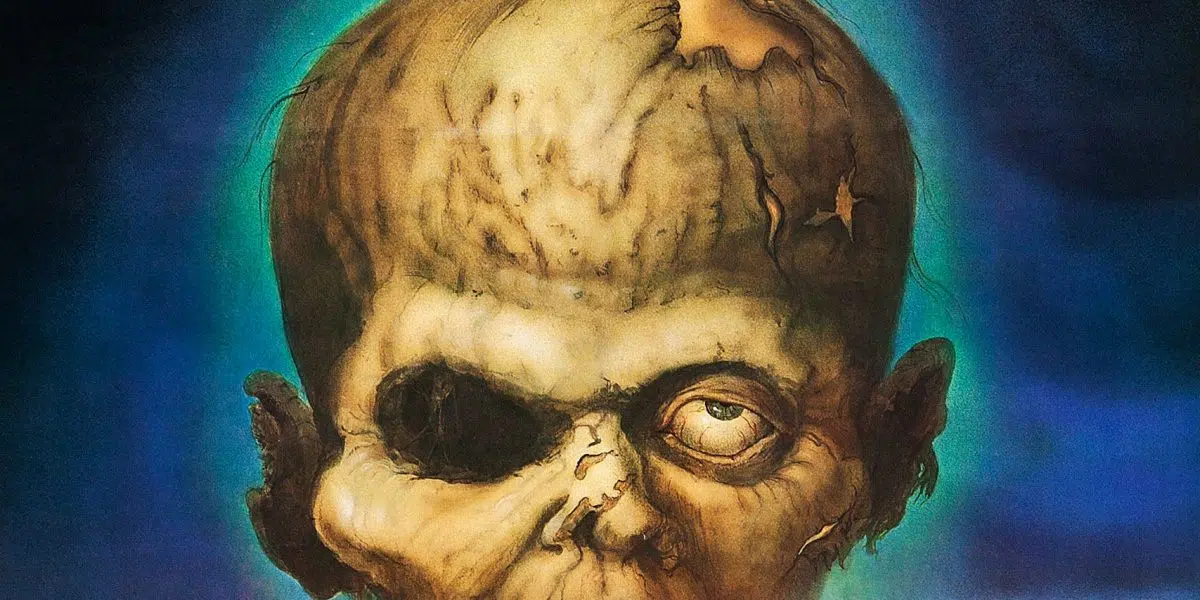
“This is a world where faith, governments, businesses, families and the other institutions humans have built will all crumble, just like human bodies, which will inevitably succumb to their fragility and fall victim to total destruction.”
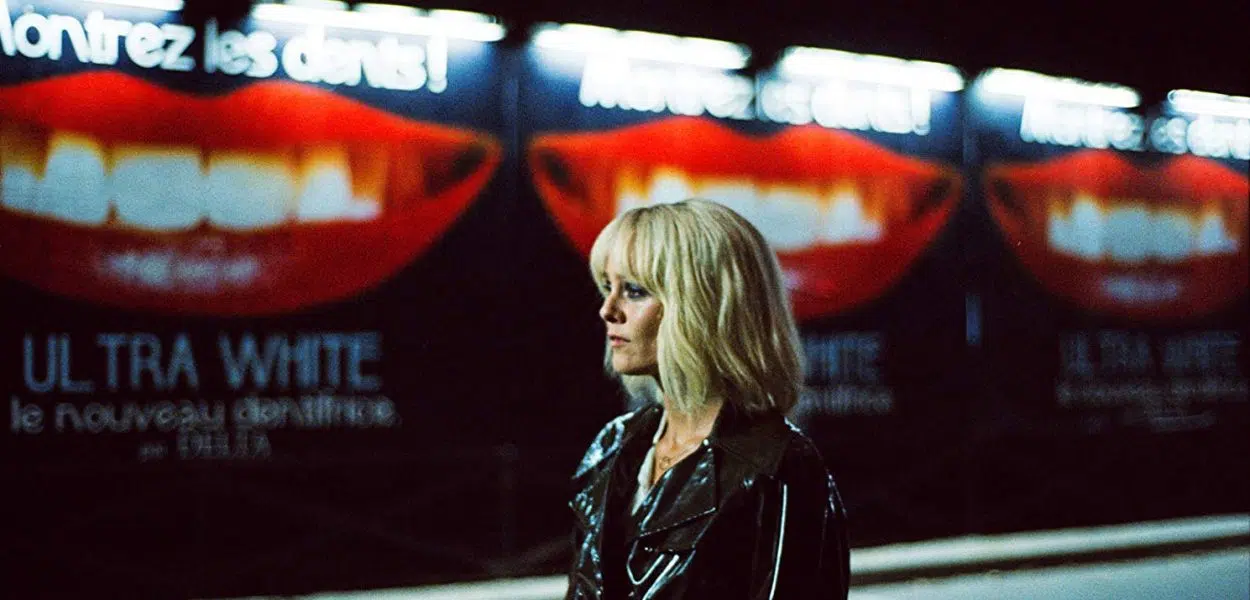
“As a love letter to a cinematic wave of films that were (and are) often dismissed as style devoid of substance, ‘Knife+Heart’ triumphs in both story and genre evolution.”
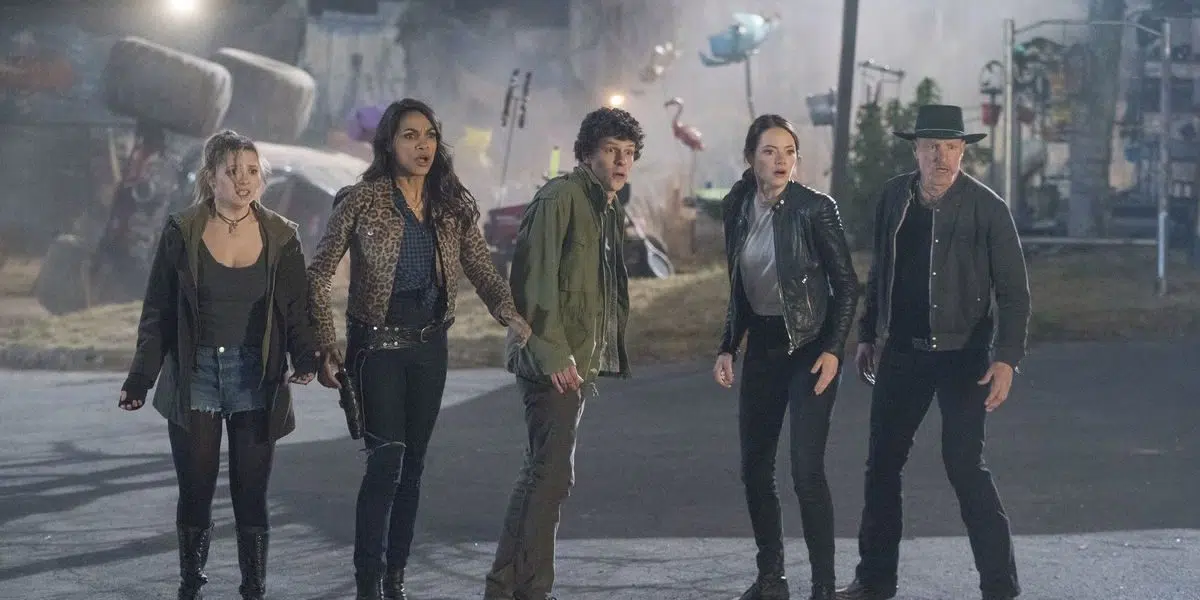
“Despite the warmed-up leftovers, ‘Zombieland: Double Tap’ manages to locate a few bright spots, and none are more appealing than Zoey Deutch.”

“What allows Cattet and Forzani’s films to flourish is that they modify cinematic influences to accommodate today’s instant gratification culture.”
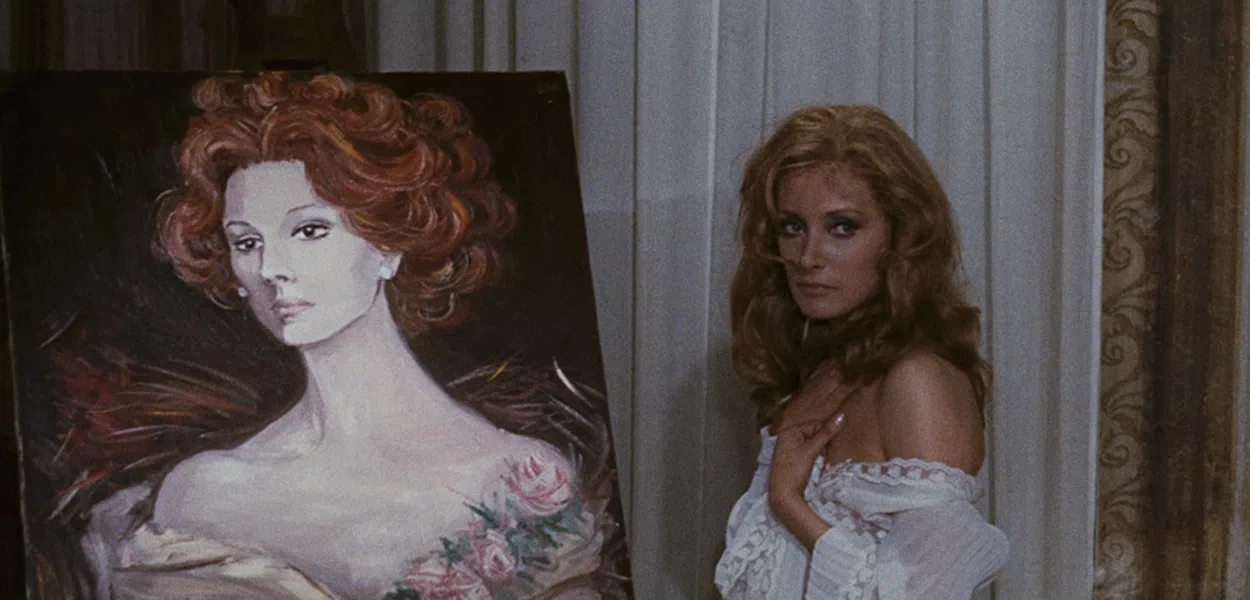
“Miraglia’s deliberate interweaving of castles and glimmering blades taps into the one element that both Gothic and giallo art share: the ability to taffy-pull delight from terror. Both Poe and Bava would tip their hats.”
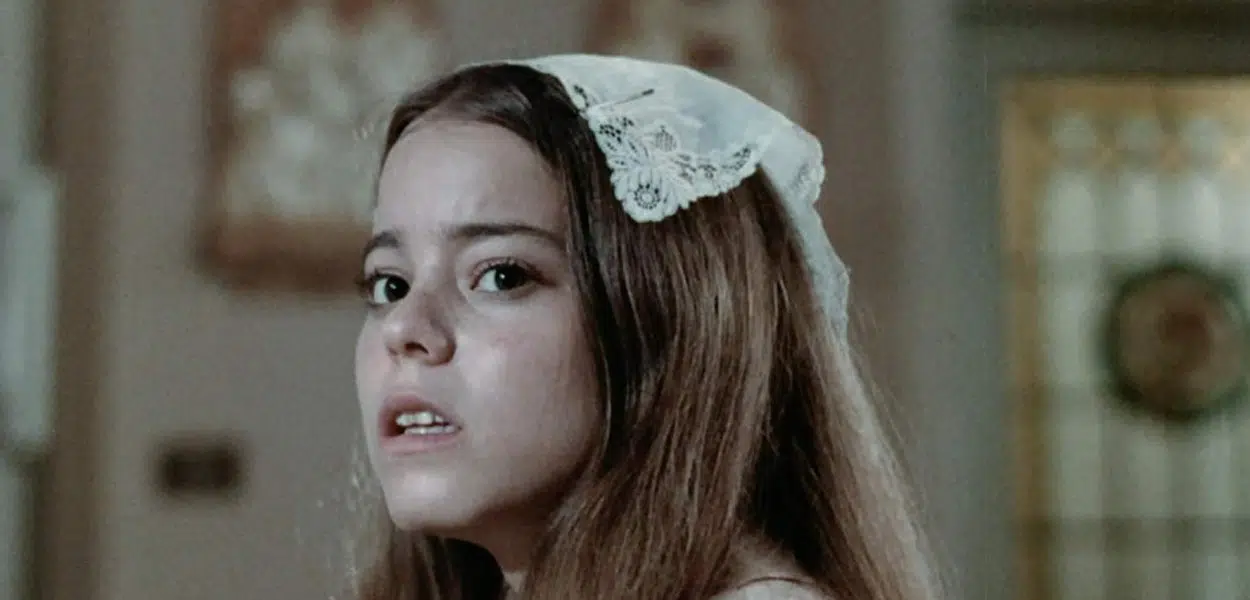
“Alice, Sweet Alice’s attitude is an unforgiving one. What, Sole asks, is the difference between Alice, who hurts because she’s sociopathic, and the zealous Ms. Tredoni, who hurts out of righteousness?”
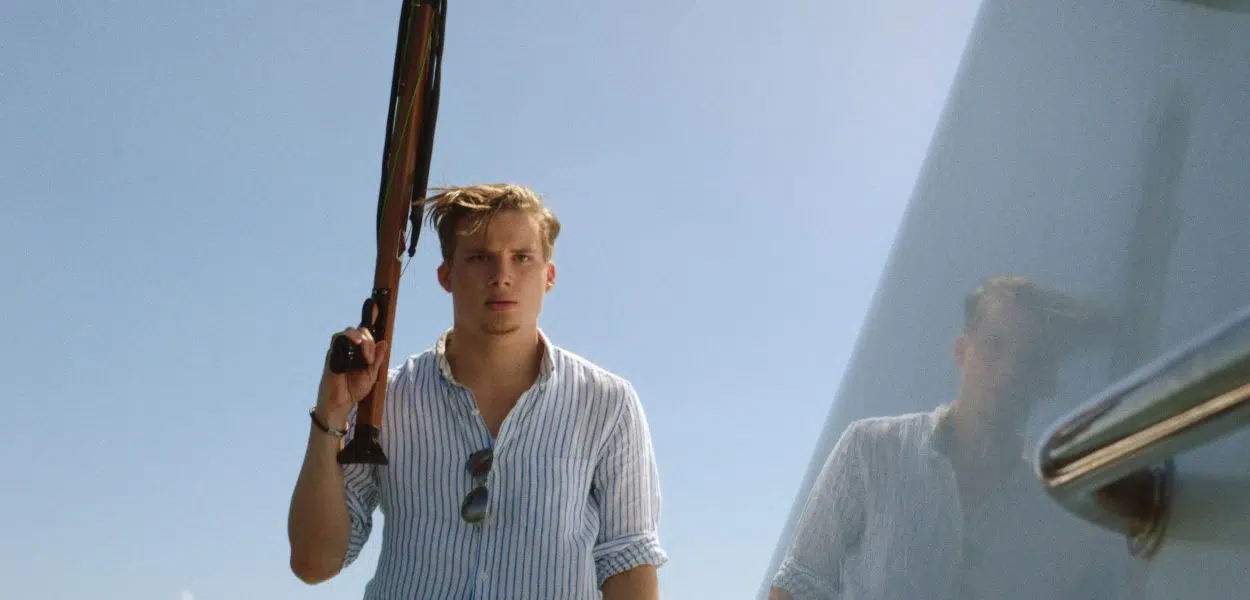
“Rob Grant’s ‘Harpoon’ exudes all the sly confidence of a well-prepared and half-in-the-bag wedding table orator.”
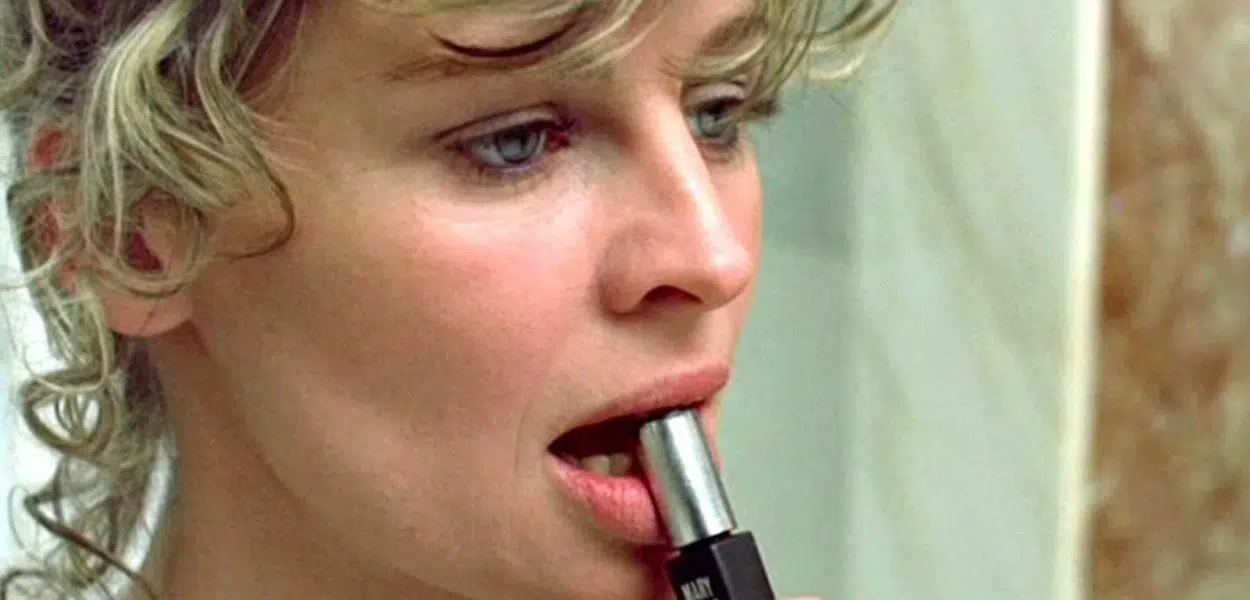
“‘Don’t Look Now’ stands as one of the best iterations of the giallo film. It takes the best elements of the commercialized Italian psycho-thriller and presents them with a Hitchcockian flair.”
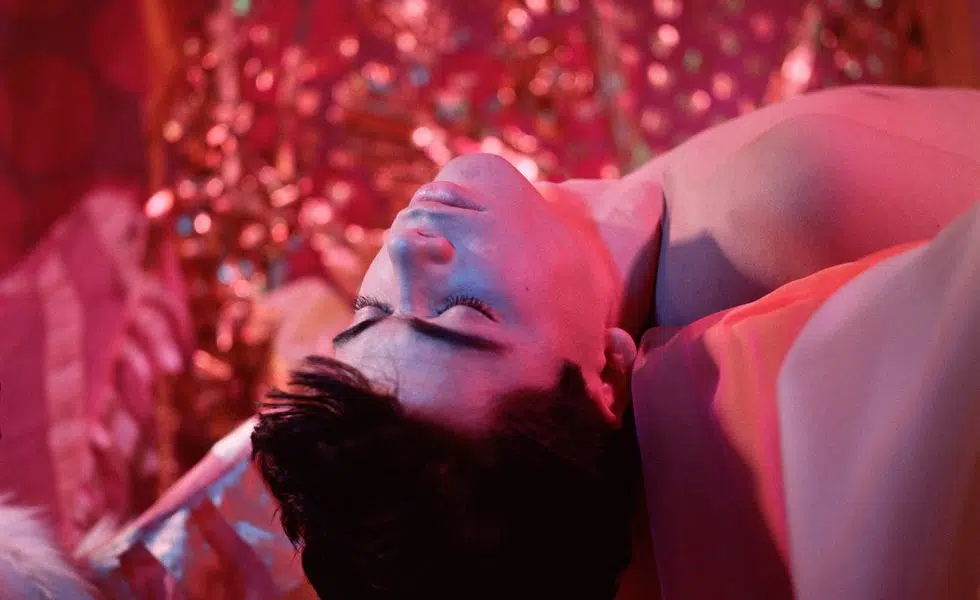
“Fantasy exists to create a place of greater safety, a rejection of the real world in favour of one that allows for an open, unapologetic queerness.”
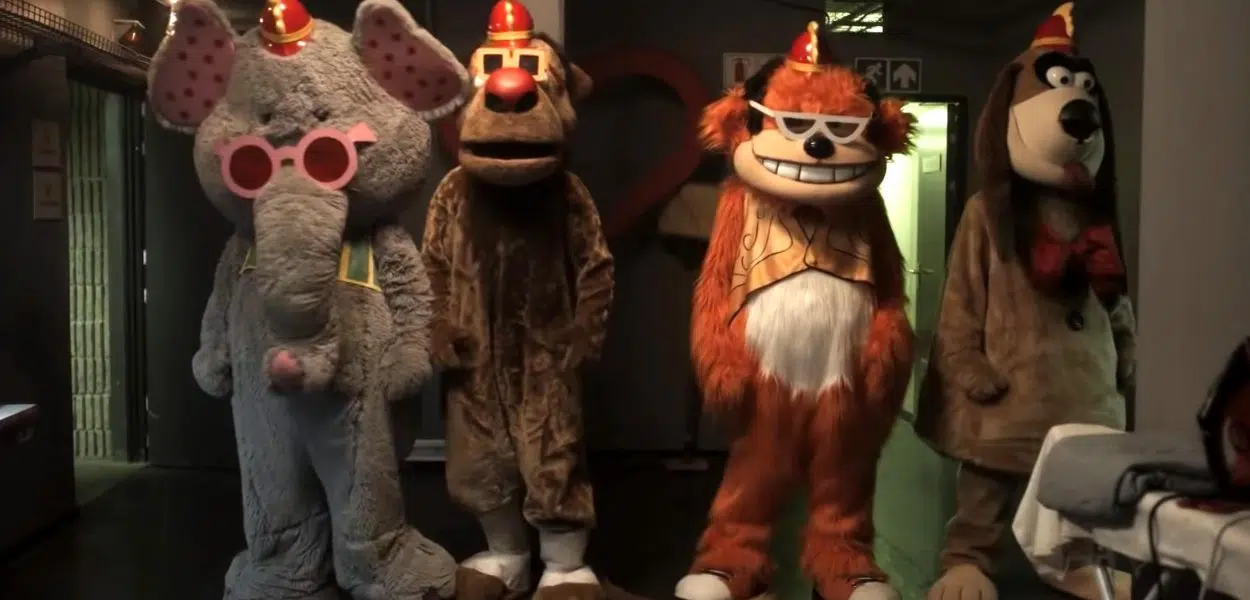
“Esterhazy’s direction is consistently flat and uninspired given the nonstop opportunities for twisted weirdness, but the failure of ‘The Banana Splits Movie’ can be pinned almost entirely on the sawdust-packed script…”
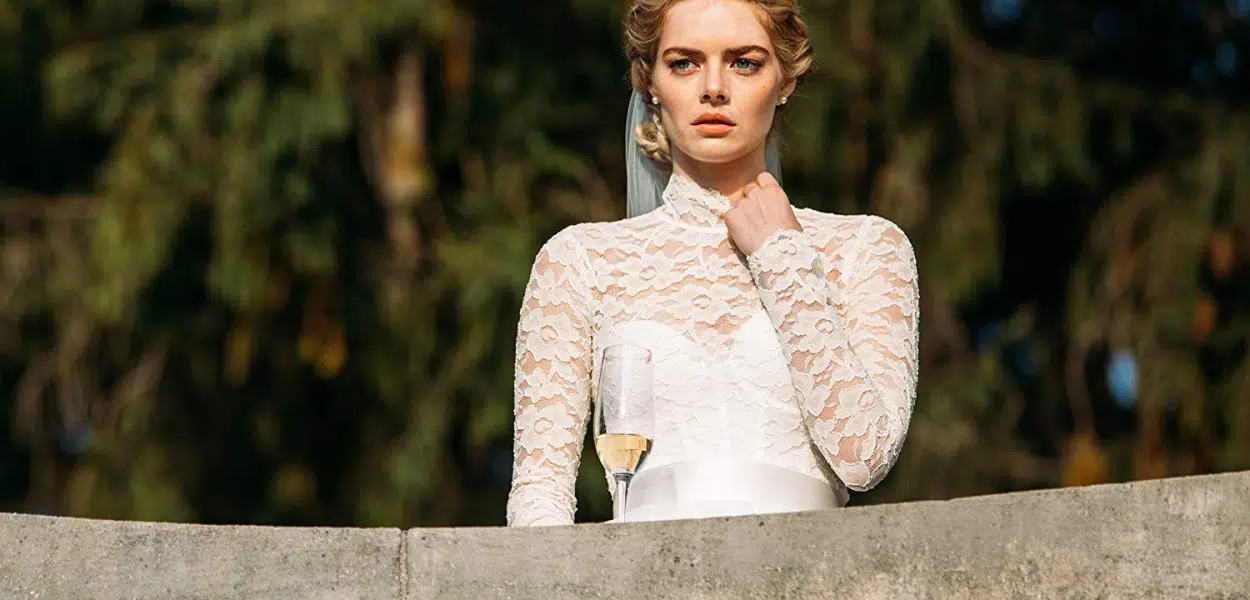
“As a kind of grown-up ‘Clue’ in reverse, complete with the tribute appearance of a pepper-box revolver, ‘Ready or Not’ also lays out a motley assortment of Colonel Mustard and Mrs. Peacock-worthy opponents hell-bent on dispatching Grace prior to sun-up.”

“An efficient script and commanding central performance from Sarah Bolger produce a memorable film with mostly intelligently drawn characters.”
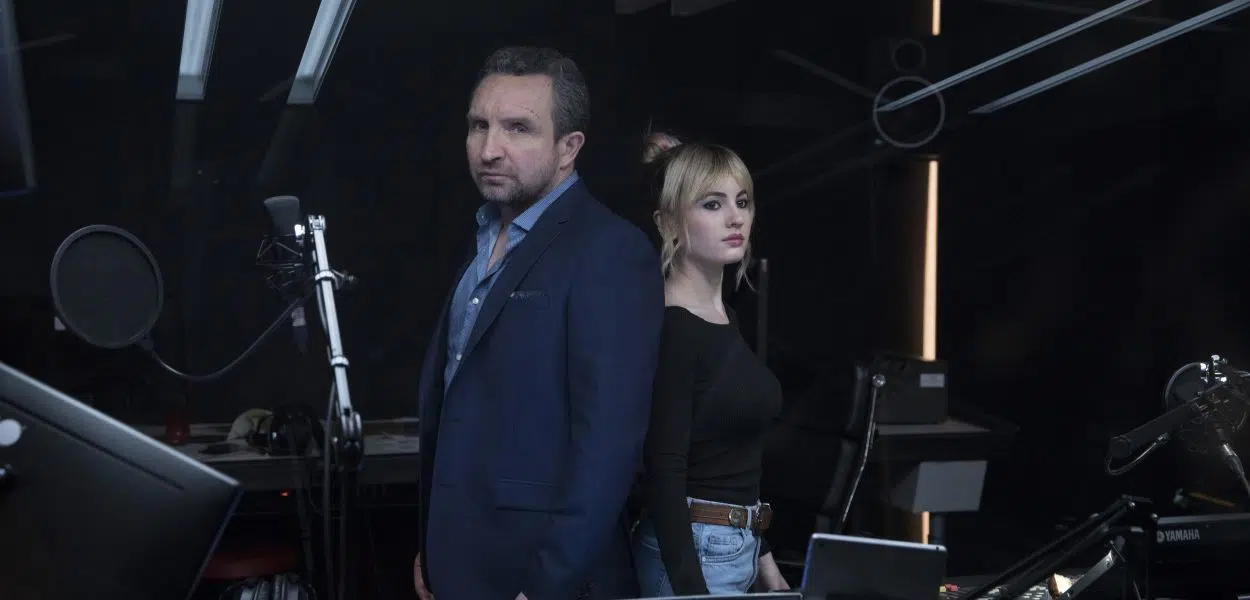
“From a technical perspective, ‘Feedback’ is extremely potent for long stretches. However, in aspiring to be relevant to current affairs, the film eschews effective simplicity for confused complexity.”
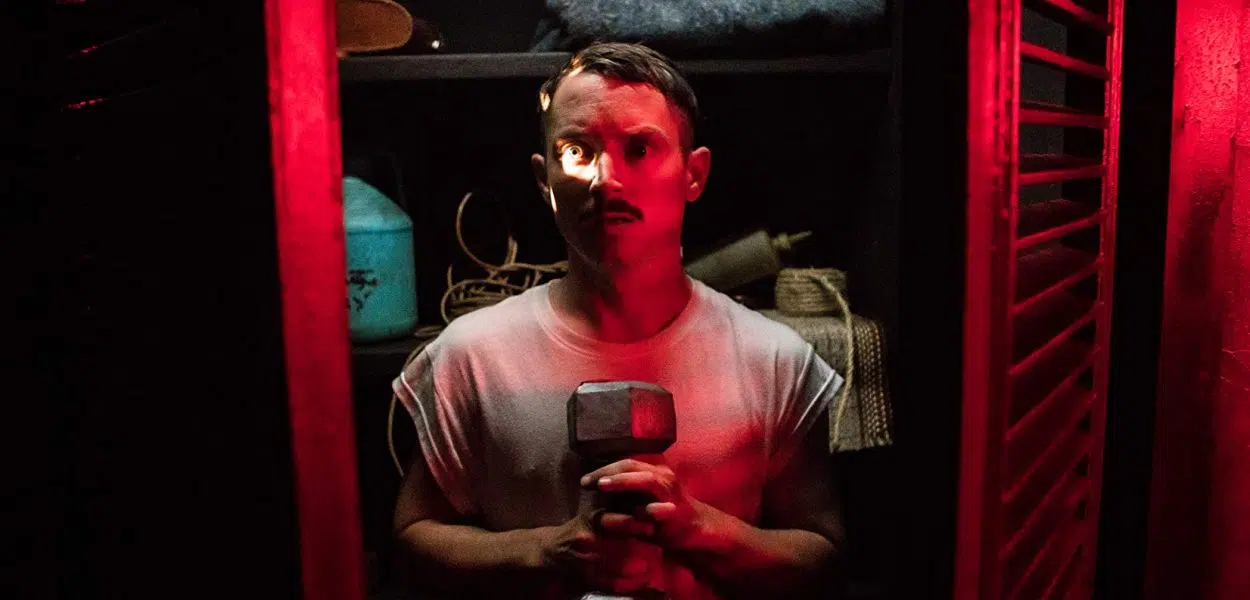
“Although ‘Come to Daddy’ slightly loses while accelerating to its conclusion, the splatter of dark comedy and dysfunctional father-son dynamics is always engaging and frequently smart.”

weet, Sweet Lonely Girl Movie Essay: Logan Kenny on A.D. Calvo’s 2016 film starring Quinn Shephard and Susan Kellermann.