Framing the Breakdown: Visual Psychosis in Lucrecia Martel’s ‘The Headless Woman’
“Martel’s film is an absolute masterpiece in visual symbolism and deserves to be seen on that basis alone.”

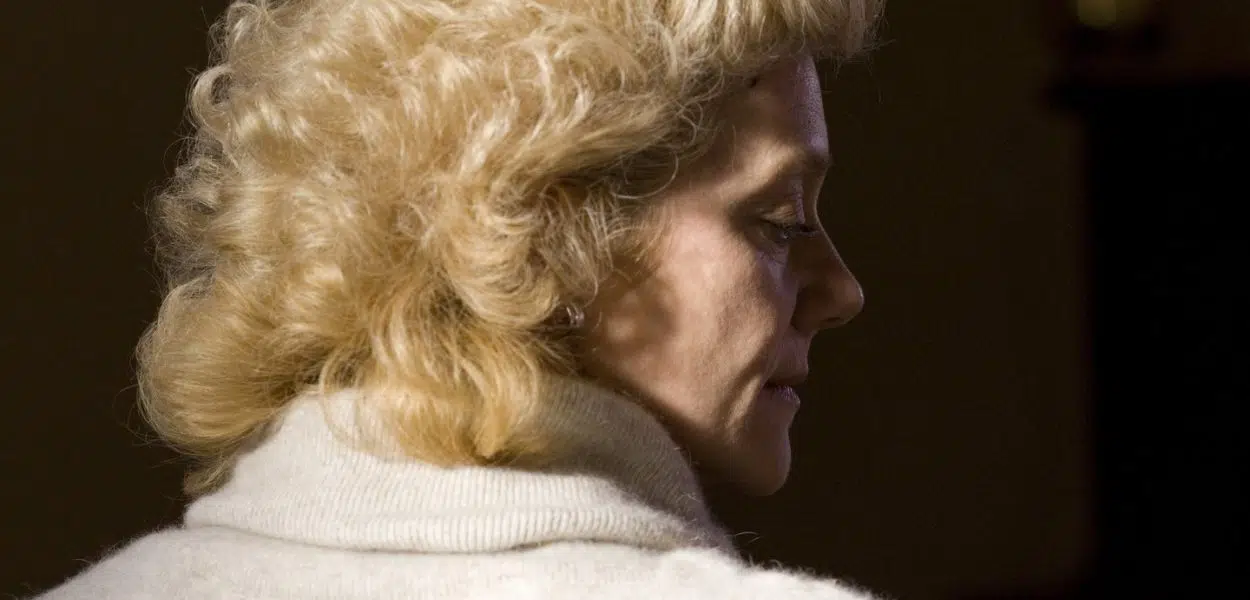
“Martel’s film is an absolute masterpiece in visual symbolism and deserves to be seen on that basis alone.”

“Painfully ironic, aggressive and humorously on point, Östlund’s films are timely cinematic pieces that put their characters’ moral compasses at stake.”
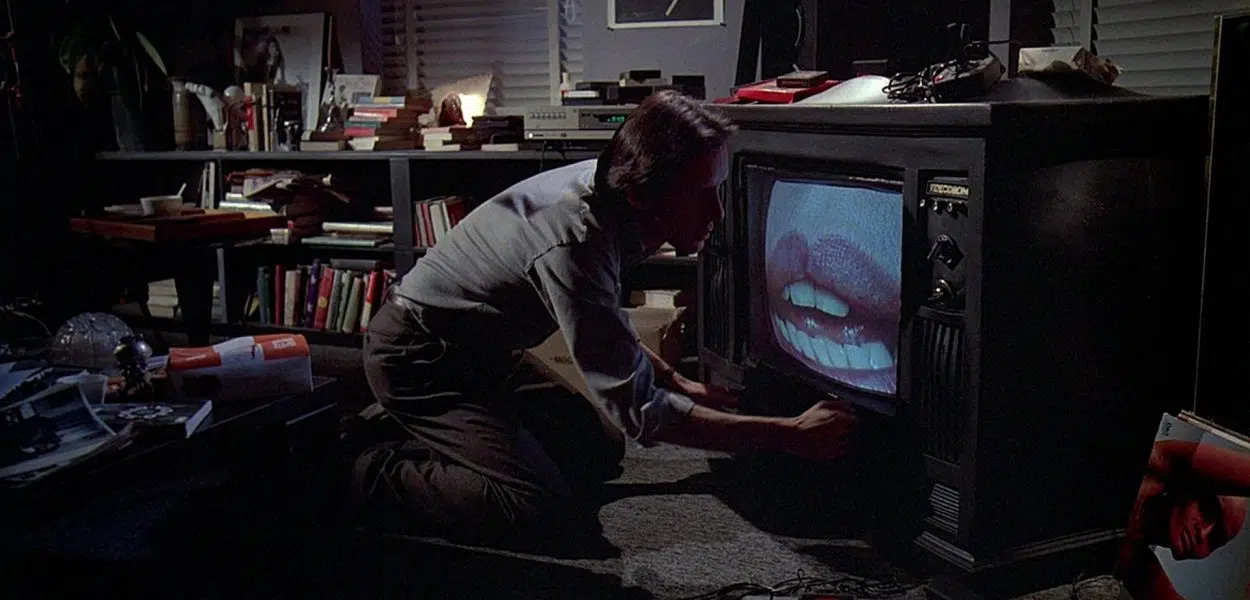
“In ‘Crash,’ sex feels like a traffic accident. In ‘Videodrome,’ it becomes the subject of a warped, projected fantasy.”
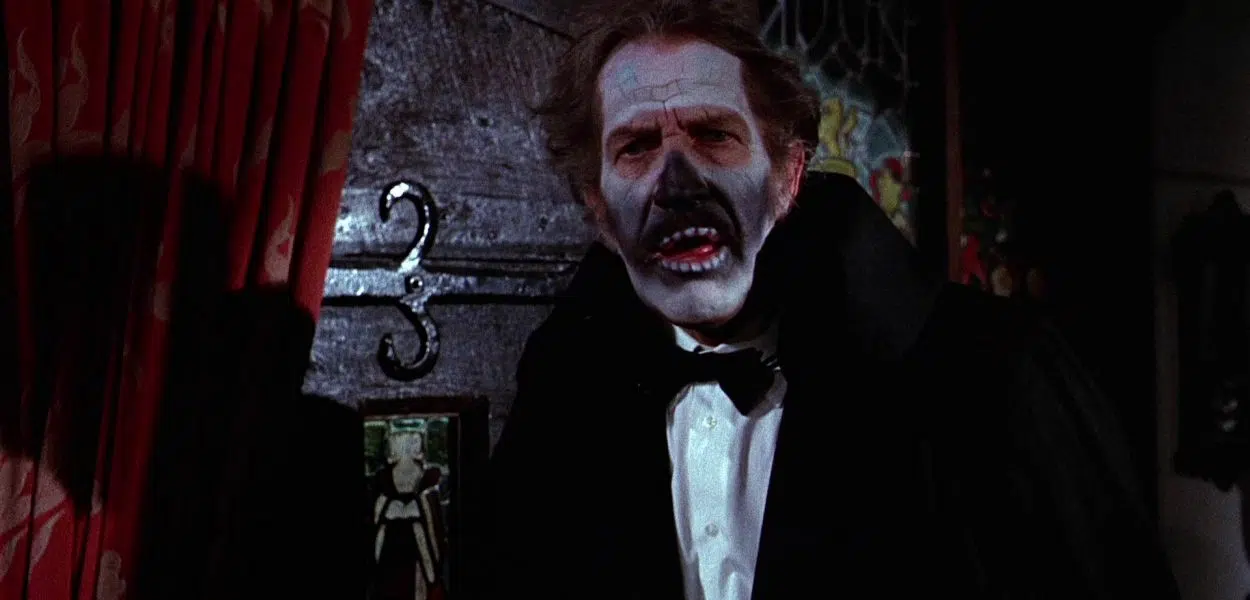
“He always took the horror genre seriously, and that often meant daring to laugh in the face of the darkest horrors, toeing the line between irony and total seriousness.”

“Observing the dangerous consequences of retreating too far into escapist entertainment, these two films suggest that beneath all this cultural noise is the unacknowledged truth that the most fervent of music nerds and fanboys may indeed be ‘scared as shit.’”

“In ‘Human Desire,’ the train tracks carry its hero into the sunny paradise of the American Dream, not the depths of noir’s endless night.”
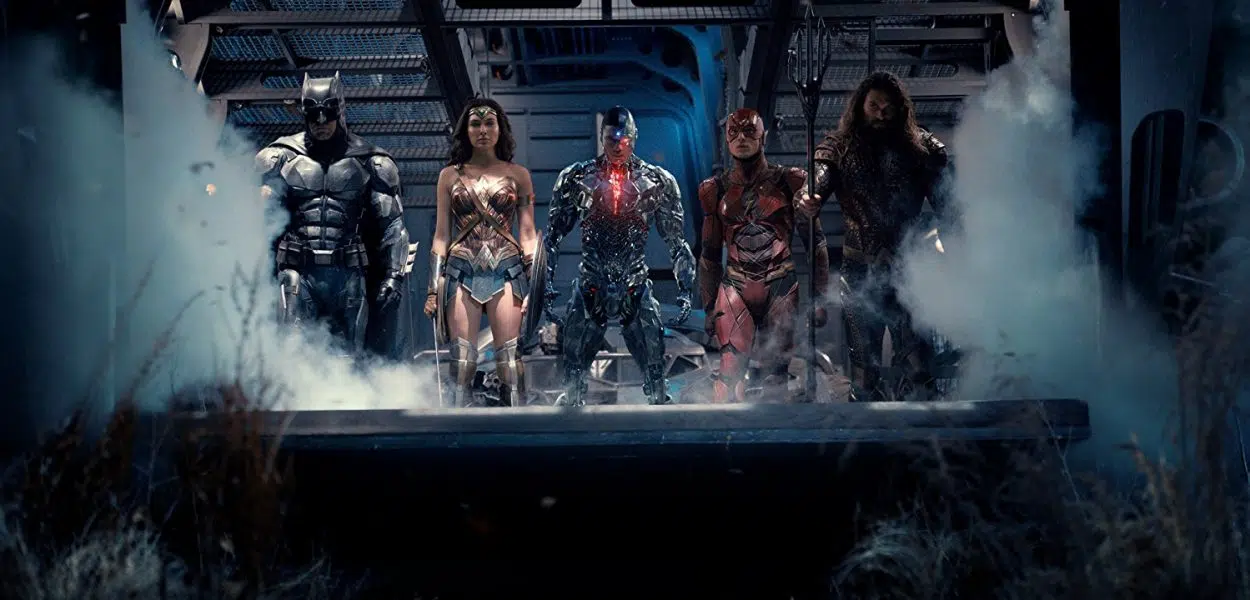
“The DC Extended Universe is not doomed, but it needs its own clear identity and purpose. Rebranding ‘The Avengers’ is not the answer.”
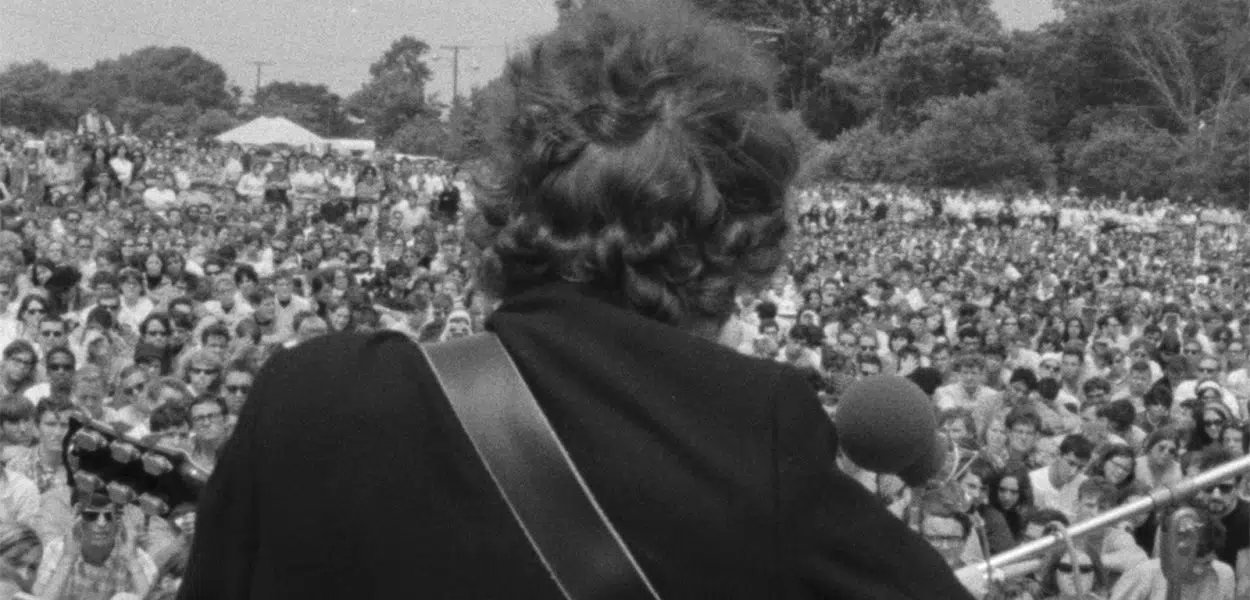
“‘Festival’ challenges our preconceptions about the past – in this case, that of folk music and of music documentaries themselves.”
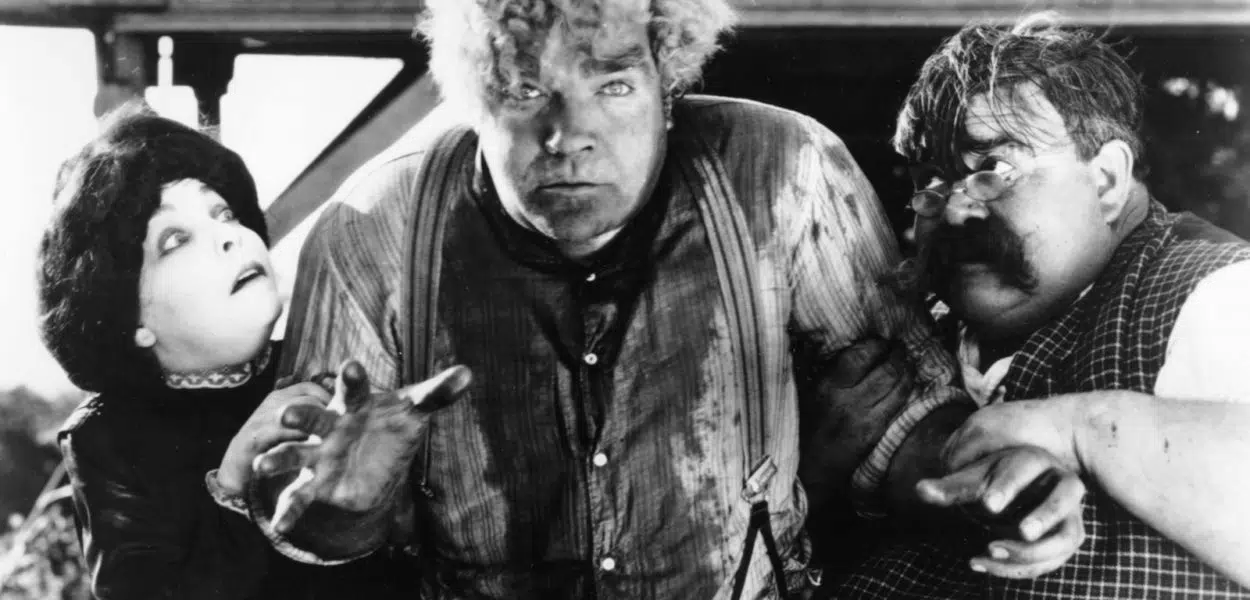
“‘Greed’ is like the gold within the soil, a gem that must be mined from its sullied context.”

“‘Kho ki pa lü’ is about a lot of things, but it’s mostly about music. It is about Li, the songs that people sing when they cultivate rice in small müles.”

“Mortensen uses his body to display his characters’ essential tensions, as they ride the line between truth and lies, loyalty and betrayal, chaos and control.”

“In a country whose cinema is often just classified under the homogenous canopy of ‘Bollywood,’ a film in Sikkimese is not only a welcome change but also a political reversal of existing canons. It is a small but eventful beginning, a small step towards a more inclusive ‘Indian’ cinema.”
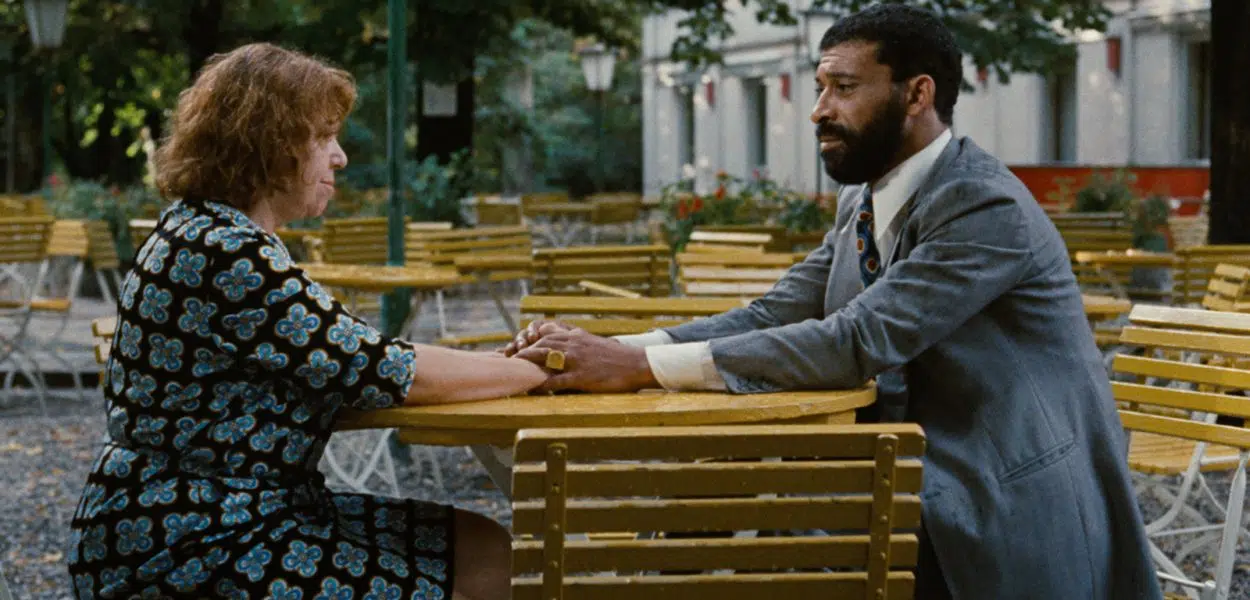
“Fassbinder created a masterpiece that is relatable due to his depictions of racism, discrimination and the complexities of identity — themes which still resonate loudly today.”

“Horror is a genre that believes, rightly, that young people are the future.”
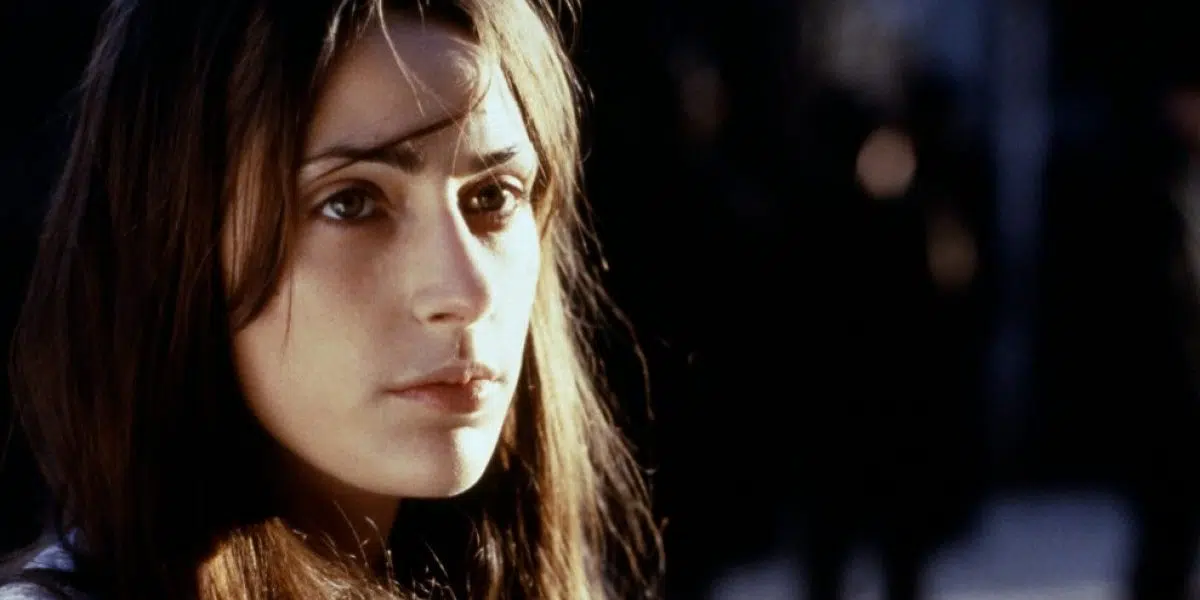
“Phoenix delivers an opaque but strikingly physical performance, reminiscent of the women in Charlie Chaplin’s films.”
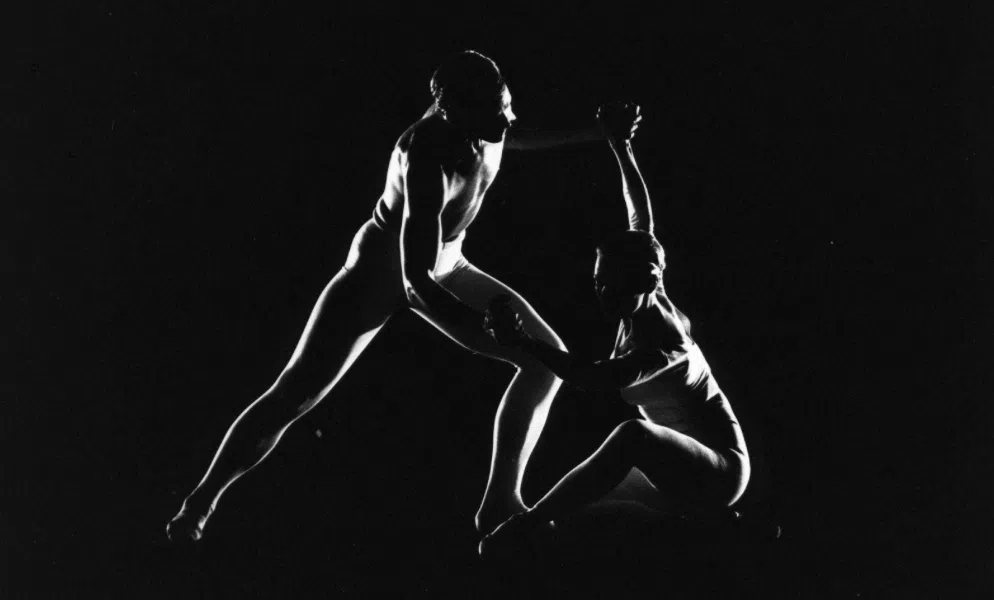
“Unconventional but playful, rarely has the avant-garde been so joyful to discover.”

“It is the rare film where form and content align at a time when its creator is close to formal mastery and itching for singular experimentation.”

“The real strength of ‘Inferno’ is the dominant sense of terror that Argento creates through his mastery of physical space (shaded by bright reds and blues, contrastive images of grandeur and decay in the production design)…”

“Undeniably the central focus of ‘Summer with Monika,’ Andersson’s overt sex appeal somewhat minimizes her remarkable range in the film, her seamlessly oscillating moods and subtle facial intimations.”
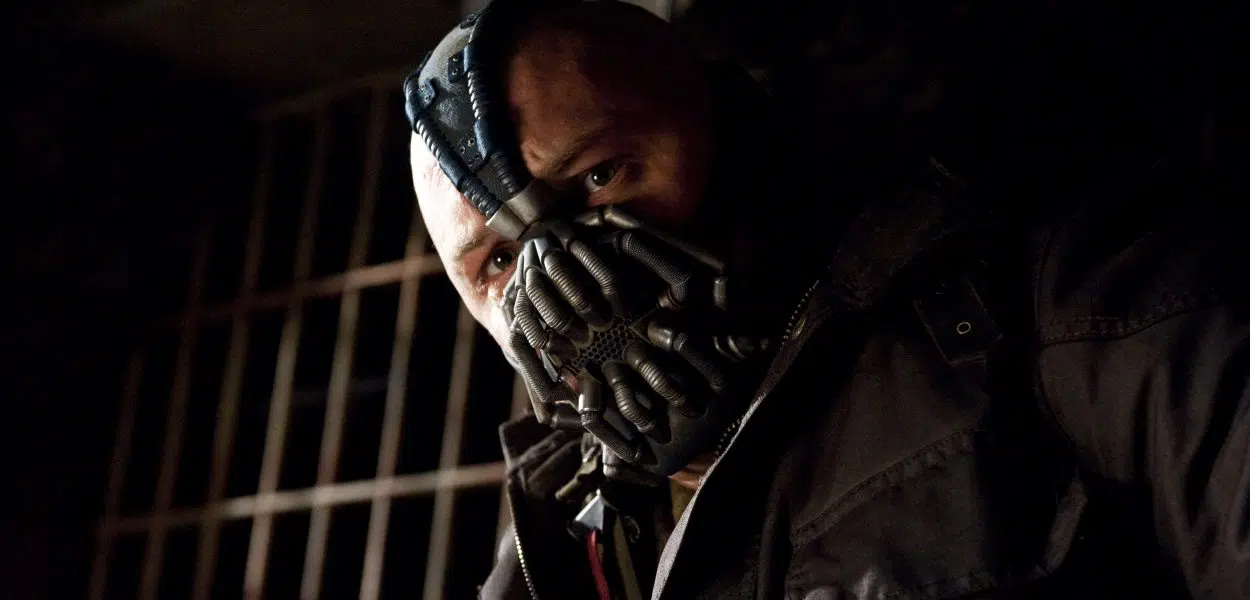
“Behind the mask, lurking within the timbre of the vocal choices, buried beneath the shaped physique, there is truth.”