12 Angry Films: Sidney Lumet on Justice #4 – ‘Serpico’
“With ‘Serpico,’ Lumet becomes a defining chronicler of American institutional corruption, most obviously within the justice system.”

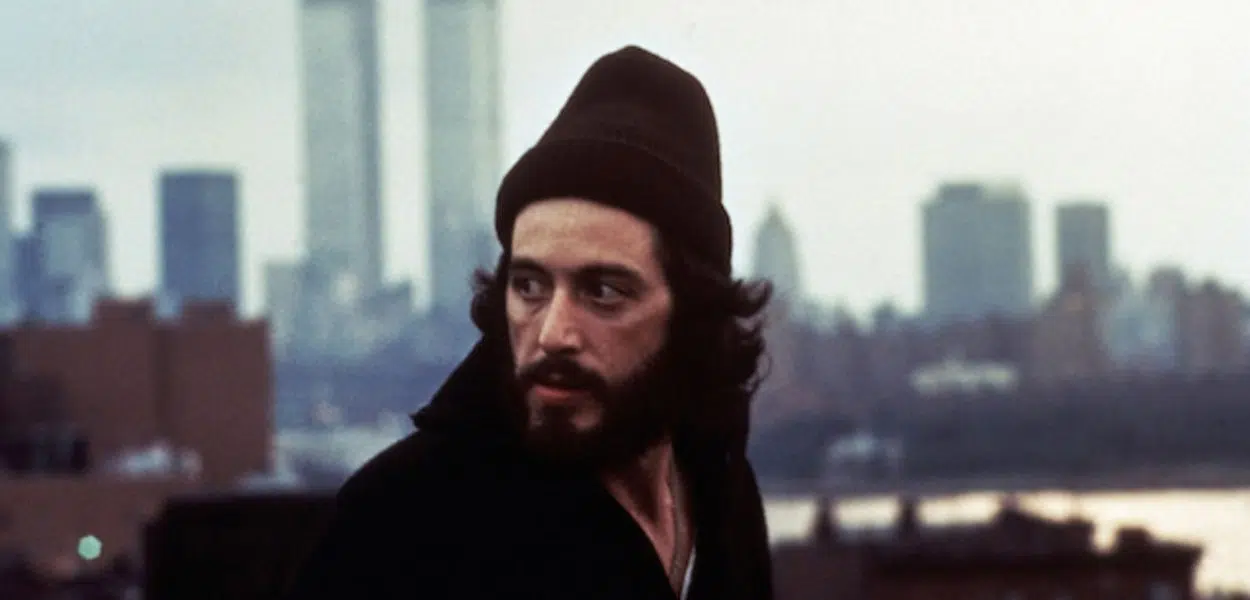
“With ‘Serpico,’ Lumet becomes a defining chronicler of American institutional corruption, most obviously within the justice system.”
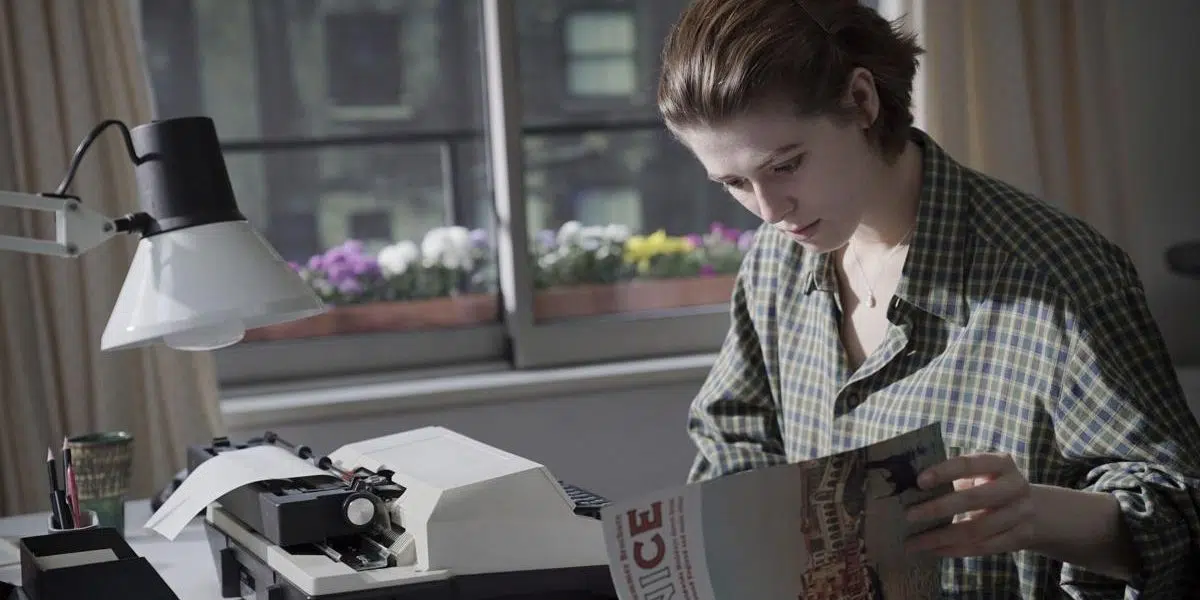
“‘The Souvenir’ is essential viewing for devoted cinephiles.”

“Alice, Sweet Alice’s attitude is an unforgiving one. What, Sole asks, is the difference between Alice, who hurts because she’s sociopathic, and the zealous Ms. Tredoni, who hurts out of righteousness?”

“Rob Grant’s ‘Harpoon’ exudes all the sly confidence of a well-prepared and half-in-the-bag wedding table orator.”

“‘Joker’ is what so many controversial films turn out to be: it’s fine — neither masterpiece nor trash fire, well-executed in some parts and poorly thought out in others.”
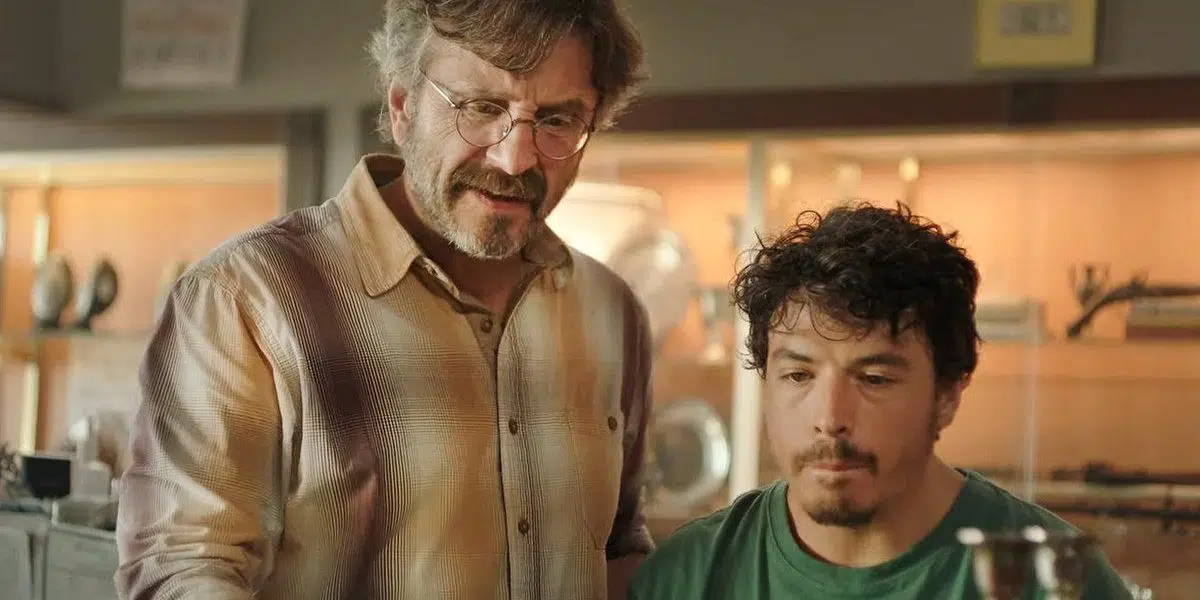
“Shelton convincingly alternates between the absurd misadventures of the core quartet and the well-observed moments of confessional pathos during which the audience sees the characters as humans doing their best to get along in the world…”

Streaming Recommendations from VV’s Bill Bria, Anya Stanley, Jim Ross, Peter Bell and Q.V. Hough!

“‘Semper Fi’ leans heavily on male codes of honor but doesn’t fully explore the motivations for the primary players, a group of Marines trying to re-acclimate to life in upstate New York. As a result, the final act suffers.”

“Exploitation filmmakers like Castellari treat other films like air just waiting to be breathed in. Theft, plagiarism, remix, citation, reference — to these exploiters, they are all the same thing. Everything, these films suggest, belongs to all of us.”

“Despite the 68-minute duration, ‘Breathless Animals’ might feel occasionally redundant, especially when the animation creates psychedelic vibes, but its many sketches of a woman’s life make up for any minor flaws.”

“‘The To Do List’ not only made me feel comfortable with my sexuality and my body as a woman, but it also helped me understand that sex is natural and organic.”

“Lorre brought to his strangers the psychological wounds carried by the exile.”

“A great magician never reveals his tricks, and Soderbergh far too nakedly shows the craft in ‘The Laundromat,’ whereas a narrower focus, with the human consequence of the Panama Papers in clear sight, could have beguiled, incited and entertained in equal measure.”

“‘Ad Astra’ joins the likes of ‘Gravity’ and ‘Interstellar’ as one of Stanley Kubrick’s starchildren.”

“By experiencing Almodóvar’s films as the product of a man whose view of the world is deeply affected by a variety of nagging medical concerns, only a few late period works thoroughly scratch under the surface of his psyche.”

“No matter what one pulls from Kon’s work, there’s no denying his lasting impact and innate ability to immediately render a viewer speechless.”
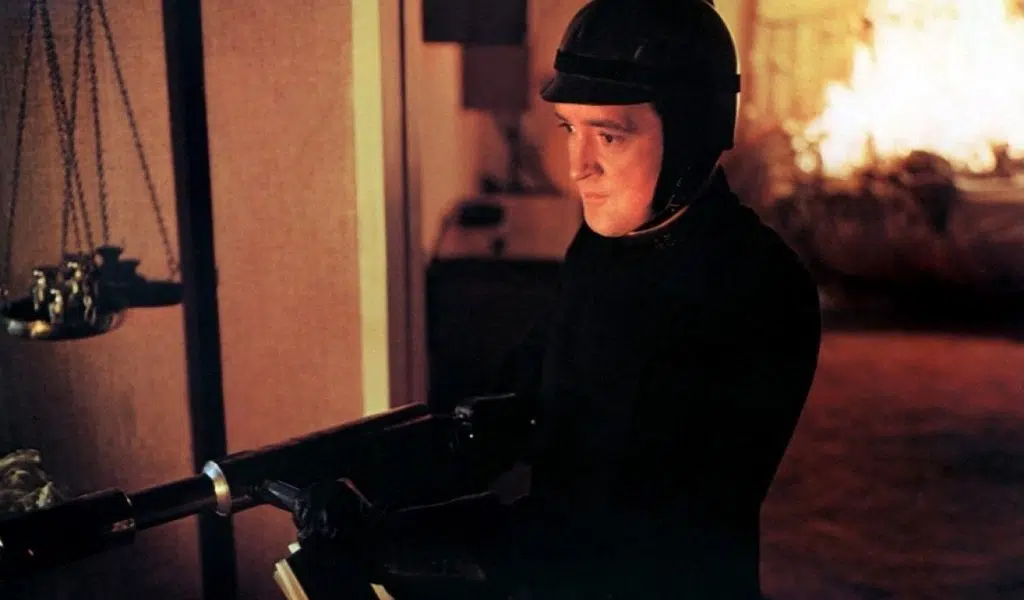
“Throughout both the foreground and background of ‘Fahrenheit 451,’ Truffaut emphasizes the characters’ self-absorption via a hyper-sexual form of narcissism in a society lacking real love.”
“‘Advice for Taxidermists and Amateur Beekeepers’ succeeds not only as a realist narrative about family, loss, sex and death, but also as a quietly reflexive genre piece.”

“‘It Chapter Two’ ends up as a self-conscious adolescent that nervously giggles any time it’s on the verge of doing something profound; a cringe-inducing ‘no homo’ walk-back writ large to avoid accusations of nastiness or tenderness.”

“Noé’s work has always been concerned with errant self-expression, what happens when we are wrenched from sensation and how we adjust to the comedown.”