Black Gold: Cinema, Wealth and Blackness
Brian Brems on ‘The Treasure of the Sierra Madre, ‘Da 5 Bloods’ and ‘Trespass’

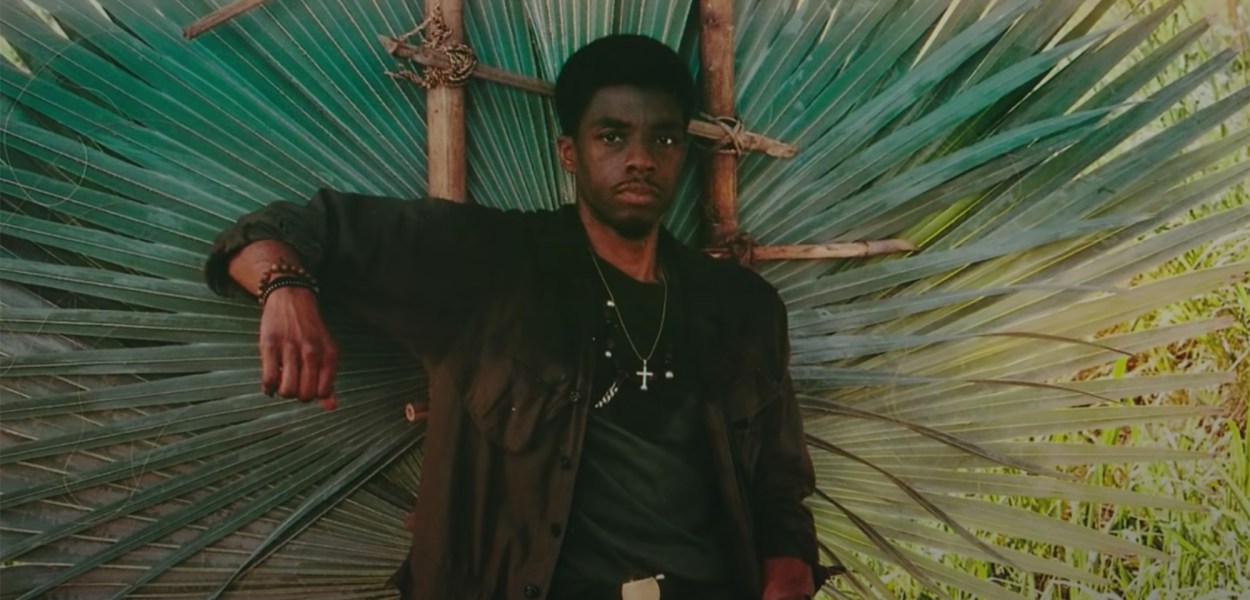
Brian Brems on ‘The Treasure of the Sierra Madre, ‘Da 5 Bloods’ and ‘Trespass’

“When viewed as a character study, ‘Made You Look’ is the rare art documentary that has a re-watchable quality.”

“The foregrounding of Mohamedou’s experiences and perspective — and, by extension, all those subjected to Guantánamo’s purpose — is the fuel in The Mauritanian’s engine.”
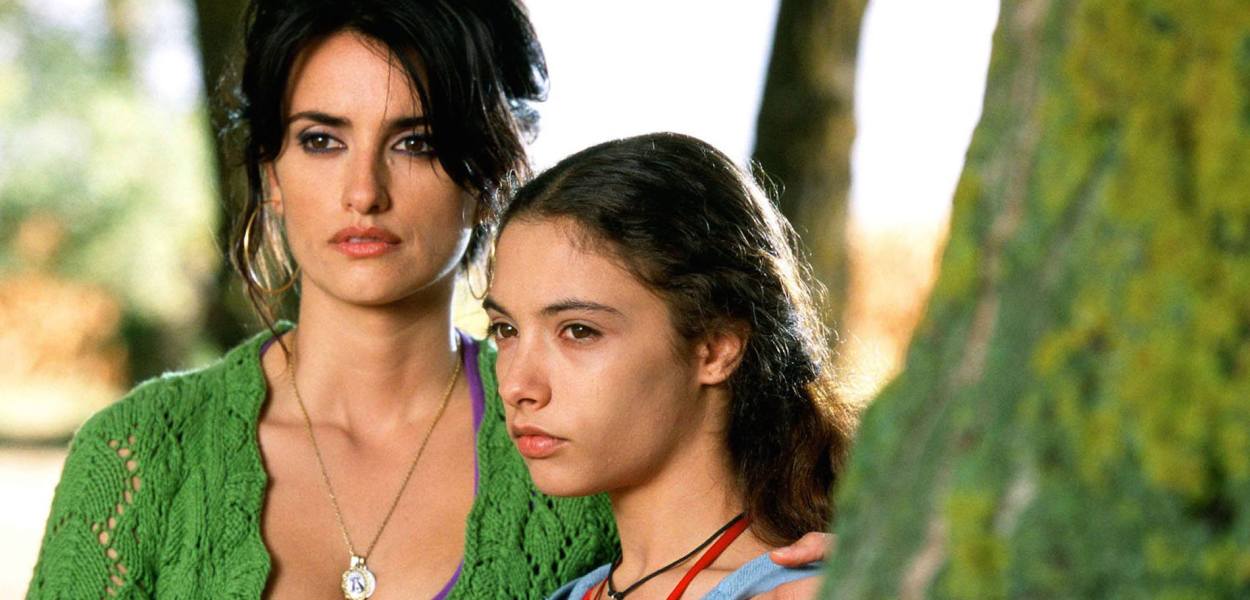
“Pedro Almodóvar adores women, and he’s a champion of feminism. In no other film is the Spanish filmmaker’s reverence for the female gender more evident than in the 2006 drama ‘Volver.'”
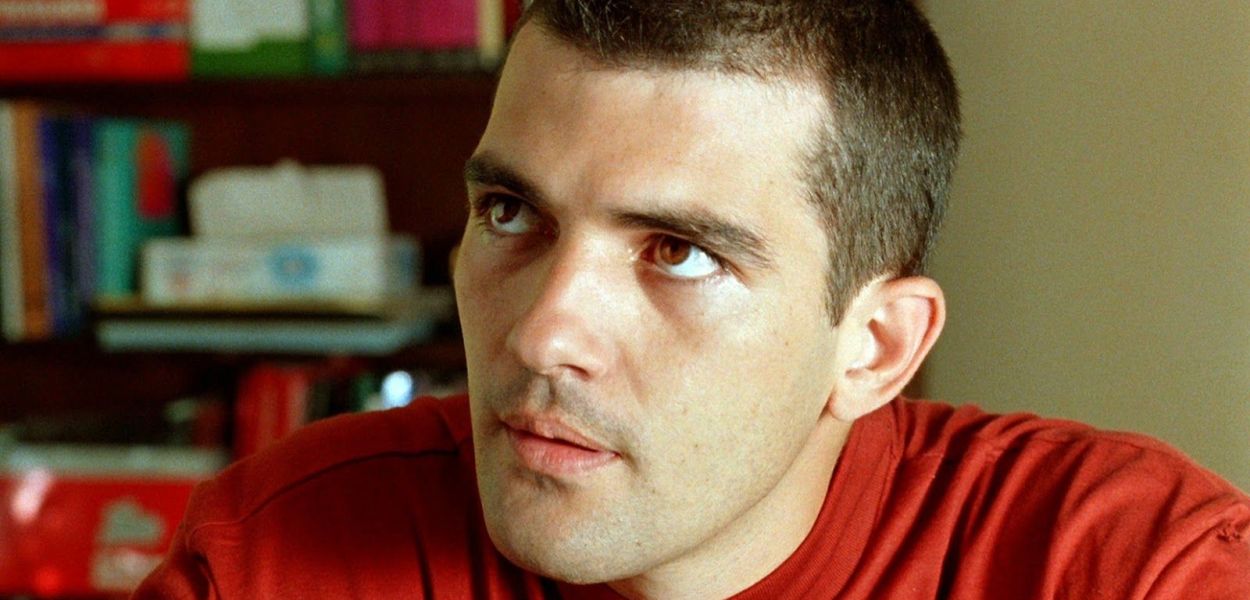
Fedor Tot on Pedro Almodóvar’s Collaborations with Antonio Banderas

“Whereas many Netflix acts are so clearly designed to address cultural topics A, B, and C — whether it’s politics, social media, or celebrity culture — Regan riffs away with evergreen observational humor that gives ‘On the Rocks’ a timeless quality…”

“Good onscreen chemistry between Jena Malone and Pablo Schreiber lifts the filmmaker’s debut feature out of traps set by occasionally mundane dialogue and predictable complications.”

“One of the great pleasures of watching any Almodóvar film, but especially ‘Julieta,’ is studying its expressionistic textures…”

“Swab’s personal experience bleeds into every frame of ‘Body Brokers,’ making it a taxing watch at times, but its true power lies in the details…”

“What comes to the fore in ‘Labour of Love’ is the difference between hearing and listening.”

“In ‘PVT Chat,’ the half-baked attempts to create thematic through lines and symbolism prove to be the greatest flaws.”
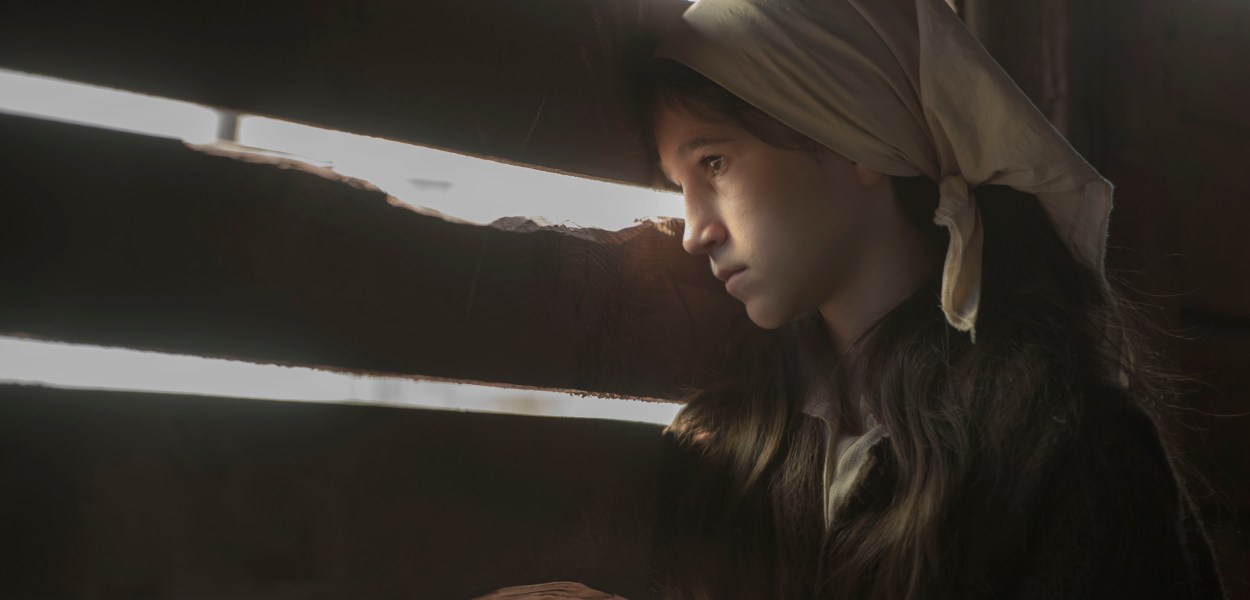
“Given that ‘Dara of Jasenovac’ is the first Serbian film to cover the camps, the implicit didacticism would actually be more welcomed if it did its job and taught viewers something.”

“Despite Stalking Chernobyl’s clear position on the dangers of expanding nuclear power, Lee does not shrink from the otherworldly allure that draws so many to Chernobyl and Pripyat.”

“‘Saint Maud’ proves, once again, that horror, and particularly indie horror, provides the opportunity for first timers to take real risks.”

Dipankar Sarkar Interviews ‘Criminal Justice: Behind Closed Doors’ Screenwriter Apurva Asrani
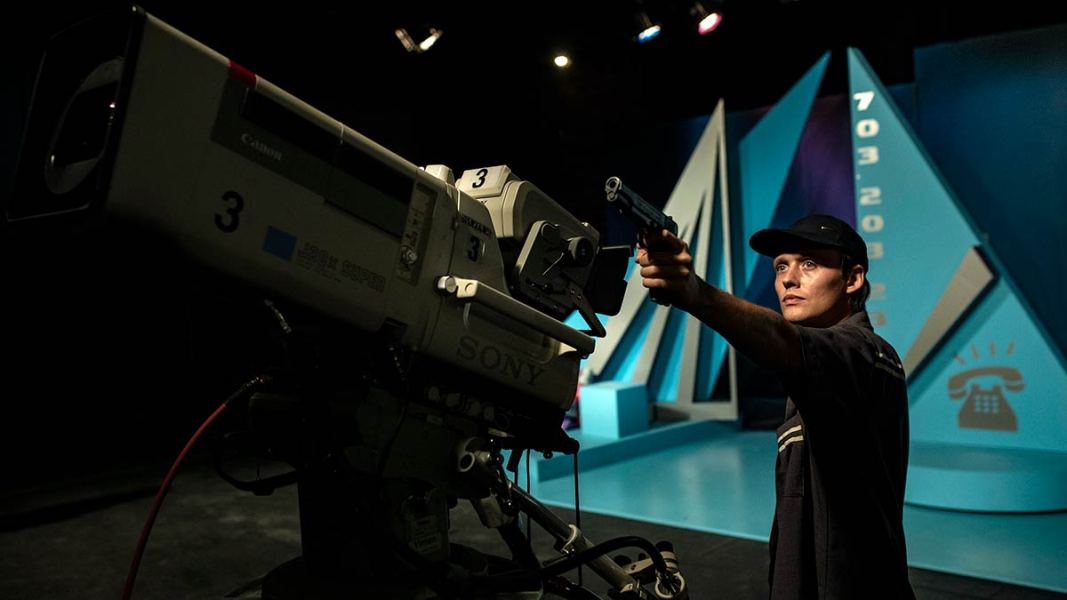
“‘Prime Time’ is at its most energetic and engaging during the early scenes; a setup familiar enough for any viewer of Sidney Lumet’s ‘Dog Day Afternoon’ or the many films he inspired.”

“‘Land’ is positioned as an exploration of grief and survivor’s guilt — a crowded celluloid space – but the lack of distinctive figures renders Wright’s film picturesque but fallow.”

“Nearly 40 years after its release, ‘Koyaanisqatsi’ continues to send signals.”

“‘Tove’ is a tribute to all creatives who pursue their passion projects, and applauds those who are able to break free from bindings.”

“‘Sator’ is a slow burn, and the payoff for waiting around will not suit everybody. Like ‘Blair Witch,’ it requires your full attention to really make an impact — half-watching while scrolling through Twitter won’t cut it.”