Don’t Make Him Wait: Editing, Thelma Schoonmaker and ‘The Irishman’
“Schoonmaker’s contribution to ‘The Irishman’ may be her finest effort: she shapes an epic that masterfully controls pace — accelerating and decelerating it at will…”

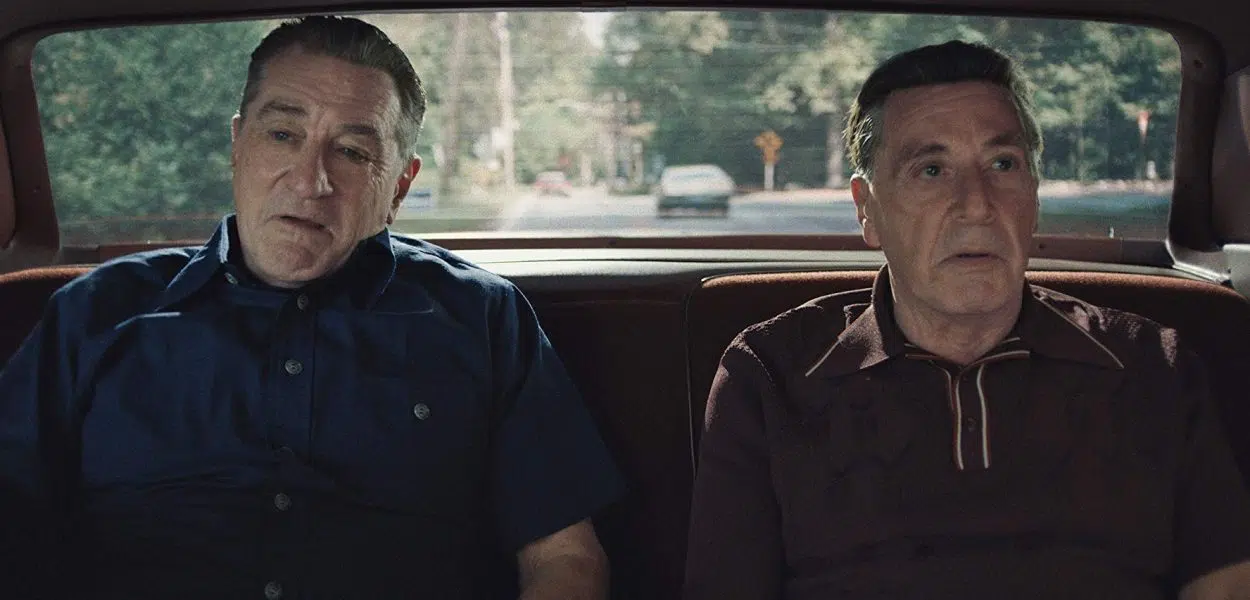
“Schoonmaker’s contribution to ‘The Irishman’ may be her finest effort: she shapes an epic that masterfully controls pace — accelerating and decelerating it at will…”
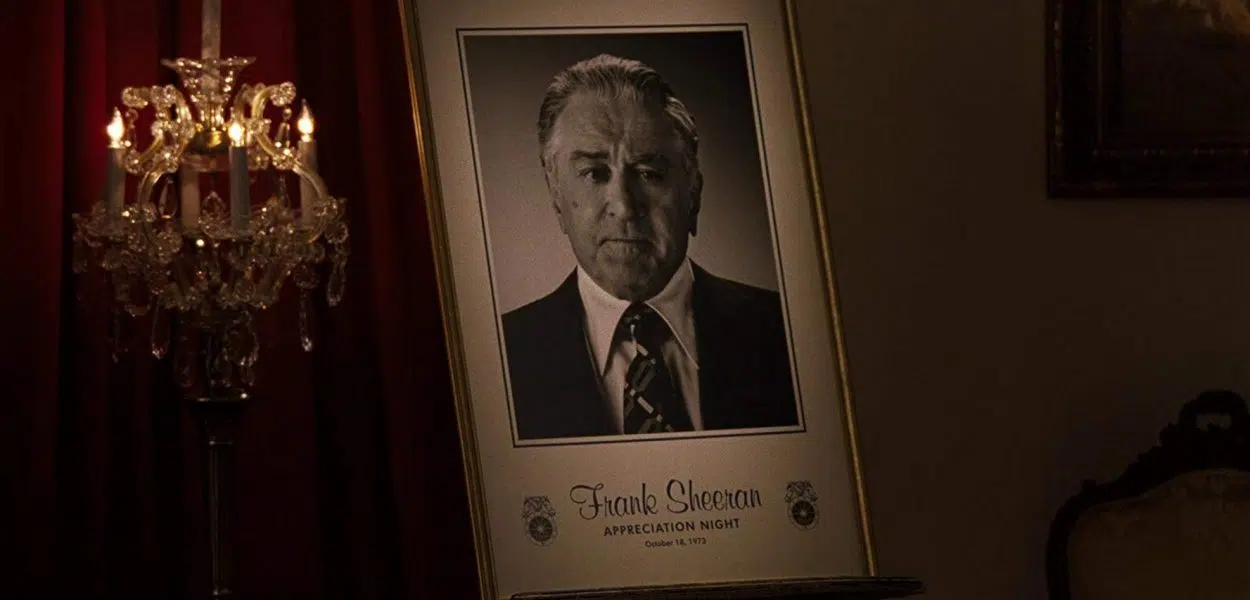
“‘The Irishman’ may be the last film of an era. The banquet scene ranks among the most powerful sequences of Scorsese’s career because he allows it, following Visconti’s example, to linger.”

“A showcase of the potent purity of visual expression, ‘Alva’ concerns itself with consequence, more specifically the consequences we attribute to ourselves, as well as those we put upon others we can never truly know.”
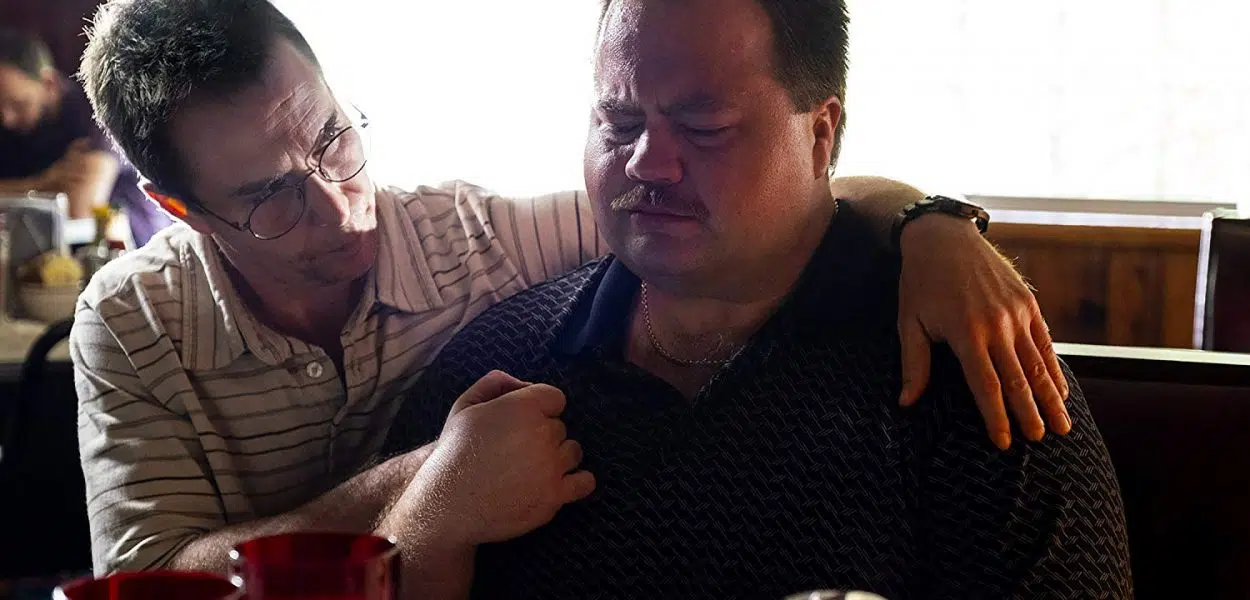
“‘Richard Jewell’ is, for the most part, a captivating recreation of a man’s journey through hell and back. Its strong acting and character relationship dynamics are the main selling points, as Eastwood’s sense of direction and pacing are the best they have been in a long time.”

“‘Prince of the City’ is a taxing, draining experience, but one that is ultimately rooted in very real despair; the system, it argues, has failed. If these characters are the products of the American criminal justice system, then it ought to be blown up.”

“With ‘Daniel Isn’t Real,’ Mortimer stands by his choices and doesn’t wobble. The result is a film that’s harmonious and undiluted, if prickly and divisive.”

“The desperate need to locate hope and light (and maybe even love where those things are in short supply) recommends ‘Queen & Slim,’ especially at a time of frustration and division.”
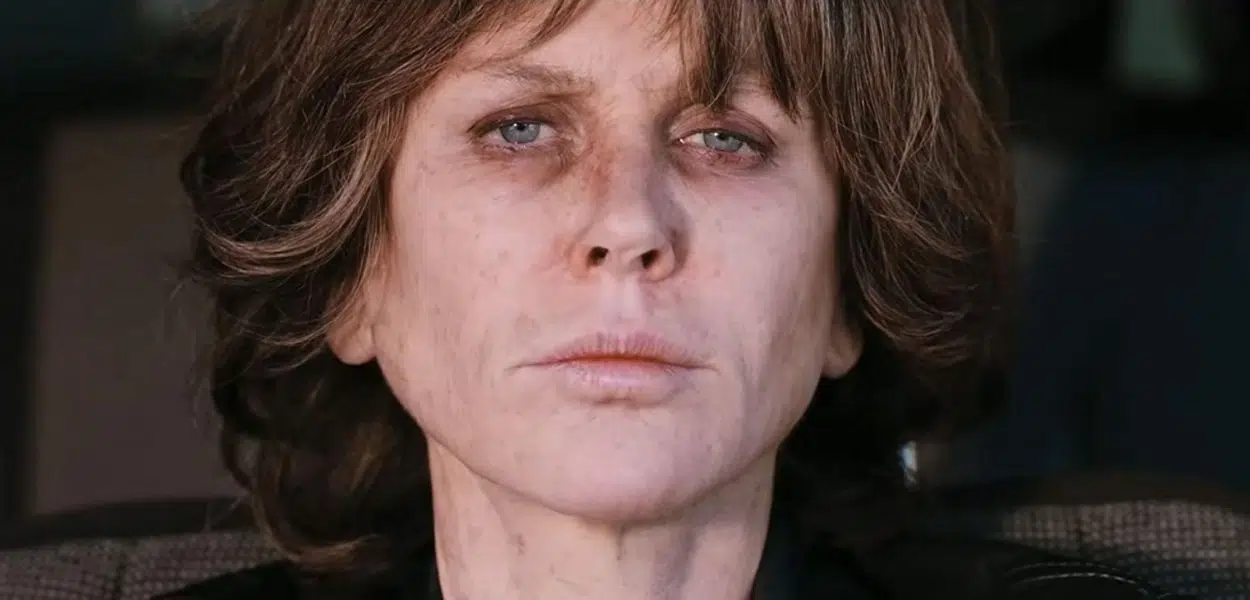
“Kusama skillfully reinterprets the stylistics of classic film noir to explore the genre’s timeless and heady themes: obsession, loneliness, guilt and (most of all) identity…”
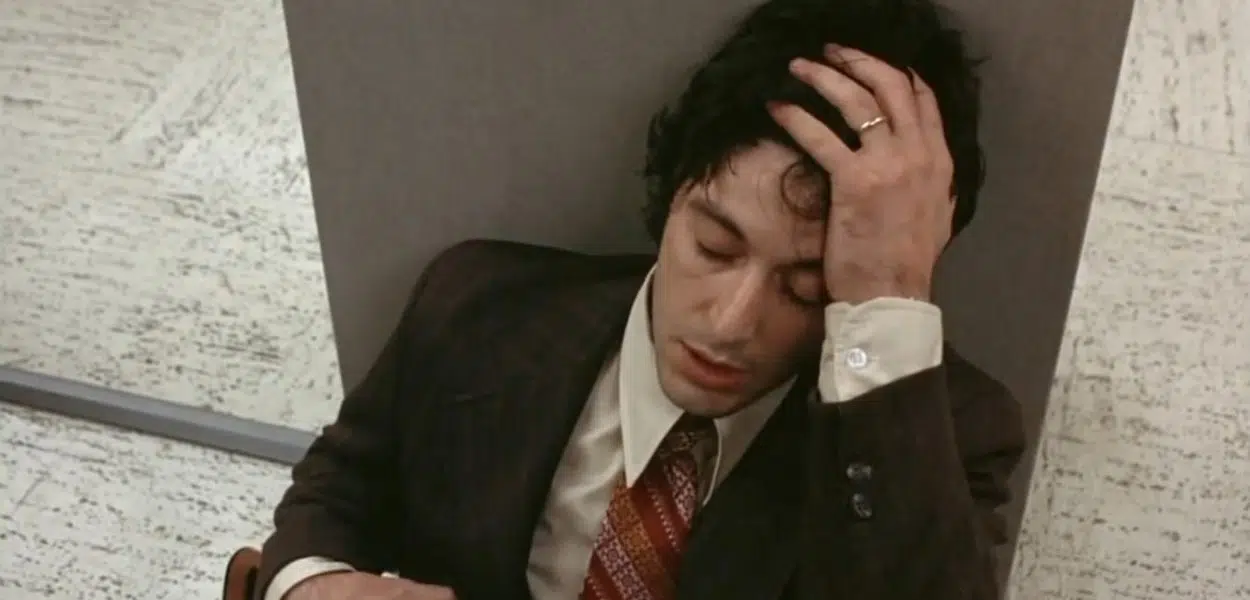
“By creating such a sympathetic, human subject, Lumet deepens the impact of his institutional critique of the justice system; its dehumanizing effect on American society seems all the more tragic when Sonny is its victim.”

“In dramatizing themes of absence and presence so thoroughly, ‘Klute’ embodies a central feature of neo-noir; as a self-conscious revision of a classic film cycle, noir is always both absent and present in neo-noir films.”
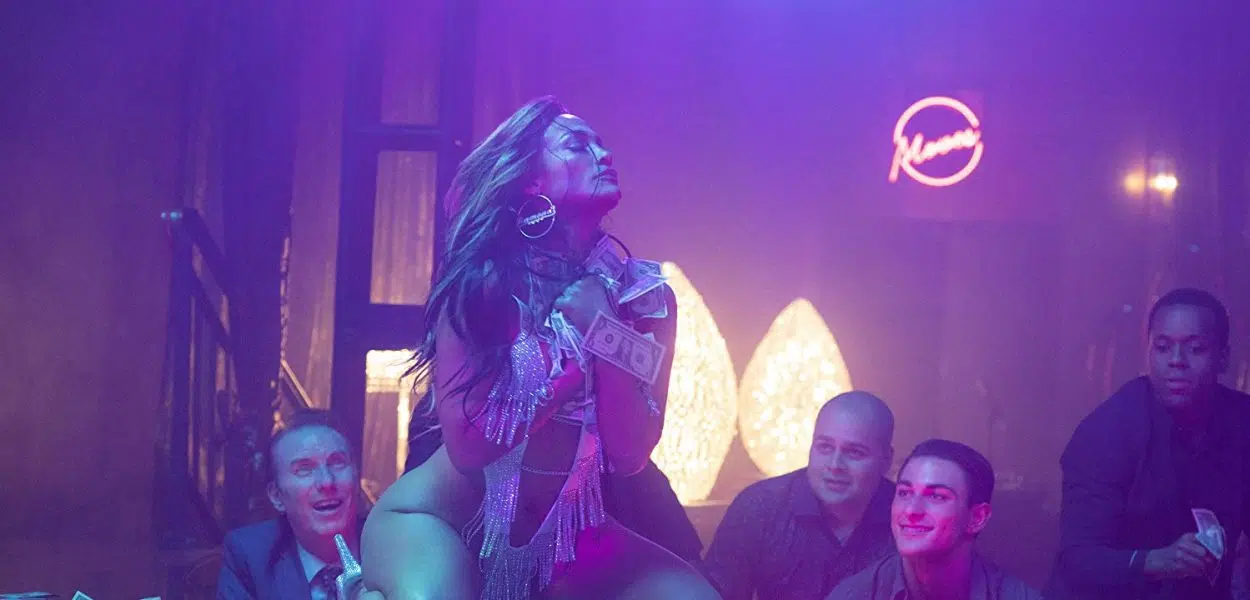
“From the moment Ramona first appears, ‘Hustlers’ announces itself as a new addition to the neo-noir cannon — a film about bright lights in dark places.”

“Widmark offers a succession of performances in ‘Kiss of Death, ‘The Street with No Name’ and ‘Road House’ that show a young actor building, then resisting, and then reconciling his own burgeoning screen persona.”
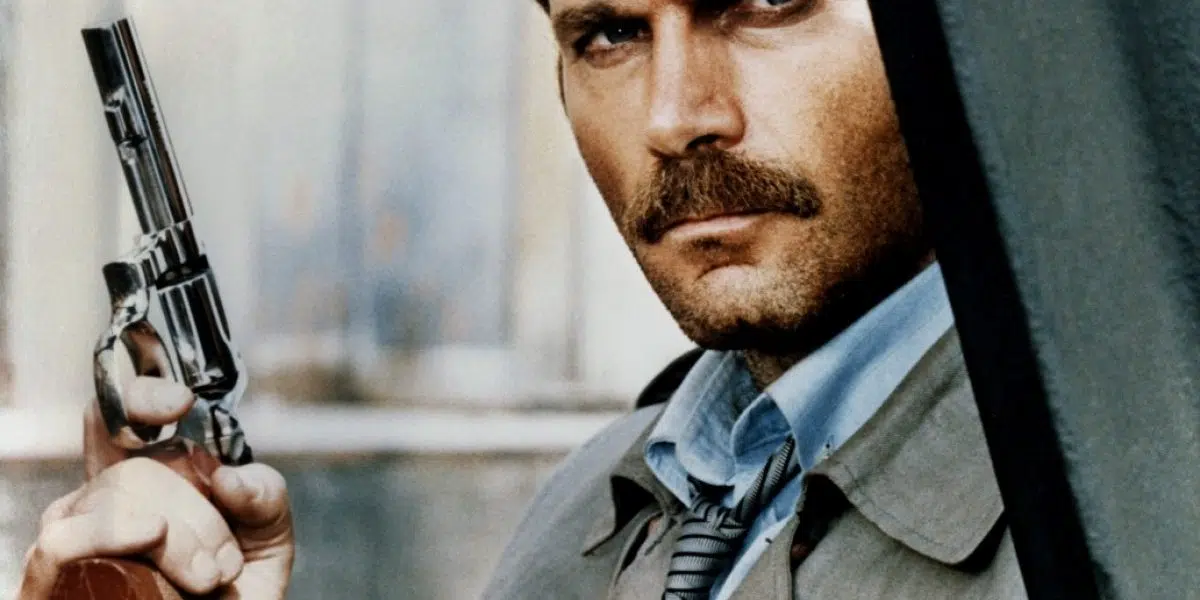
“Though the polizieschi may seem far away from the quiet nobility of the Neorealist films, with all their sober-minded social critique, they are bound together by the privileging of the real world.”
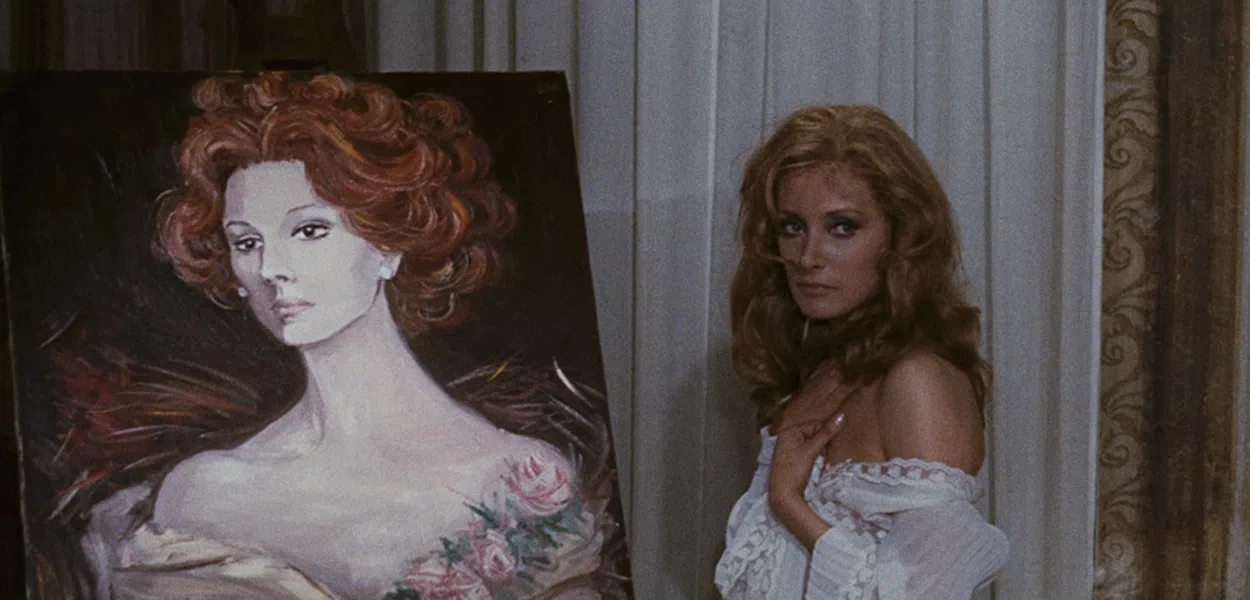
“Miraglia’s deliberate interweaving of castles and glimmering blades taps into the one element that both Gothic and giallo art share: the ability to taffy-pull delight from terror. Both Poe and Bava would tip their hats.”
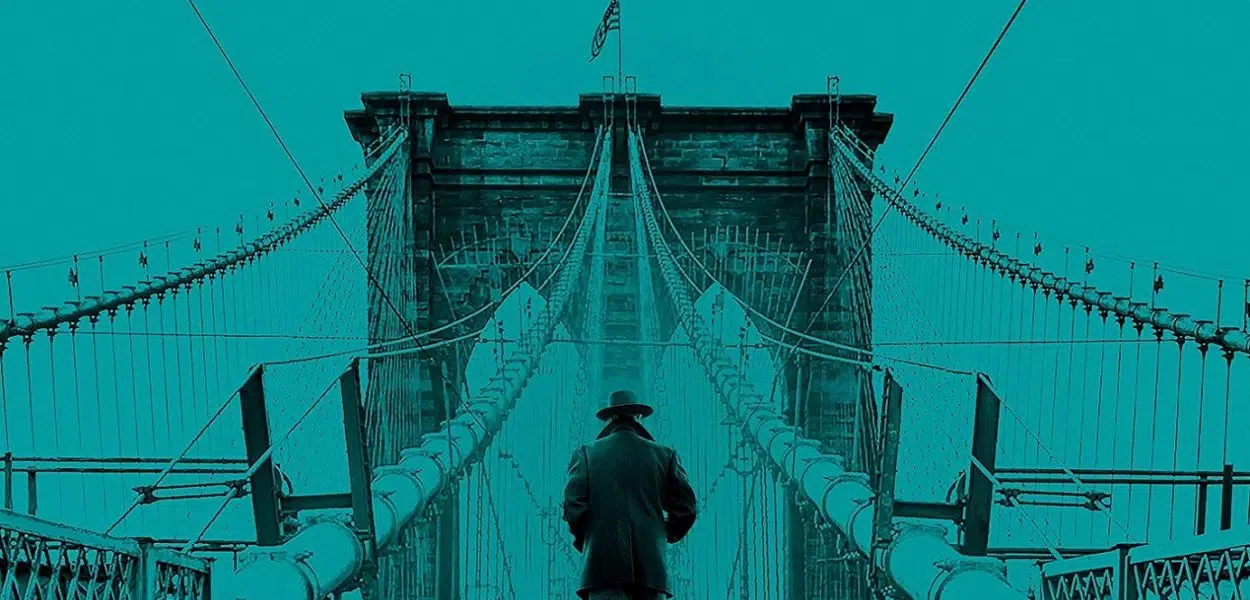
“‘Motherless Brooklyn’ may not be a sterling example of traditional noir, but its subtext is gripping in its own way. The victim of this crime story isn’t a dead man or a damsel in distress, but the spirit of a city.”
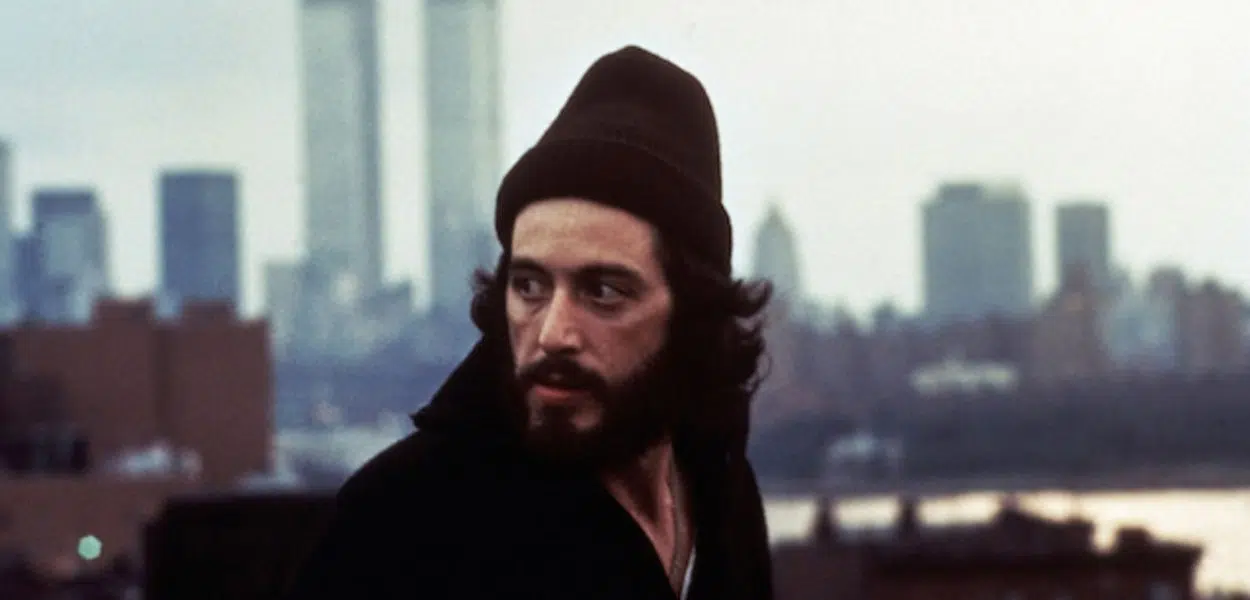
“With ‘Serpico,’ Lumet becomes a defining chronicler of American institutional corruption, most obviously within the justice system.”
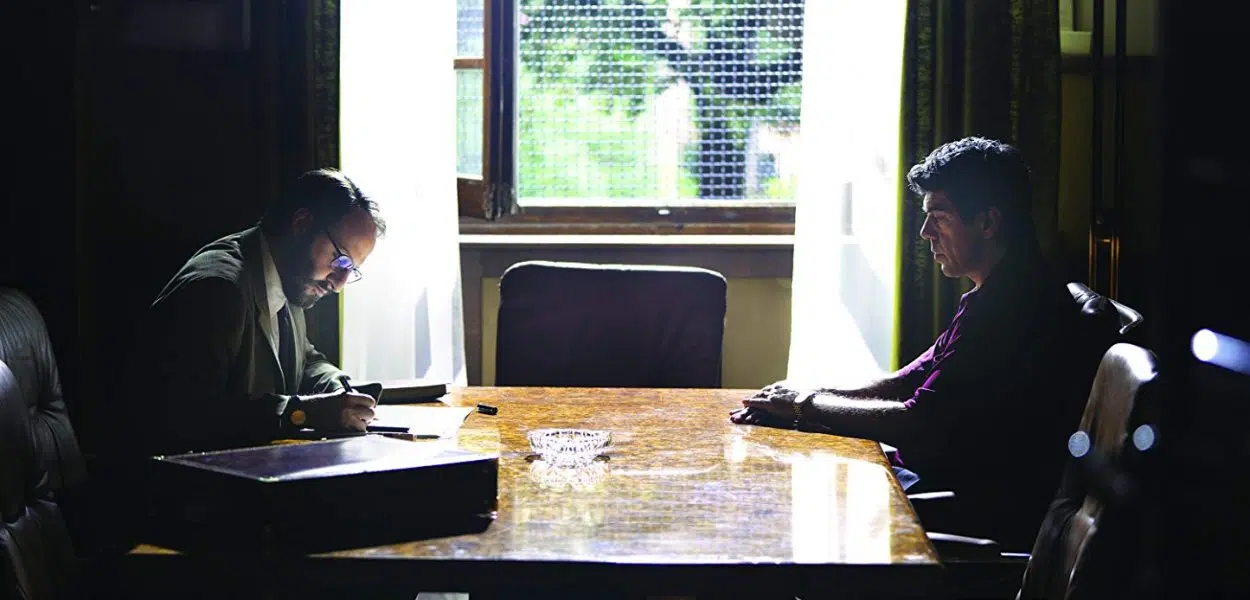
“It wouldn’t be surprising to see ‘The Traitor’ filed in the Dad-canon of crime cinema alongside other European films like ‘Mesrine’ or ‘The Baader Meinhof Complex’ — films where the context is too wide to sufficiently cover…”
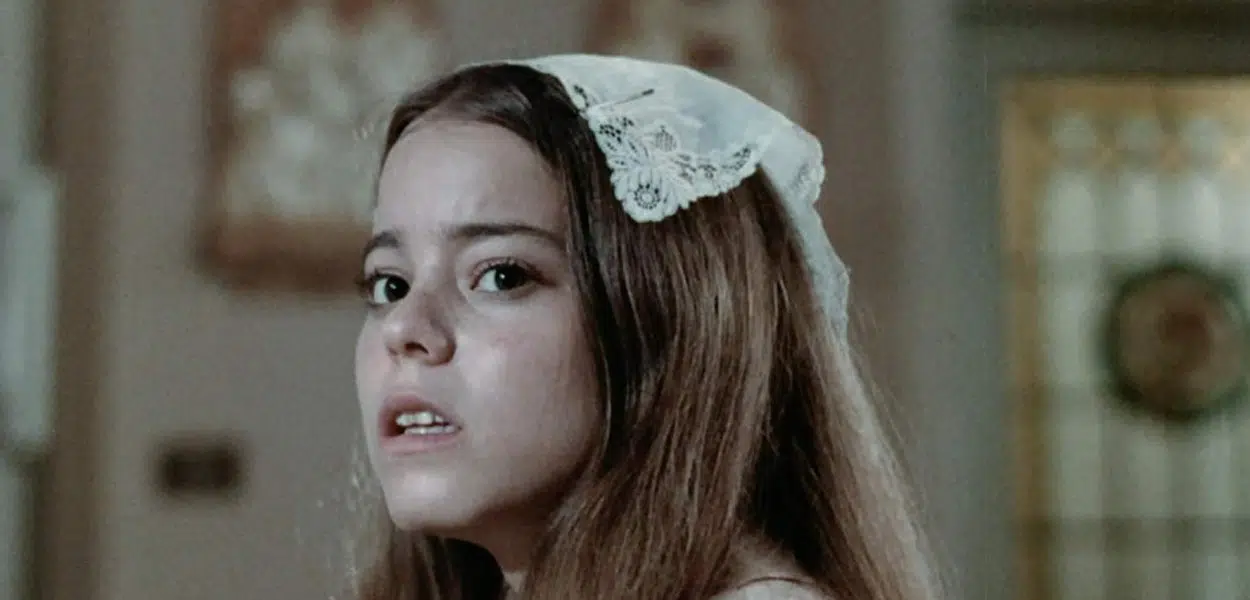
“Alice, Sweet Alice’s attitude is an unforgiving one. What, Sole asks, is the difference between Alice, who hurts because she’s sociopathic, and the zealous Ms. Tredoni, who hurts out of righteousness?”
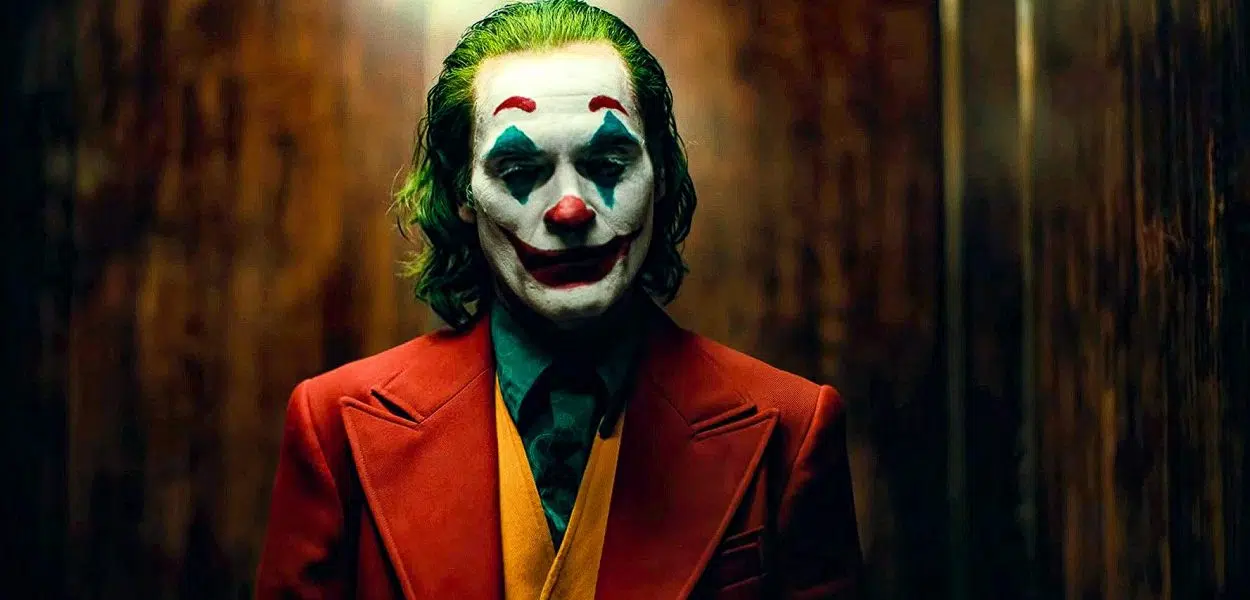
“‘Joker’ is what so many controversial films turn out to be: it’s fine — neither masterpiece nor trash fire, well-executed in some parts and poorly thought out in others.”
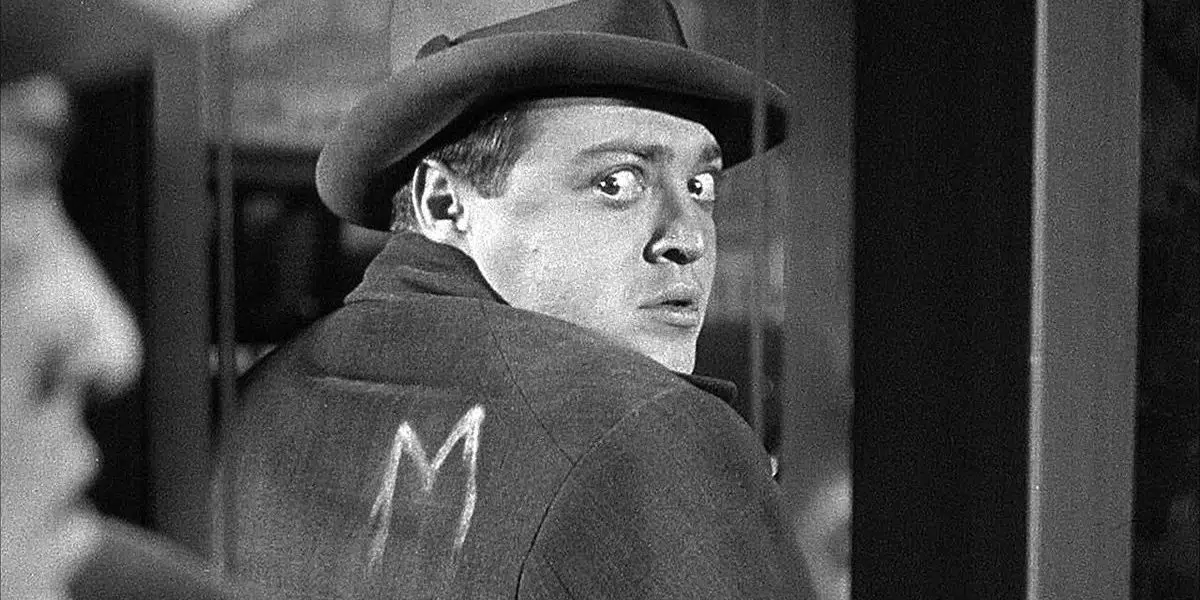
“Lorre brought to his strangers the psychological wounds carried by the exile.”