“In Caravaggio and Scorsese’s art, the silent actions of male and female characters speak louder than words. We don’t need to hear Holofernes scream to understand what Judith has taken.”
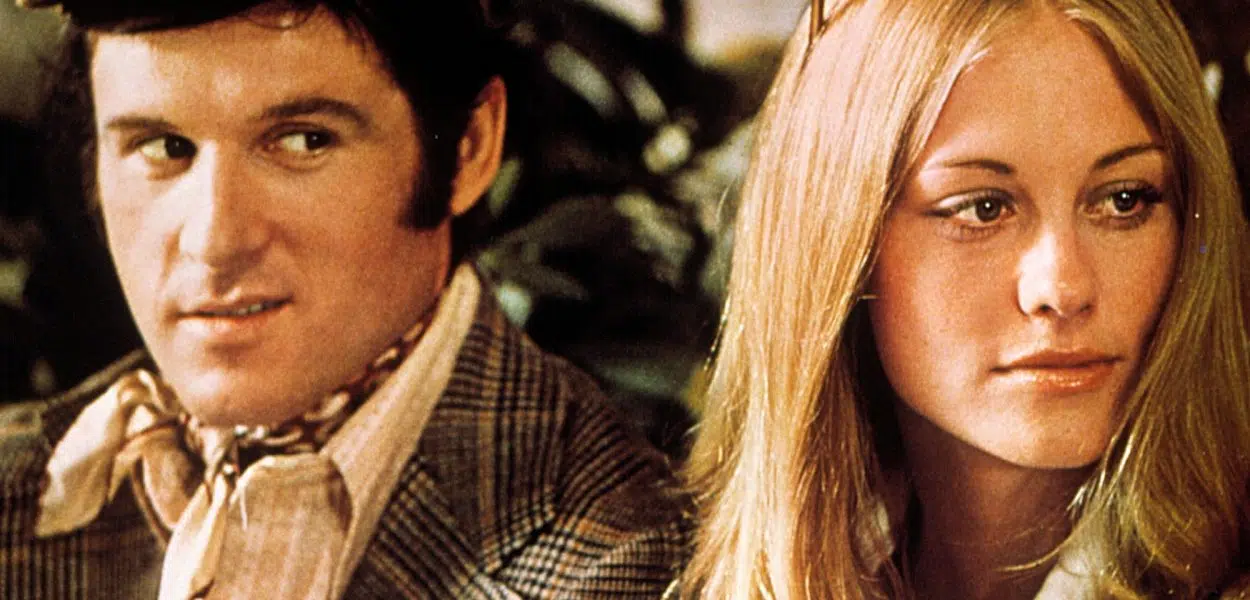
“Under May’s stare in ‘The Heartbreak Kid,’ and through the provocations of scene partners, Grodin creates a character of rare stature: a horrifying, stone-dumb genius.”
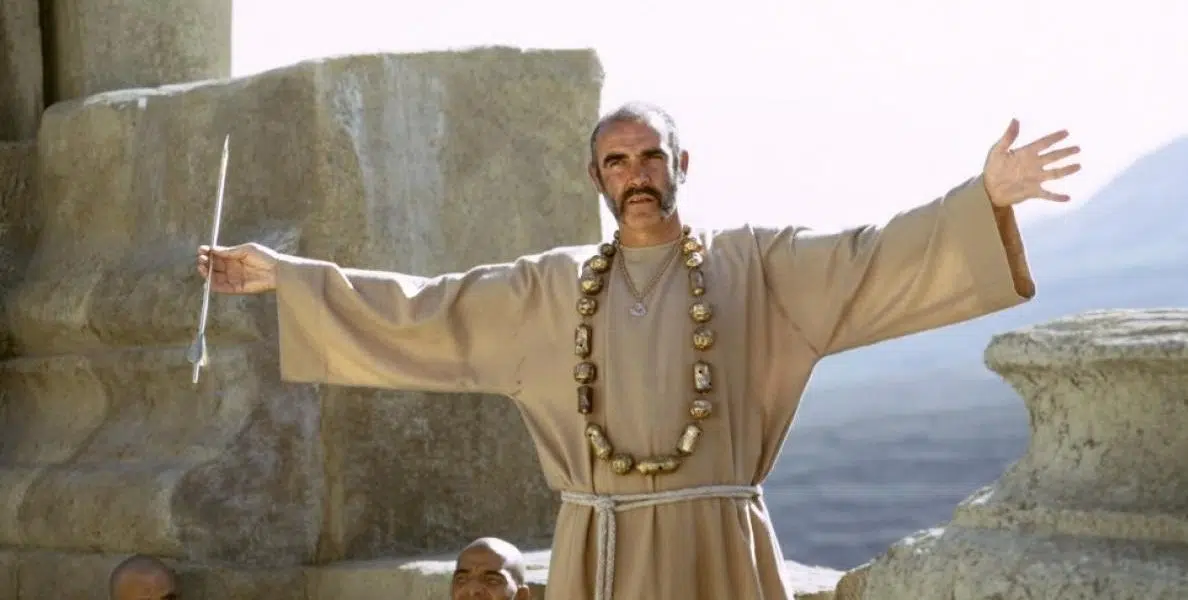
“In my hatred for the Bond franchise, I feel I may have done a disservice to its star. I have always had a tendency to discount Sean Connery as an exquisitely sculpted statue, capable of filling out a tuxedo very nicely but little else.”
“One of the great joys in viewing the films amassed under the World Cinema Project banner is discovering the richness of a nation’s cultural and scenic backdrop.”
“In their conversations, Soderbergh and Nichols work together to dismantle the artificial dividing line between art and criticism, neatly moving between the two…”
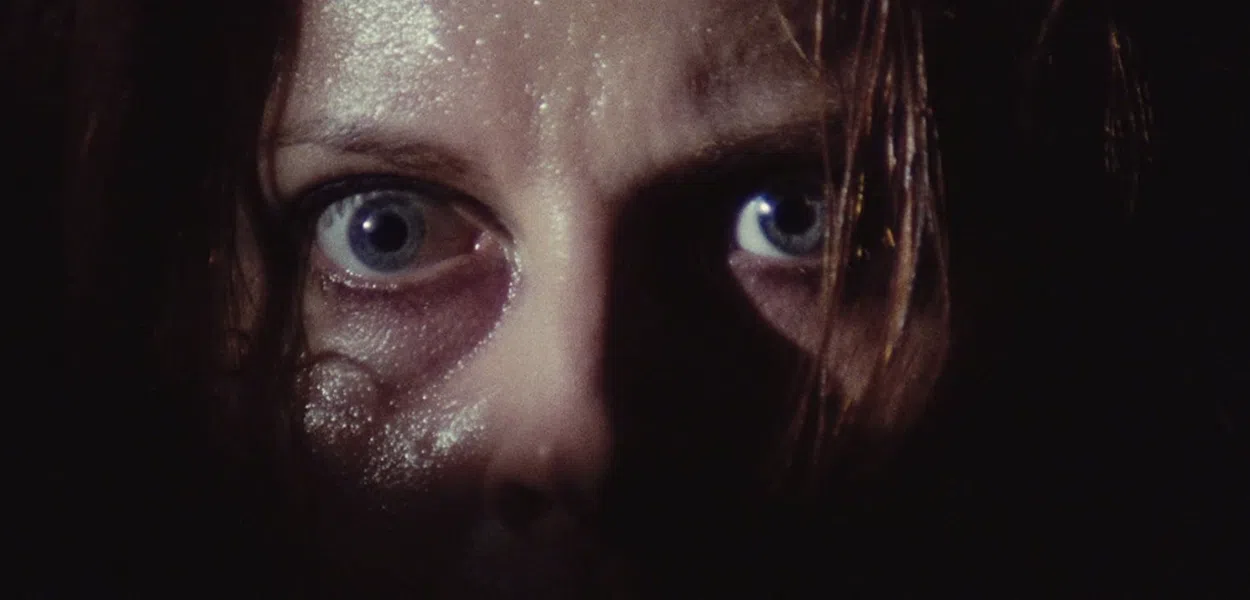
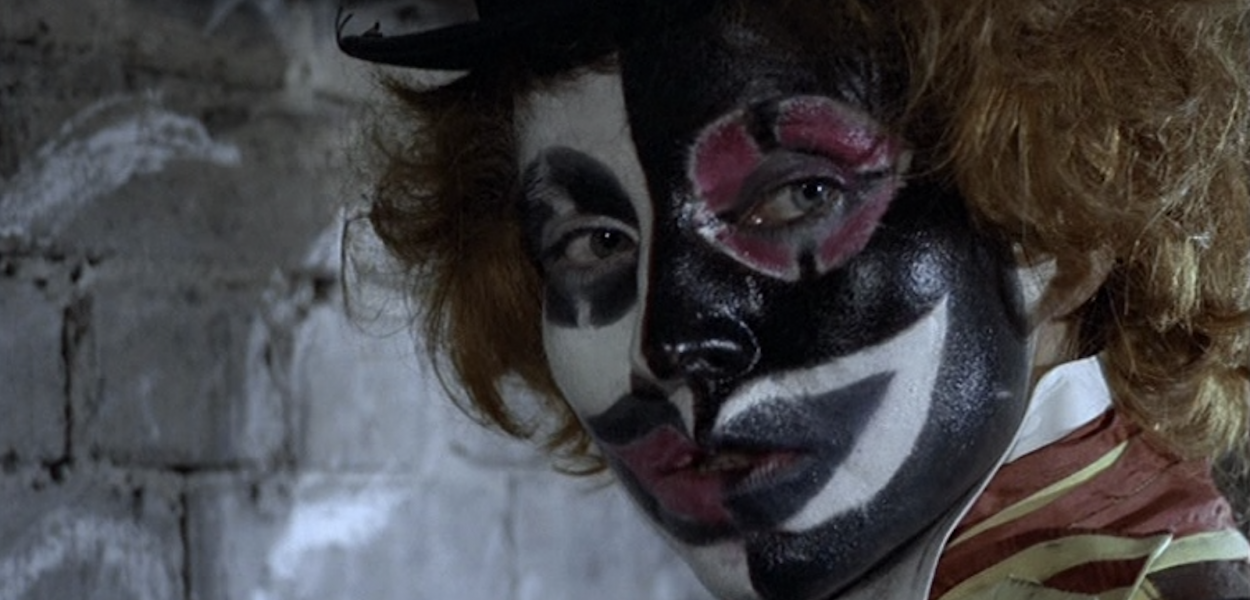
“Even though ‘The Psychic’ and ‘The Black Cat’ don’t exist as prominently in the cultural consciousness as ‘The Texas Chainsaw Massacre’ and ‘Halloween,’ there is a sense that the Final Girls do exist in the wider world of horror…”
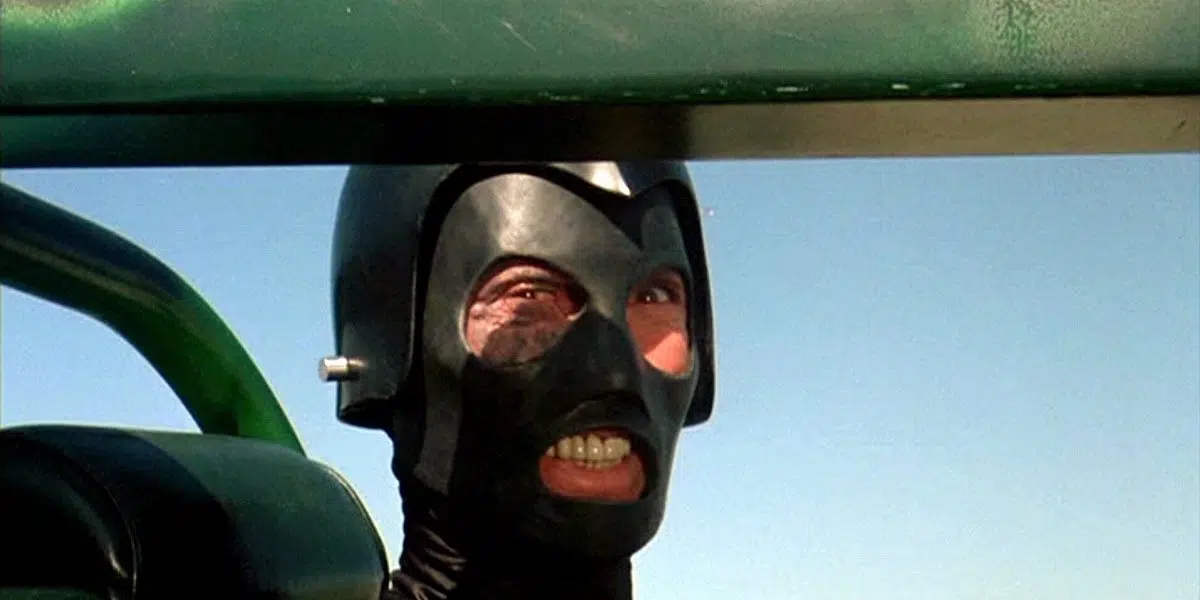
“Perhaps the exaggerated disregard for human life in the name of national pride, entertainment and prosperity in ‘Death Race 2000’ is a timely trigger for reassessing priorities as we await a return to normalcy.”
“It is during the 70s that the disaster film’s most pure and admirable entries were made, bookended by two significantly different stories involving air travel fiascos.”
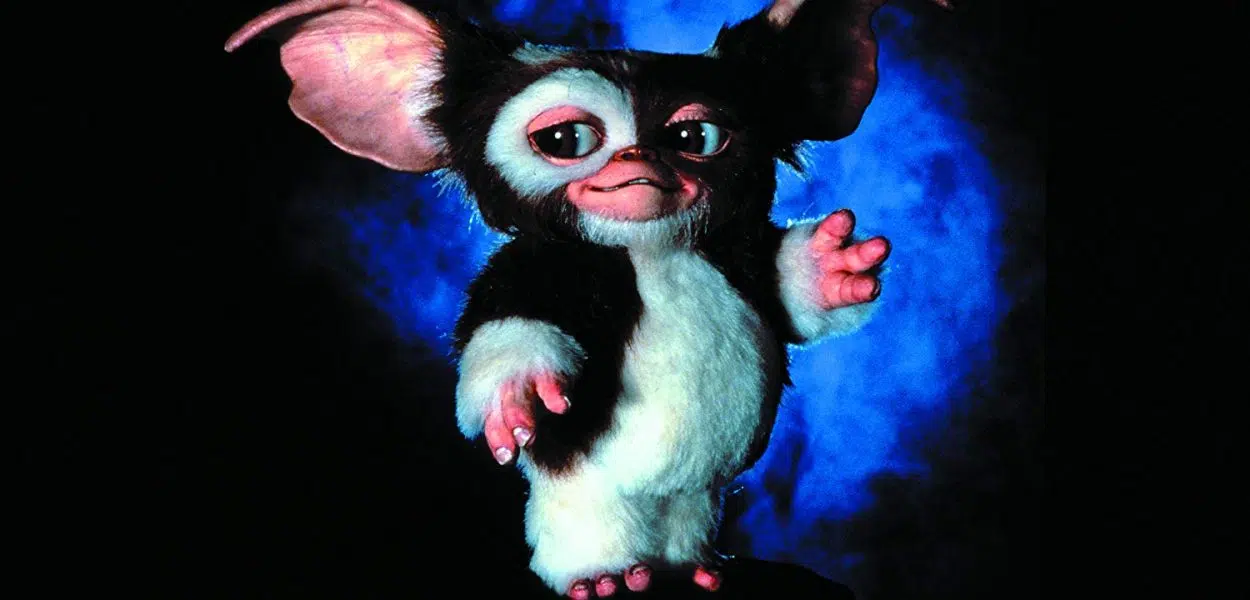
“Not quite comedies, not entirely horror movies and not normal family films, Dante’s work continues to impress with the layers each work reveals over time, a key factor in their lasting power.”
“In Fassbinder’s conception of West Germany following its chaotic autumn, terror takes on the tenor of performance art; like addicts lusting after a fix, the groupuscule seeks ennobling sensation; they must be satiated by “Something symbolic…”
“For those suffering from the same dissatisfactions depicted in ‘Touki Bouki’ and ‘Taipei Story’ — be they based on economics, vocation, familial and romantic relations or a broad national uncertainty — hope may be all there is. And that, at least, is something.”
“The demise of the conspiracy thriller pointed to a broader shift; it signalled the rise of a new credulity, a willingness to re-engage with the idea of America in spite of its reality.”
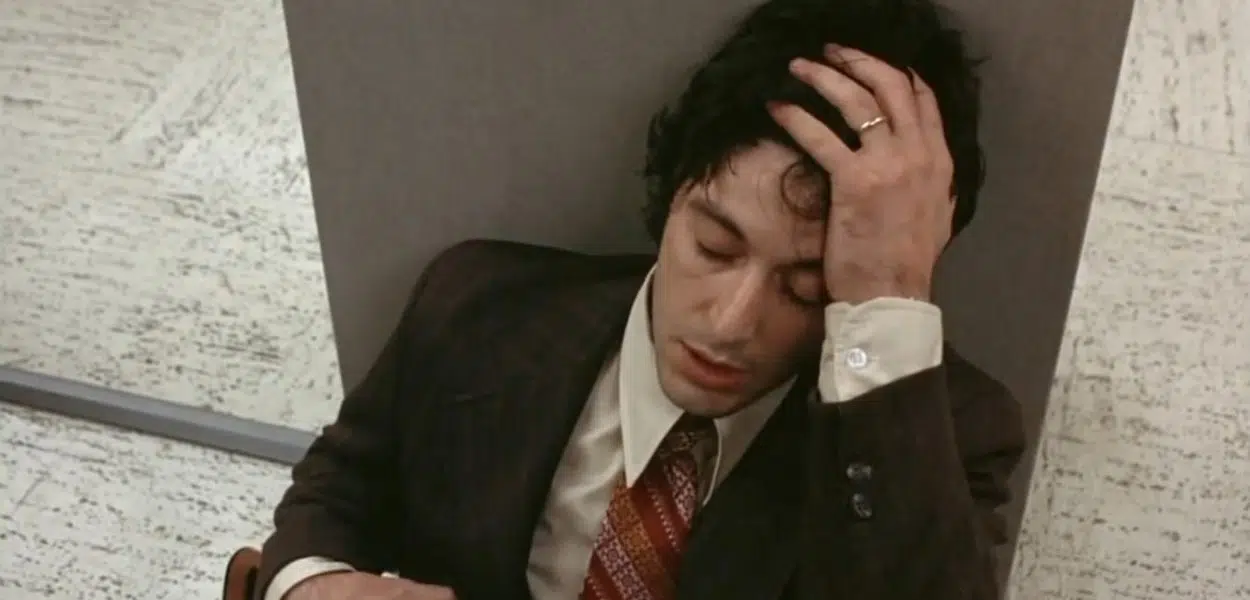
“By creating such a sympathetic, human subject, Lumet deepens the impact of his institutional critique of the justice system; its dehumanizing effect on American society seems all the more tragic when Sonny is its victim.”
“In dramatizing themes of absence and presence so thoroughly, ‘Klute’ embodies a central feature of neo-noir; as a self-conscious revision of a classic film cycle, noir is always both absent and present in neo-noir films.”
“This is a world where faith, governments, businesses, families and the other institutions humans have built will all crumble, just like human bodies, which will inevitably succumb to their fragility and fall victim to total destruction.”
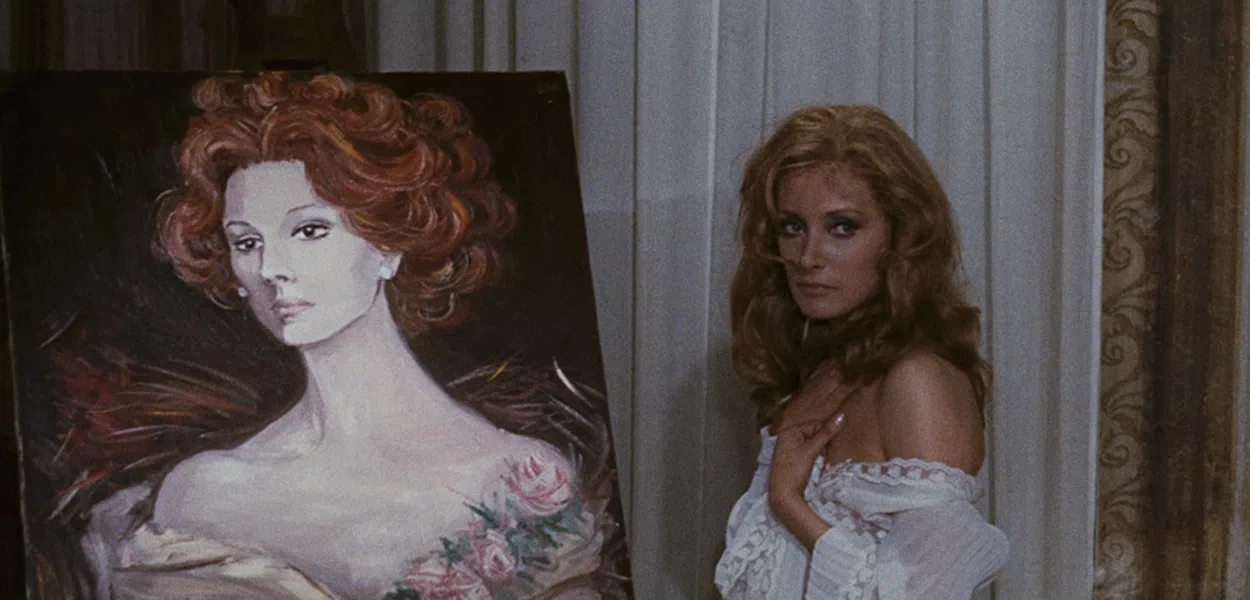
“Miraglia’s deliberate interweaving of castles and glimmering blades taps into the one element that both Gothic and giallo art share: the ability to taffy-pull delight from terror. Both Poe and Bava would tip their hats.”