Catching Fire: The Inscrutable Mayhem of Seijun Suzuki’s ‘Branded to Kill’
“‘Branded to Kill’ doesn’t flow, it staggers — it moves like a dying man, shot through the gut, bleeding out.”

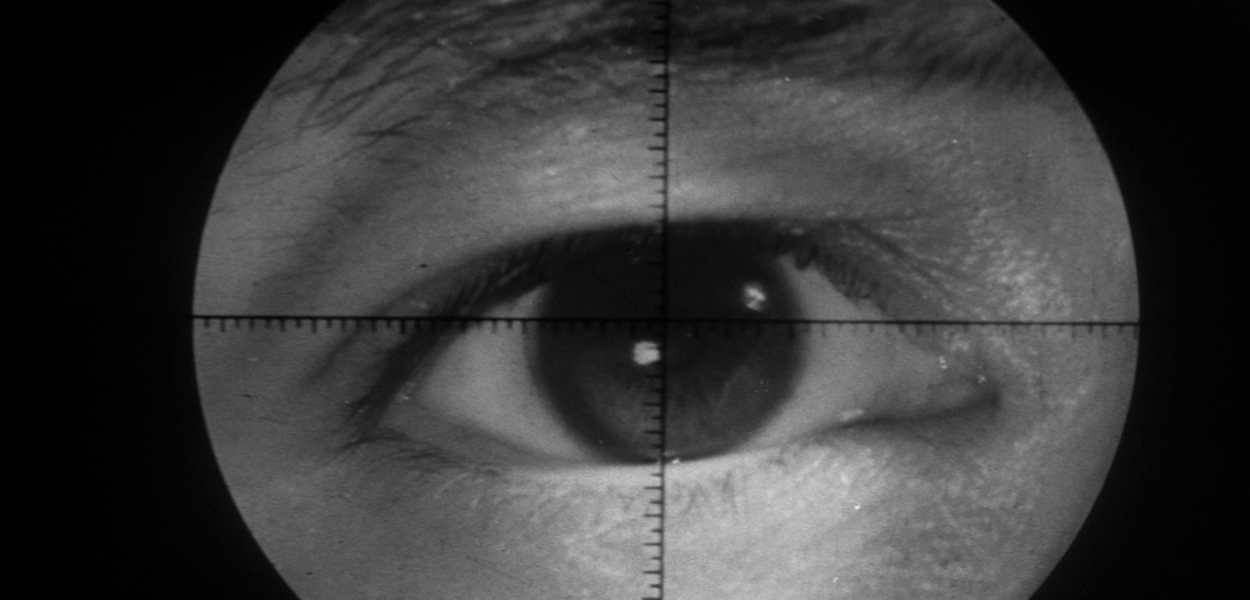
“‘Branded to Kill’ doesn’t flow, it staggers — it moves like a dying man, shot through the gut, bleeding out.”

“Occupying a middle space between the classicism of Japan’s most well-known filmmakers and the politically charged avant-garde of the New Wave, Suzuki uses the trappings of noir to explore the ramifications of isolation.”

“‘A Colt Is My Passport’ represents a supreme tension between American and Japanese Noir, and asks questions about the past and future of international cinema.”
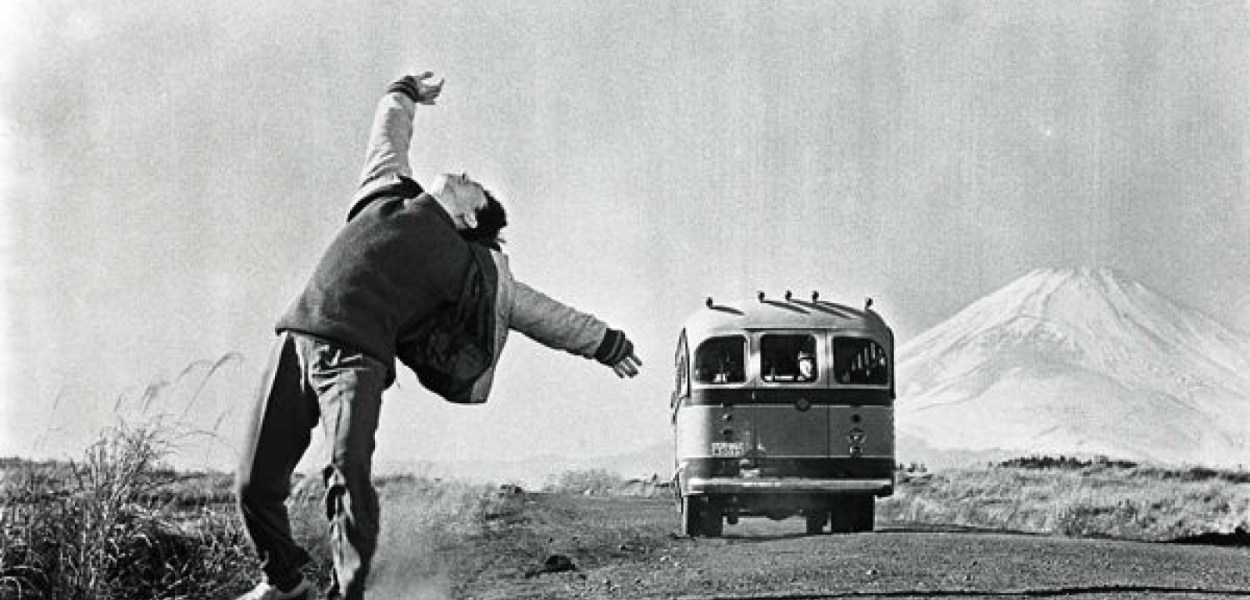
“A blueprint for Suzuki’s later masterpieces, ‘Take Aim at the Police Van’ is a solid cinematic vehicle full of suspense and surprises.”
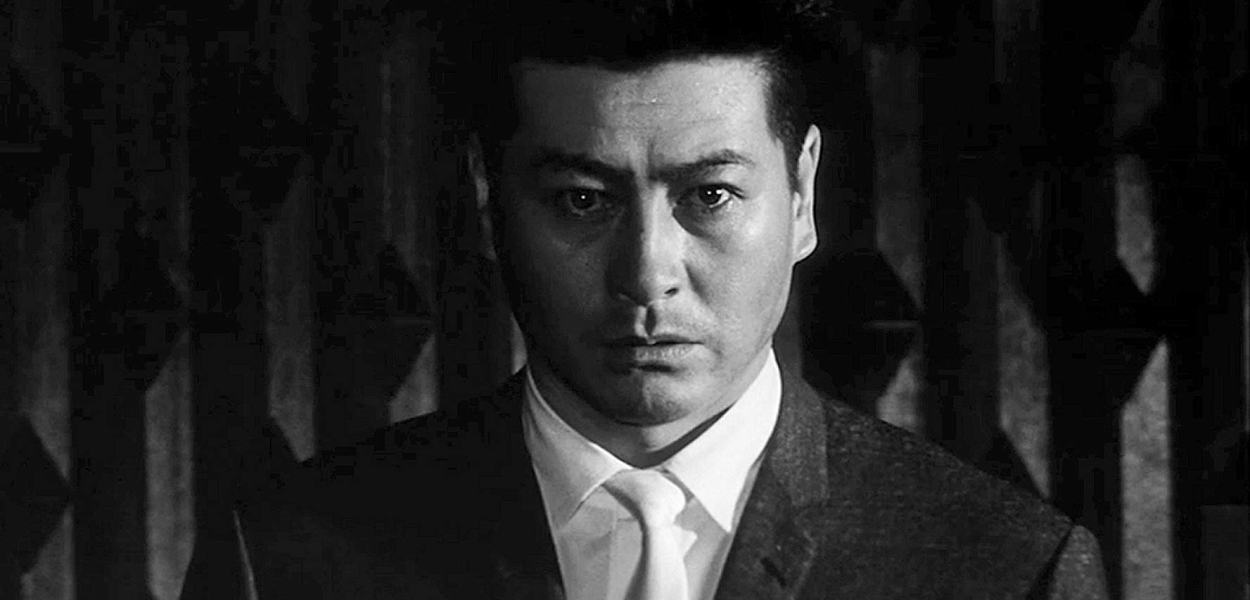
“‘Pale Flower’ finds its own rhythm and mood, superimposing frictionless cool on tireless ennui, punctuating everyday boredom with an enigmatic tremble.”

“‘Pale Flower’ is a magnificently emblematic example of the stylization, self-consciousness and independent spirit that defined the Japanese New Wave.”

“In Kurosawa’s noir films, characters struggle to move beyond loss — personal, financial and national — only to find that more loss awaits them.”
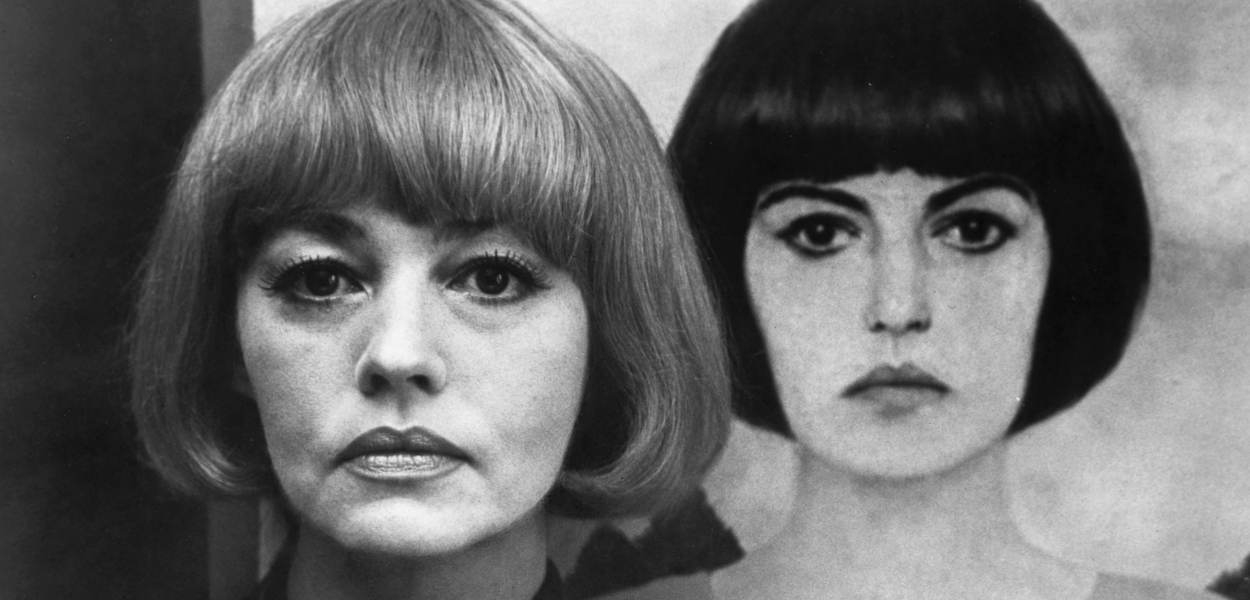
“In ‘The Bride Wore Black,’ cruel fate rips true love away from the innocent, suggesting that Truffaut believed pure happiness is only found in fairy tales.”

“Despite being an uneven grouping hardly representative of the best these filmmakers had to offer, ‘Six in Paris’ is an interesting capsule of moments in time and space.”
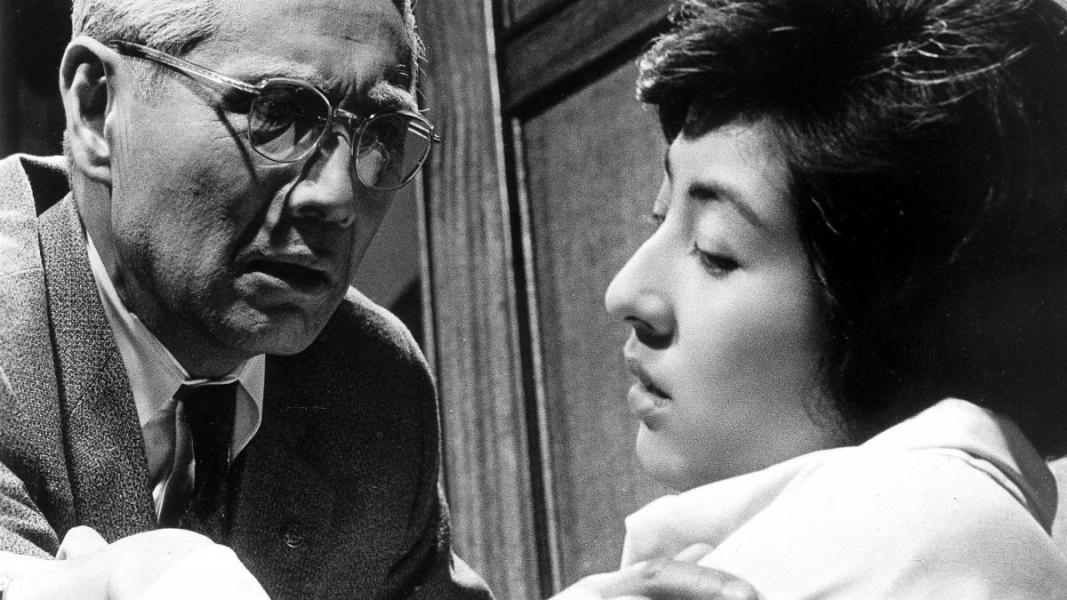
“Kurosawa was rarely more bitter and dejected than he is here, crafting a sprawling noir tragedy from Shakespeare’s text, grappling desperately with identity in the nightmare of faceless modernity.”
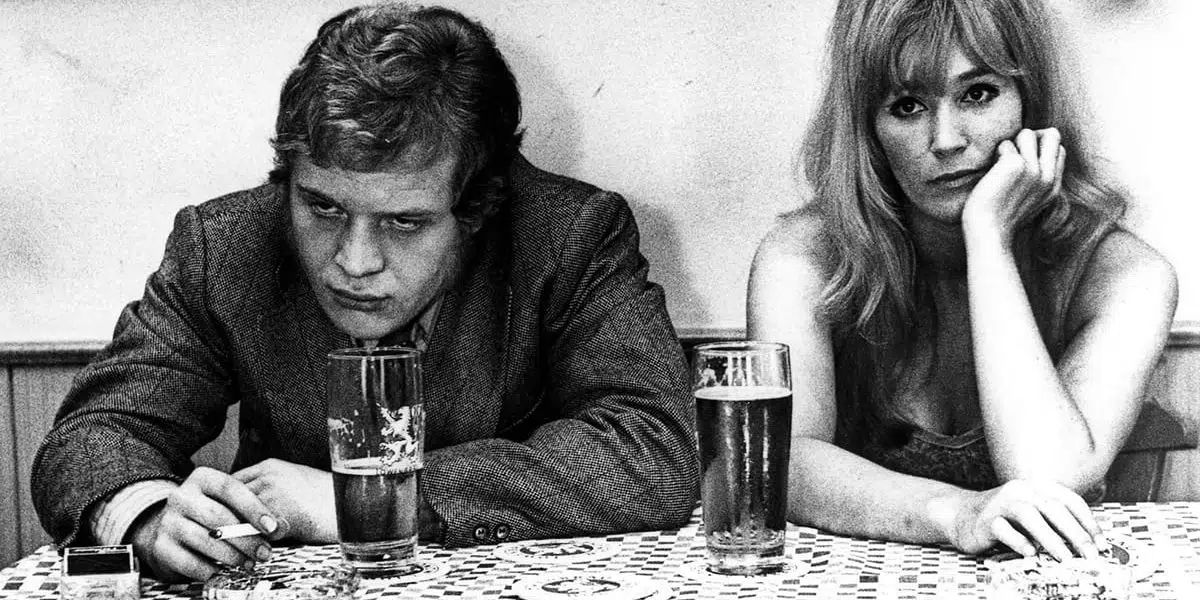
“The virility of the unwanted foreigner is a typical focal point for the average xenophobe.”
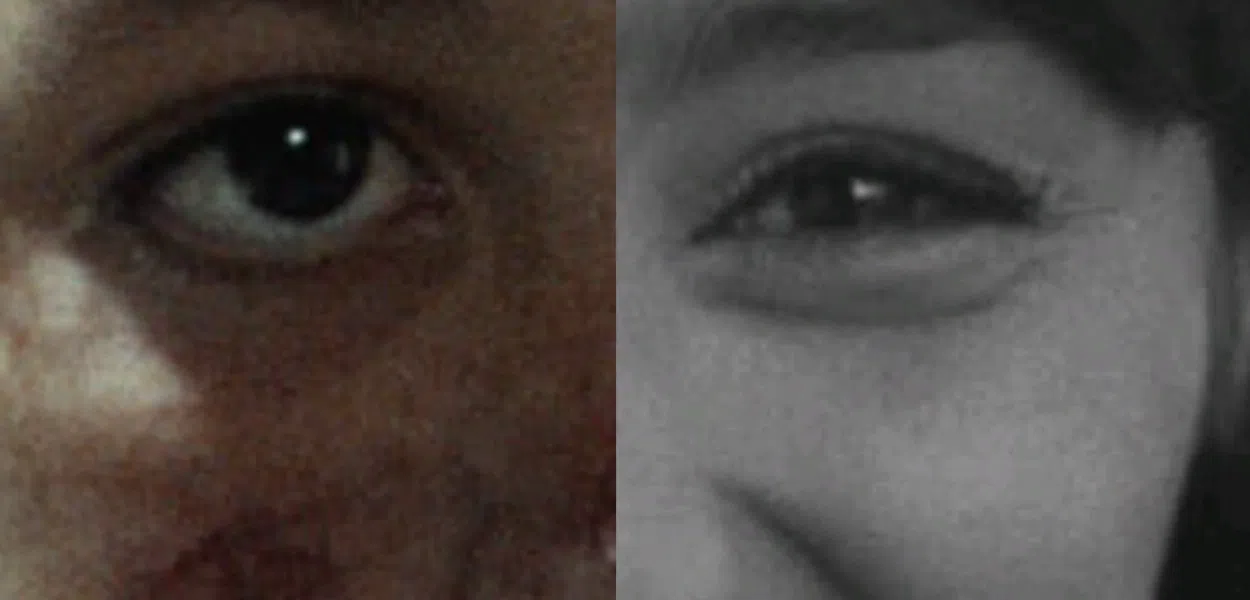
“‘Memories of Underdevelopment’ shares with ‘Pixote’ a cautious destabilization, a sense of how long can this last, of tipping points, radical reform and the capricious aftermath.”
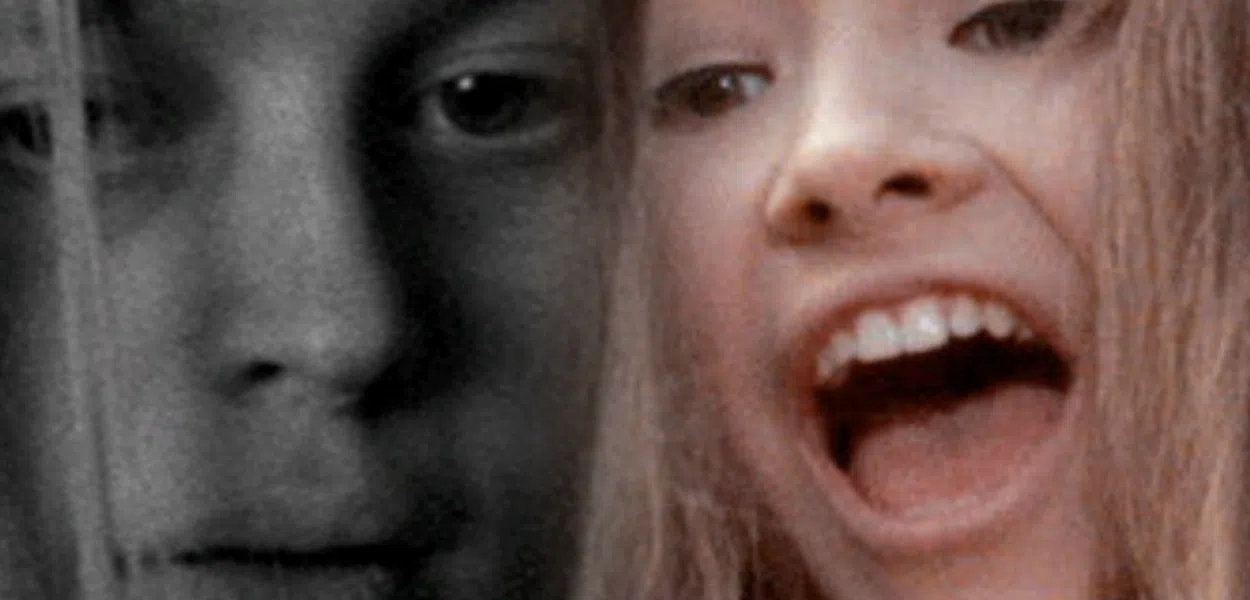
“As much as I love a good story, the best movies always transport me, in an intangible sense, through the base elements.”
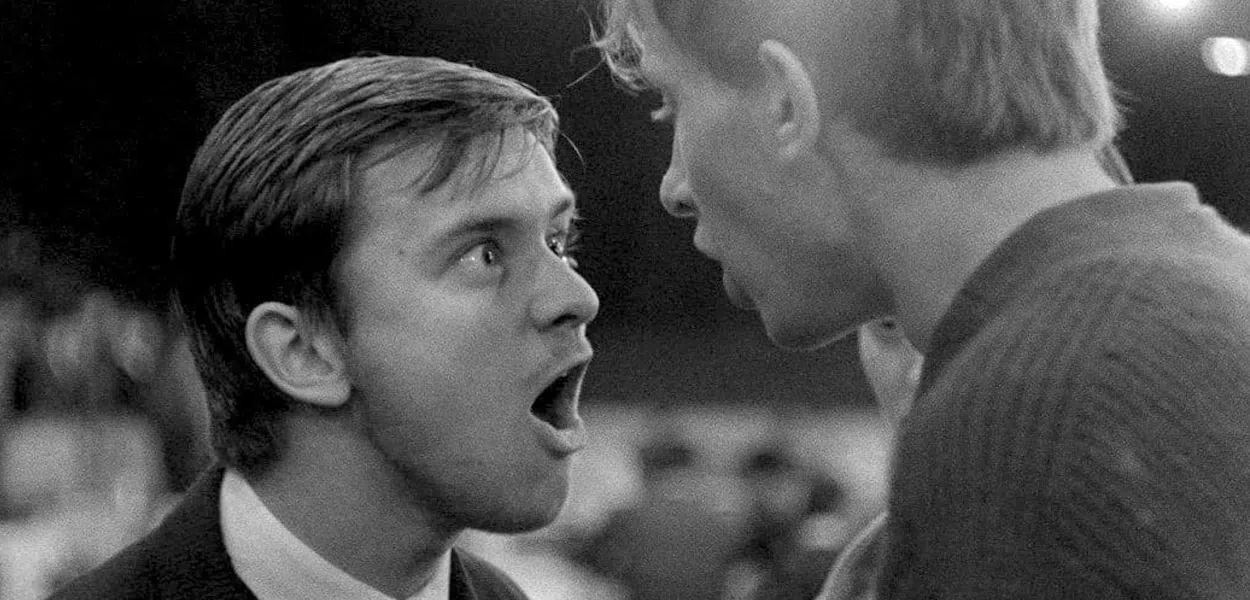
“As a character study, Miloš Forman’s feature directorial debut presents a realistic vision of a boy’s attempt to come of age; a path full of setbacks without a tidy resolution.”
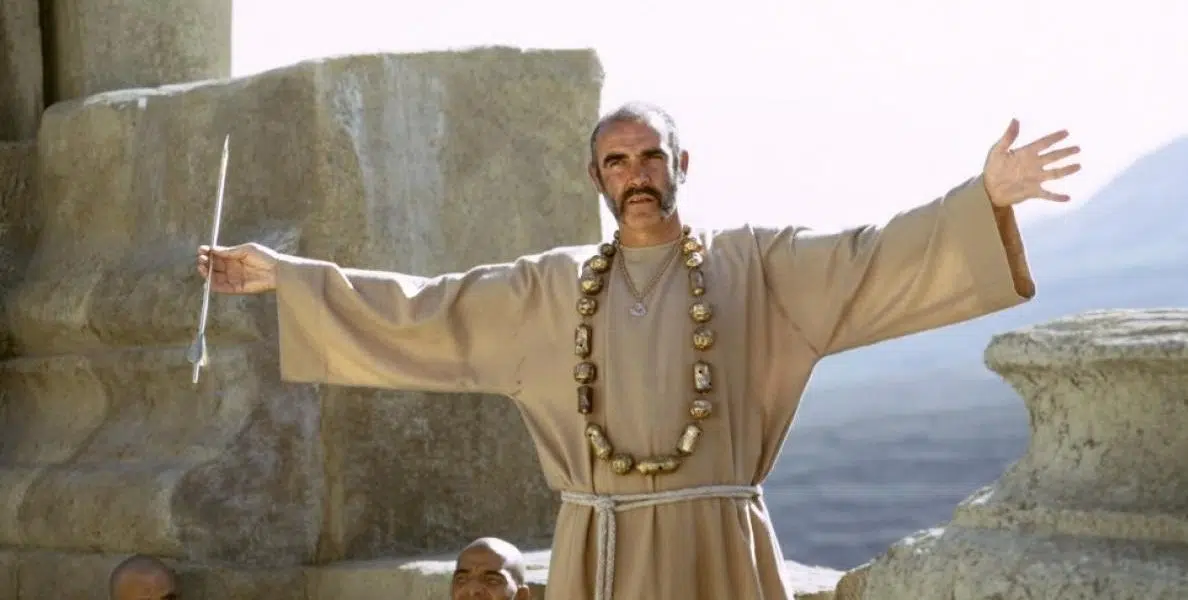
“In my hatred for the Bond franchise, I feel I may have done a disservice to its star. I have always had a tendency to discount Sean Connery as an exquisitely sculpted statue, capable of filling out a tuxedo very nicely but little else.”

“One of the great joys in viewing the films amassed under the World Cinema Project banner is discovering the richness of a nation’s cultural and scenic backdrop.”

“In their conversations, Soderbergh and Nichols work together to dismantle the artificial dividing line between art and criticism, neatly moving between the two…”
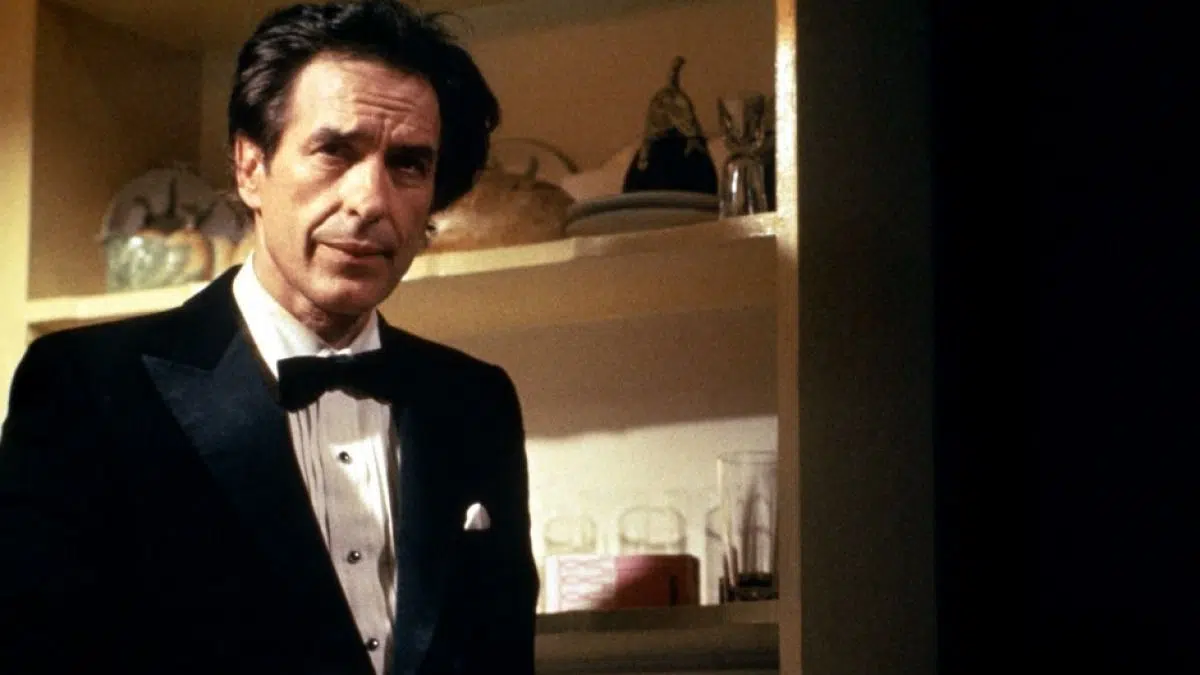
“Cassavetes’ films form a mosaic of artistic fortitude, glued together with thought.”
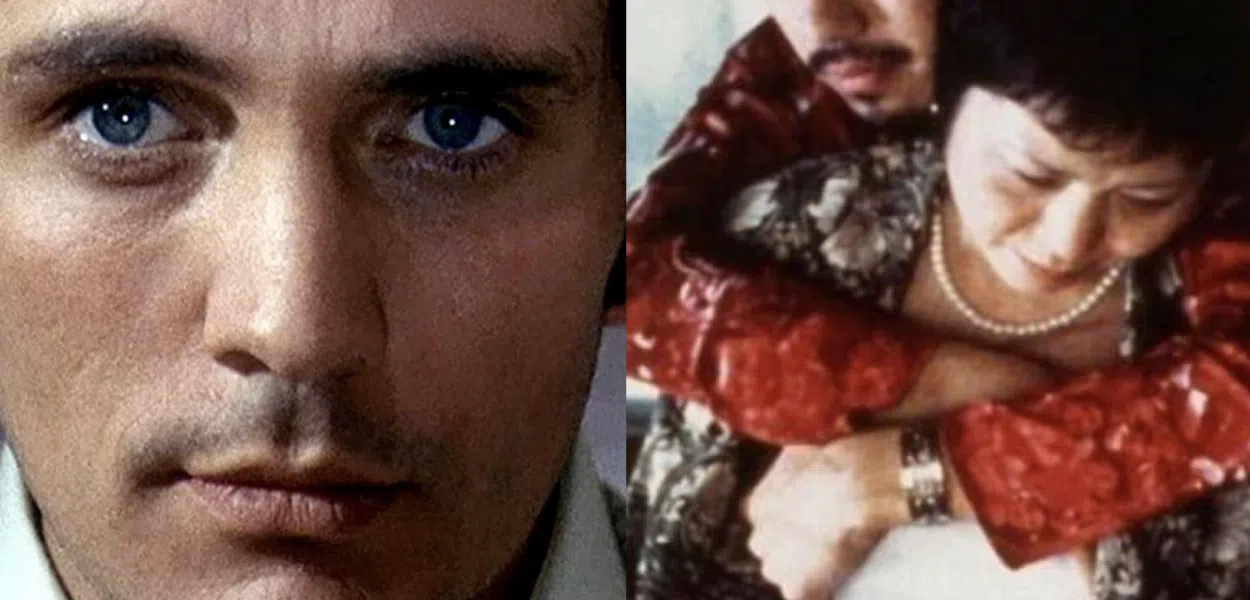
“While ‘Teorema’ and ‘Visitor Q’ share a common DNA, what’s most striking is the way each film uses The Stranger. Both figures bring with them a kind of new order, as if they were missing puzzle pieces for the families that they integrate themselves into.”
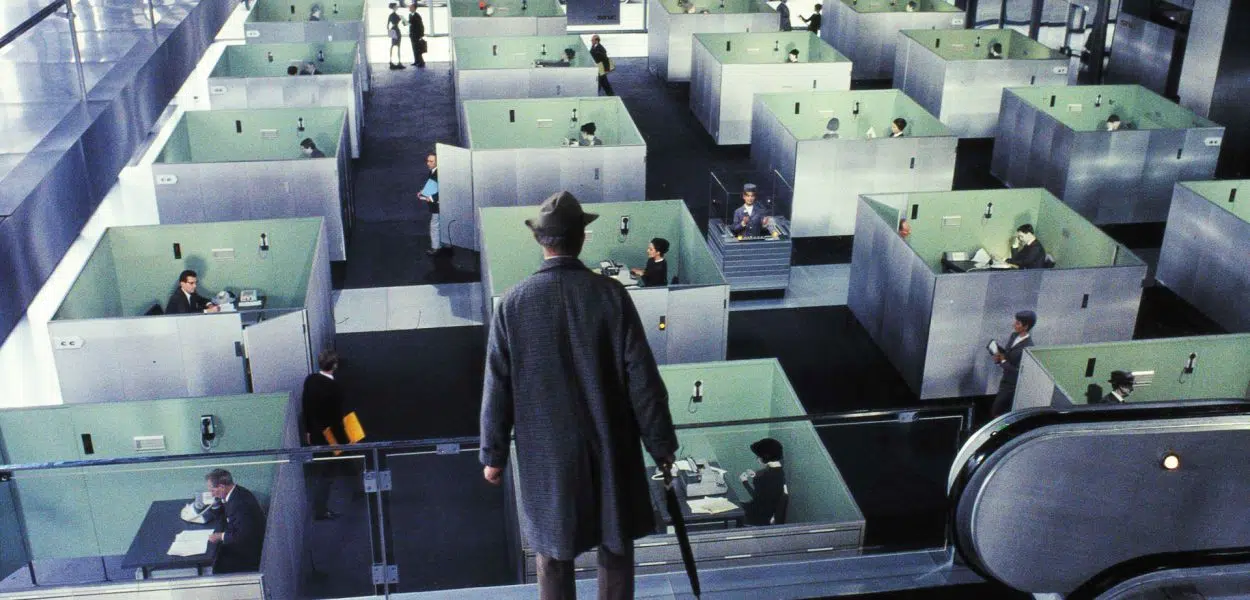
“It’s not difficult to see how PlayTime’s jubilant finale — with its invocation to fashion the city to its occupants’ sense of fun, desires and needs — is perhaps Tati’s most profound statement of his participatory cinema.”