Tribeca Film Festival Review: Christoph Waltz’s ‘Georgetown’
“‘Georgetown’ is far from an egregious festival bomb, but Waltz’s directorial craftsmanship lacks the flair of his performance work.”

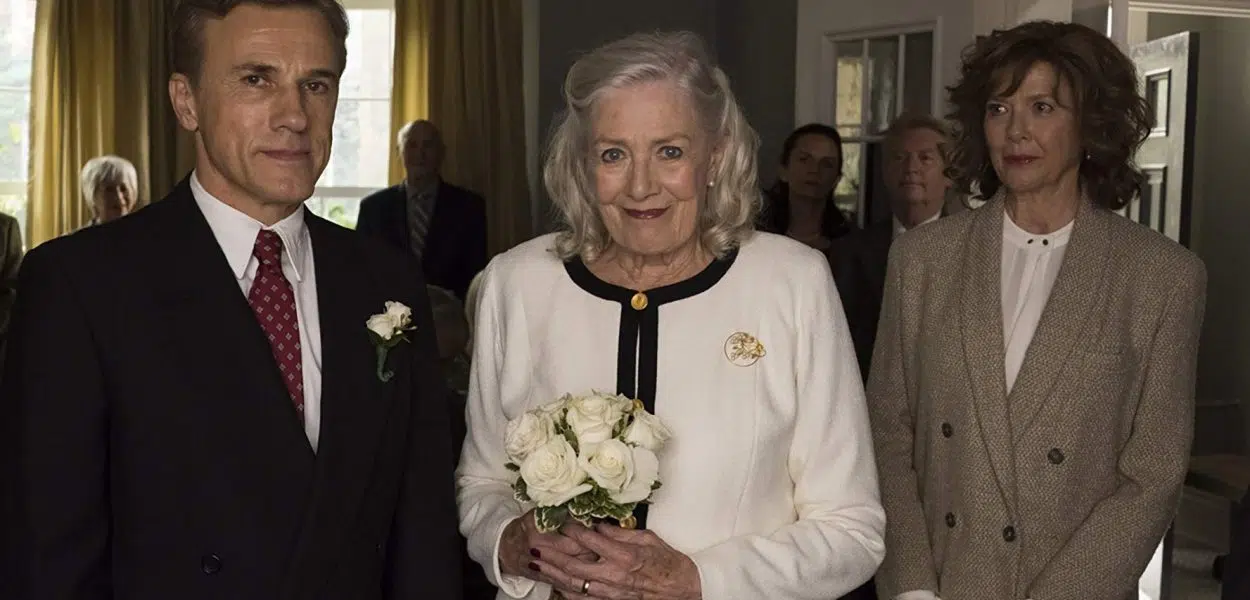
“‘Georgetown’ is far from an egregious festival bomb, but Waltz’s directorial craftsmanship lacks the flair of his performance work.”

“‘JT LeRoy’ is a movie suiting those who, at minimum, can entertain the idea that we might not get what we desperately want.”
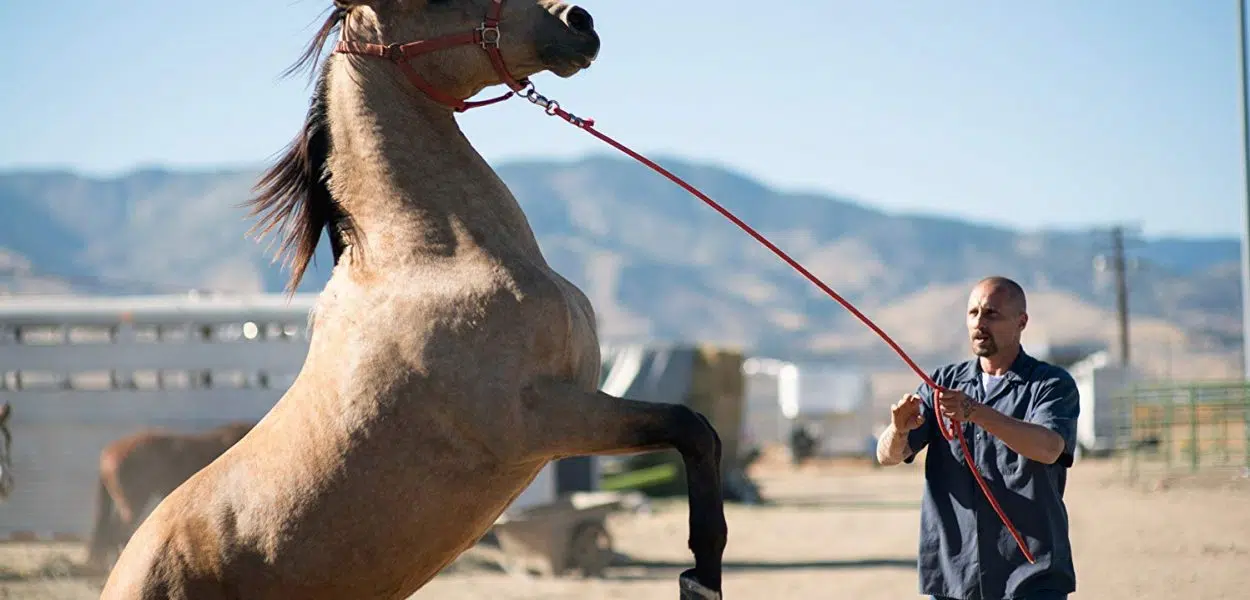
“Not all of Clermont-Tonnerre’s story moves hold up under logical scrutiny, but ‘The Mustang’ succeeds despite its familiarity.”
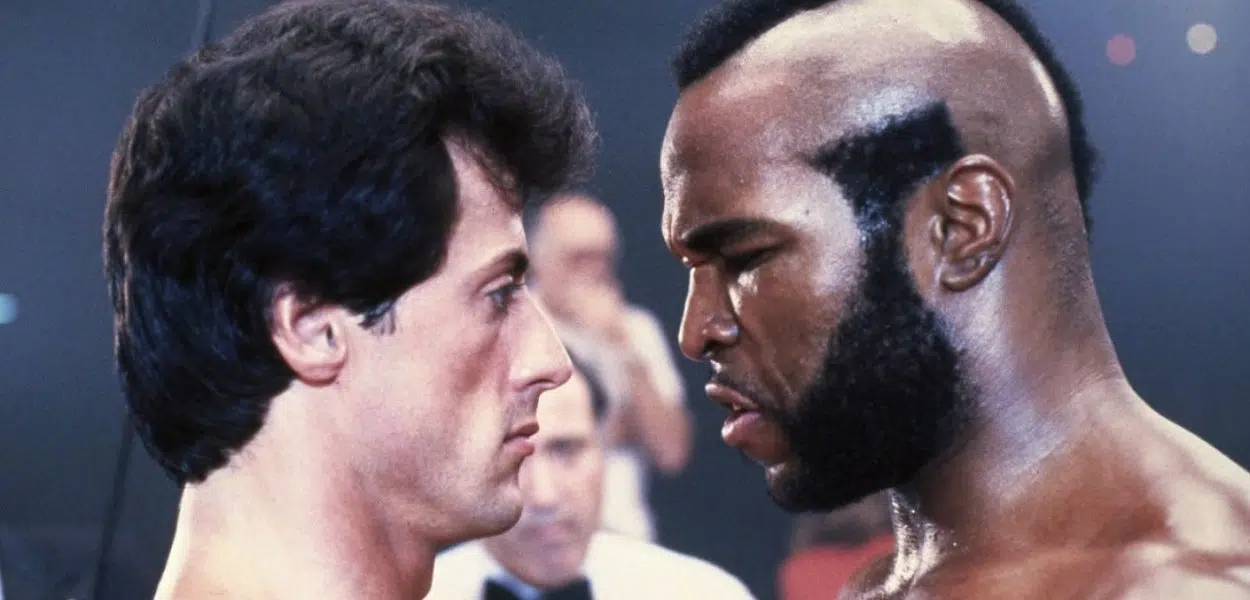
“There are things about ‘Rocky III’ that definitely raise eyebrows — its racial dynamics and maybe even its class politics — but ultimately it shows a fighter overcoming his opponent by reaching out to those around him and confronting the problems within.”

“Das’ direction examines one’s reluctance to imagine the future in any detail during childhood. She highlights the transformative power of nature, the way it allows one’s true self to shine through and thus inspires the pursuit of hidden passions.”

“With their uncomfortable blend of sexual politics, dark comedy, quirky star power and social and moral critique, it’s no wonder moviegoers didn’t know what to make of Kaplan’s satirical stories when they were first released.”

“What is perhaps most remarkable about the rise of Nirvana — and the industry’s hastily assembled appellation “alternative rock” — is the belief by many at the time that it had come from nowhere…”
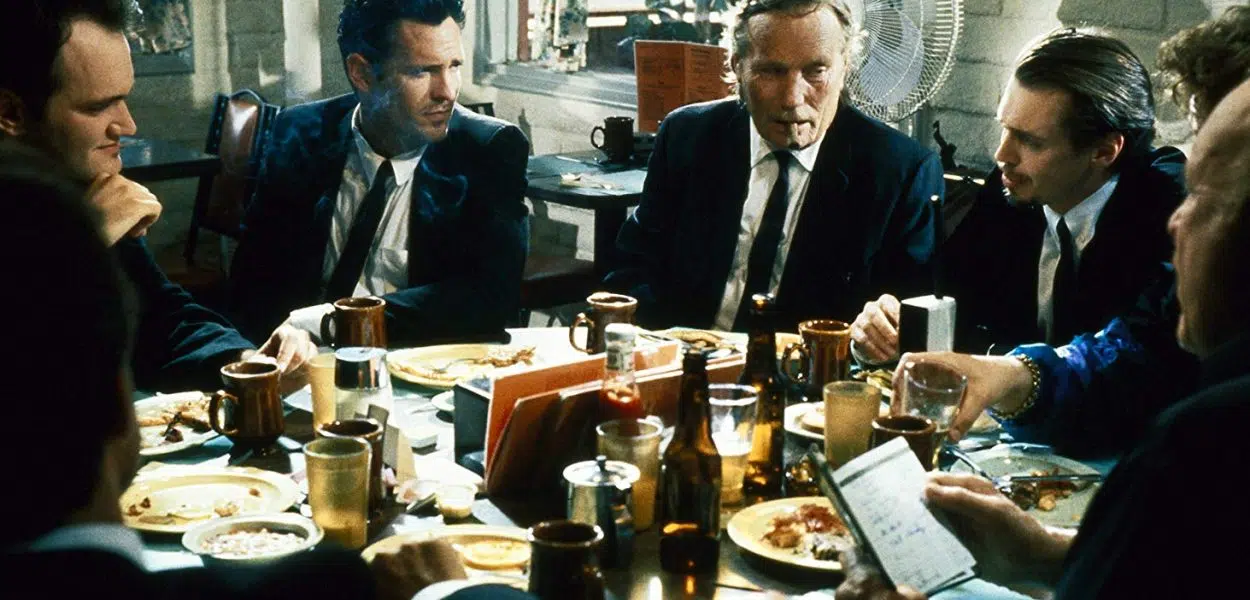
Welcome to John Brhel’s “Once Upon a Time In Tarantinoland” — a look back at all eight of Quentin Tarantino’s feature films. First up: ‘Reservoir Dogs.’

“Whenever they exist, wherever they roam, with this continuation of personality and principle, it is often as if Peckinpah’s characters were simply picked up from the past and dropped into another time, a time where the Western — and western — spirit remains.”

“Perry has written an anti-heroine who is wholly clued into her own mythology metaphor, referring to herself and the band’s circumstances using the self-aggrandizing language of conquests, lore and legacy.”
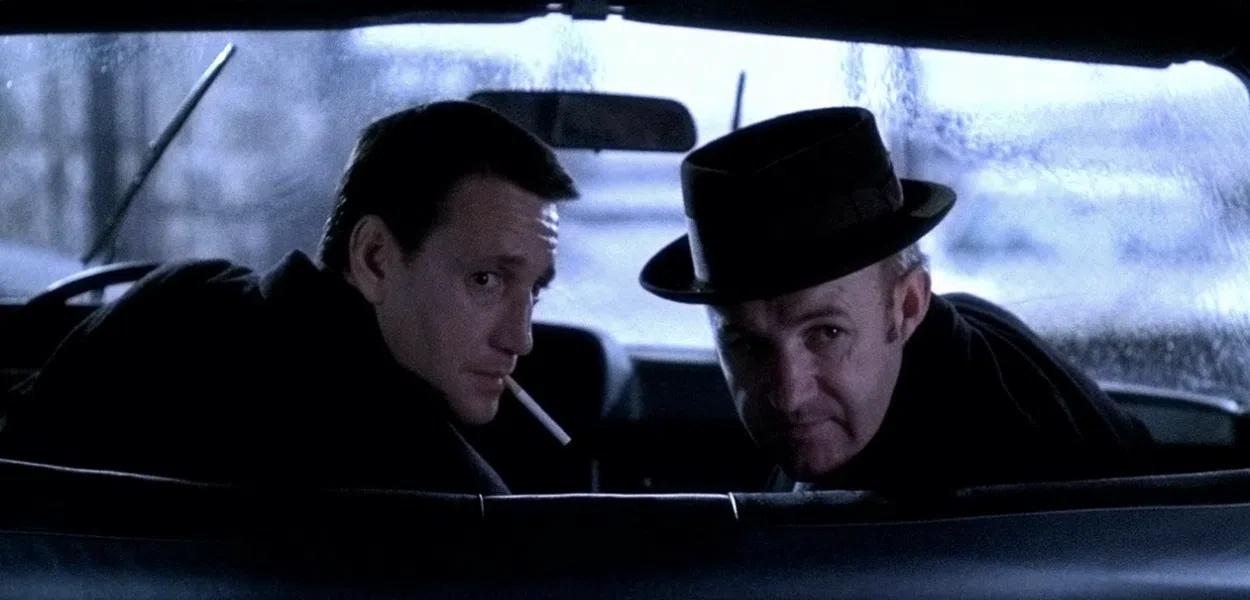
“Just like his protagonists, D’Antoni refused to play by the rules, and he got results.”

“As much as DAU requires certain knowledge of XX-century history and arts, its key element is the subjective, the emotional, even the intrusion. And this can be the game changer the future needs.”
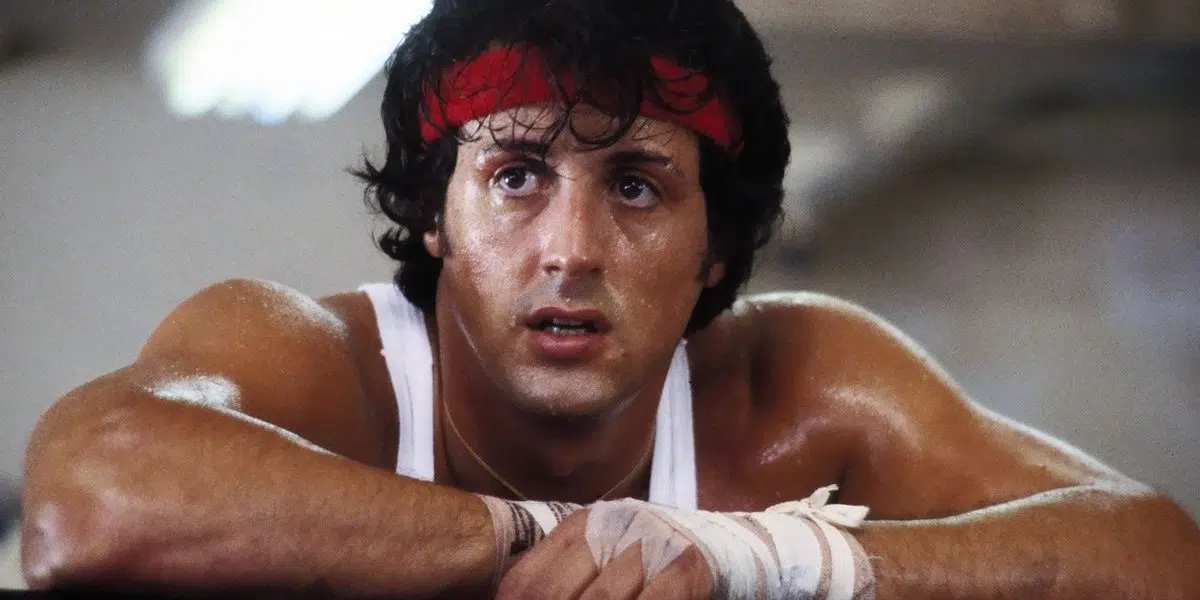
“Films like ‘Rocky II’ age well because the moments that now seem anachronistic serve to shed light on problems we still have today, delivered by the kind of characters viewers can sympathise with, even if one doesn’t agree with all their opinions.”
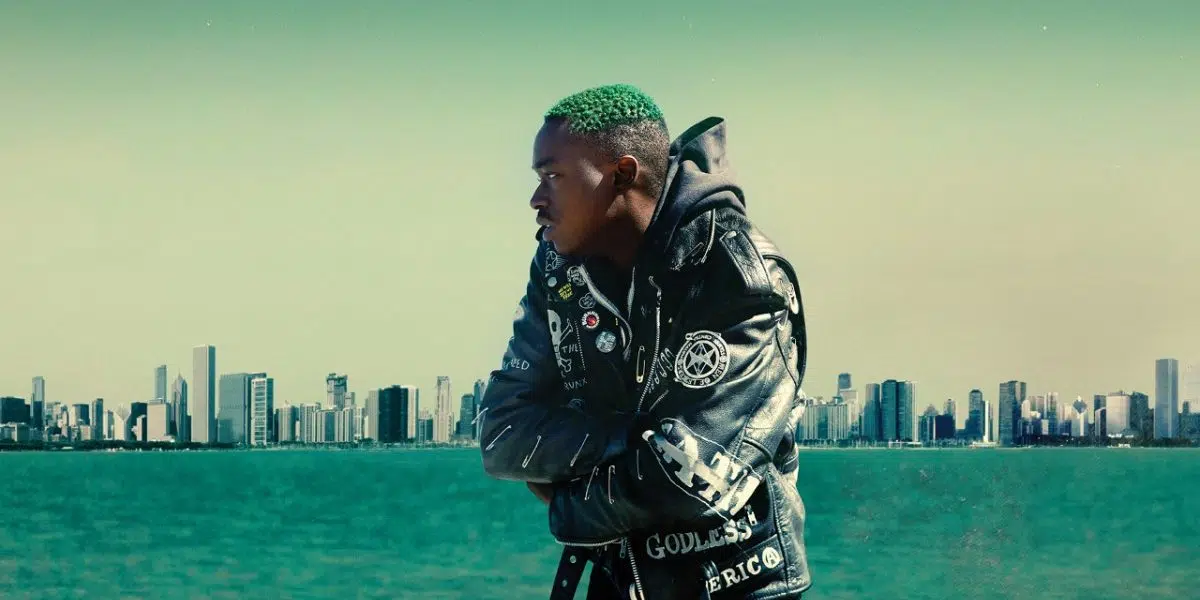
“Whether or not Johnson overcomes the arguments made by James Baldwin in essays contained within ‘Notes of a Native Son’ rests largely with the viewer’s sympathies with the objectives and sensibilities of Wright (and Johnson).”
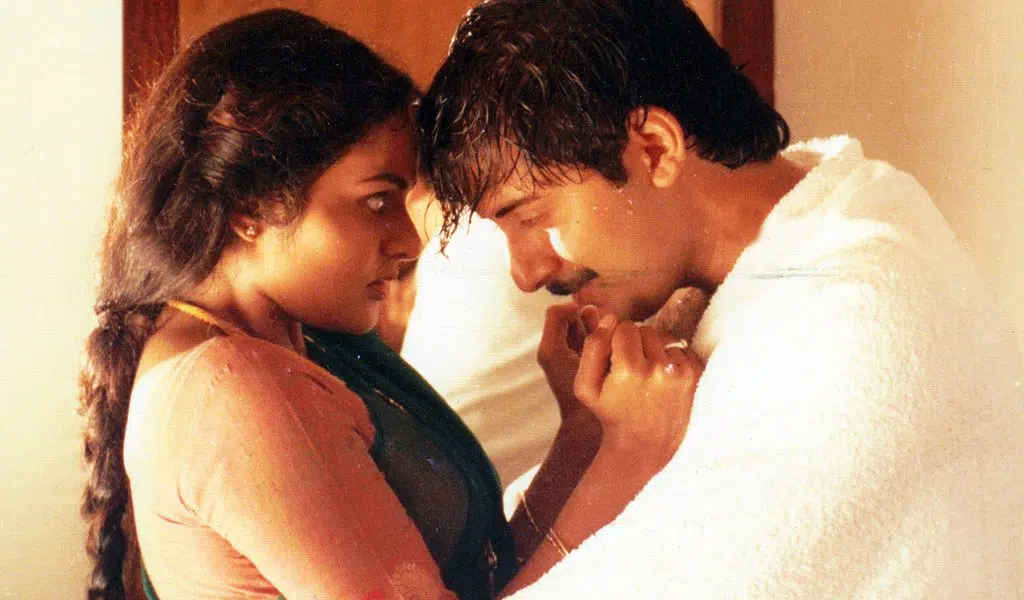
“His songs and compositions are featured in commercials, sampled in TV shows, used at sporting events and play as ringtones on people’s cellphones. There isn’t a place in India where Rahman’s music hasn’t reached.”
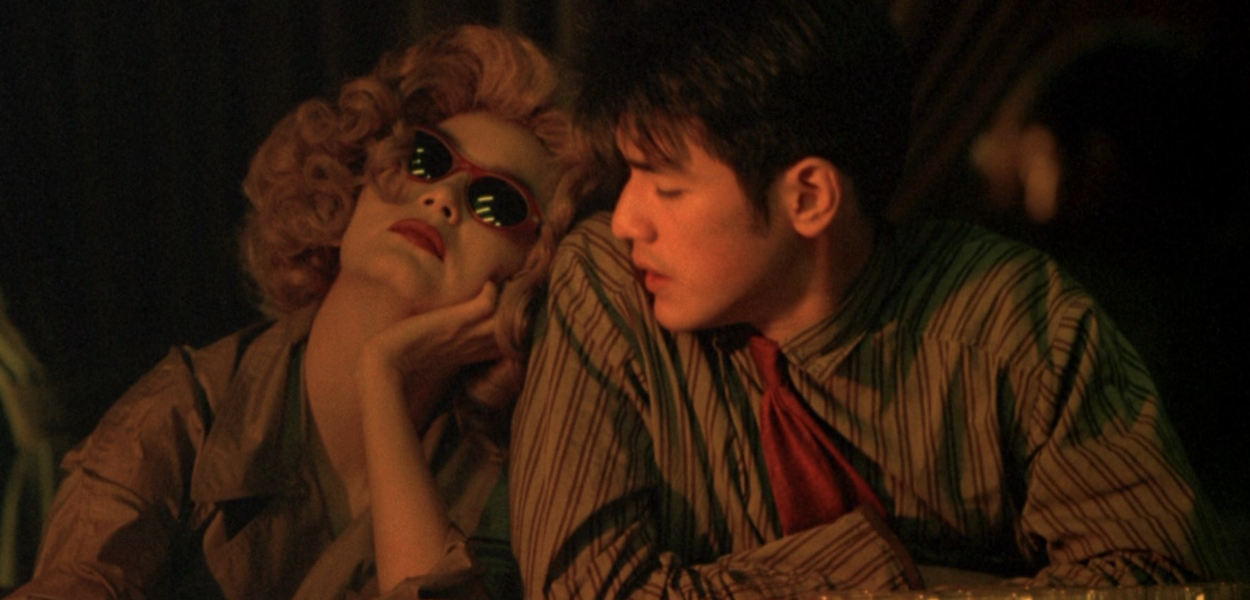
“By dissecting and re-representing time through the cinematic apparatus, ‘Chungking Express’ demonstrates that modern life is not unequivocally devoid of romanticism.”
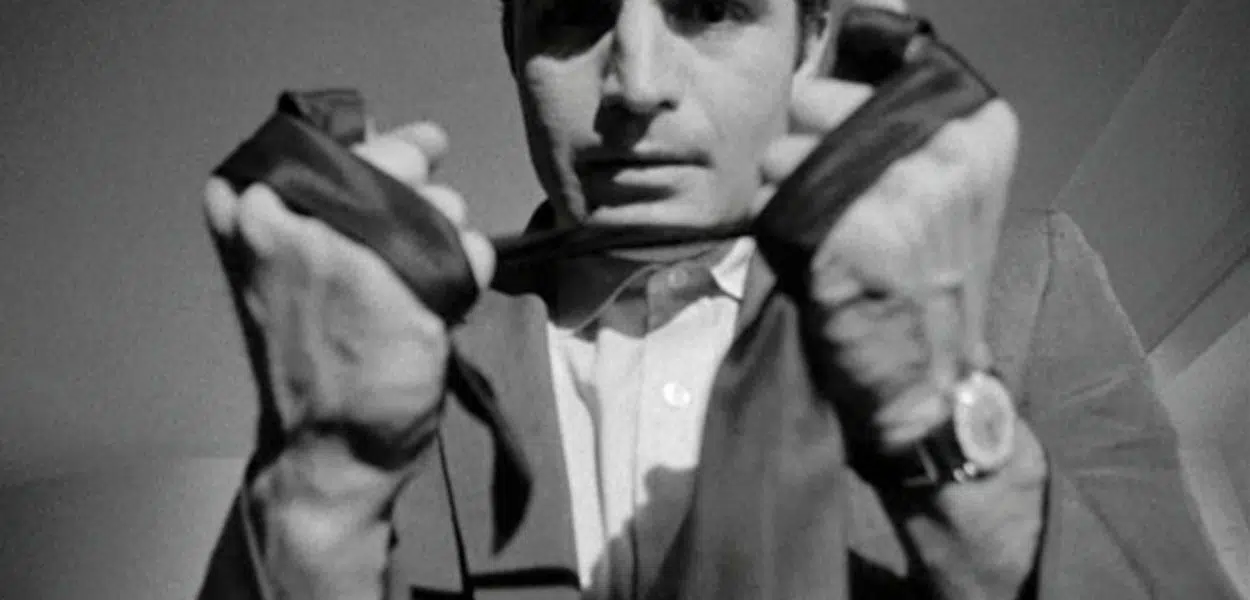
“It’s telling that all of the human interactions in ‘Murder by Contract’ involve either money or business. The illusions of the profit motive and market forces have alienated Claude from his own emotions and left him broken and alone.”

“‘Ash Is Purest White,’ Zhangke’s latest film, is another masterful chapter of the director’s artistic journey, one that works wonderfully as a point of entry into his oeuvre.”
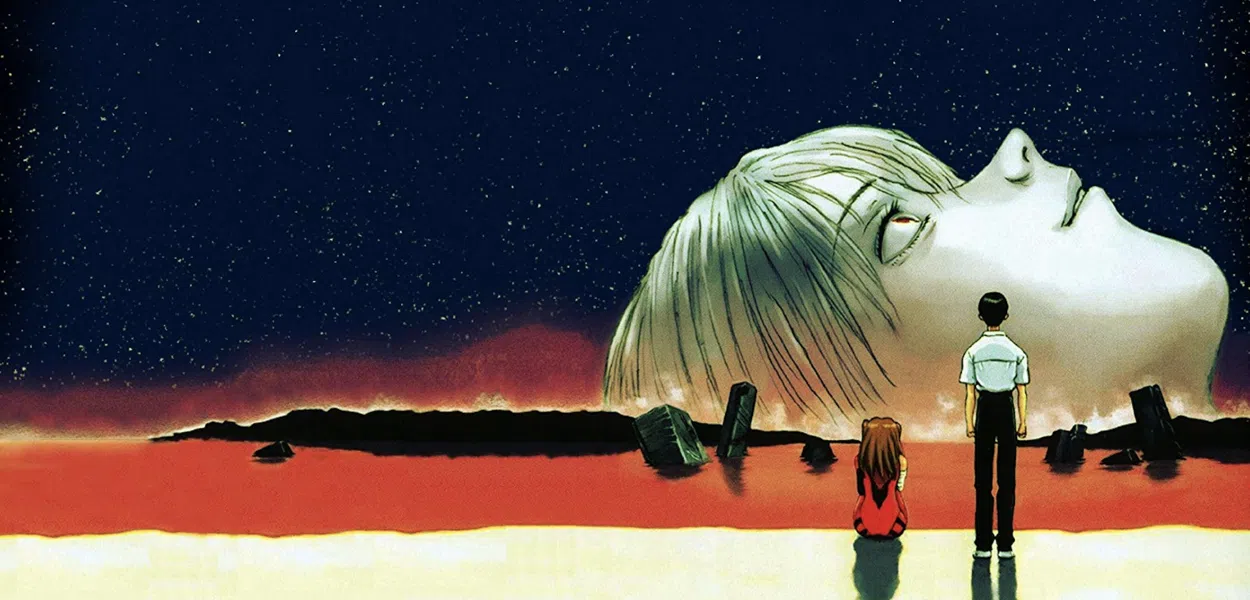
“In ‘Evangelion,’ youth is depicted not as an event to look back on with nostalgia, but as an arduous task to be overcome. Shinji’s story is one that demands he confront rather than escape…”

“Sometimes, films set in and around Hollywood manage to capture a sense about the place that’s strange and uncanny, a place in love with its past and afraid of its future, leaving nothing but ghosts behind to haunt the hills, and to walk the empty mansions.”