The Striking Punch of Subversion: Devashish Makhija’s ‘Ajji’
“‘Ajji’ successfully imparts the notion that it’s compulsory for victims to retaliate against extreme injustice by transforming into wolves.”

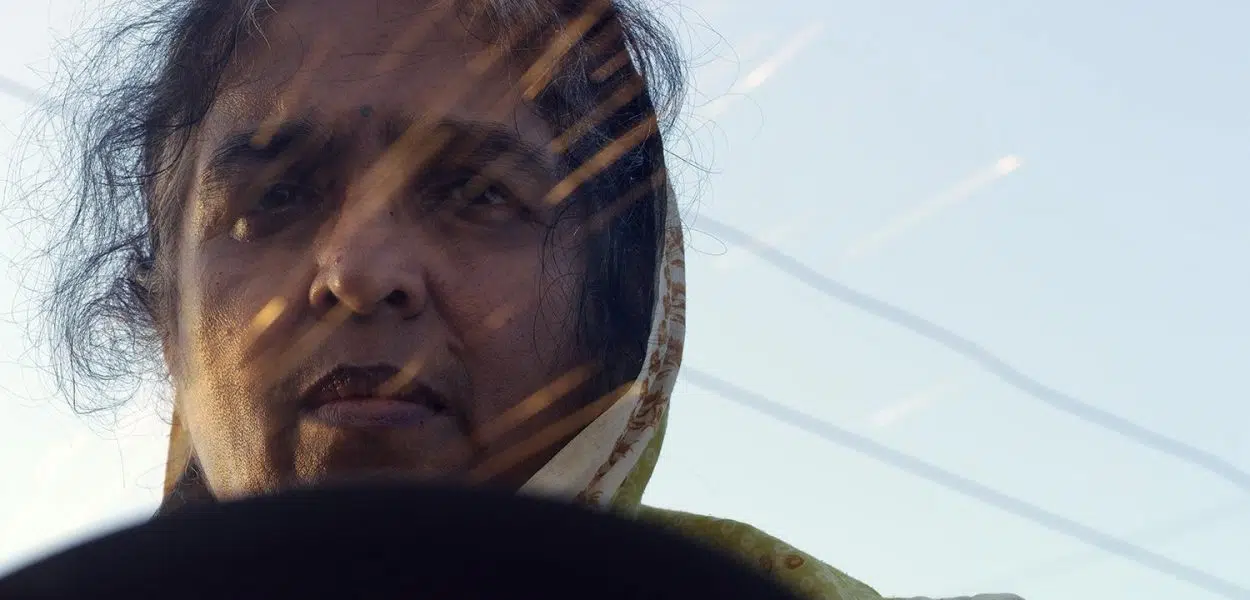
“‘Ajji’ successfully imparts the notion that it’s compulsory for victims to retaliate against extreme injustice by transforming into wolves.”

“Art is a product of its time; is it Get Out’s fault that the time mostly resembles a horror production?”

Marshall Shaffer’s 2nd annual #FilmStruckFebruary begins!
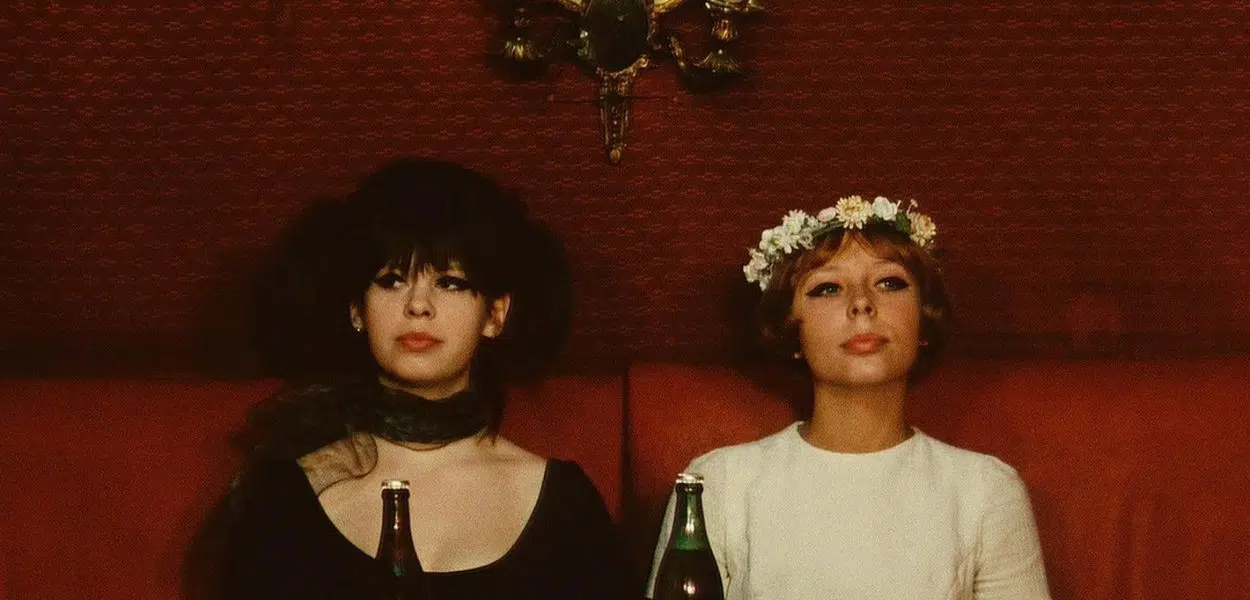
“The Maries, and ‘Daisies’ itself, are quintessential fruits of the Czech New Wave, deconstructing social hierarchies while embodying the free-flowing, iconoclastic ethos that roused and buoyed 1960s Czechoslovak cinema.”

“While it doesn’t pop with philosophical resonance like Ghibli pictures, it has enough fairy dust in its sleeves to keep you transfixed and rooting for the heroine.”
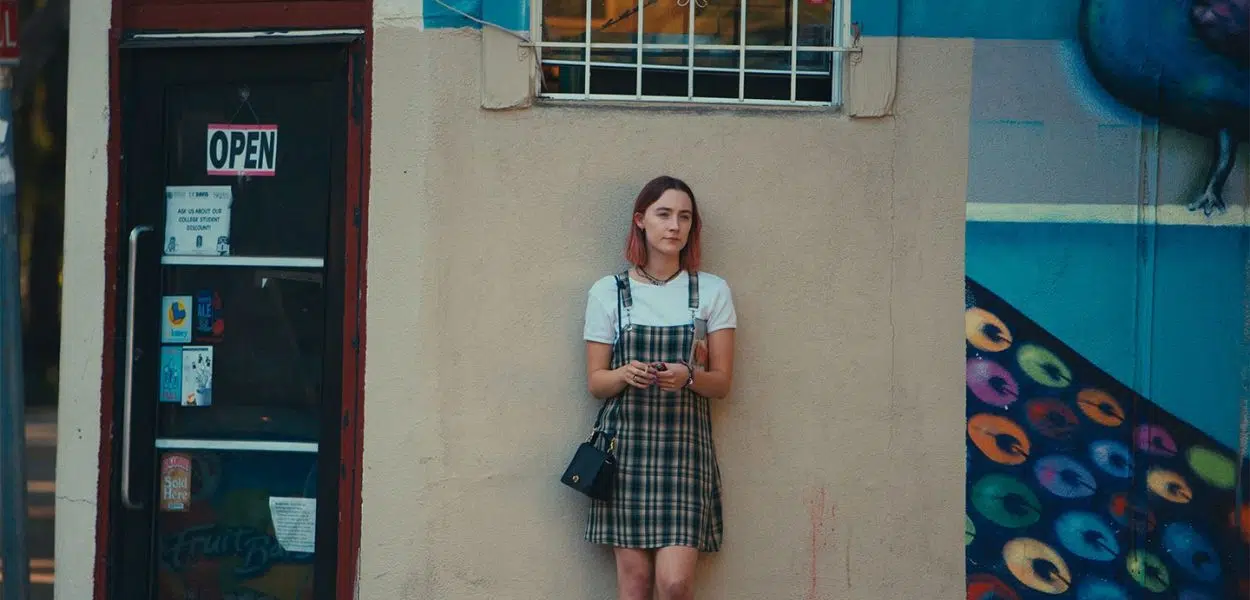
“Maybe this war of innocence is one that’s never really won or lost. Maybe we just take life one battle at a time.”

“A tremendously fun movie, ‘Damsel’ reinvigorates the Western aesthetic even as it defies many of the genre’s story conventions.”
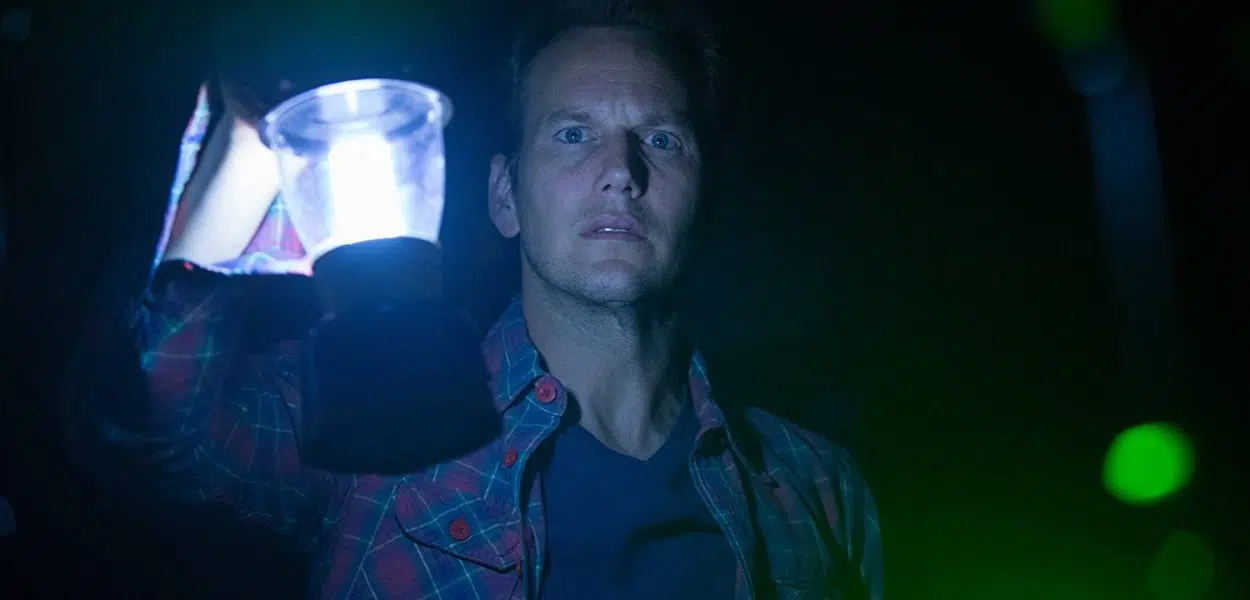
“Well, we’re definitely in agreement that ‘Chapter 2’ is the best of the series!”
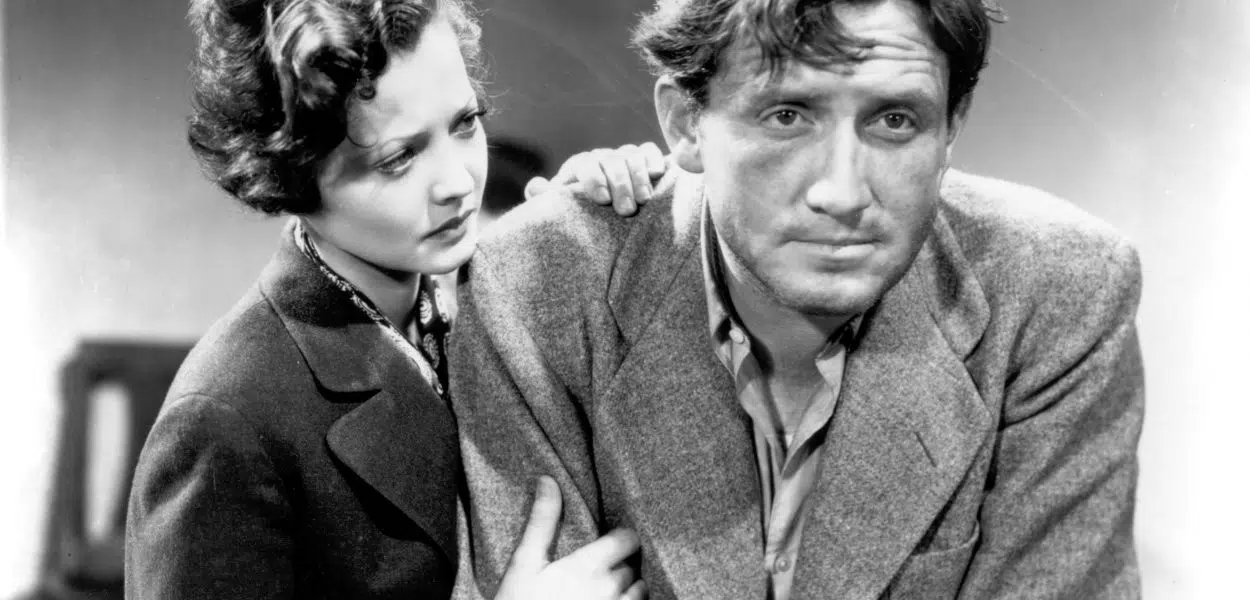
“Lang’s film becomes a committed act of social justice advocacy, raging against its enforced limitation, and striving to break the formal apparatus that could often be employed to constrain Classic Hollywood cinema.”

“At the risk of succumbing to the Sundance hype atmosphere, writer/director Josephine Decker may be offering a new form of altered cinematic consciousness with ‘Madeline’s Madeline.’”

“Just because ‘The Wages of Fear’ is dire and pessimistic, that doesn’t make it any less perceptive or accurate. Quite the contrary: the virulent truth only makes it that much more engrossing…”
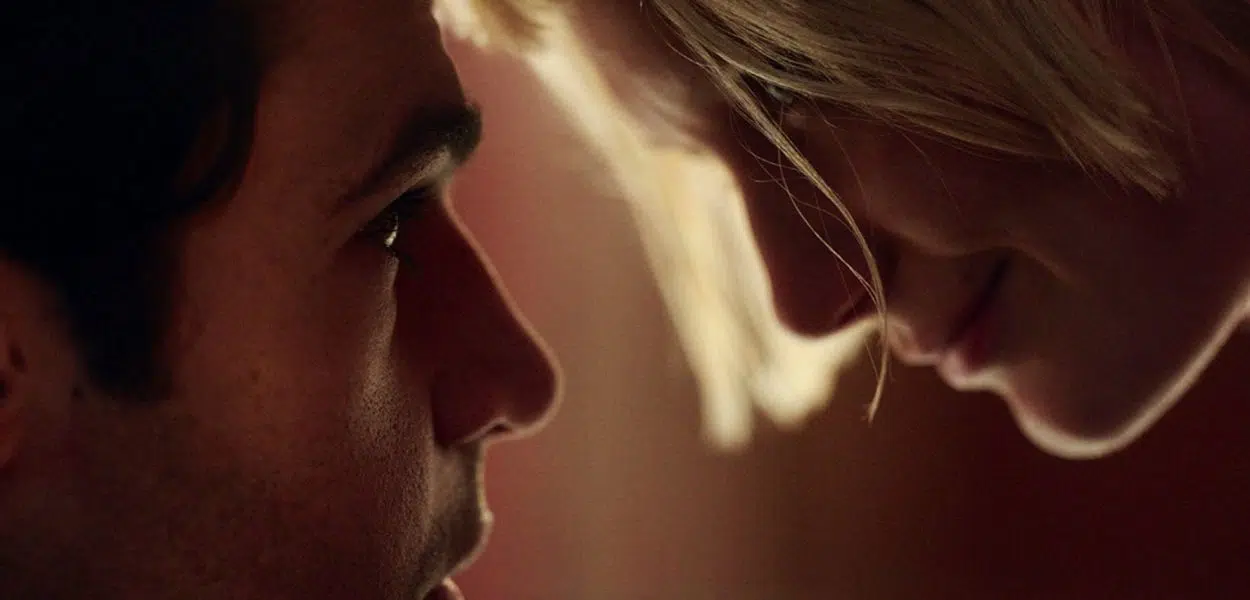
“‘Piercing’ plays out Reed and Jackie’s tryst as a sadomasochistic Punch and Judy routine, with the flare-ups of violence equally funny and horrifying.”

Manuela Lazic and Adam Nayman on Conducting Interviews and Writing about Directors
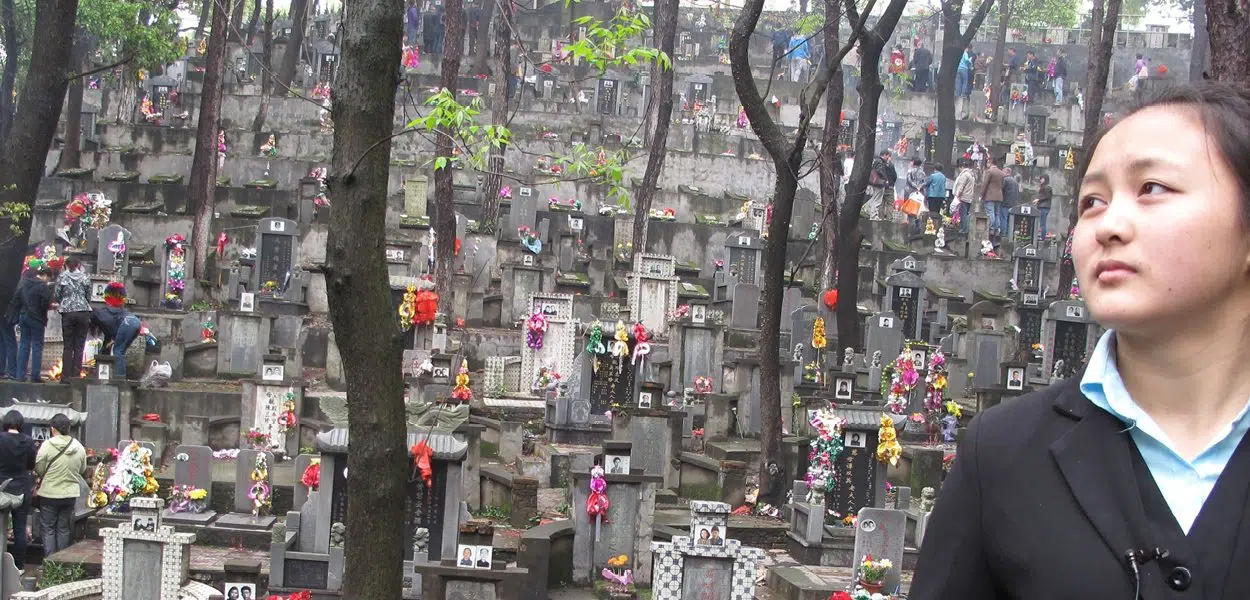
“Even death can become tedious when one deals with it every day.”

“The processing conversation is perhaps the most telling sequence of all, as Quell submits to The Master — the Master Projection — and acknowledges his own self-deception.”

An Essay by Marshall Shaffer

“If indeed this is Day-Lewis’ swan song, ‘Phantom Thread’ is the crowning achievement of a monumental career.”

“Dogs are a huge asset to the horror genre, as menaces and as loyal comrades.”

An Essay by Ella Kemp

“‘Benny’s Video’ implicates us, the audience, for watching. Haneke chides the spectators, removed from the action by a screen, for their inability — or perhaps their unwillingness — to stop the violence.”