
“For all the praise showered on Almodóvar’s later work, it lacks the wildness, freshness and exuberance of his 80s filmography, which often feels unfairly overlooked as a result.”

“Jane Austen’s stories are already more pointed and complex than many people give them credit for, but two 2016 film adaptations took that caustic tone to new heights…”

“By spoiling God’s servants with sex, drugs and doubt, films like Almodóvar’s ‘Dark Habits’ show that earnestly criticising the Catholic Church’s crimes is not the only way to weaken centuries of unchecked supremacy.”
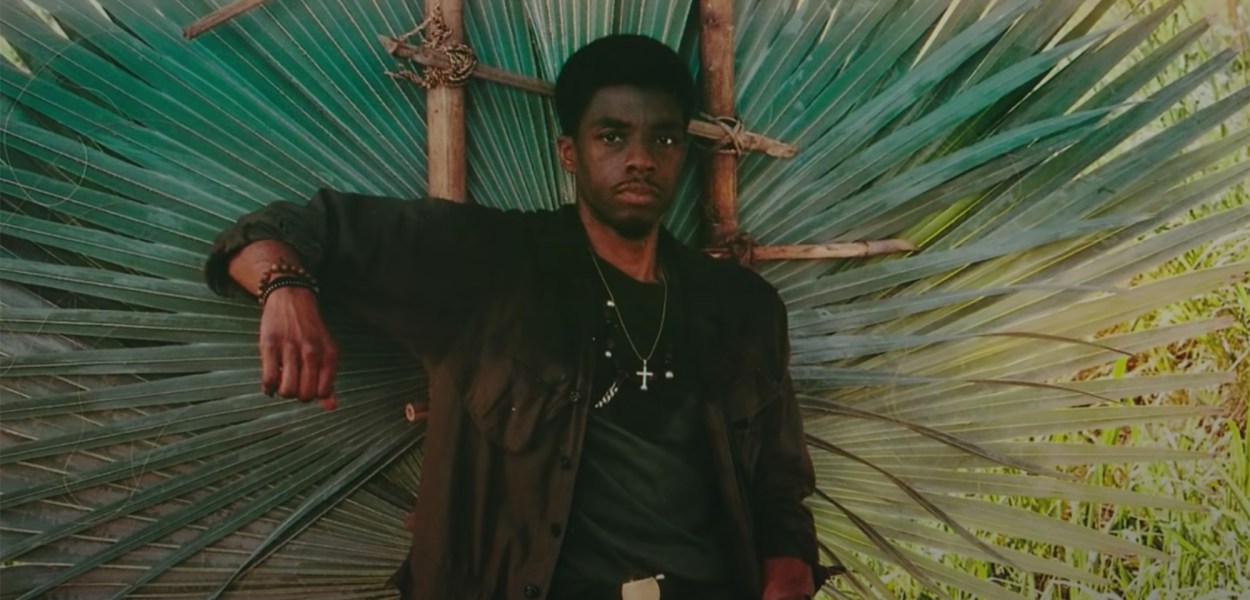
Brian Brems on ‘The Treasure of the Sierra Madre, ‘Da 5 Bloods’ and ‘Trespass’

“Pedro Almodóvar adores women, and he’s a champion of feminism. In no other film is the Spanish filmmaker’s reverence for the female gender more evident than in the 2006 drama ‘Volver.'”

Fedor Tot on Pedro Almodóvar’s Collaborations with Antonio Banderas

“One of the great pleasures of watching any Almodóvar film, but especially ‘Julieta,’ is studying its expressionistic textures…”

“What comes to the fore in ‘Labour of Love’ is the difference between hearing and listening.”

“DCA is a vital part of Scotland’s cultural landscape, and arguably a nucleation point for the city’s burgeoning renaissance.”

“Nearly 40 years after its release, ‘Koyaanisqatsi’ continues to send signals.”

Greg Carlson Reviews Rodney Ascher’s ‘A Glitch in the Matrix’

“While Suzuki’s overly-stylized and sometimes incomprehensible films ultimately led to his termination from Nikkatsu in 1968, his legacy safely lives on in modern day Japanese cinema…”
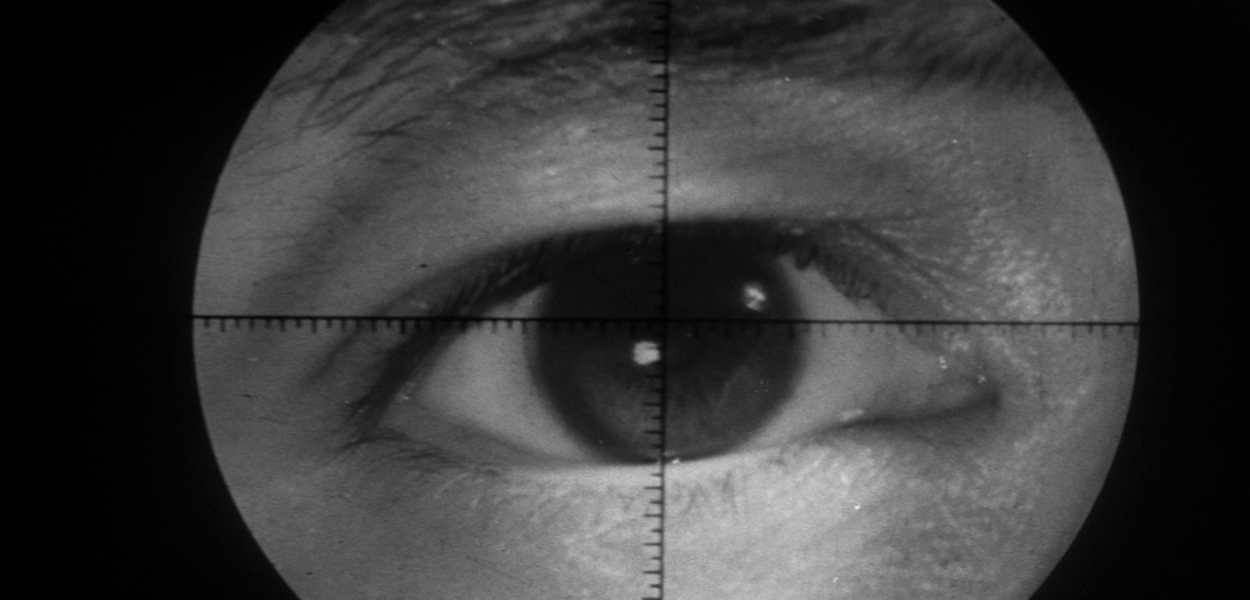
“‘Branded to Kill’ doesn’t flow, it staggers — it moves like a dying man, shot through the gut, bleeding out.”

Elle Haywood on Queer Cinema at the 2021 London Short Film Festival

“Occupying a middle space between the classicism of Japan’s most well-known filmmakers and the politically charged avant-garde of the New Wave, Suzuki uses the trappings of noir to explore the ramifications of isolation.”

“‘A Colt Is My Passport’ represents a supreme tension between American and Japanese Noir, and asks questions about the past and future of international cinema.”
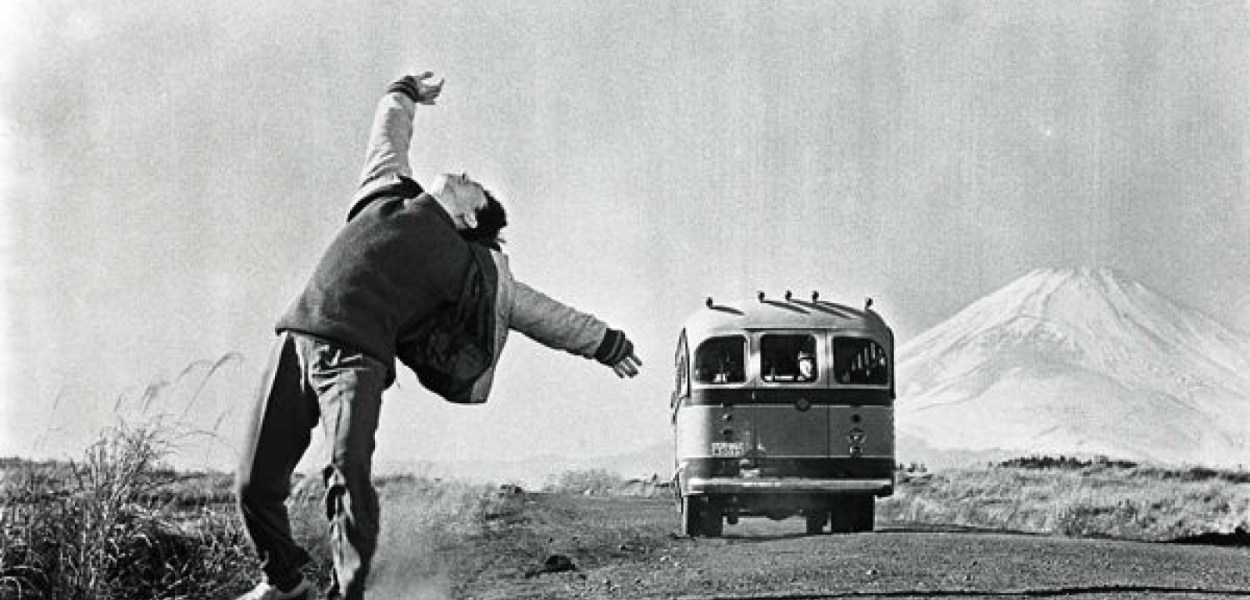
“A blueprint for Suzuki’s later masterpieces, ‘Take Aim at the Police Van’ is a solid cinematic vehicle full of suspense and surprises.”
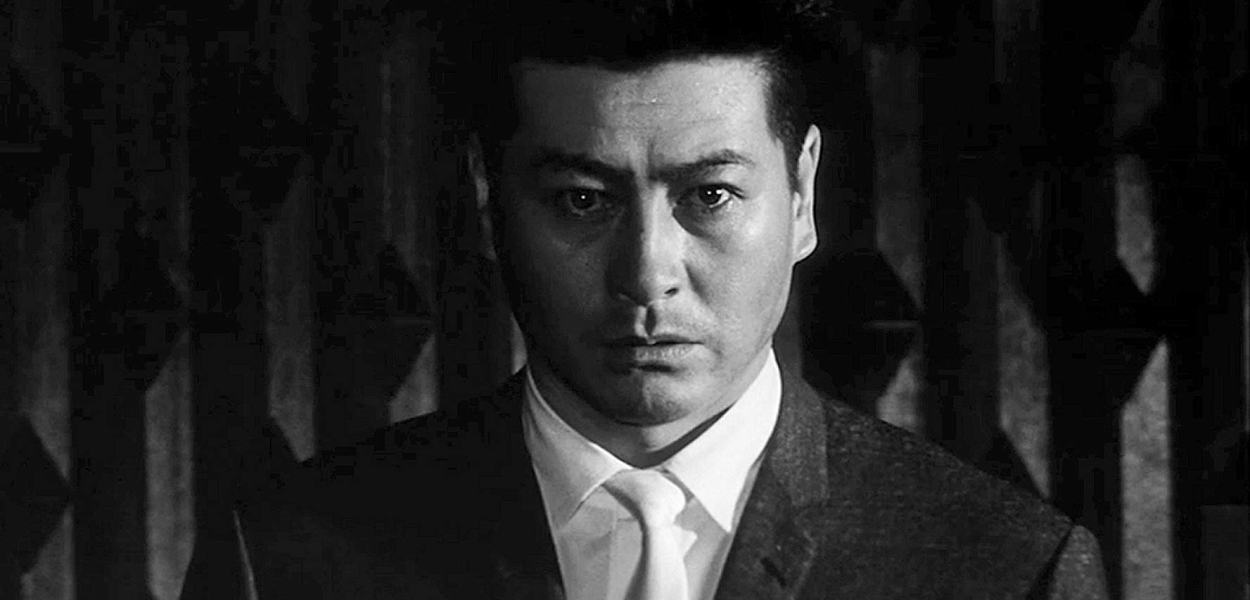
“‘Pale Flower’ finds its own rhythm and mood, superimposing frictionless cool on tireless ennui, punctuating everyday boredom with an enigmatic tremble.”

“‘Pale Flower’ is a magnificently emblematic example of the stylization, self-consciousness and independent spirit that defined the Japanese New Wave.”

“In Kurosawa’s noir films, characters struggle to move beyond loss — personal, financial and national — only to find that more loss awaits them.”
