Netflix Review: Anthony Mandler’s ‘Monster’
“‘Monster’ seems like it doesn’t trust itself to connect with viewers without over-explanation.”


“‘Monster’ seems like it doesn’t trust itself to connect with viewers without over-explanation.”
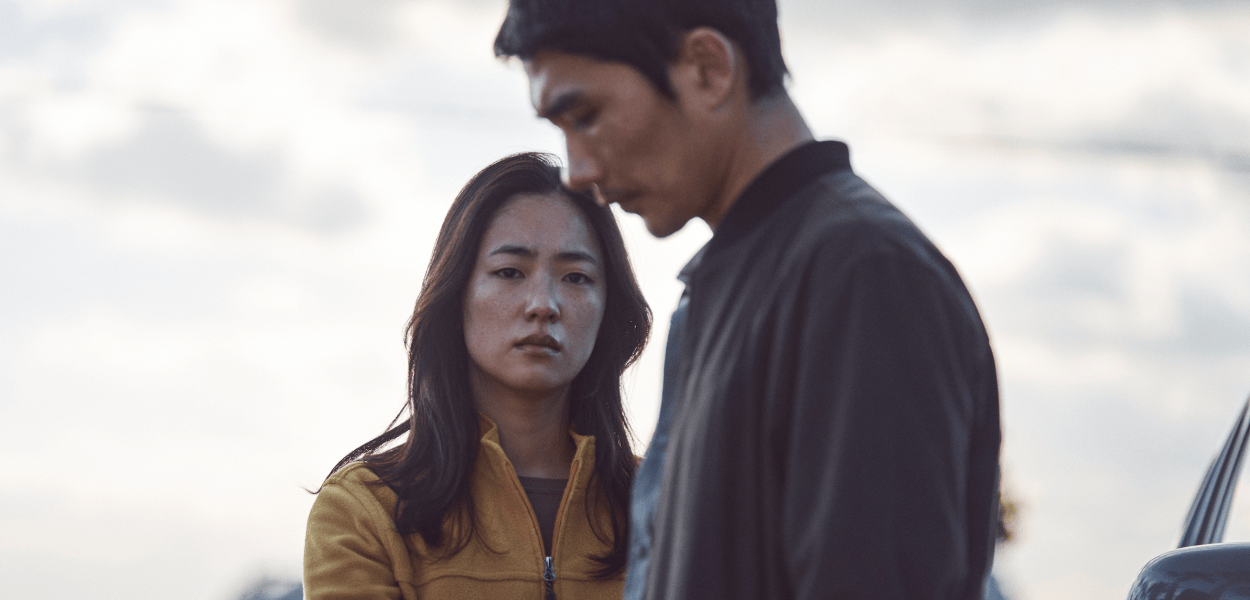
“‘Night in Paradise’ isn’t the ideal movie for locked-down streamers, but it’s one that challenges audiences to find silver linings in dark life experiences.”
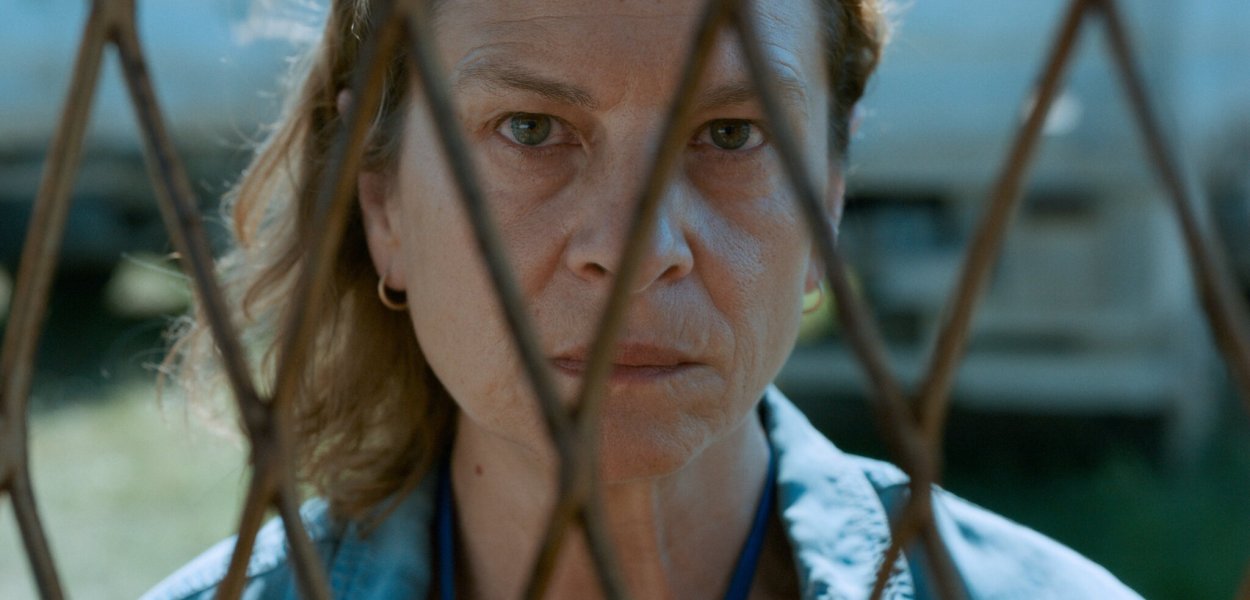
“Roger Ebert once wrote ‘it’s not what a film is about, it’s how it is about it,’ and it’s this phrase that I usually return to when thinking about cinema that deals with humanity’s worst impulses.”
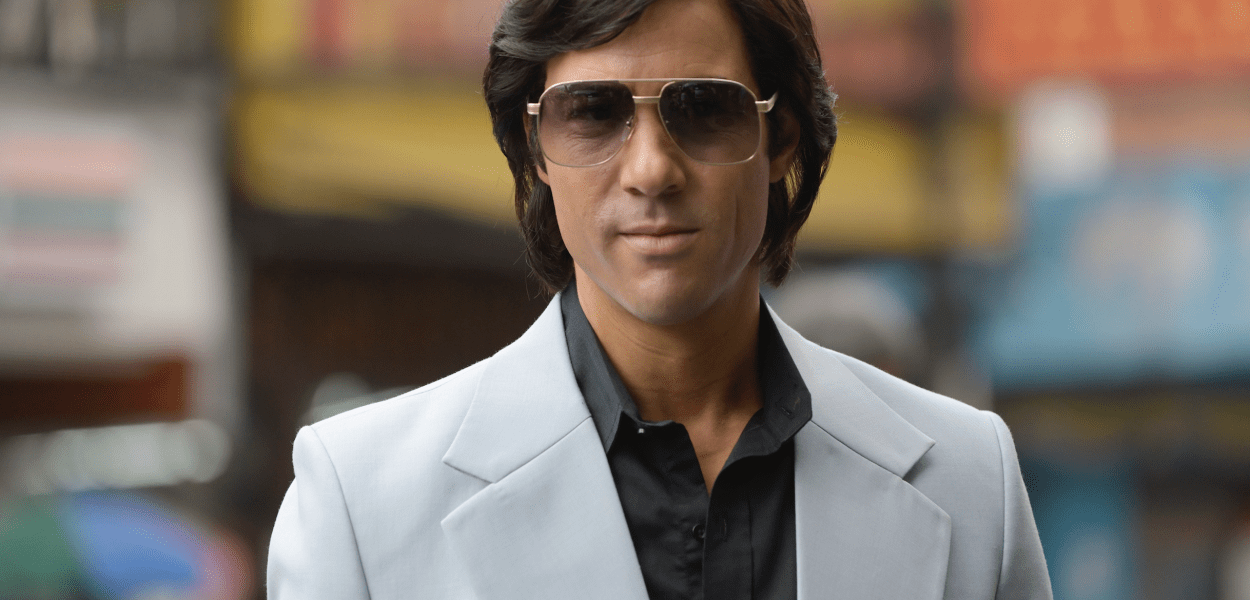
“‘The Serpent’ fashions itself as a serial killer epic, but feels more like an uninspired Jacques Audiard knockoff that shows little interest in deconstructing the psychology of its subject.”

Mannhunting #1 by Bill Bria: “The protagonists and antagonists in Mann’s films tend to be mirror images of each other, all of them caught within masculinity’s shackles.”

“Sound of Violence’s nonchalant depictions of violence, which occur with such obfuscation due to uncoordinated quick-cut editing and color filters, render it a fangless drama with un-engaging sequences of killing and torture.”

“Bryan Fogel’s new documentary about the murder of Jamal Khashoggi is unsurprisingly hard-hitting, but it’s the context for macro-scale geopolitics that ‘The Dissident’ communicates so well.”

“Rather than using the violence itself as a punchline, ‘Voice of Silence’ builds a comedy of manners out of Chang-bok and his colleagues’ sensibilities.”

“When viewed as a character study, ‘Made You Look’ is the rare art documentary that has a re-watchable quality.”
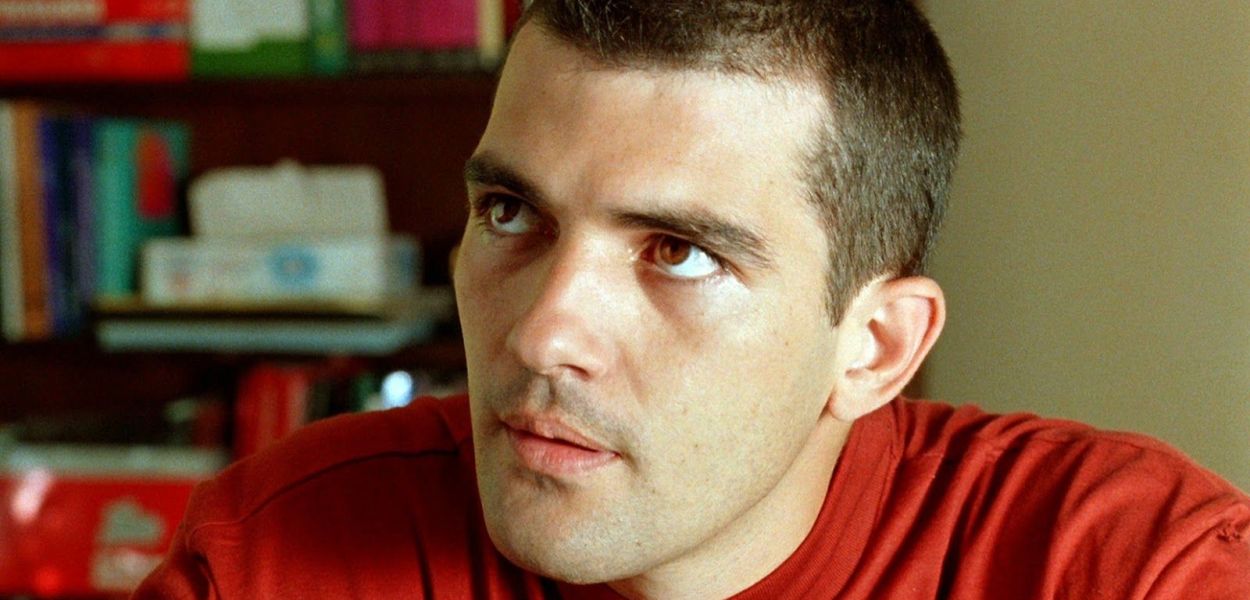
Fedor Tot on Pedro Almodóvar’s Collaborations with Antonio Banderas

“Swab’s personal experience bleeds into every frame of ‘Body Brokers,’ making it a taxing watch at times, but its true power lies in the details…”

Dipankar Sarkar Interviews ‘Criminal Justice: Behind Closed Doors’ Screenwriter Apurva Asrani

“While Suzuki’s overly-stylized and sometimes incomprehensible films ultimately led to his termination from Nikkatsu in 1968, his legacy safely lives on in modern day Japanese cinema…”
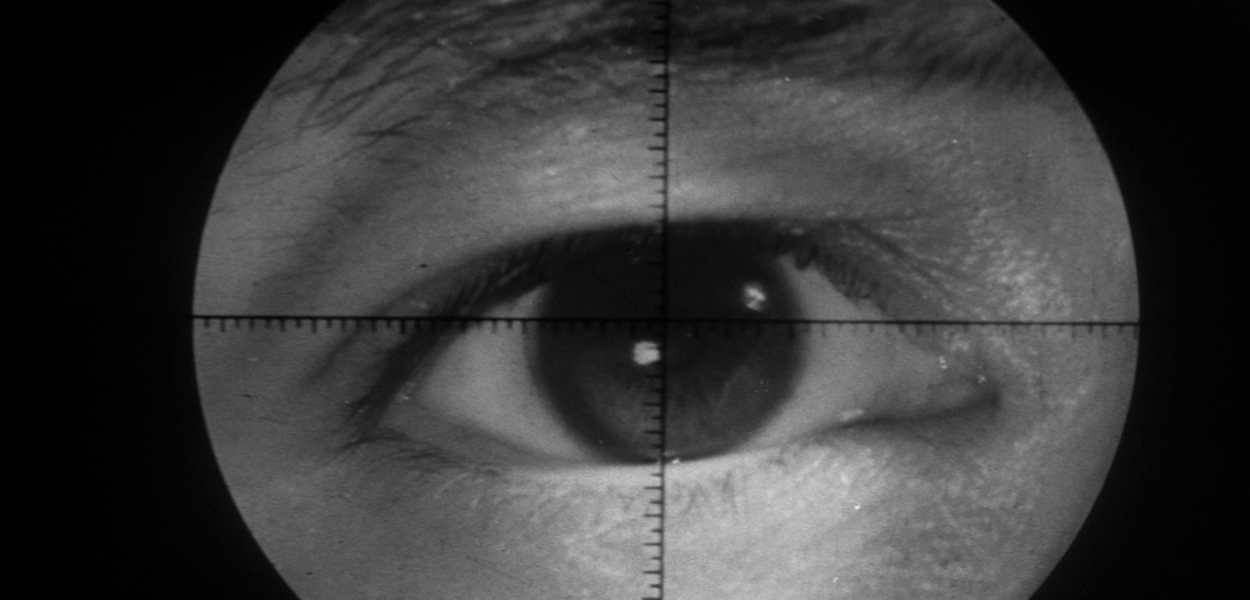
“‘Branded to Kill’ doesn’t flow, it staggers — it moves like a dying man, shot through the gut, bleeding out.”

“Occupying a middle space between the classicism of Japan’s most well-known filmmakers and the politically charged avant-garde of the New Wave, Suzuki uses the trappings of noir to explore the ramifications of isolation.”

“‘A Colt Is My Passport’ represents a supreme tension between American and Japanese Noir, and asks questions about the past and future of international cinema.”
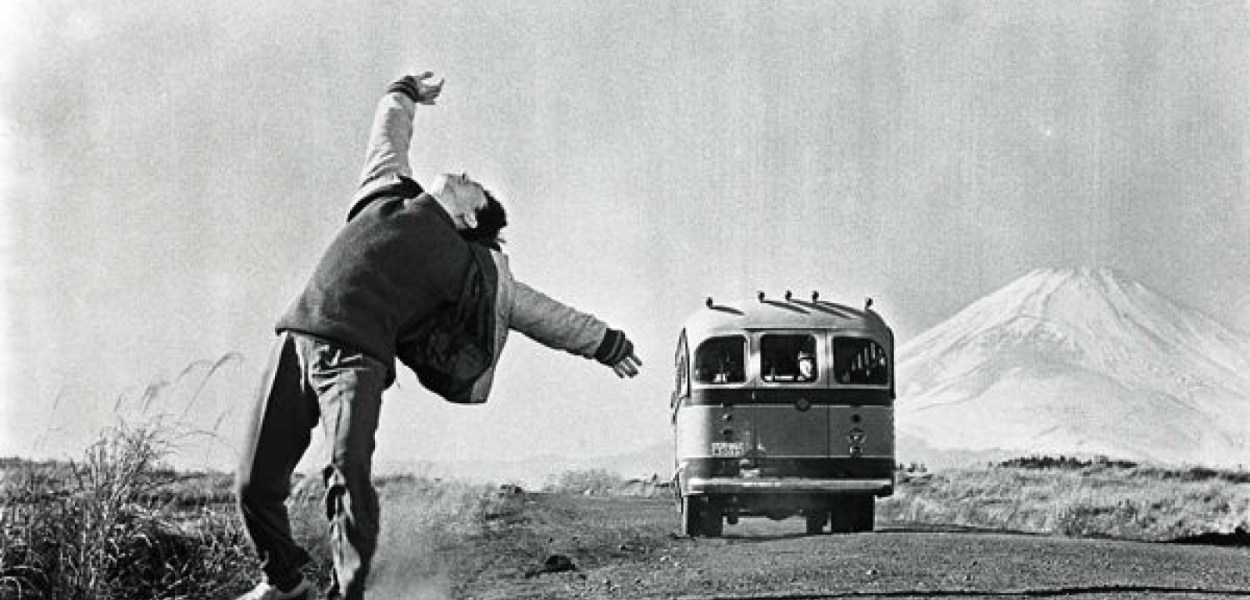
“A blueprint for Suzuki’s later masterpieces, ‘Take Aim at the Police Van’ is a solid cinematic vehicle full of suspense and surprises.”
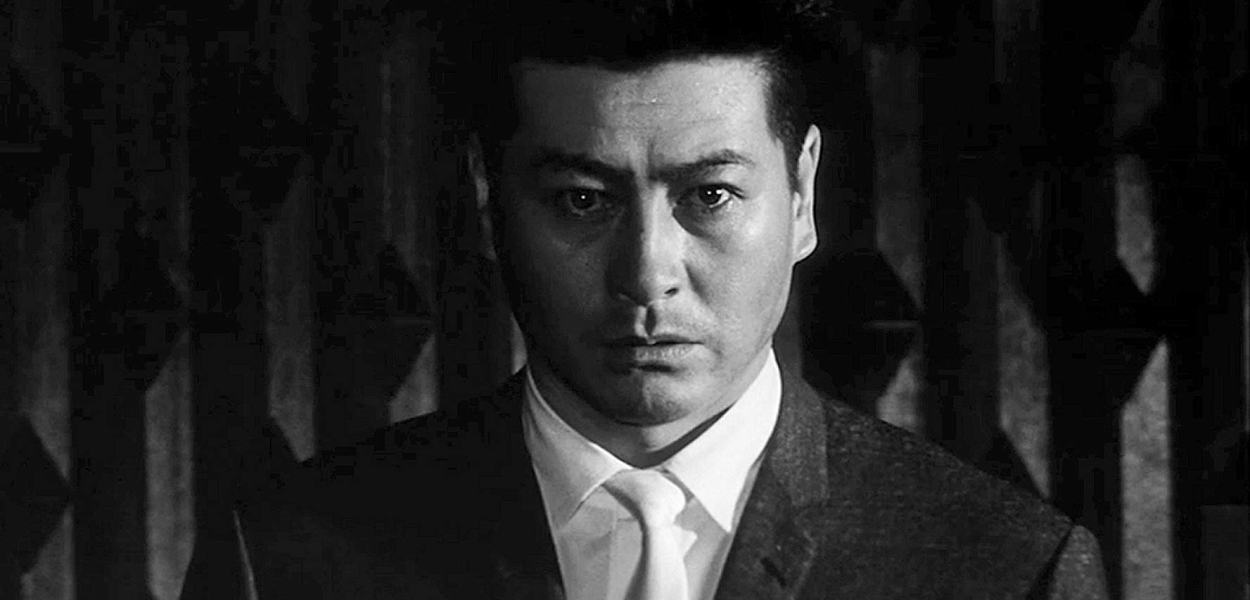
“‘Pale Flower’ finds its own rhythm and mood, superimposing frictionless cool on tireless ennui, punctuating everyday boredom with an enigmatic tremble.”

“‘Pale Flower’ is a magnificently emblematic example of the stylization, self-consciousness and independent spirit that defined the Japanese New Wave.”

“In Kurosawa’s noir films, characters struggle to move beyond loss — personal, financial and national — only to find that more loss awaits them.”