Considering Reality: Rodney Ascher’s ‘A Glitch in the Matrix’
Greg Carlson Reviews Rodney Ascher’s ‘A Glitch in the Matrix’


Greg Carlson Reviews Rodney Ascher’s ‘A Glitch in the Matrix’

“Only 37 years old, Alberdi is a dynamic figure in documentary studies and practice.”

“‘Mayday’ is the filmic equivalent of an answer to a distress call, letting those in need simply know that it’s there.”

“‘John and the Hole’ may be too frustratingly vague to really connect, but it seems to challenge its audience from a place of urgency…”

“‘The Reckoning’ makes a sharp point about the complicity of women, or more accurately white women, in the destruction of other women.”
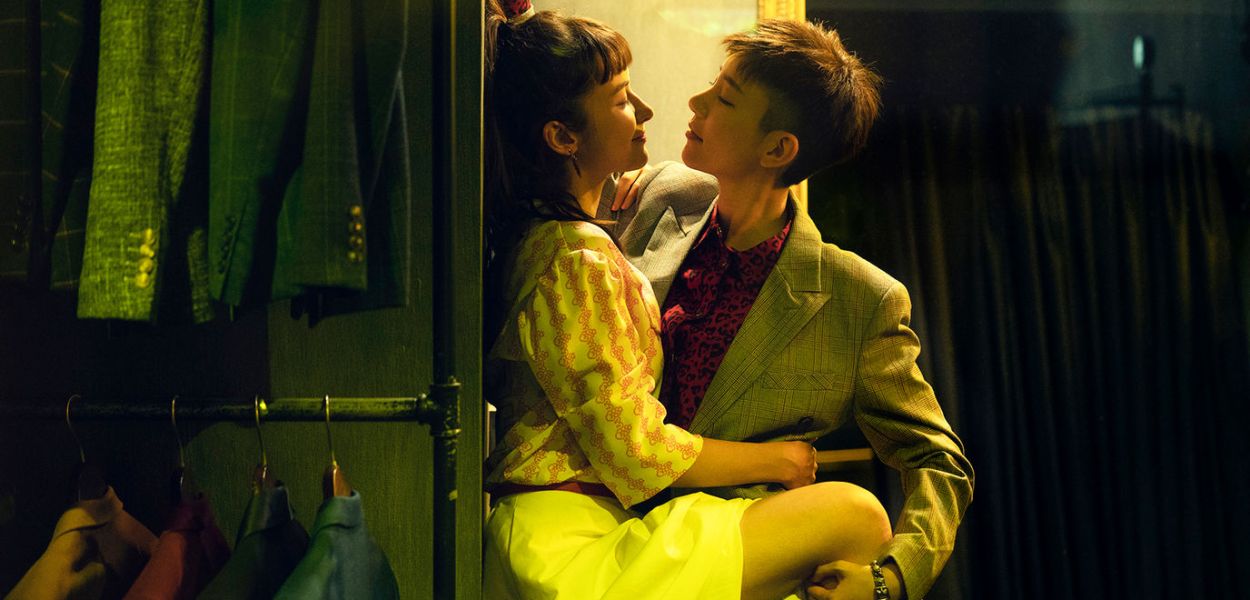
“‘As We Like It’ is a film that makes many unique moments out of its childish buffoonery, and it’s lifted, like its characters, into a class of its own.”

“Making a gothic horror story about the creation of a gothic horror story is a worthy and potentially enlightening idea, but Unkel fumbles the ball at every turn with ‘A Nightmare Wakes.'”

“‘Passing’ may be too ambiguous an experience for some, yet the way it reveals and conceals at the same time feels not just like a perfect encapsulation of its subject, but also underlines Hall’s emergence as a filmmaker to watch.”

“The most surprising thing about ‘In the Earth’ may be just how much of a return it is to the pitch black humour that characterised Wheatley’s earliest films.”

“By the time ‘Riders of Justice’ ramps up its stakes, the final showdown hardly seems to matter as much as the gang’s presence.”

“While Suzuki’s overly-stylized and sometimes incomprehensible films ultimately led to his termination from Nikkatsu in 1968, his legacy safely lives on in modern day Japanese cinema…”

“While ‘How It Ends’ acts as a cathartic experience for all of us still in the throes of the COVID-19 crisis, its character study will allow it to remain relevant once this pandemic is (hopefully) settled.”
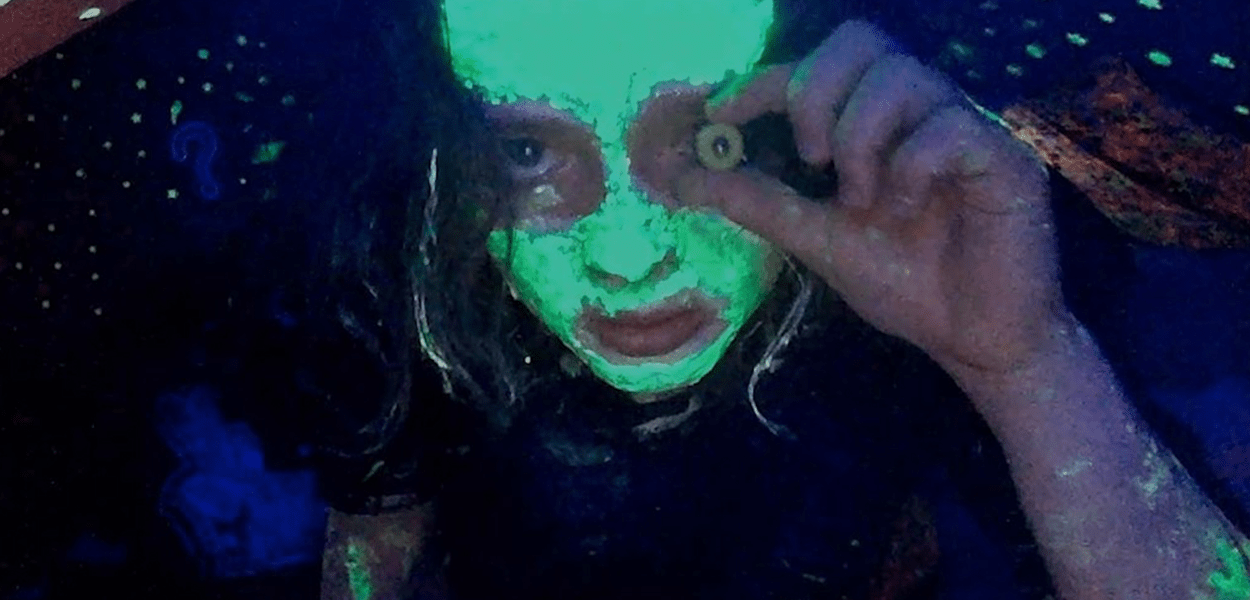
“‘We’re All Going to the World’s Fair’ would’ve benefitted from leaning more into the ambiguous lines between documentation and constructed fiction, but it remains a fascinating fiction debut nevertheless.”

“‘One for the Road’ feels like a filmmaker trying to capture another director’s voice to the extent that they lose their own in the process.”
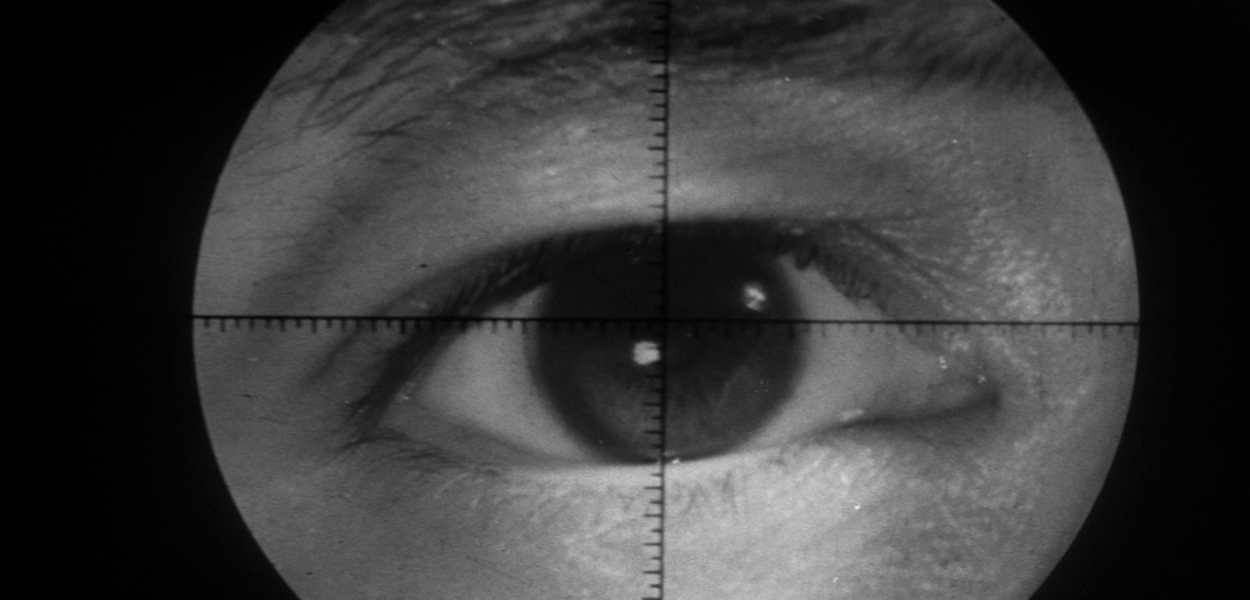
“‘Branded to Kill’ doesn’t flow, it staggers — it moves like a dying man, shot through the gut, bleeding out.”

“Occupying a middle space between the classicism of Japan’s most well-known filmmakers and the politically charged avant-garde of the New Wave, Suzuki uses the trappings of noir to explore the ramifications of isolation.”

“‘A Colt Is My Passport’ represents a supreme tension between American and Japanese Noir, and asks questions about the past and future of international cinema.”

“‘No Man’s Land,’ Conor Allyn’s earthy effort at a serious revisionist western, is a film of good intentions that goes awry when it attempts to unpack any of its ideas.”
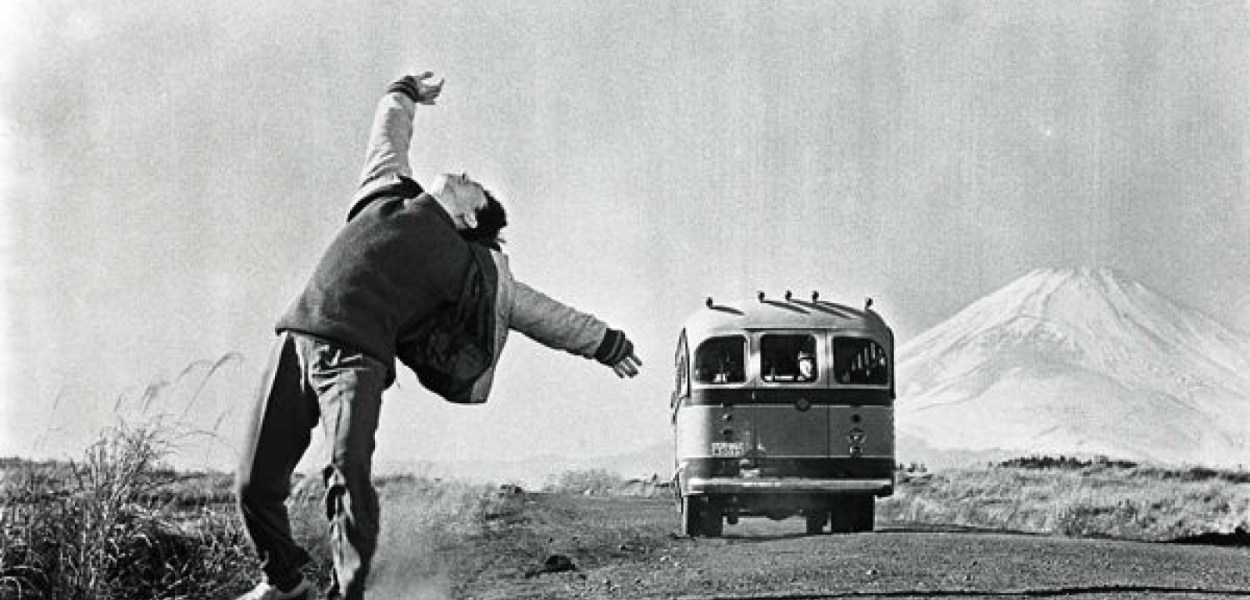
“A blueprint for Suzuki’s later masterpieces, ‘Take Aim at the Police Van’ is a solid cinematic vehicle full of suspense and surprises.”
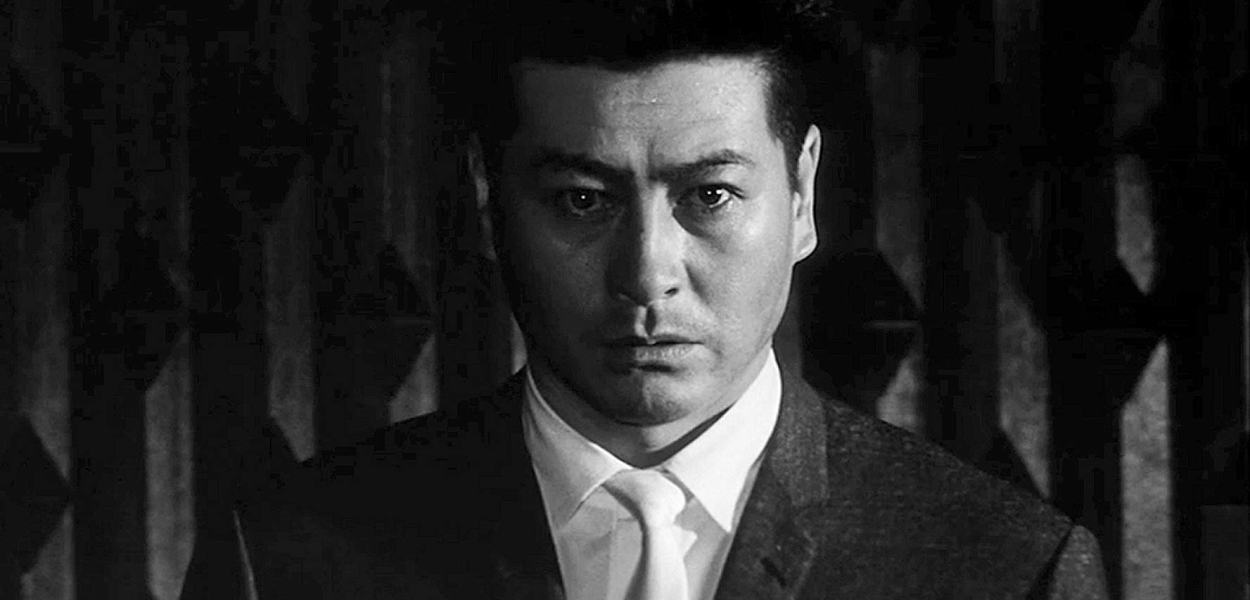
“‘Pale Flower’ finds its own rhythm and mood, superimposing frictionless cool on tireless ennui, punctuating everyday boredom with an enigmatic tremble.”