An Exploration of Bonds, Losses and Resilience in Hirokazu Kore-eda’s Family Dramas
“Kore-eda has the caring, loving eyes of a father who cannot help but follow all his children walking hand in hand towards the horizon.”

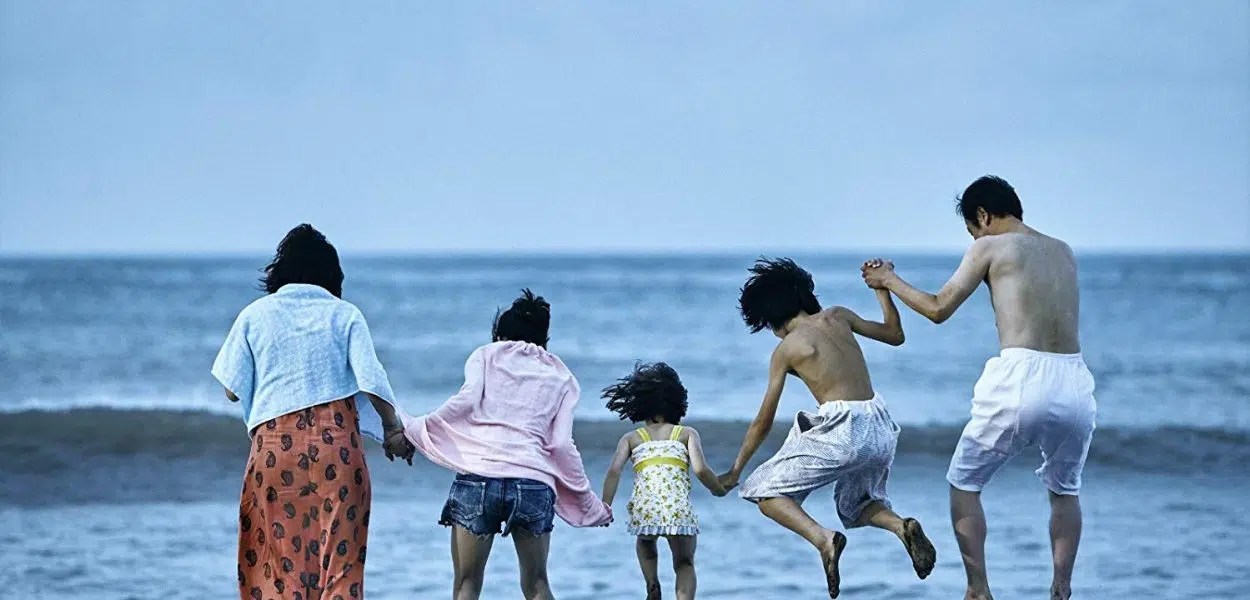
“Kore-eda has the caring, loving eyes of a father who cannot help but follow all his children walking hand in hand towards the horizon.”
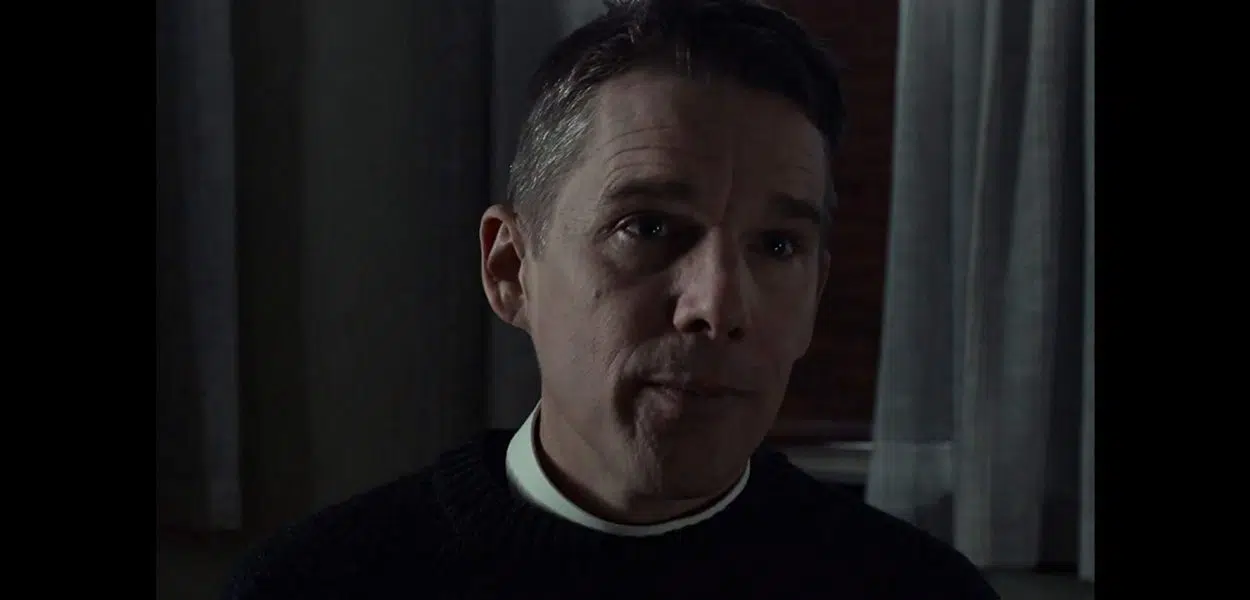
“For Paul Schrader, First Reformed’s visual style realizes ideas of transcendental style that he first theorized at the beginning of his career. But that style only works because it serves the story and character he crafted so carefully.”
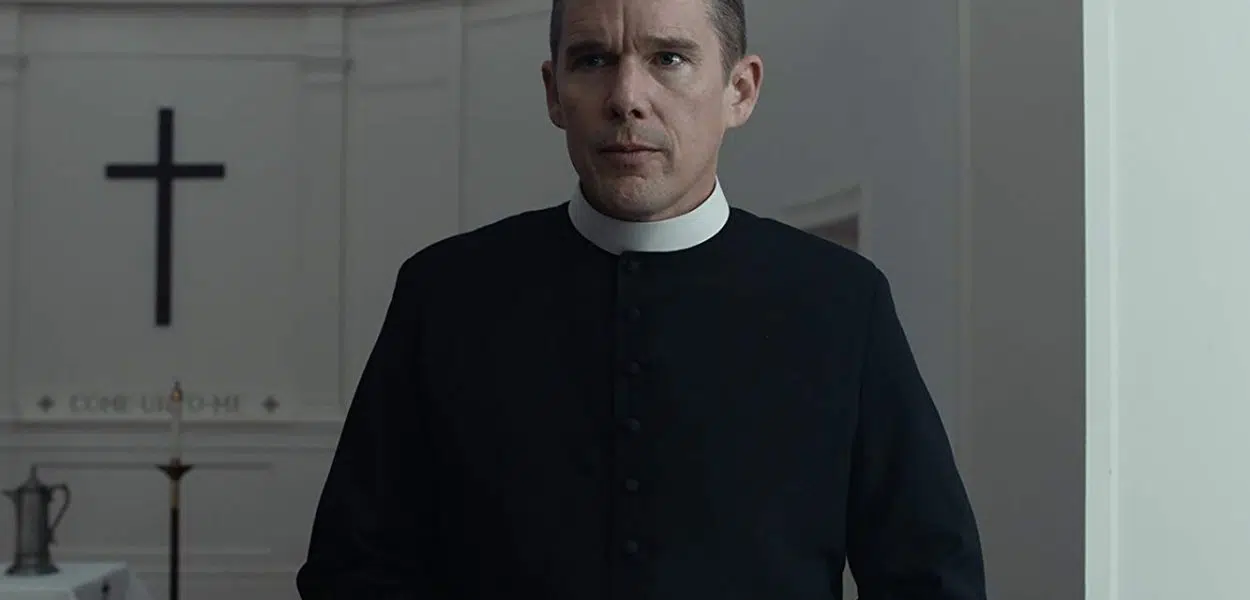
“The power of ‘First Reformed’ is rooted in Schrader’s ability to take a number of clear forbearers — Bresson, Dreyer, Pialat — and twist them into a style that feels wholly unique and rooted in a personal set of values and obsessions.”

Michael J. Casey Imagines ‘Christopher Robin’ in the Style of Yasujirō Ozu
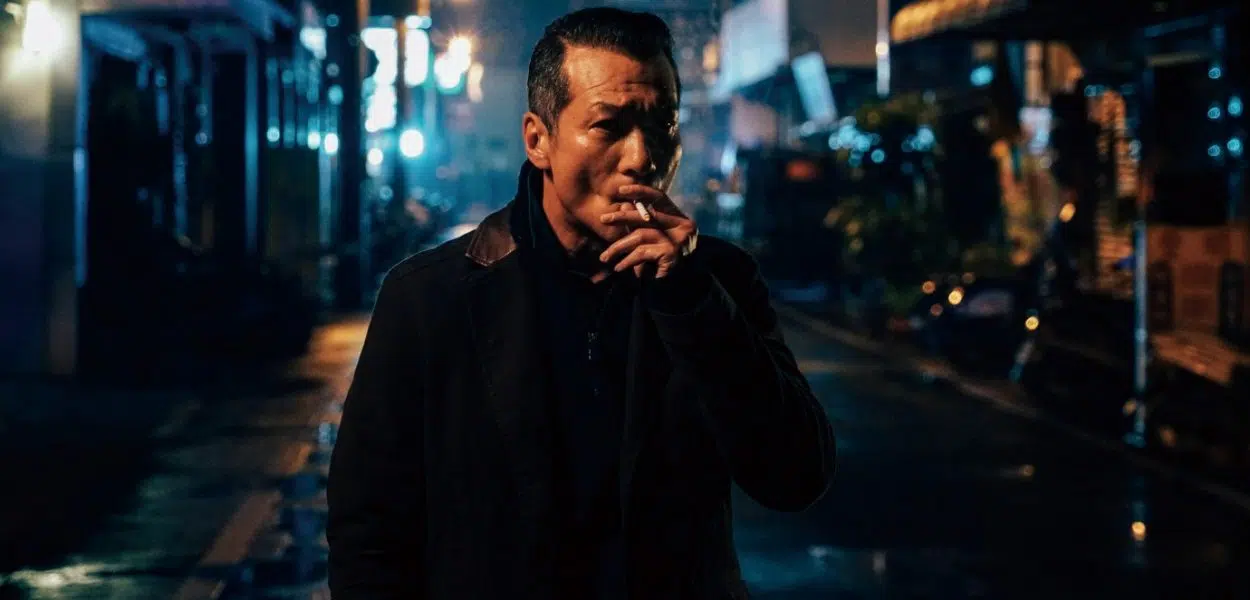
“The father’s strength lies in knowing when to ‘protect the heart by pretending to have no heart,’ and the moment when he chooses to do so is devastating.”
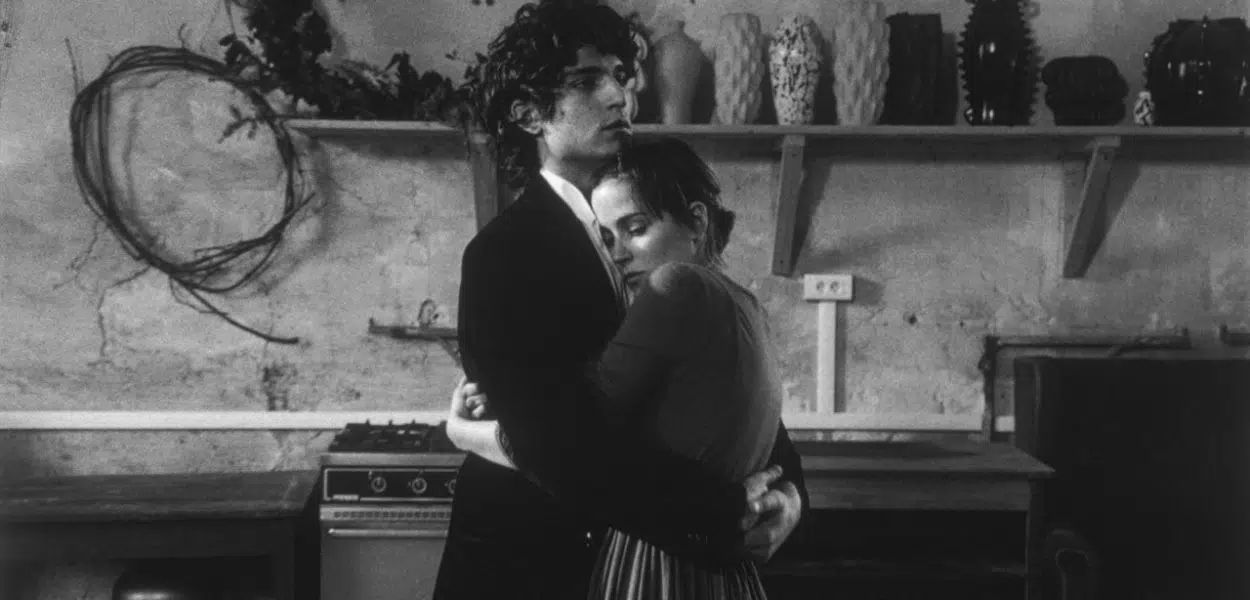
“This is a love story expressed through gaping structural absences.”
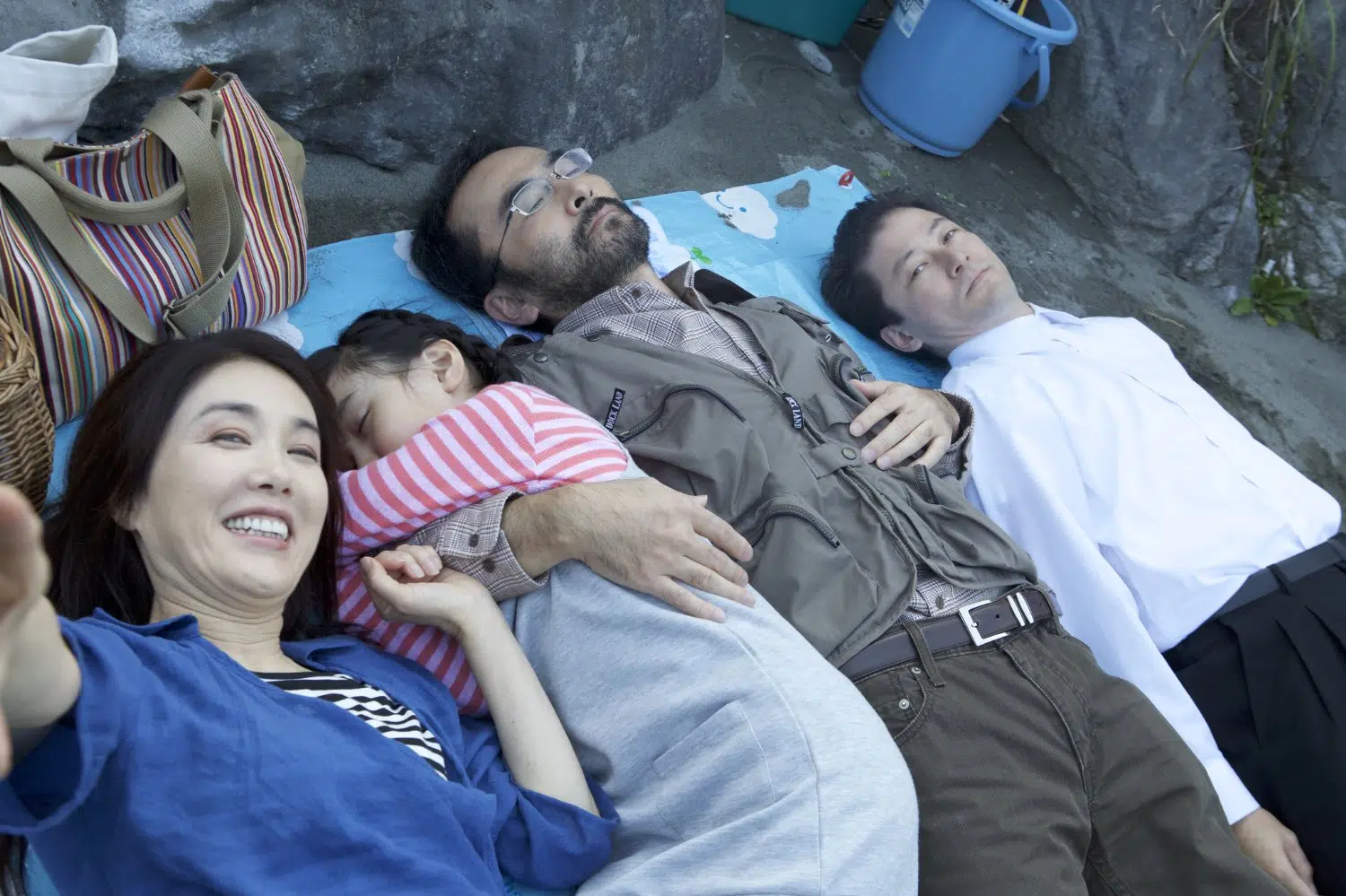
“It’s the demons within that Kôji Fukada astutely brings to life in ‘Harmonium.'”

“If Ozu has taught us anything, it’s that life doesn’t get any easier. But life does go on.”
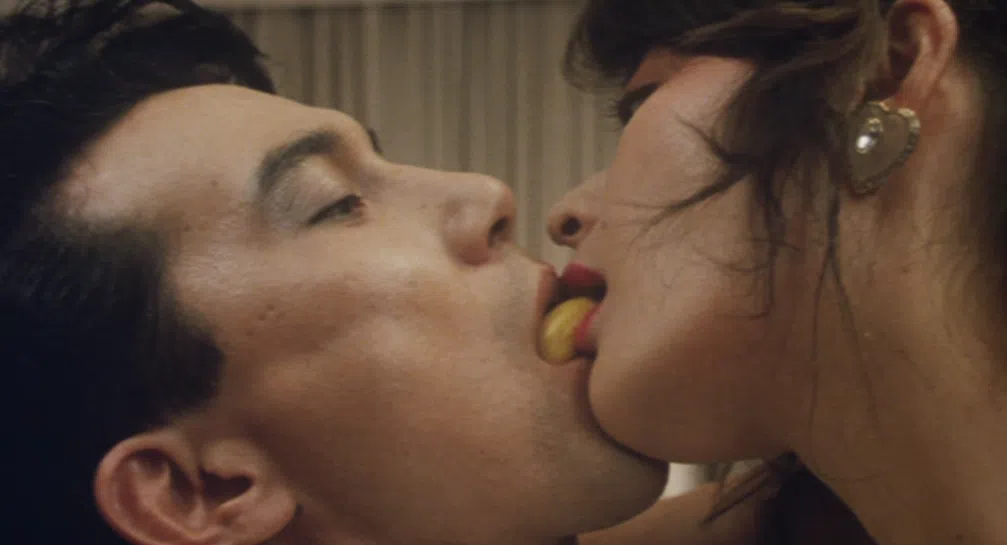
“If ‘Tampopo’ initially seems familiar, it’s only because Itami masks the exterior as a Western.”
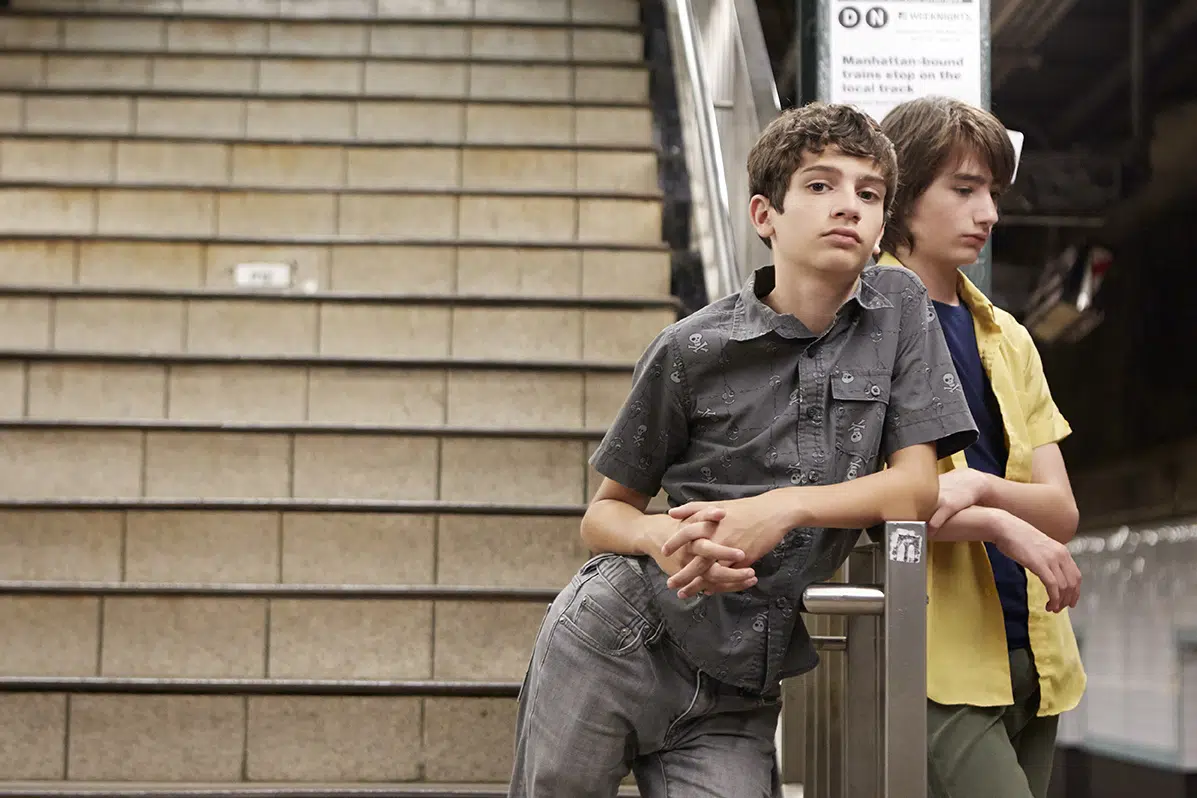
“At its best, ‘Little Men’ swings the viewer from the small, important signs of young friendship to the uncomfortable and conflicting economic interests of adults.”

“An enchanting film that surreally embraces the child within, ‘Only Yesterday’ feels like the first Studio Ghibli film to be firmly aimed at an adult crowd.”
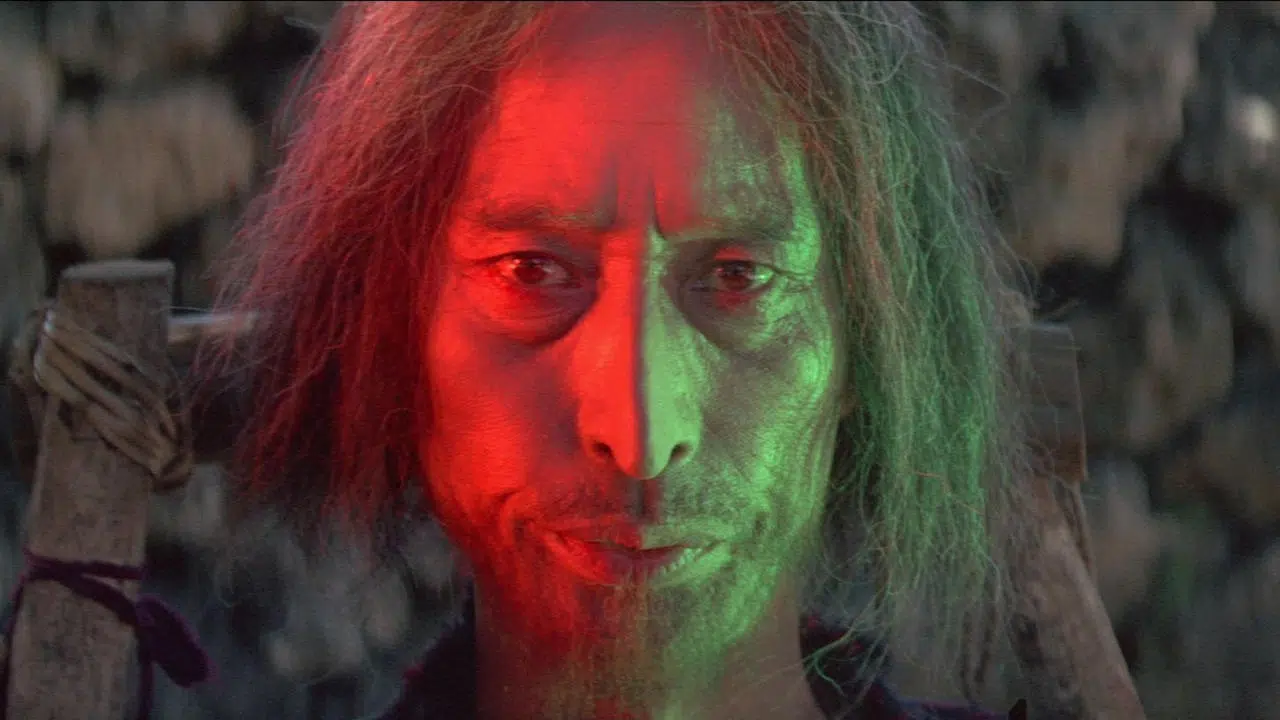
“Throughout much of his 60s work, Imamura often examined the balance between ordinary and unordinary people, and in The Profound Desire of the Gods, he finds an exceptional way of highlighting the extremity of this concept.”