In the first part of a three-chapter conversation conducted over months via a large Google Doc, film critics Manuela Lazic and Adam Nayman discuss what makes a writer’s voice, colleagues that keep inspiring them and how, a generation apart, they became interested in movies and writing.
“Within the context of a cinema that is high-strung and often defined by its over-the-top, spectacle-driven family dramas, ‘Ribbon’ and its smallness (and everydayness) is not just a refreshing break but an extremely well-timed breaking of the mold.”
“Renzu’s film gives a face to the thousands of women featured in the papers, disturbingly called ‘half widows’ — not just defined by the lack of a husband, but also by this ‘half,’ not full, not a complete status of being.”
“Although individual grief may be colored by guilt or loneliness, jealousy or the passage of time, ultimately everyone who knows love will know a ghost story, and suffer the same grief or become a ghost in the end.”
“‘Yuletide Terror: Christmas Horror On Film And Television’ provides insights not only on genre cinema, but on origins and aspects of the holiday season itself.”
“If Murphy’s Law were to be made into a film, it’d look a lot like Nikhil Nagesh Bhat’s ‘Long Live Brij Mohan!’ His production, in more ways than one, is also a metaphor for the city of Delhi.”
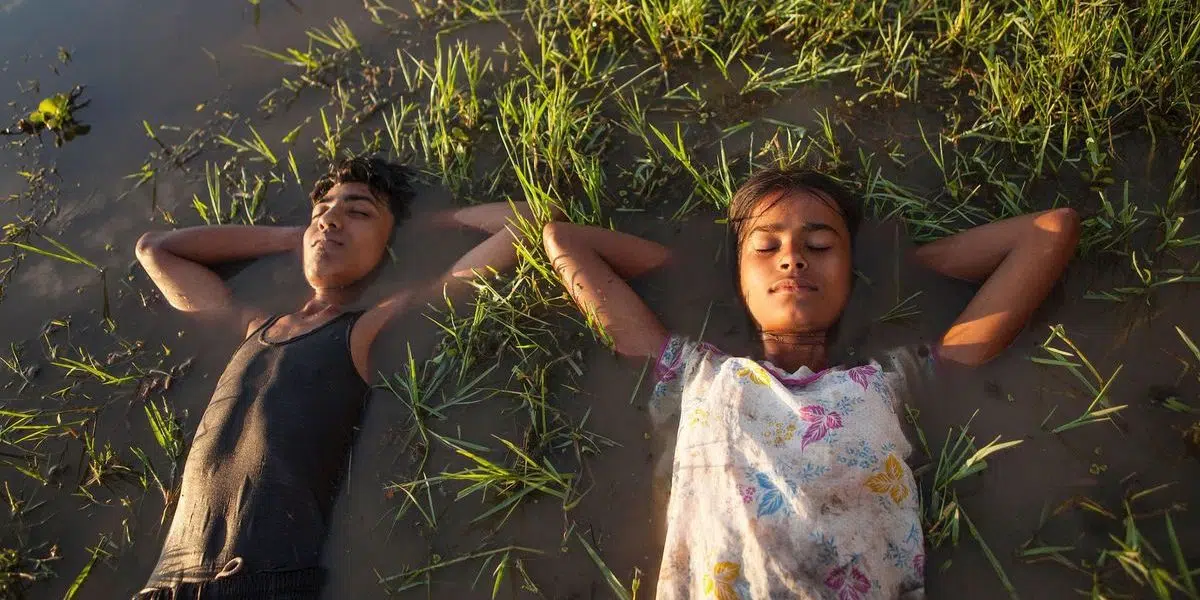
“‘Village Rockstars’ represents a cultural category that is largely ignored by mainstream cinema and heralds a new chapter in the contemporary practice of serious filmmaking in India.”
“Achieving a vibrant mix of swooning sincerity and bitter irony, Feng Xiaogang’s ‘Youth’ walks the tightrope of Chinese history with a showman’s flair and a subversive wit, channelling its conflicting perceptions of the past into a single cohesive, ultimately jaded vision.”