Framing the Breakdown: Visual Psychosis in Lucrecia Martel’s ‘The Headless Woman’
“Martel’s film is an absolute masterpiece in visual symbolism and deserves to be seen on that basis alone.”


“Martel’s film is an absolute masterpiece in visual symbolism and deserves to be seen on that basis alone.”

“It’s an odd little film, more melancholy and plaintive than outright scary or troubling, that slowly crawls under your skin.”

“Painfully ironic, aggressive and humorously on point, Östlund’s films are timely cinematic pieces that put their characters’ moral compasses at stake.”
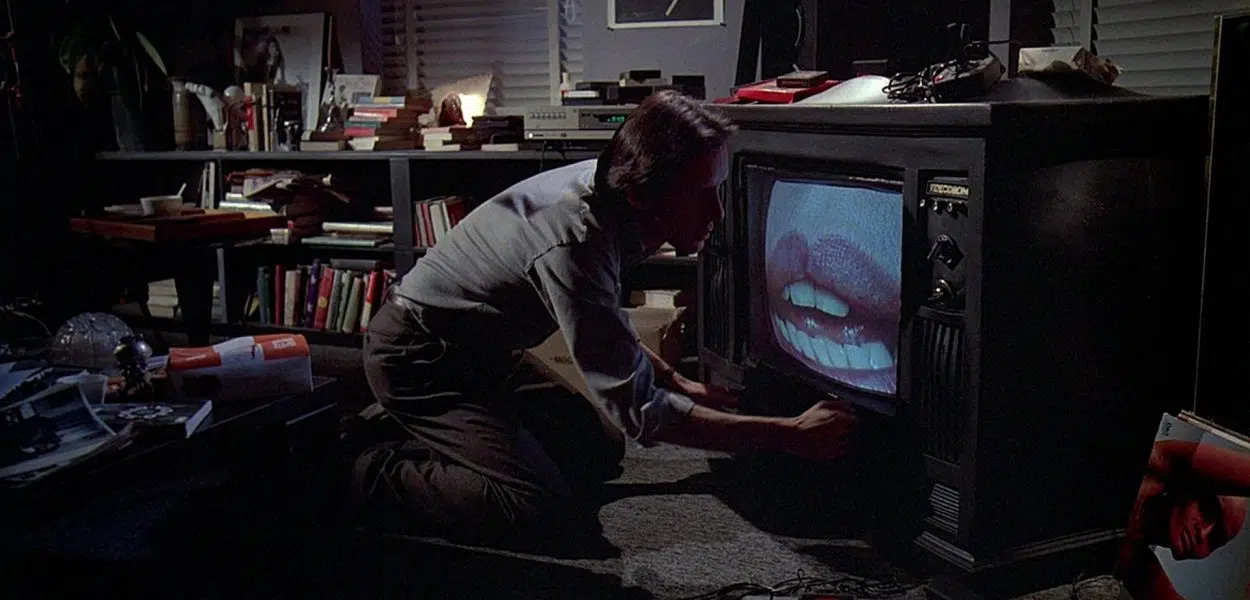
“In ‘Crash,’ sex feels like a traffic accident. In ‘Videodrome,’ it becomes the subject of a warped, projected fantasy.”

“He always took the horror genre seriously, and that often meant daring to laugh in the face of the darkest horrors, toeing the line between irony and total seriousness.”

Tanner Tafelski Interviews Theodore Collatos

‘Darkest Hours,’ Genre and Writing: A.M. Stanley Interviews Mike Thorn

“Observing the dangerous consequences of retreating too far into escapist entertainment, these two films suggest that beneath all this cultural noise is the unacknowledged truth that the most fervent of music nerds and fanboys may indeed be ‘scared as shit.’”

“In ‘Human Desire,’ the train tracks carry its hero into the sunny paradise of the American Dream, not the depths of noir’s endless night.”

“The DC Extended Universe is not doomed, but it needs its own clear identity and purpose. Rebranding ‘The Avengers’ is not the answer.”

“‘Call Me by Your Name’ skips through time like a dream, or a calcified, powerful memory.”
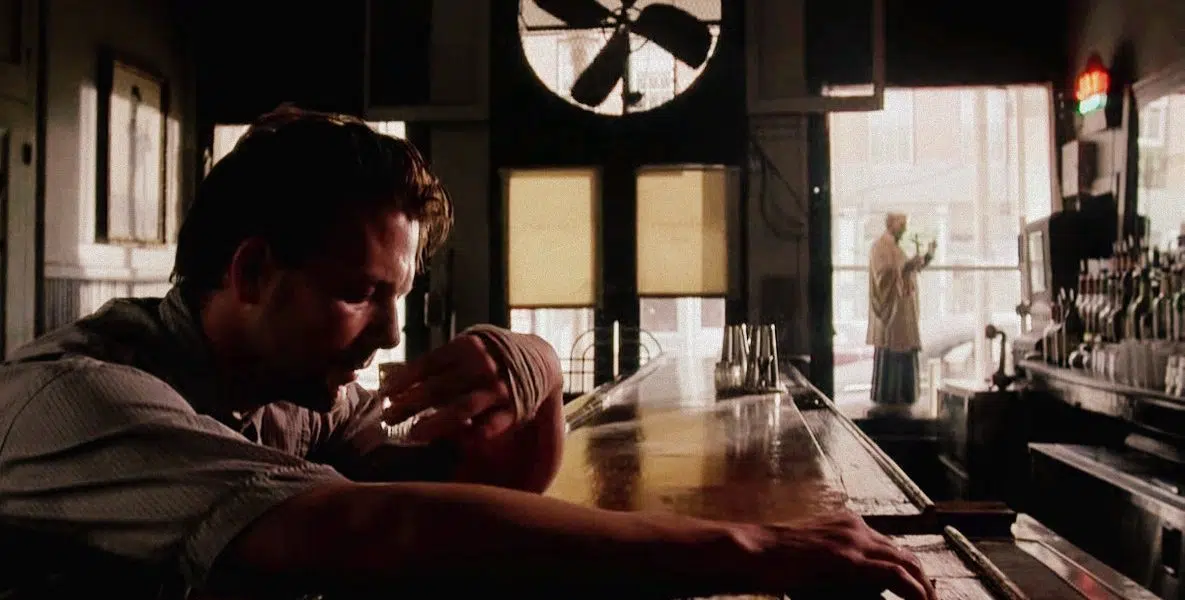
In the Vague Visages Writers’ Room on Facebook, freelancers were asked to comment about their favorite neo-noir films in celebration of #Noirvember.

“‘Festival’ challenges our preconceptions about the past – in this case, that of folk music and of music documentaries themselves.”
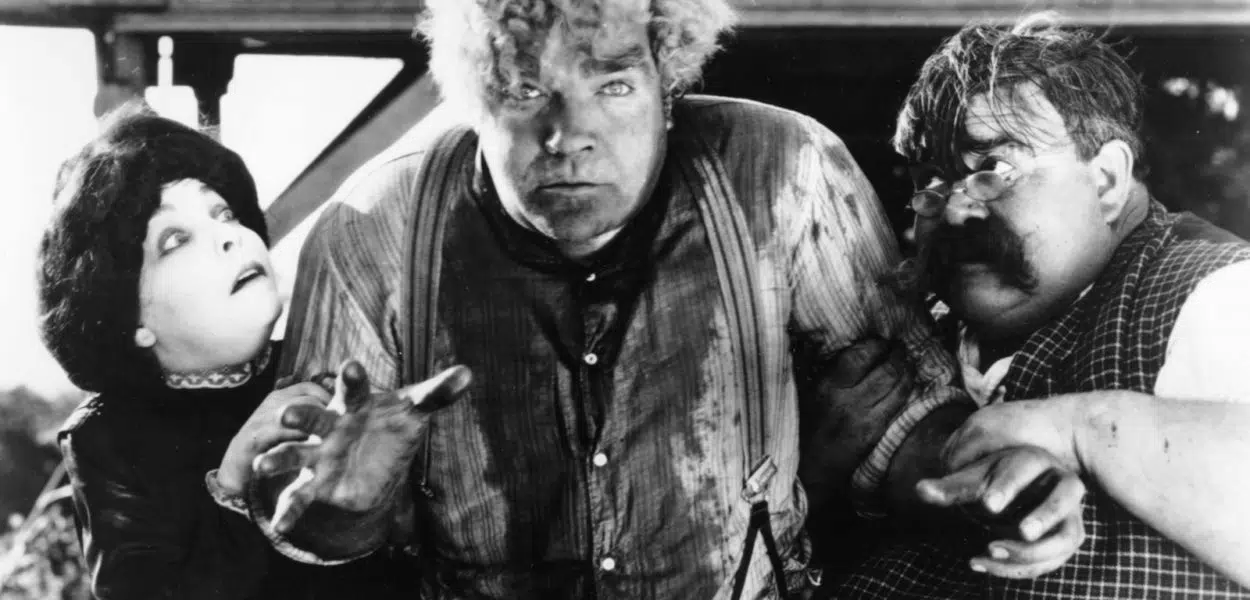
“‘Greed’ is like the gold within the soil, a gem that must be mined from its sullied context.”

Julia Yepes Interviews Director Philippe Garrel

“‘Kho ki pa lü’ is about a lot of things, but it’s mostly about music. It is about Li, the songs that people sing when they cultivate rice in small müles.”

“Mortensen uses his body to display his characters’ essential tensions, as they ride the line between truth and lies, loyalty and betrayal, chaos and control.”

“In a country whose cinema is often just classified under the homogenous canopy of ‘Bollywood,’ a film in Sikkimese is not only a welcome change but also a political reversal of existing canons. It is a small but eventful beginning, a small step towards a more inclusive ‘Indian’ cinema.”

In the Vague Visages Writers’ Room on Facebook, freelancers were asked to comment about their favorite film noir moments in celebration of #Noirvember.
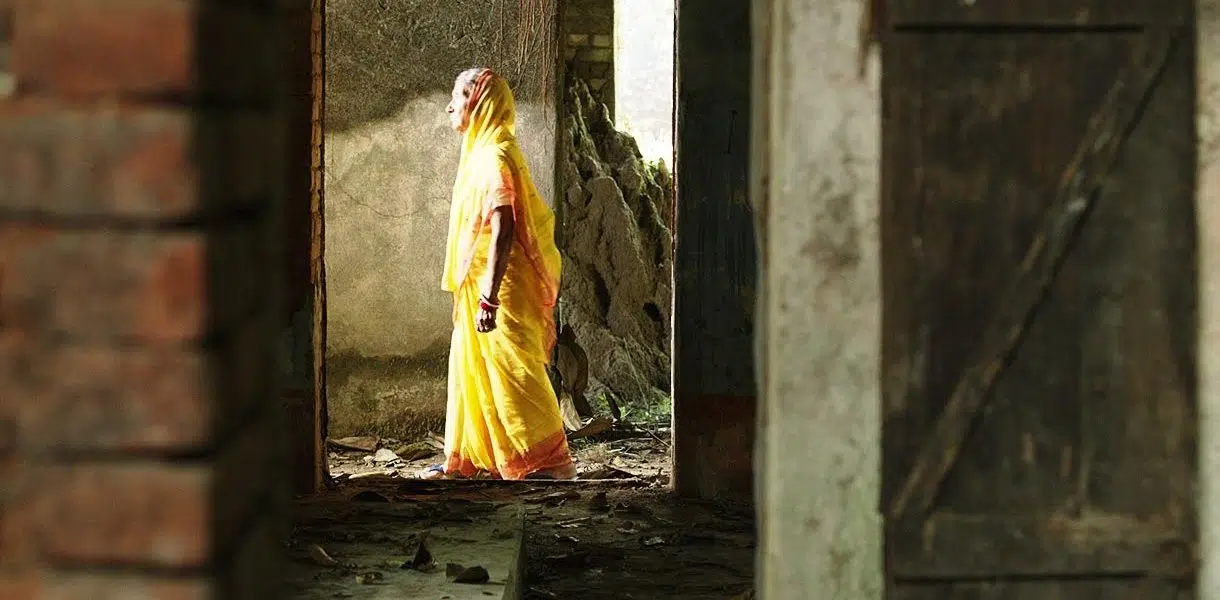
“In its thorough research and extensive reconstructing of the artist’s life, ‘Sonar Baran Pakhi’ is a document of celebration. Of the artist, the daughter, the mother. And the effortless rebel.”