Vagabond Noirs and Tramp Westerns: The Films of Hugo Fregonese at Il Cinema Ritrovato
“Hugo Fregonese is a director ripe for rediscovery.”

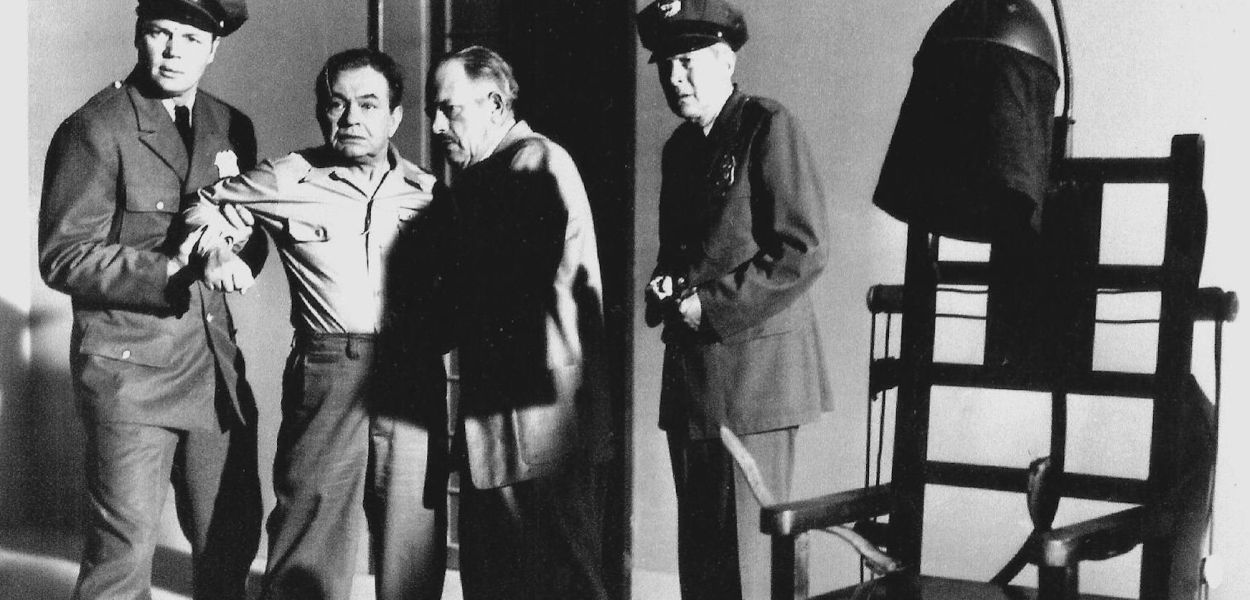
“Hugo Fregonese is a director ripe for rediscovery.”

‘Operation Mincemeat’ Soundtrack: A Vague Visages guide for every featured song in John Madden’s 2021 movie.
“Few artists have dreamt more boldly and defiantly in their exile than Ferrara; he has faced up to the dark towers of commerce and coercion, the systemic violence that is rationalized and sanctioned to peak efficiency by the prevailing conditions.”

“The power of ‘Coach to Vienna’ today rests in its mythic quality. The crux of the story may well be placed in the ‘real,’ but the affect of the mise-en-scène is that of a murderous fable.”

‘The Bombardment’ Cast: A Vague Visages guide for every main performer and character in Ole Bornedal’s 2021 movie.
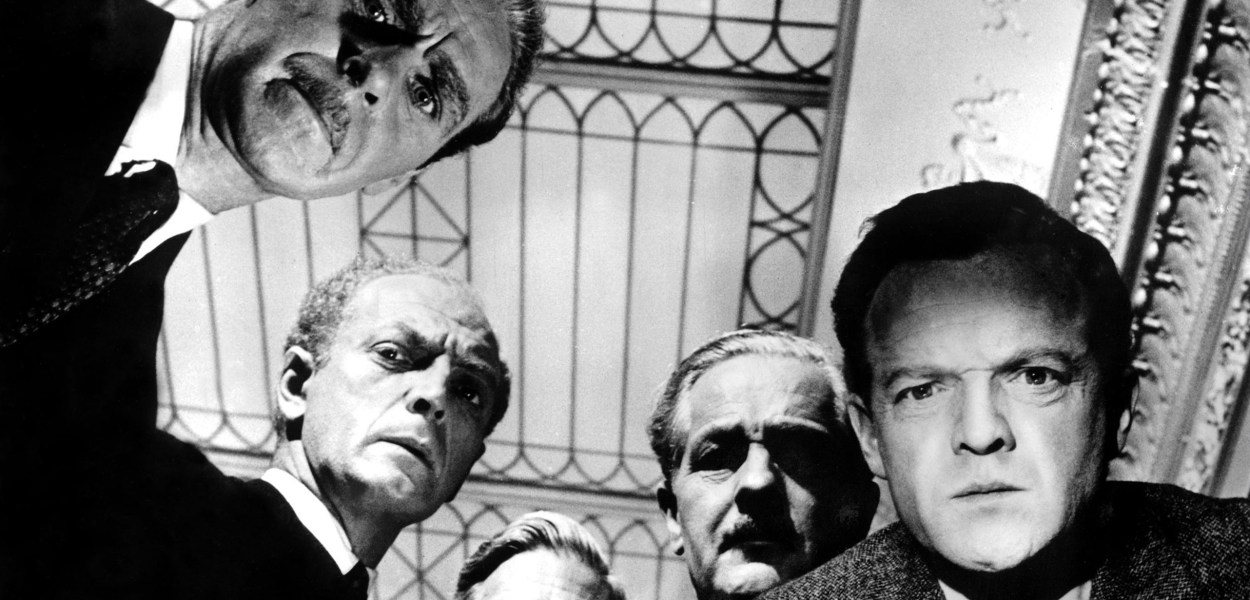
“The generation that had fought the war was confronting the generation that had overseen it, staging a sub-rosa assault on entrenched power.” – D.M. Palmer on ‘Patterns,’ ‘The Man in the Gray Flannel Suit’ and ‘The Apartment’

‘The Forgotten Battle’ Cast: A Vague Visages guide for every main performer and character in Matthijs van Heijningen Jr.’s 2020 movie.
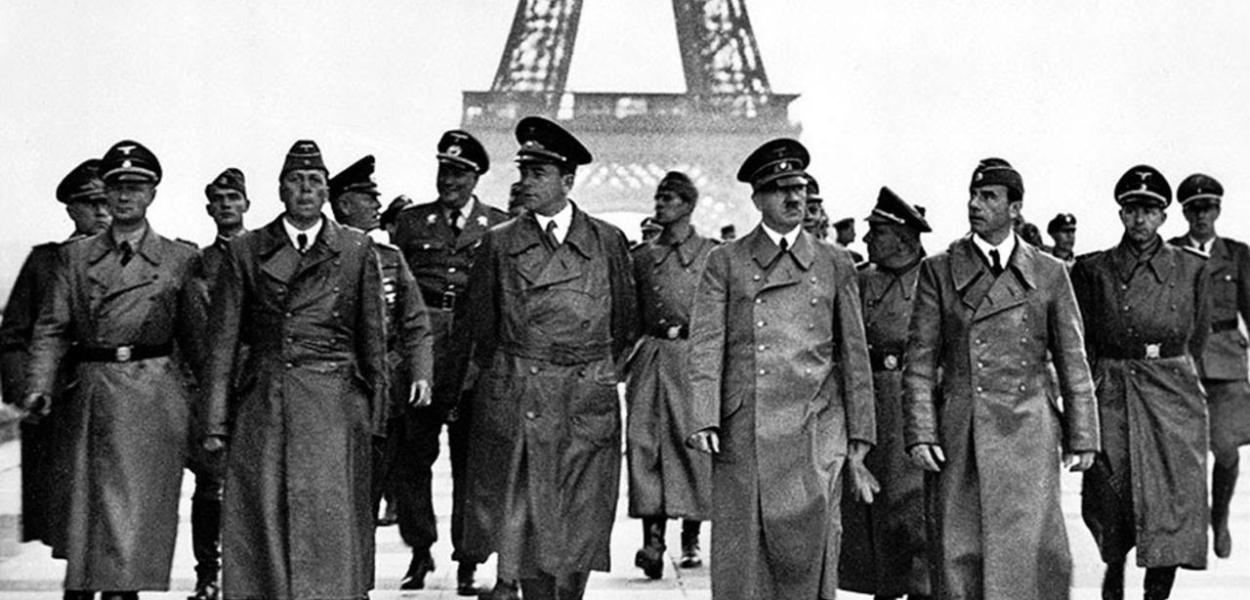
“‘The Sorrow and the Pity’ is surgical and functional, yet unquestionably a reflection of the imagination of an artist.”
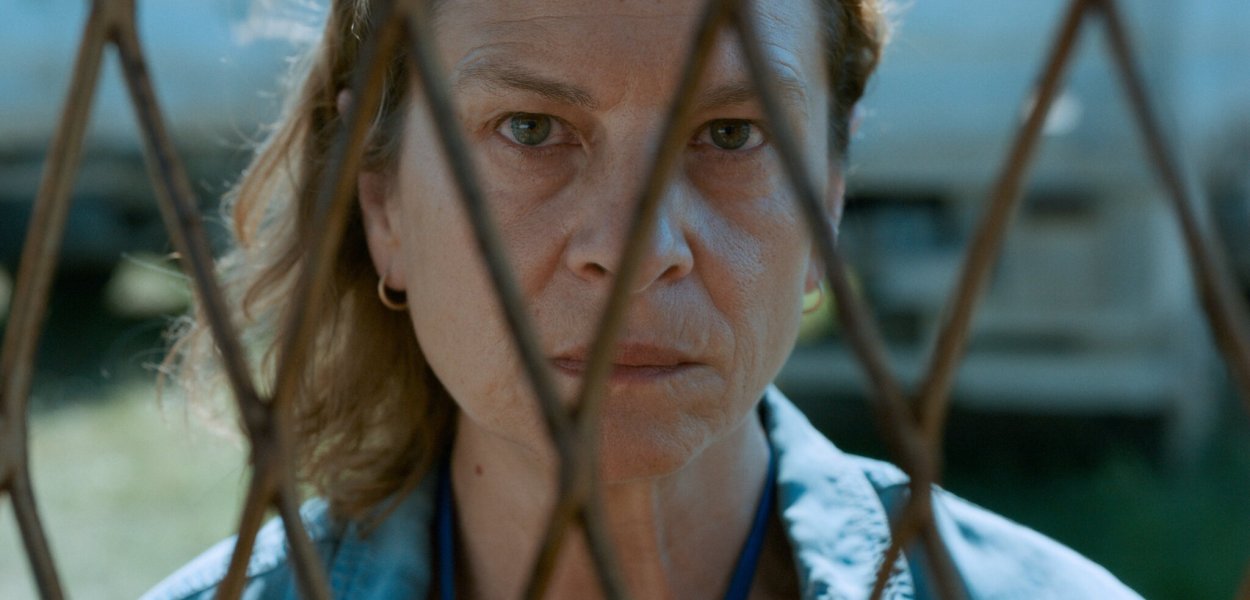
“Roger Ebert once wrote ‘it’s not what a film is about, it’s how it is about it,’ and it’s this phrase that I usually return to when thinking about cinema that deals with humanity’s worst impulses.”
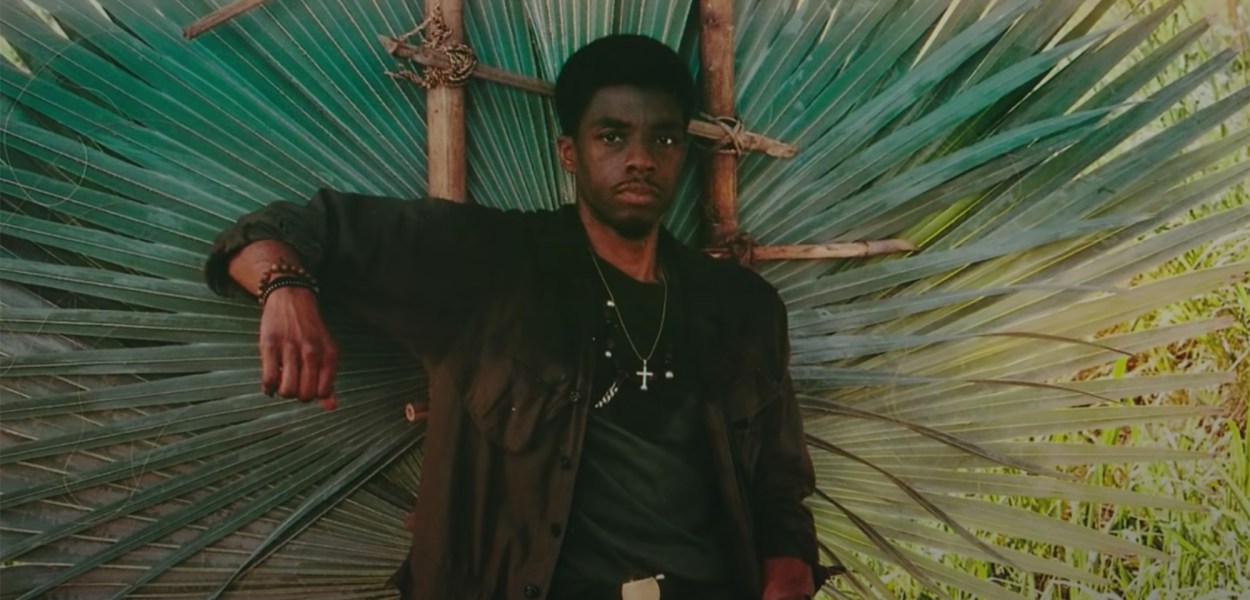
Brian Brems on ‘The Treasure of the Sierra Madre, ‘Da 5 Bloods’ and ‘Trespass’

“Given that ‘Dara of Jasenovac’ is the first Serbian film to cover the camps, the implicit didacticism would actually be more welcomed if it did its job and taught viewers something.”

“The ‘Shadow in the Cloud’ team acknowledges gremlin mythology with genuine admiration and respect.”

“‘Beanpole’ masters the unseen, the unspoken and the ‘presence of absence’ in the way it unpacks the toll of ongoing armed conflict through a kind of metonymic expression of experience.”
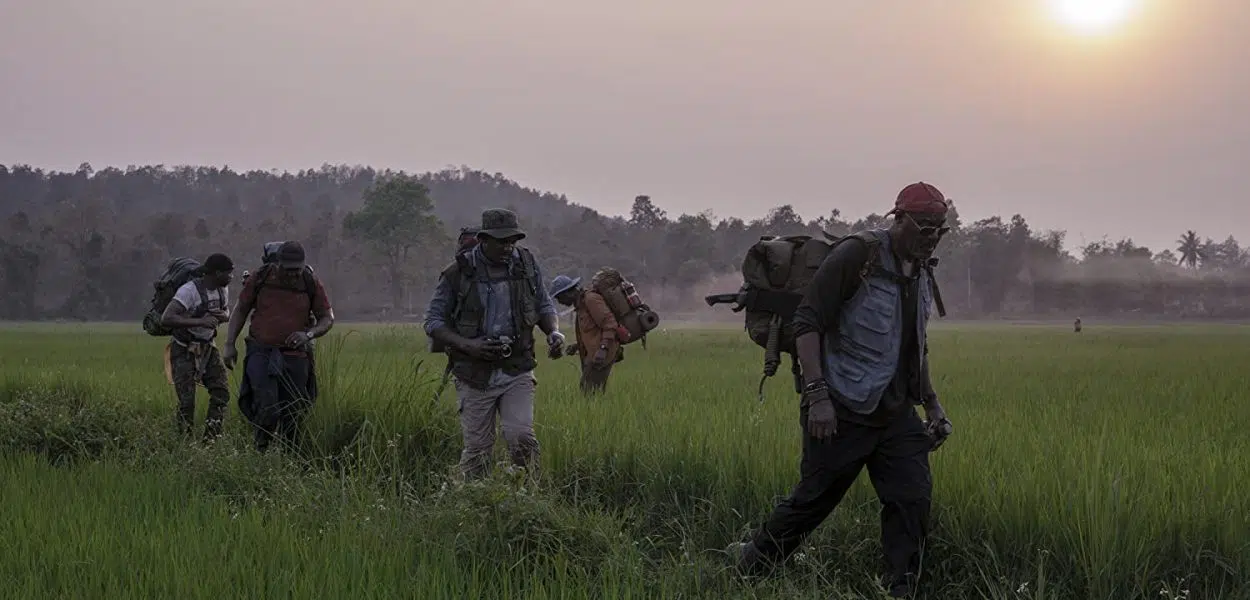
“One of the most effective storytelling strategies in Spike Lee’s ‘Da 5 Bloods’ is the application of the simple and elegant dichotomy.”

“In my hatred for the Bond franchise, I feel I may have done a disservice to its star. I have always had a tendency to discount Sean Connery as an exquisitely sculpted statue, capable of filling out a tuxedo very nicely but little else.”

“As always, Spike Lee asks all the right questions, and it’s up to us to recognize that even though the answers may not be ones we want to hear, we need to grapple with them all the same.”

“In their conversations, Soderbergh and Nichols work together to dismantle the artificial dividing line between art and criticism, neatly moving between the two…”

Alistair Ryder Interviews South African Filmmaker Oliver Hermanus About ‘Moffie’

“Many directors twice Balagov’s age could only dream of making a film this unwavering and unsettling — so explicit in its understanding and exploration of extreme female pain.”
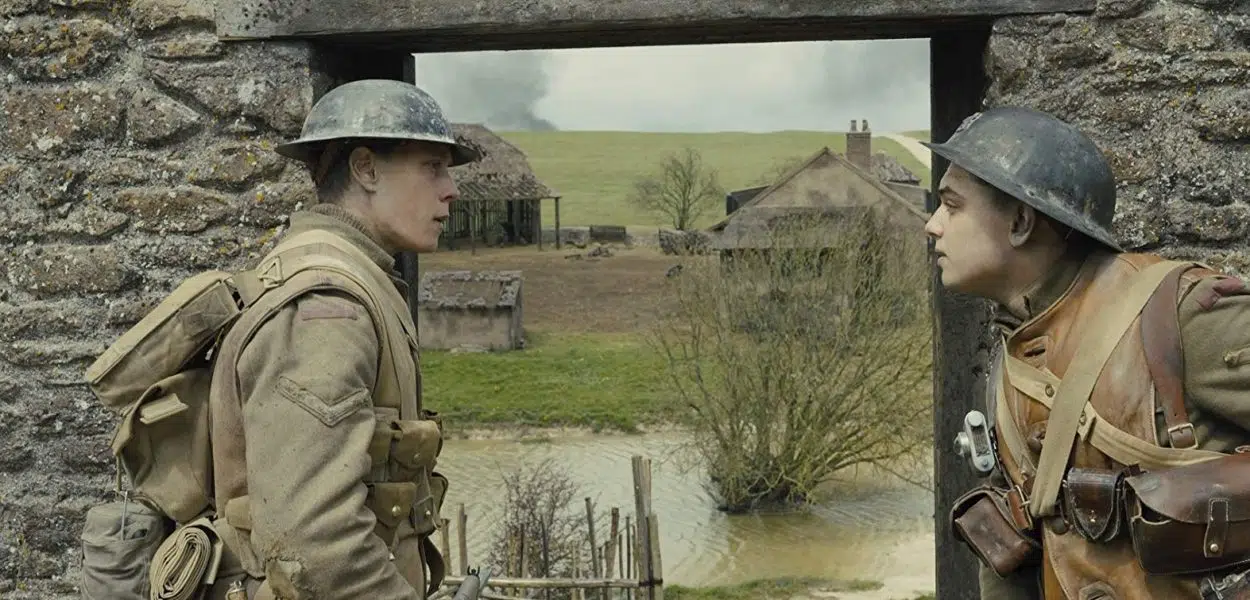
“With a fresh, new approach, Mendes memorializes not only his grandfather, but all the brave soldiers of WWI, reminding viewers of the individual tragedies that comprise warfare.”