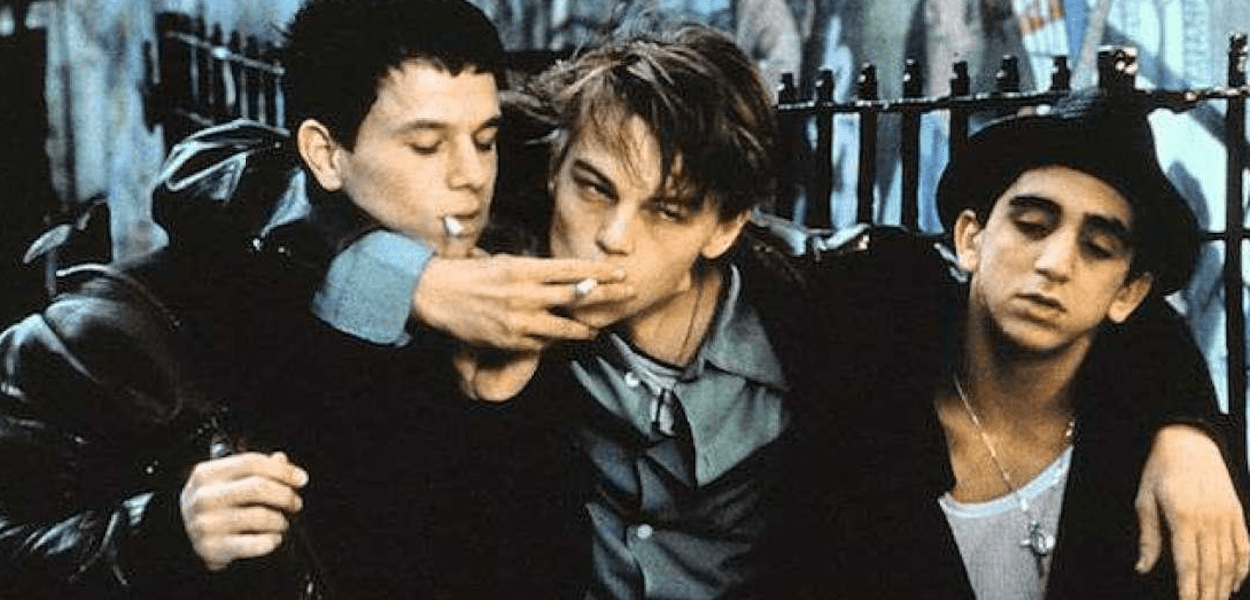
“DiCaprio’s early 90s accomplishments have been widely dismissed or ignored ever since Titanic’s Jack Dawson become a beloved movie figure amongst parents and their nostalgia-loving kids.”
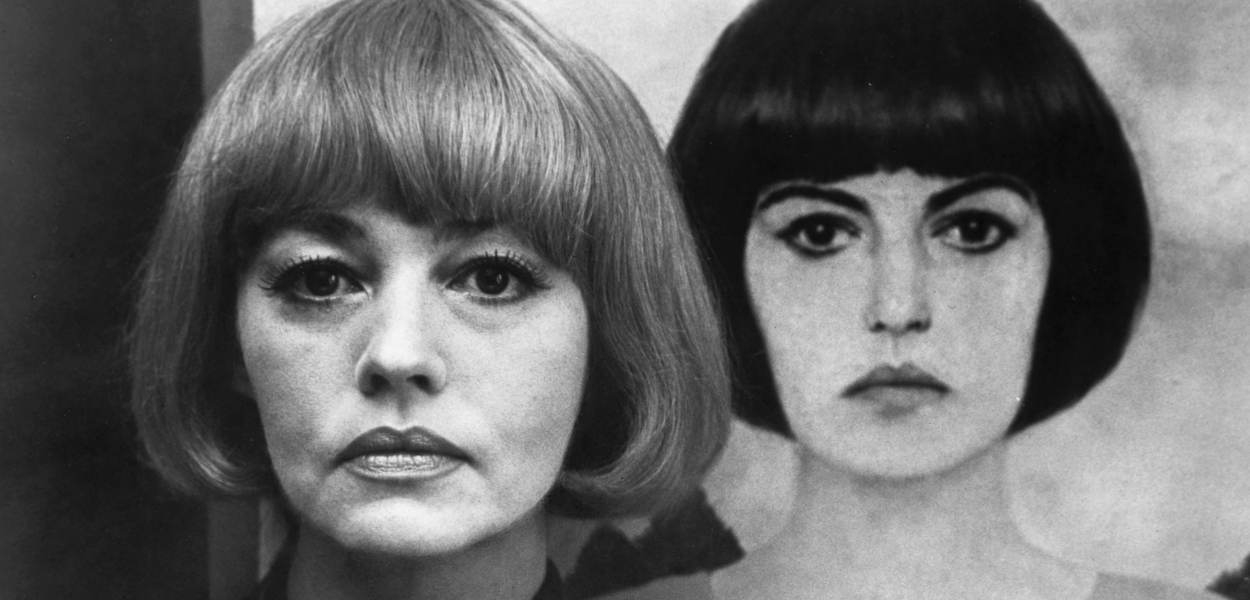
“In ‘The Bride Wore Black,’ cruel fate rips true love away from the innocent, suggesting that Truffaut believed pure happiness is only found in fairy tales.”
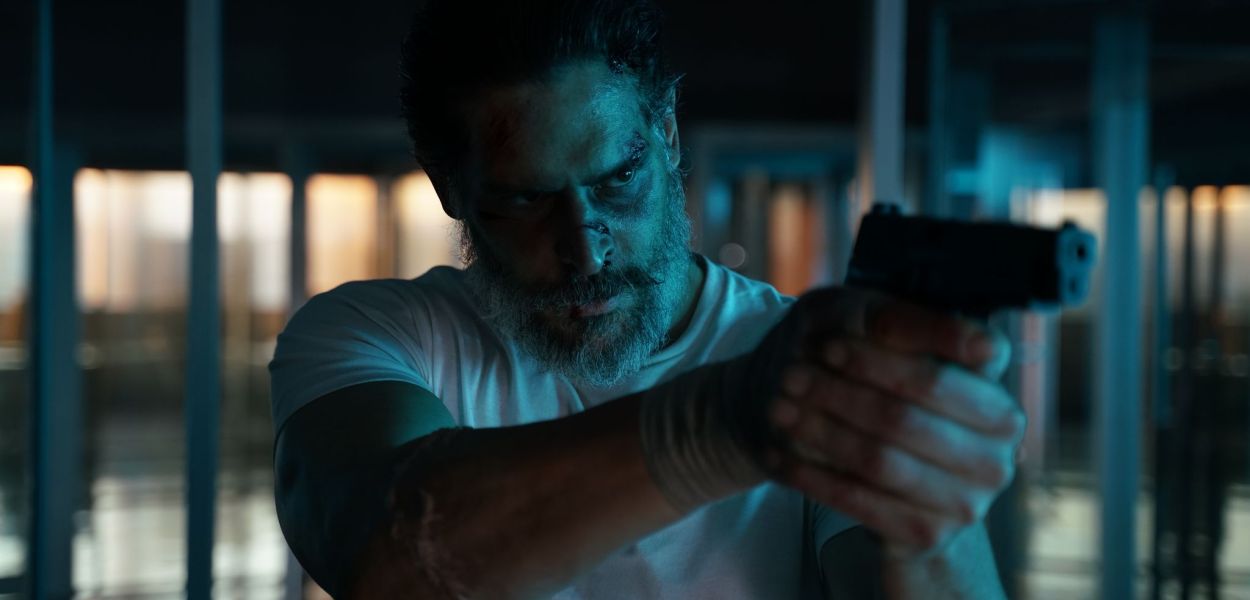
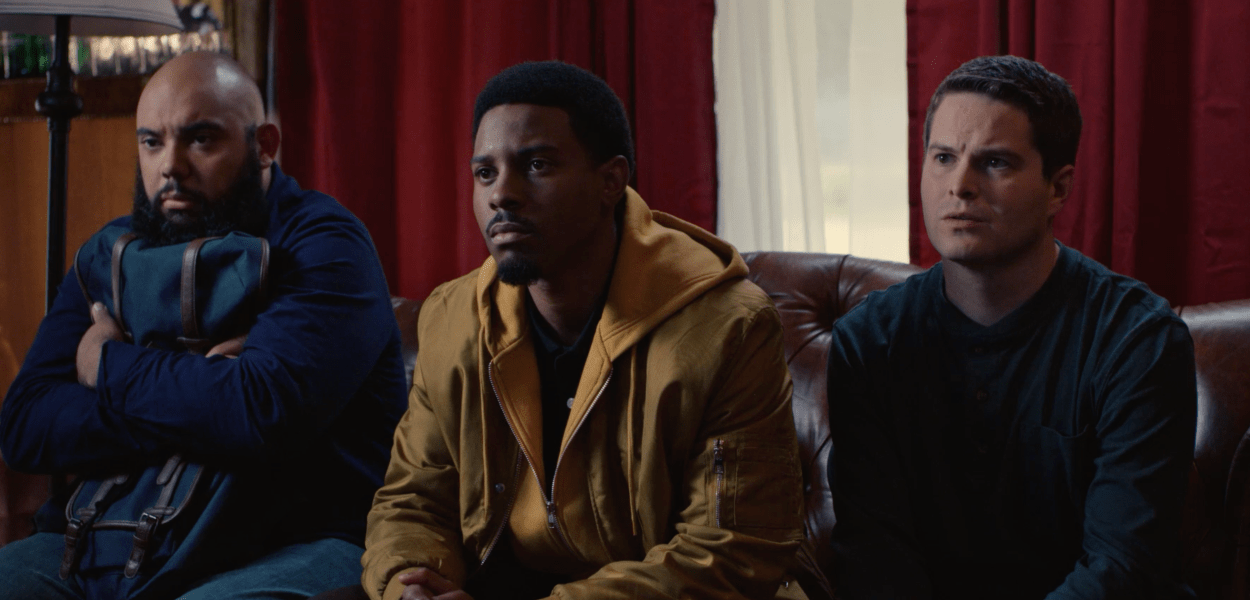
“‘Archenemy’ could easily ditch all the higher concept stuff and simply exist as a dark buddy comedy. As it stands, this is an interesting misfire for Mortimer…”
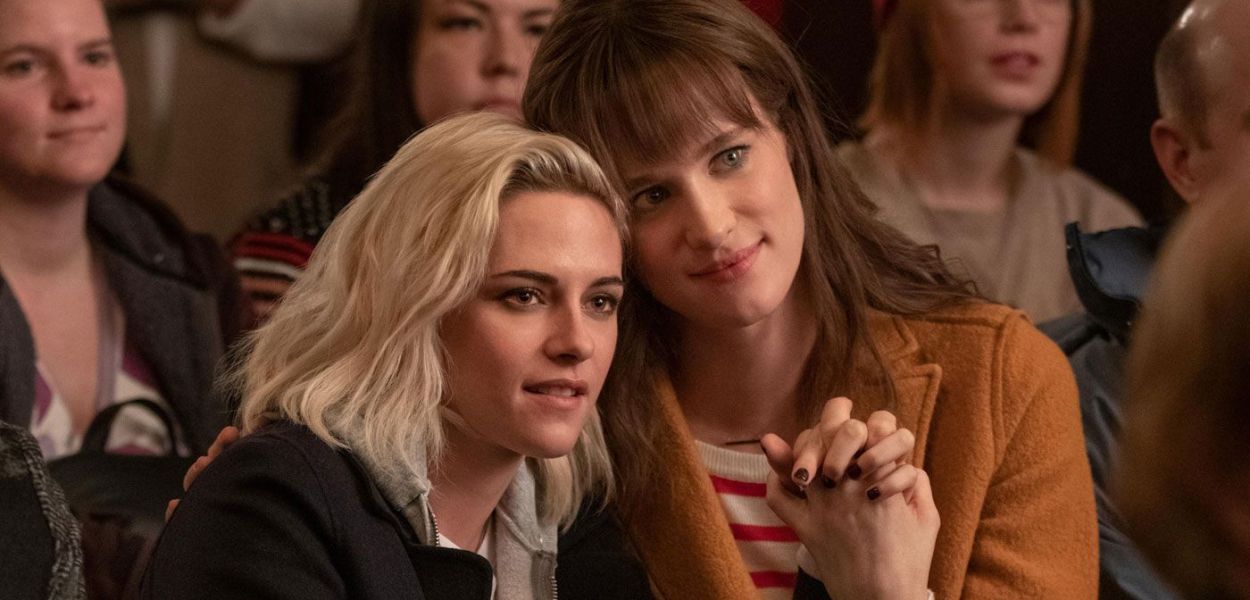
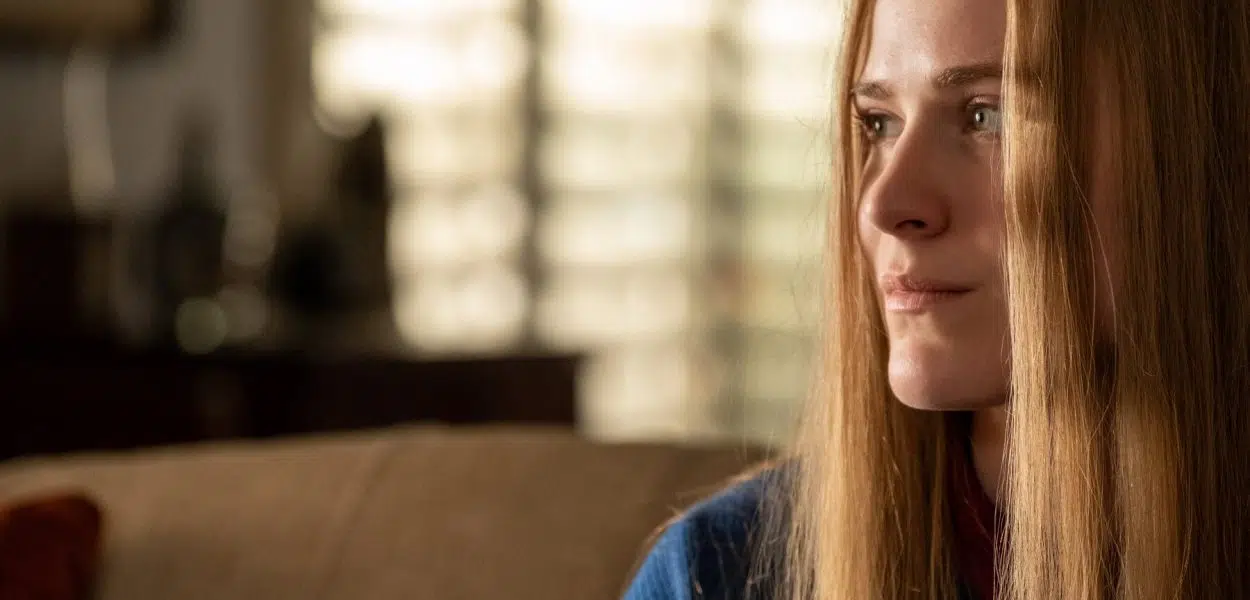
“‘Happiest Season’ may not be the cozy, easy and festive rom-com that many were expecting, but for those looking for something more challenging, it’s a vital, moving and essential watch any time of year.”
“‘The Black Dahlia’ shows De Palma in a reflective mood, considering the impact cinema, especially his own, has had on the lives and suffering of women on screen.”
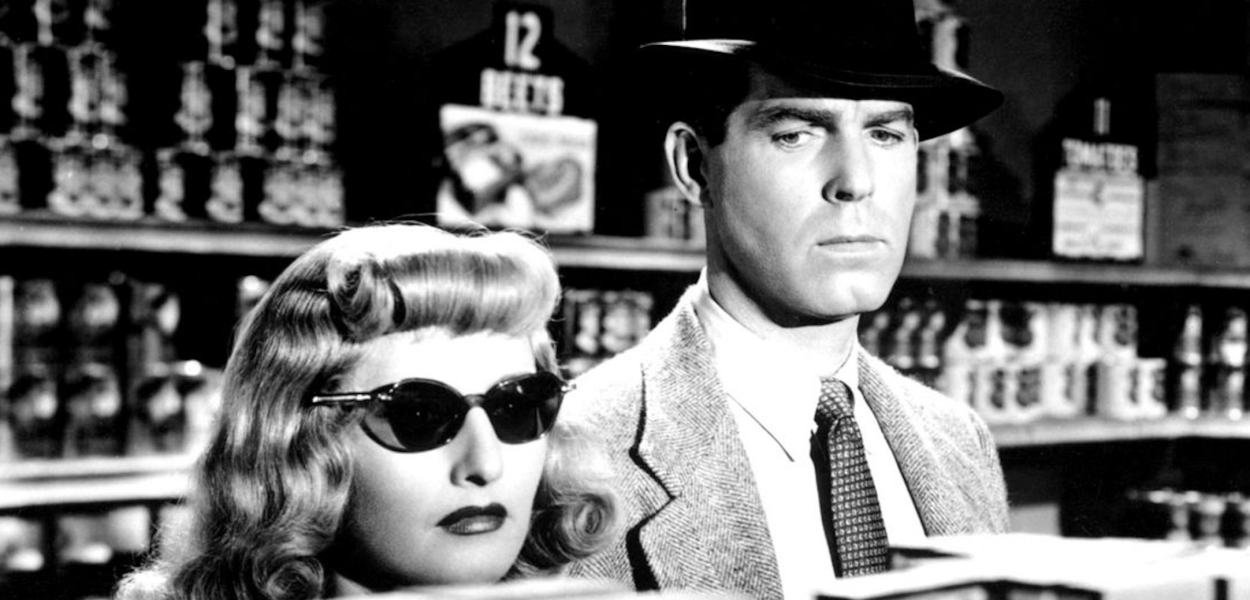
“The representation of women in Film Noir is murky territory — in some ways progressive, in other ways deeply misogynistic — certainly when assessing Phyllis in ‘Double Indemnity.'”
“Otto Preminger’s ‘Where the Sidewalk Ends’ and Nicholas Ray’s ‘On Dangerous Ground’ gesture towards the difficult conditions under which police labor while turning a critical eye on the brutally violent detectives who abuse their power.”
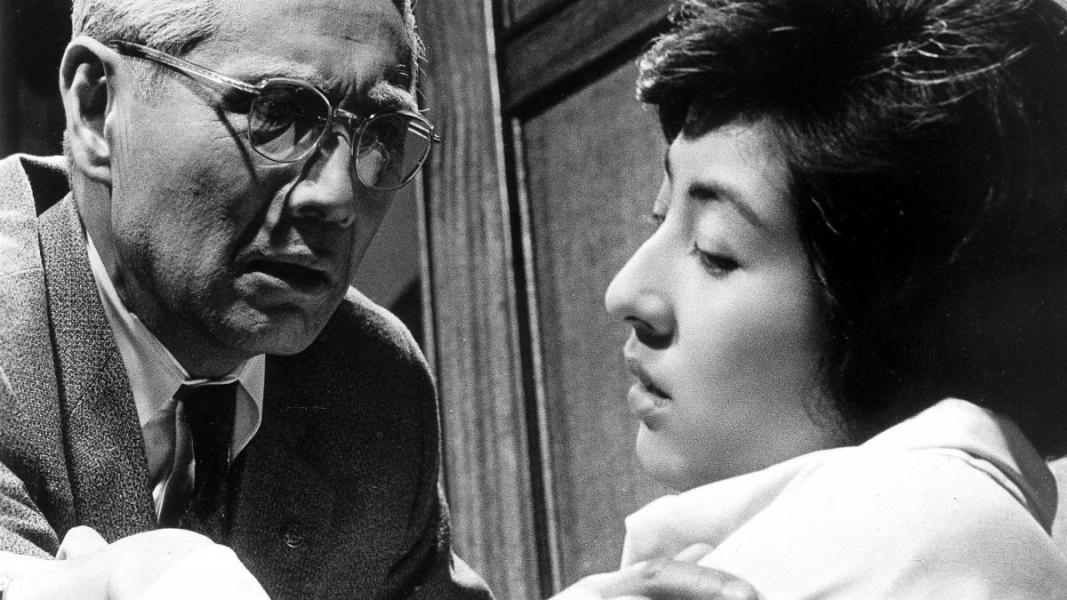
“Kurosawa was rarely more bitter and dejected than he is here, crafting a sprawling noir tragedy from Shakespeare’s text, grappling desperately with identity in the nightmare of faceless modernity.”
“It’s easy to feel a sense of loss for the great actress and movie star that Paltrow could have become, had she not lost interest in the profession and shifted her attention to her questionable business empire.”
“Never weird for the sake of weird, July’s movies are perfectly prismatic, refracting facets of recognizable life experiences through the singularity and peculiarity of her vision.”
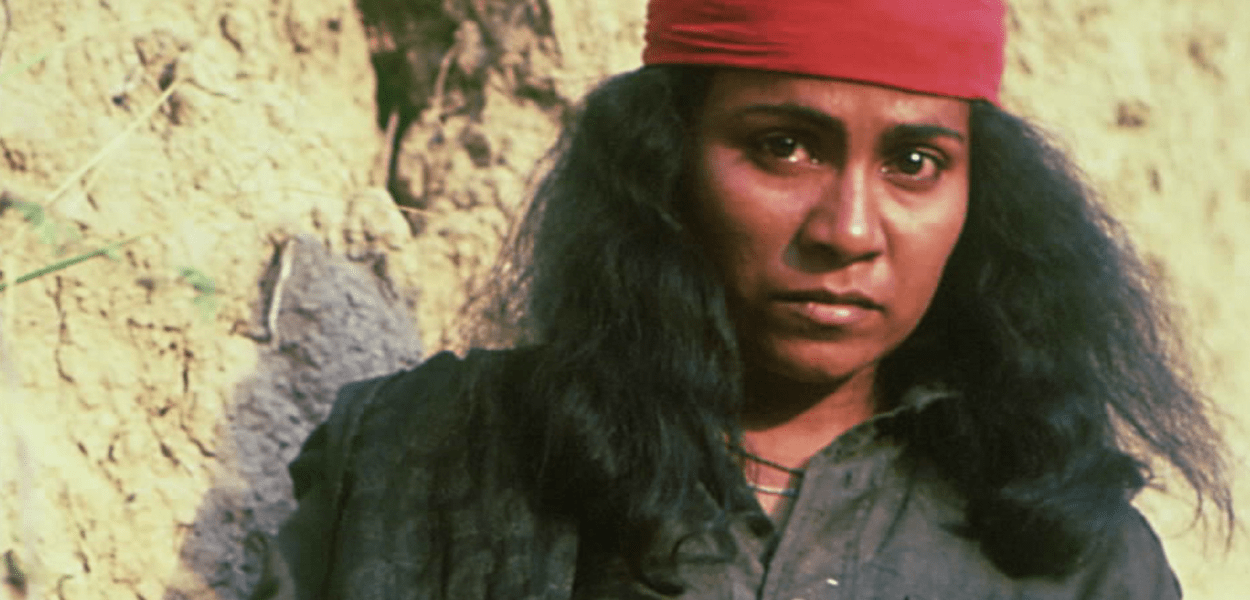
“‘Memories of Underdevelopment’ shares with ‘Pixote’ a cautious destabilization, a sense of how long can this last, of tipping points, radical reform and the capricious aftermath.”
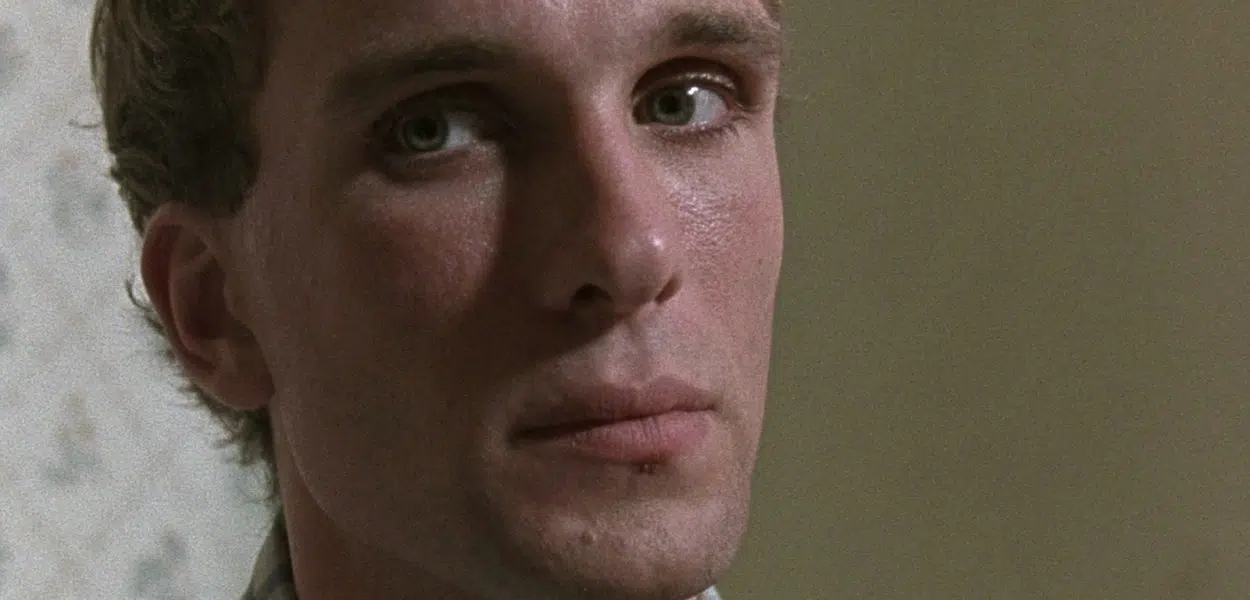
“‘Clean, Shaven’ depicts a culture in which there is little empathy for the mentally ill, perhaps because it is a culture influenced by fictional portrayals in which people like Peter are predominately unfeeling mad killers.”
“While ‘The Black Cat’ does not share many explicit connections with Poe’s 1843 story, both texts use archetypal symbolism to explore painfully intimate experiences (in Poe’s case, addiction and mental disarray, and in Ulmer’s case, psychological trauma).”