
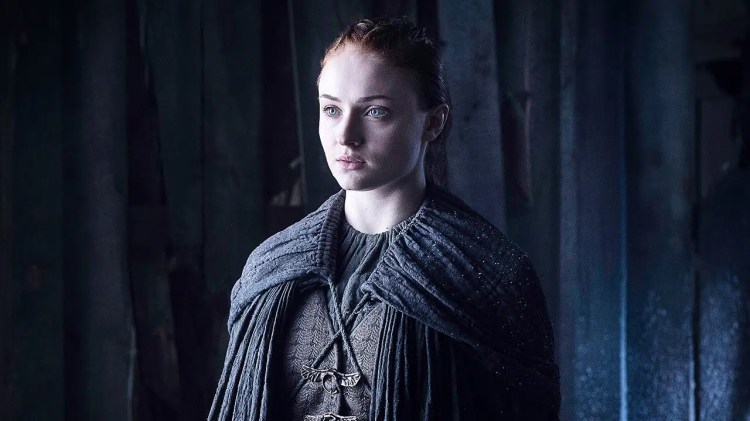
On HBO’s Game of Thrones, Jon Snow may be the one who comes back to life, but it’s the women of Westeros who are increasingly shaping the direction of Season Six. Even the resurrected Snow needs the help of a woman, Melisandre, and her control over his fate is matched by the autonomy Sansa shows in turning against Littlefinger and rallying the others at the Wall to fight Ramsay. She does trust Littlefinger’s possibly misleading intel about her uncle’s retaking of Riverrun, but she also makes him feel anguish and regret for abandoning her to Ramsay. Through the exchange between them, Sansa articulates what could’ve been a more effective method for depicting the sexual violence of which the show has been rightly condemned. The power of suggestion, and Sansa’s obvious pain, makes the scene more emotionally wrenching than any of the numerous depictions of Ramsay’s sadism.
Also taking charge, in spite of the odds, is Arya. Her fight scenes with the Waif, captured in elegant long shots, continue to be some of the most well-choreographed combat sequences Game of Thrones has to offer. She’ll have to poison the actress Lady Crane, though, whose satirical representation of Ned’s execution makes the potential murder all the more tempting. The play riles up Arya, naturally, as much as the rhymed dialogue makes it hard to stay too angry at the performers.
Arya’s indestructible stubborn streak is also seen in Yara, who won’t let her uncle, Euron, take the throne unchallenged. He’s determined to perpetuate the patriarchal norms of Westeros for as long as possible, even as she is equally determined not to let him do so. Theon takes her side, and the potentially ensuing Greyjoy civil war adds yet another fascinating conflict to a suddenly crowded season. “Build me a thousand ships, and I will give you this world,” Euron says to his remaining loyal troops, setting the stage for a Greyjoy battle down the road.
More than the Greyjoys will be in conflict, as Daenerys and Tyrion soon remind us. Even with greyscale threatening Jorah’s life, she’s too loyal to let him abandon her without promising to seek a cure. Between Daenerys’s brave, emotional outpouring to Jorah and her destruction of the Dosh Khaleen last week, Season Six has found her increasingly asserting her autonomy and cementing her position as one of the show’s strongest characters.
She’s rivaled by Tyrion, of course, who continues to find himself in conflict with others over how to proceed. This time it’s with Varys, regarding whether or not to make use of Kinavara’s powers to “purify nonbelievers.” Tyrion is the pragmatist once again, willing to use whatever resources he can to consolidate Daenerys’ strength, but Varys is too skeptical of religion to be quite in the same camp. This conversation builds on last week’s discussion over the ethics of allowing slaves to remain slaves, establishing the political intrigue that’s coming to define Season Six almost as much as the looming Stark/Bolton showdown.
But more imminent than that is the Children of the Forest/White Walker battle, which brings “The Door” to a rousing and emotional conclusion. The title refers to Hodor’s heroic, sacrificial efforts to protect Bran and Meera from the encroaching zombies, as his younger self sees that he will one day have to do. There’s an awful lot of cruelty on Game of Thrones, but this is one death that feels painful without being manipulative or excessive. It also allows Bran and Meera to escape, leaving yet another group to wander, strategize, and fight their way through Westeros in the second half of Season Six.
Max Bledstein (@mbled210) is a Montreal-based writer, musician and world-renowned curmudgeon. He writes on all things culture for a variety of fine North American publications. His highly anticipated debut novel will write itself one of these days, he assumes.
Categories: Featured
FINALLY it’s getting good! Everything up until now has been foreplay. Next season will be the season of the queens!