“What is so strange about the New Hollywood renaissance of the 70s is that it took place at a time of acute crisis for the business. It was a signal of the industry’s weakness that these cracks in the veneer were not only permitted but encouraged…”
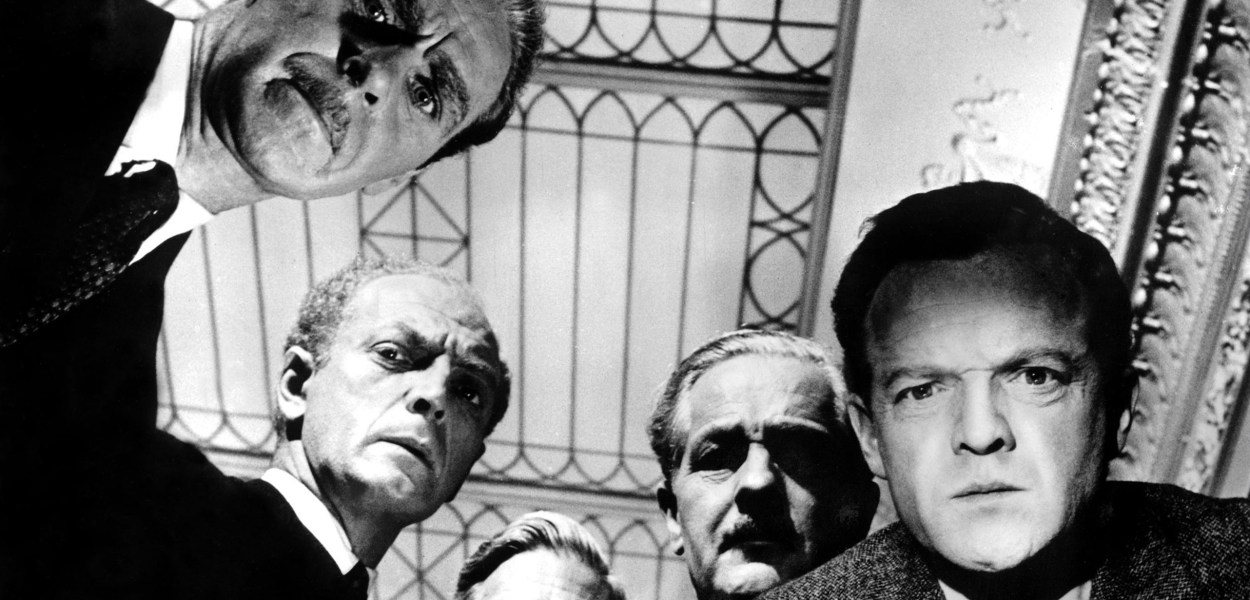
“The generation that had fought the war was confronting the generation that had overseen it, staging a sub-rosa assault on entrenched power.” – D.M. Palmer on ‘Patterns,’ ‘The Man in the Gray Flannel Suit’ and ‘The Apartment’
There Is No Try: Documenting the Silicon Valley Mindset | D.M. Palmer on ‘The Inventor, ‘Fyre,’ ‘Fyre Fraud’ and ‘WeWork: or The Making and Breaking of a $47 Billion Unicorn’
“Dennis Potter left us with one of the most ambitious and meaningful pieces of British television, bridging commercial and public broadcasting to address the state of the nation and the fate of the artist with his customary irreverence and accessibility.”
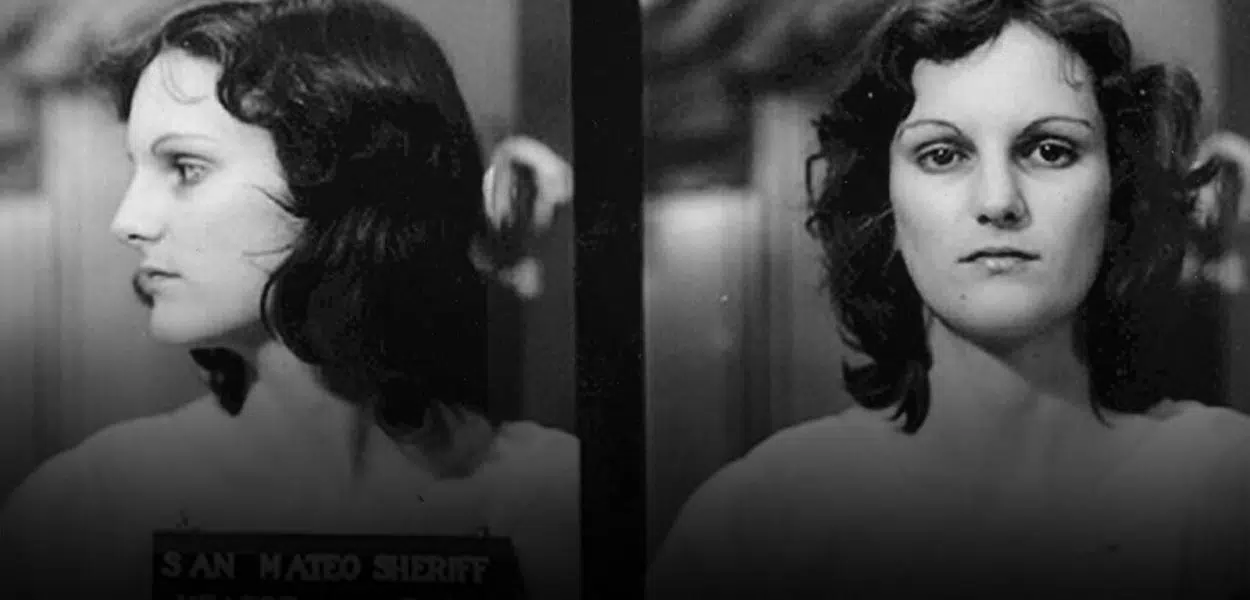
“In all her dramatic iterations, Patty Hearst stands for an American purity that was always illusory but remains hallowed, that successive generations have set out to wrest back from the forces of complication.”
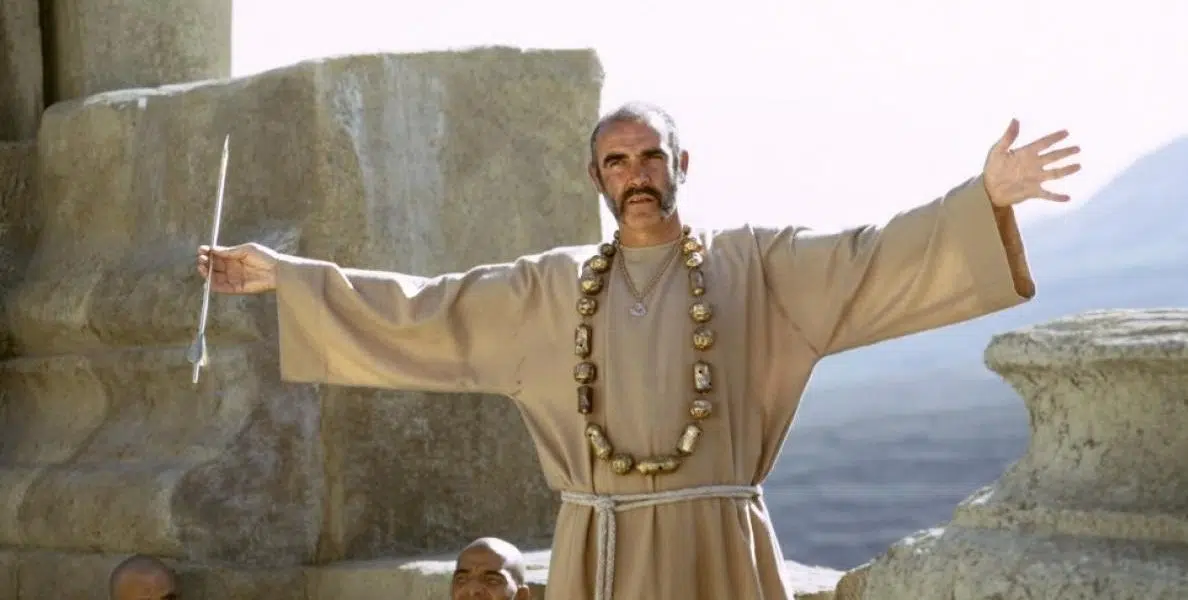
“In my hatred for the Bond franchise, I feel I may have done a disservice to its star. I have always had a tendency to discount Sean Connery as an exquisitely sculpted statue, capable of filling out a tuxedo very nicely but little else.”
“In Fassbinder’s conception of West Germany following its chaotic autumn, terror takes on the tenor of performance art; like addicts lusting after a fix, the groupuscule seeks ennobling sensation; they must be satiated by “Something symbolic…”
“The demise of the conspiracy thriller pointed to a broader shift; it signalled the rise of a new credulity, a willingness to re-engage with the idea of America in spite of its reality.”
“The Hancock persona tapped into a uniquely British strain of malaise, which manifests itself in a fractious fatalism, a dread of impotence which finds its expression in outlandish displays of petulance, pettiness and pomposity.”
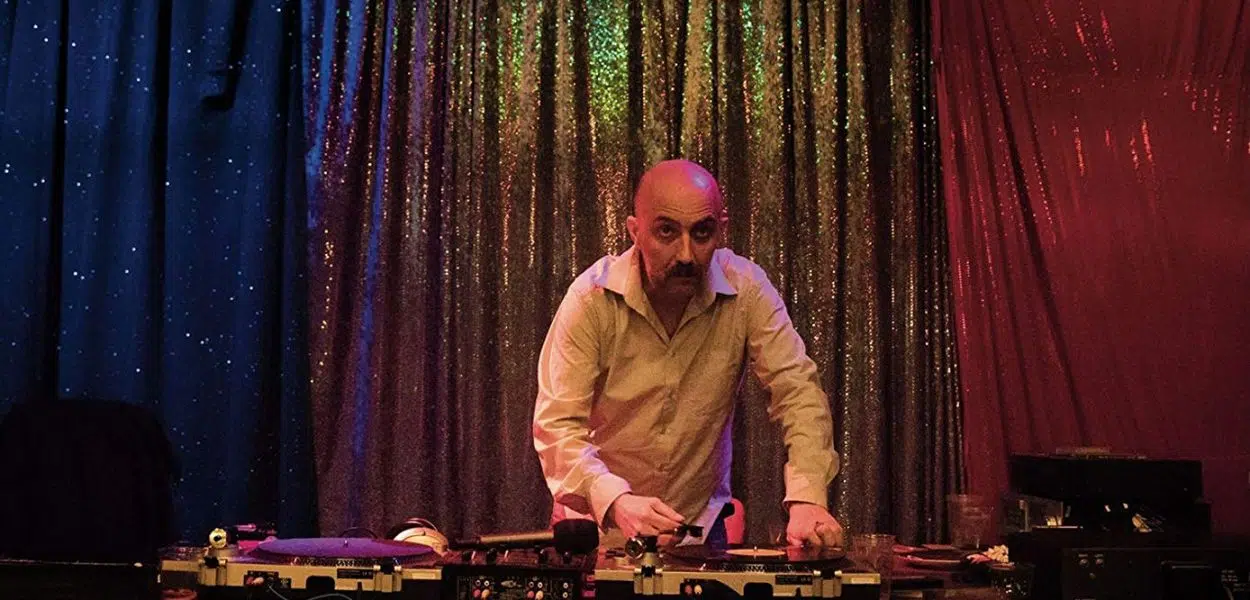
“Noé’s work has always been concerned with errant self-expression, what happens when we are wrenched from sensation and how we adjust to the comedown.”
“A sense of restlessness began to be addressed tentatively, and was confronted with increasing boldness as the decade progressed. Battles were being waged on multiple fronts of this unacknowledged war, claims were being sought from historically neglected constituents.”
“Faced with the death of its utopian hopes, the remnants of America’s counterculture split into two tendencies: the pastoral and the criminal. Its despondency was turned inwards and outwards; one side sought to build alternative structures in line with a higher authority, while the other strove to rearrange the wreckage of the existing order.”
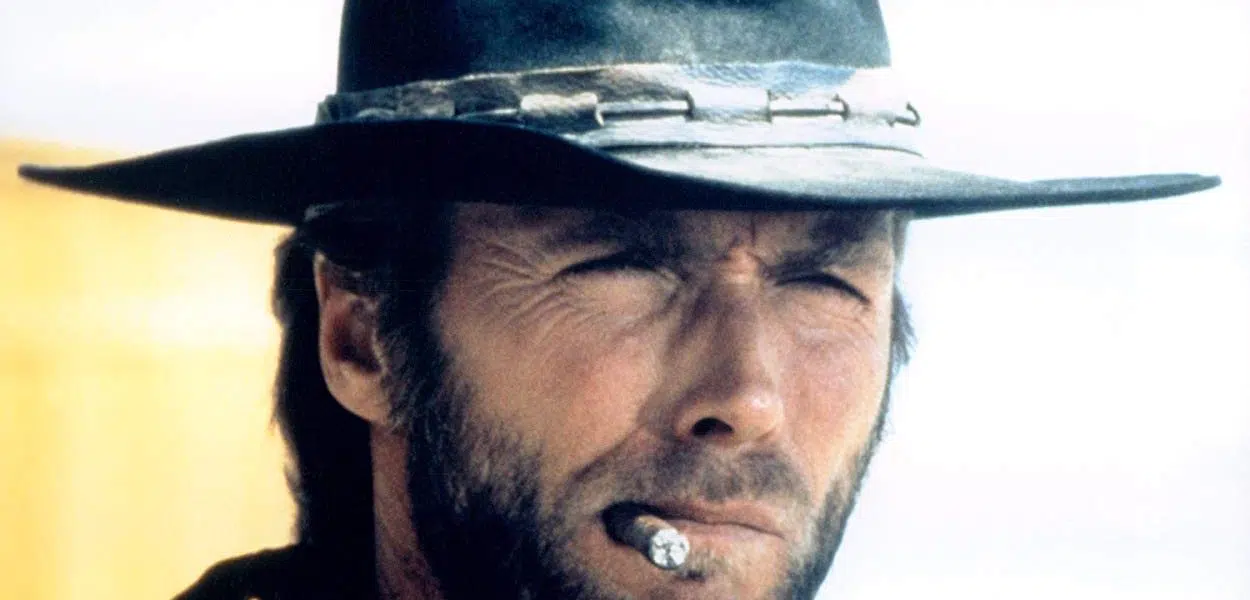
“The cowboy is an emissary of civilisation, enduring all the hardships the elements can throw at him to create a space in which civilised values can flourish unhindered. The symbolism of the cowboy is so potent that it continues to be invoked for political gain.”