Is Michael Mann’s Horror ‘The Keep’ a Hidden Gem? Well…
“Really, the main worth of The Keep is as a curiosity; to see a significantly different career path that Mann could have taken had this film had any sort of positive impact on pop culture.”


“Really, the main worth of The Keep is as a curiosity; to see a significantly different career path that Mann could have taken had this film had any sort of positive impact on pop culture.”
“Bateman brings the full force of his directorial ability to the film, finding beauty in every camera placement and character movement.”

A Column on Film Criticism by Justine A. Smith

“Will the execution weigh on Jon as he experiences life beyond the Night’s Watch?”

A Series by Dylan Moses Griffin
“Sometimes the most difficult kind of review to write is one for a film that’s full of good intentions; a film that’s never outright hateful or anything like that, but lacking or floundering when it comes to certain decisions at a script or direction level.”

A Weekly Column on Love and Erotica in Cinema by Justine A. Smith

“Grappling with themes of self-preservation and mental stability amongst abject barbarity, ‘Son of Saul’ packs an emotional punch all its own, while seeking to convey the essence of an individual living in abhorrent chaos.”

A Column on Film Criticism by Justine A. Smith

“Hitting the cerebrally relatable and the absurdly goofy, Buress provides an allegory for the American worker: even if your daily grind is performing stand-up, taking pleasure in your work is the only way to stay sane.”

“As good as Game of Thrones can be at revealing shades of grey in ostensibly irredeemable characters, the show is equally adept (if not more so) at making its villains as detestable as can be.”
A Series on Italian Cinema by Q.V. Hough
A Column on Action Films by Dylan Moses Griffin

“Horror and femininity run hand in hand.”
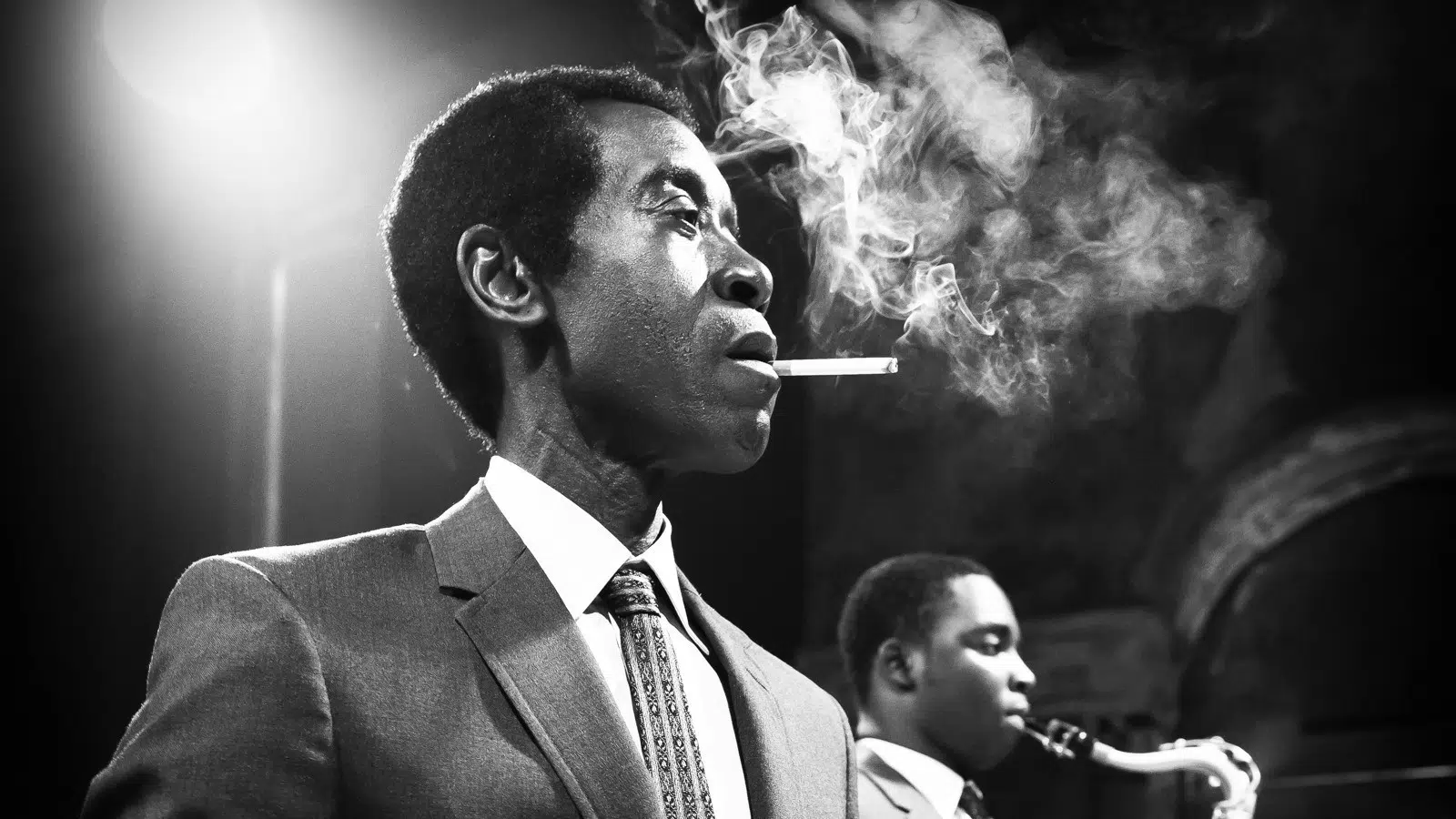
“In keeping with the tempo and improvisational flair of his subject, Don Cheadle has succeeded in breaking through the standard tediums of biographical film.”
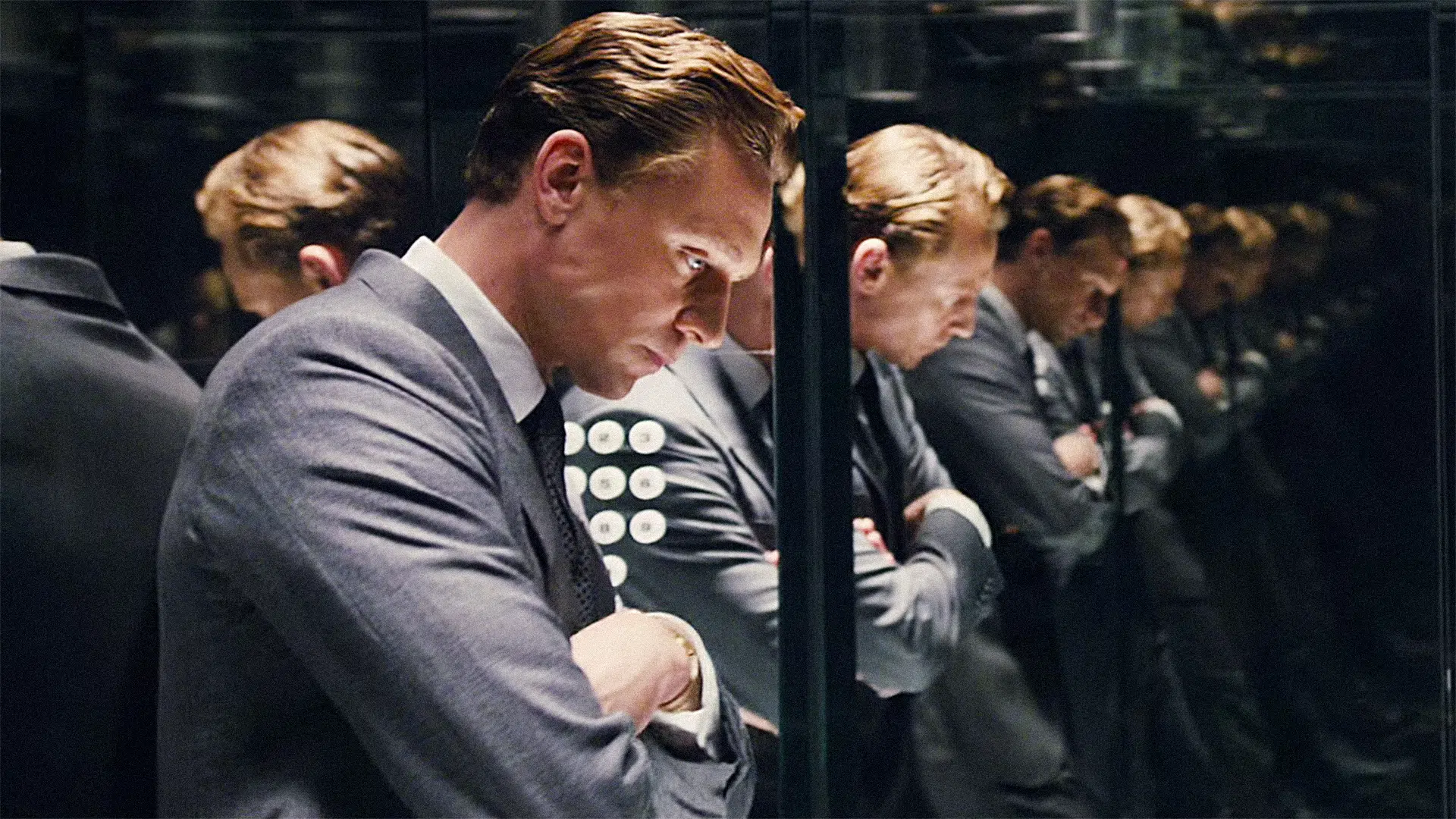
“‘High-Rise’ gazes without flinching at a cavalcade of violence without ever feeling like it’s truly stepped into the muck.”

A Column on Film Criticism by Justine A. Smith

“‘Hush’ has some very interesting moving parts in what amounts to an average film.”

“‘Eve’s Bayou’ is like a living poem, deftly exploring the way memory can both comfort and haunt us, long after the actual wounds of our tragedies heal.”

A Series on Italian Cinema by Q.V. Hough