Mannhunting: Exploring Masculinity in the Films of Michael Mann – Part Two
Mannhunting #2 by Bill Bria: “In Mann’s duality of man, cop and robber are, in Stevenson’s words, ‘radically both’ one and the same.”


Mannhunting #2 by Bill Bria: “In Mann’s duality of man, cop and robber are, in Stevenson’s words, ‘radically both’ one and the same.”

“Without being judgmental, ‘The Disciple’ succeeds in questioning the age-old notion of sacrifice as a means to attaining higher goals.”
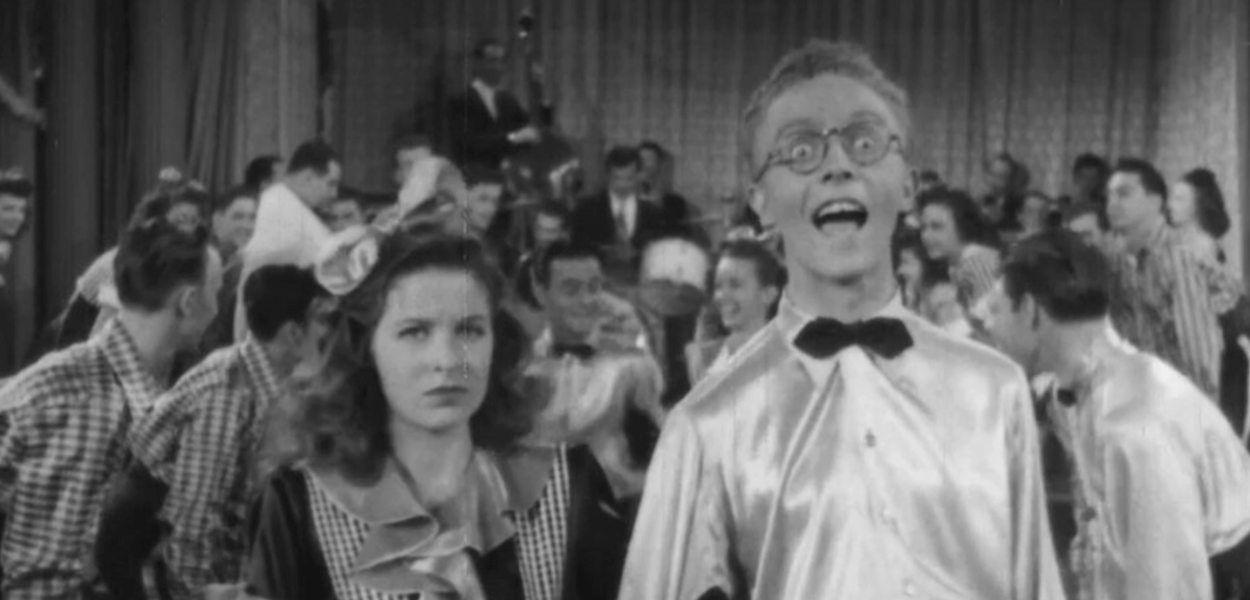
“What do we do with the Teen Agers movies, which were no more intended to be seen 75 years later than a dinner cooked in 1947 was intended to be eaten in 2021?”
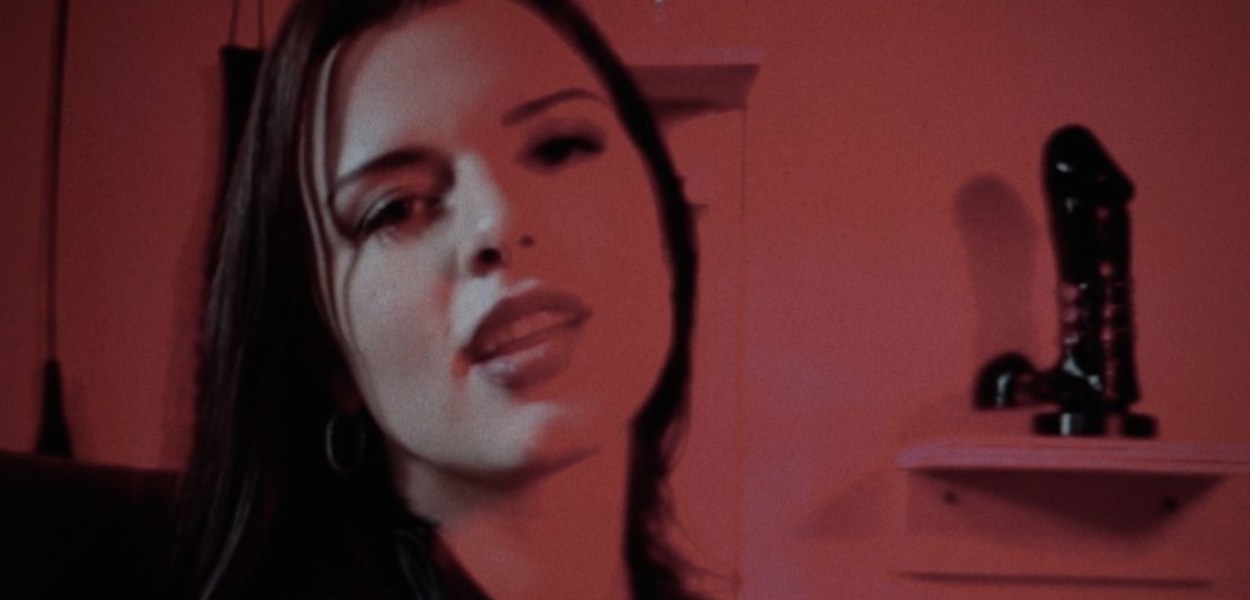
“Hozie nails the greener-grass metaphor in ‘PVT Chat’ with a clarity that reminded me of the last lines of James Joyce’s ‘Araby.'”

“‘Boys from County Hell’ isn’t really about vampires so much as it’s about being proud of where you come from, and of the bonds forged there.”

“‘Clapboard Jungle’ could not only benefit up-and-coming filmmakers, but also young writers who are serious about pursuing a career in film criticism. Passion isn’t enough. You need to understand the business side of it all…”
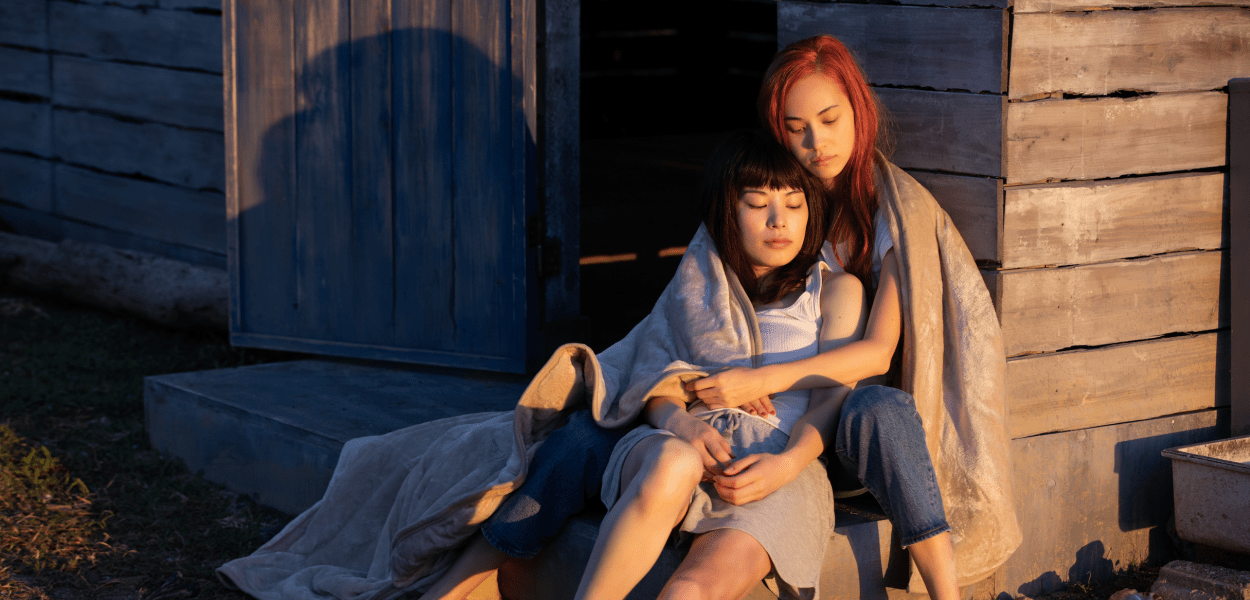
“Plenty of double-themed movies have been made over the years, but ‘Ride or Die’ seems like an ideal companion piece to ‘Persona.’ Both films are sexually provocative, and both require multiple viewings to better understand the perspectives of each female protagonist.”
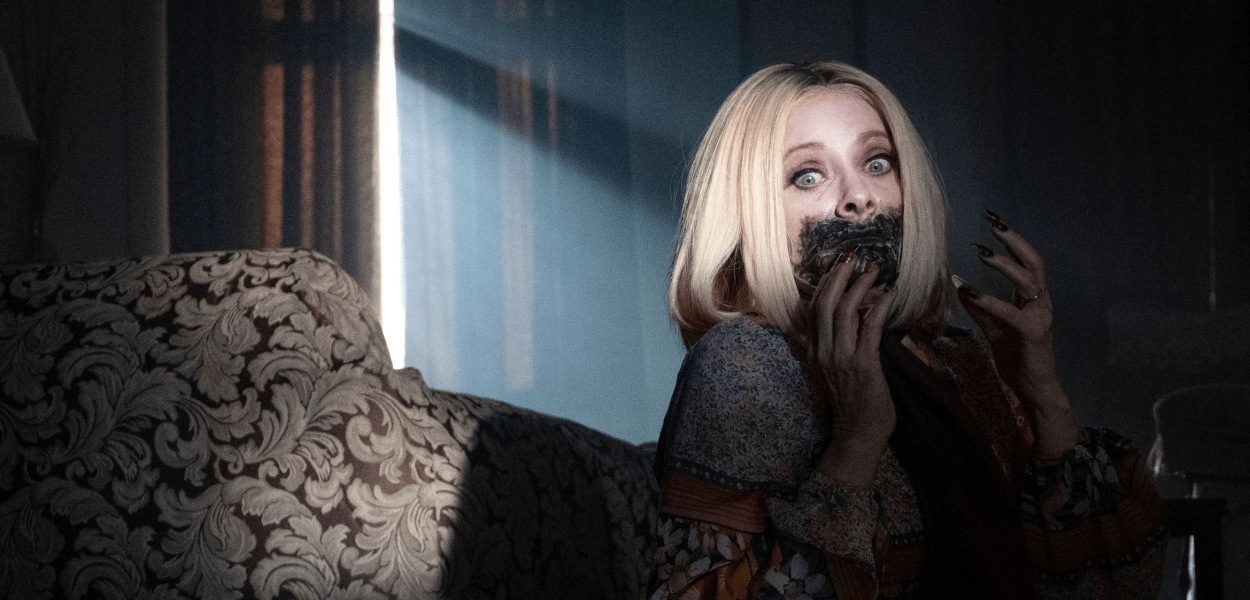
“Aside from being a furiously feminist film, ‘Jakob’s Wife’ is mordantly funny, gruesomely gory and gloriously unpredictable.”
“Though somewhat imperfect, Pereira dos Santos’ first feature shows promise and is a testament to his ability to portray queer characters with granular subtlety and political meaning.”
“‘Night in Paradise’ isn’t the ideal movie for locked-down streamers, but it’s one that challenges audiences to find silver linings in dark life experiences.”
“‘Bridget Jones’s Diary’ is heartbreaking and life-affirming in equal measure, which is a difficult balance to pull off, particularly in a movie that frequently treats its protagonist quite harshly.”

“‘Kubrick by Kubrick’ has the effect of placing the notoriously particular and media-shy subject in the room with the eager listener/viewer.”
“Roger Ebert once wrote ‘it’s not what a film is about, it’s how it is about it,’ and it’s this phrase that I usually return to when thinking about cinema that deals with humanity’s worst impulses.”
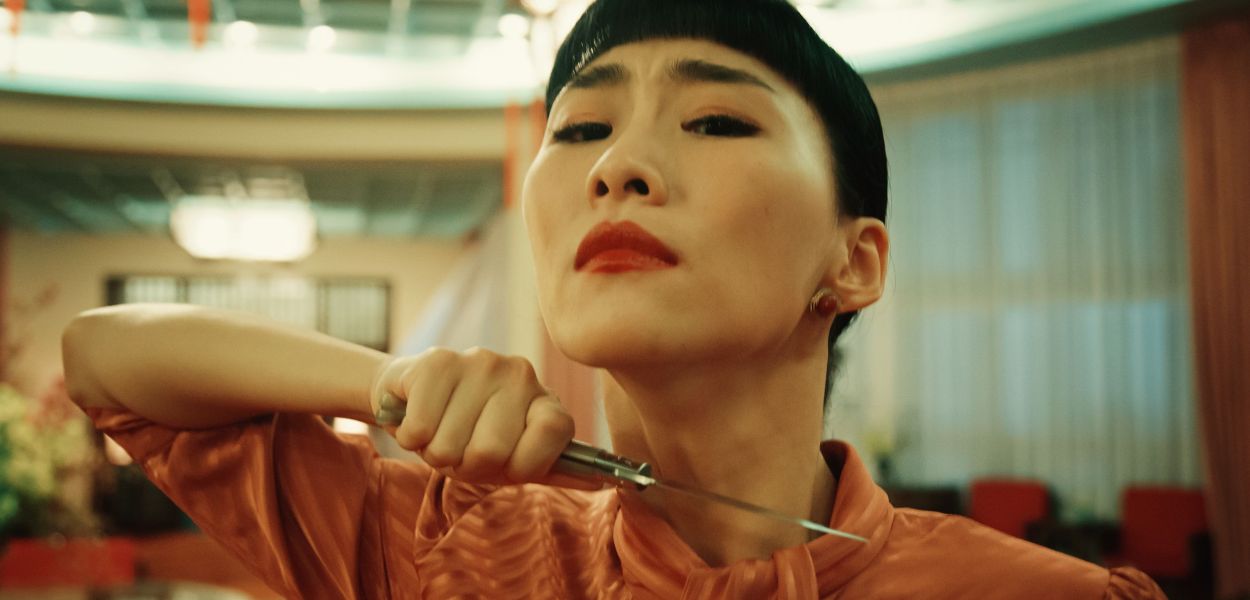
“‘Nina Wu’ isn’t just a ‘#MeToo thriller’ or ‘slow burn cinema,’ it’s a progressive spin on psychological horror and a master class in visceral visual design.”
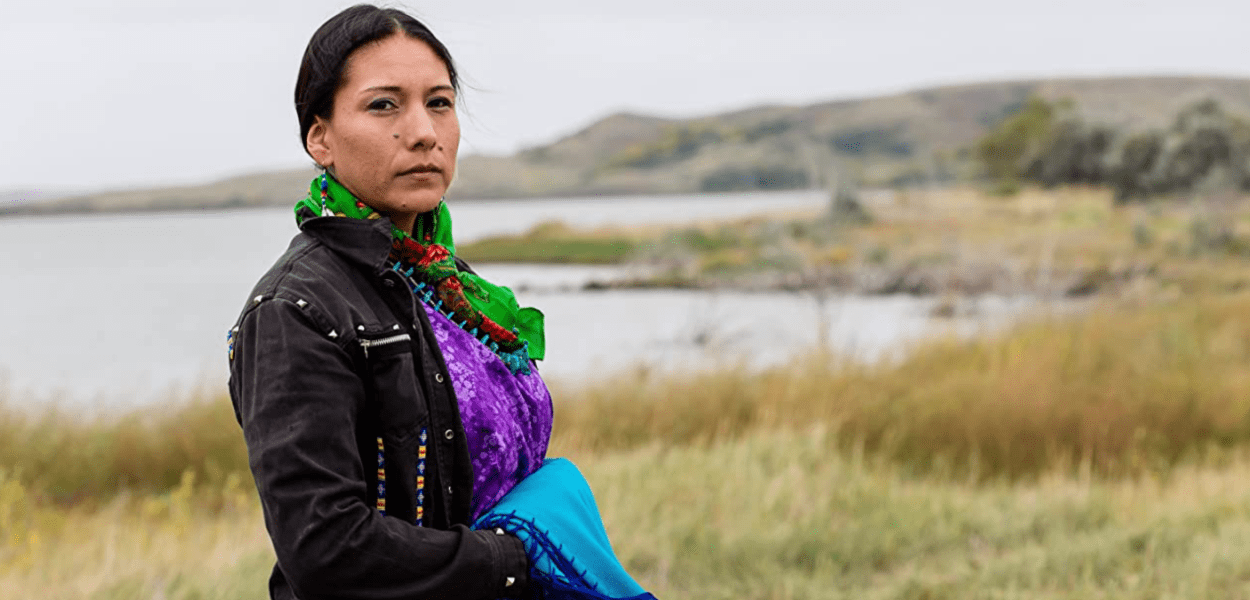
“End of the Line: The Women of Standing Rock’ belongs to a tradition of activist filmmaking that draws from investigative journalism as well as from artistic principles and techniques.”

“The utter sadness of Little and Big Edie’s story is why ‘Grey Gardens’ is so moving — direct cinema allowed this story to be explored with a level of intimacy previously unavailable.”

Mannhunting #1 by Bill Bria: “The protagonists and antagonists in Mann’s films tend to be mirror images of each other, all of them caught within masculinity’s shackles.”

“‘No Hard Feelings’ takes queerness as a given, capturing queer joy onscreen while never losing sight of the stark realities of migrants seeking refuge in a still highly xenophobic Europe.”

“‘Hazaaron Khwaishein Aisi’ bears the unmistakable stamp of an artist at the very apogee of his creative prowess.”
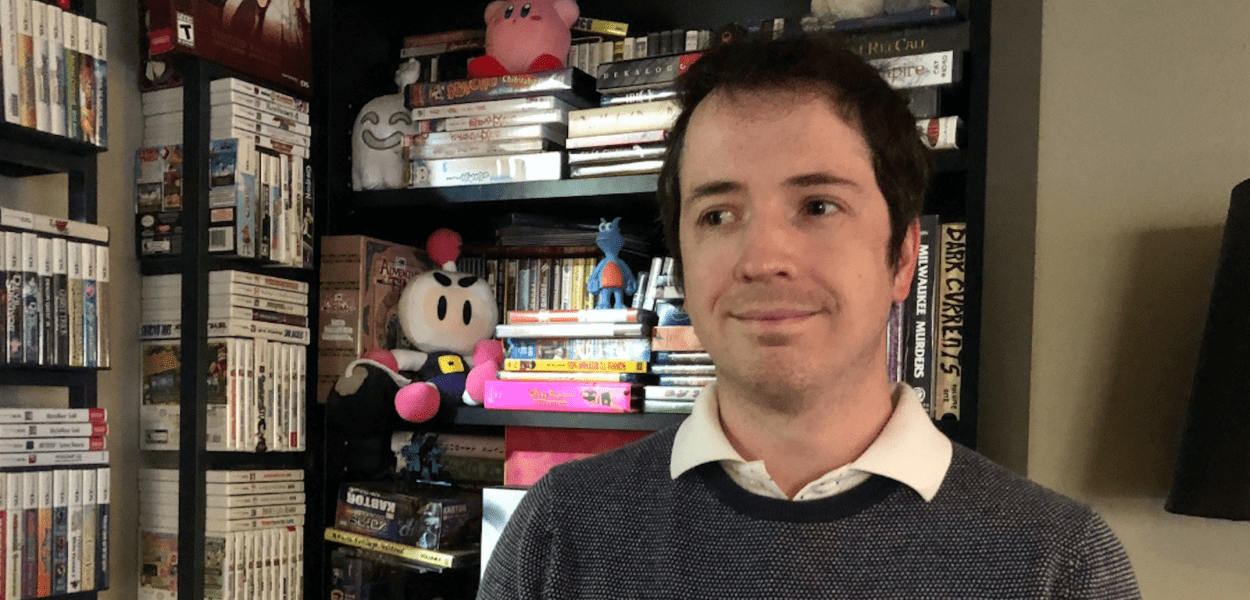
Greg Carlson Interviews Filmmaker Toby Jones About Movie Collecting