
“‘Bye Bye Love’ is very enjoyable, but its central story is neither as involving or as subversive as it perceives itself to be when leaving the frankness of its bedroom scenes behind.”

“Whether it’s Holkham Wood or the stone circle at Avebury, British folk horror frequently uses the eeriness of empty, liminal spaces to evoke a sense of psychological unease.”

“May was banished at a time when male auteurs were granted an unprecedented amount of latitude. She was treated as a liability rather than a maverick, and it’s difficult not to read that assessment as gendered.”

“‘Il Grido’ is about a man’s utter inability to comprehend the modern world and adapt to it. The end result is a hopeless, pitiful film, and that’s meant as a compliment.”
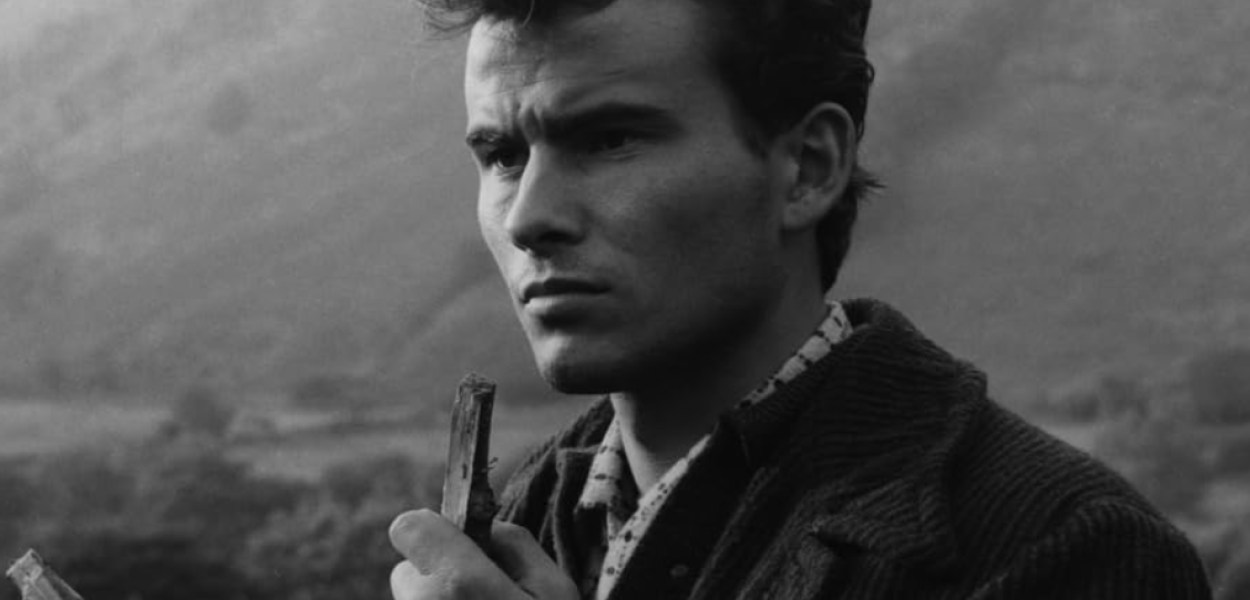
“Tiger Bay as a state of mind may be long gone, but ‘Tiger Bay’ the film remains a document of a place long turned to rubble. And what vital documents.”

‘Like many great crime films, ‘Only the River Flows’ makes full use of its setting, delivering a grimy and ugly story that suits its grimy and ugly central location.”

“Gould’s persona upended traditional notions of cinematic masculinity in its appeal to a generational fatigue and ambivalence; his sexual magnetism eschewed the amatory codes of the traditional leading man.”
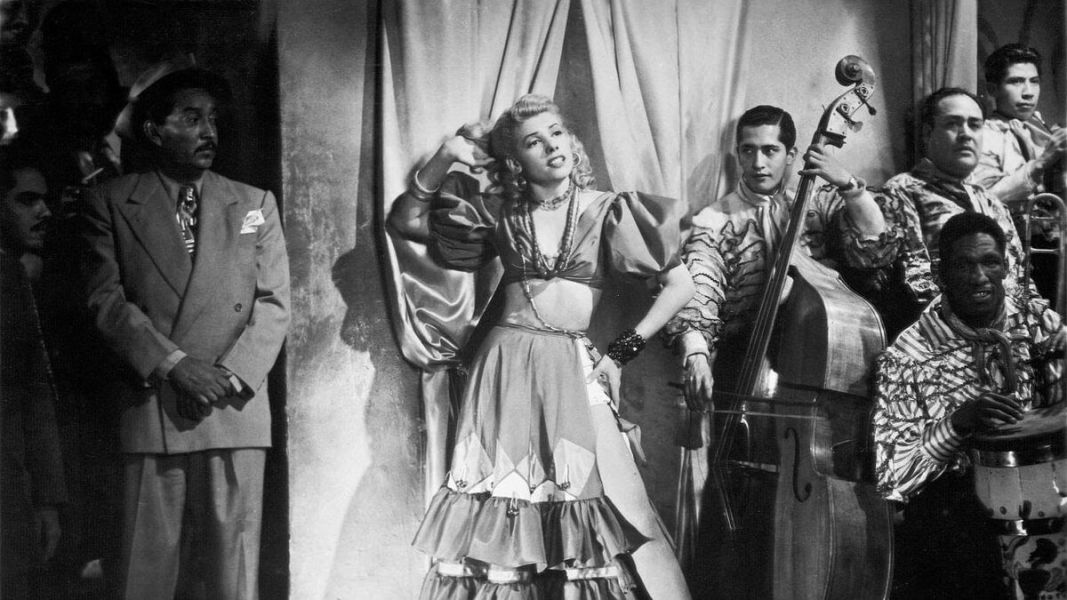
“‘Victims of Sin’ certainly is a product of its time and place in regard to its prescriptivism, but Fernández’s movie far surpasses its simpler elements because of its rather glorious and noirish textures.”
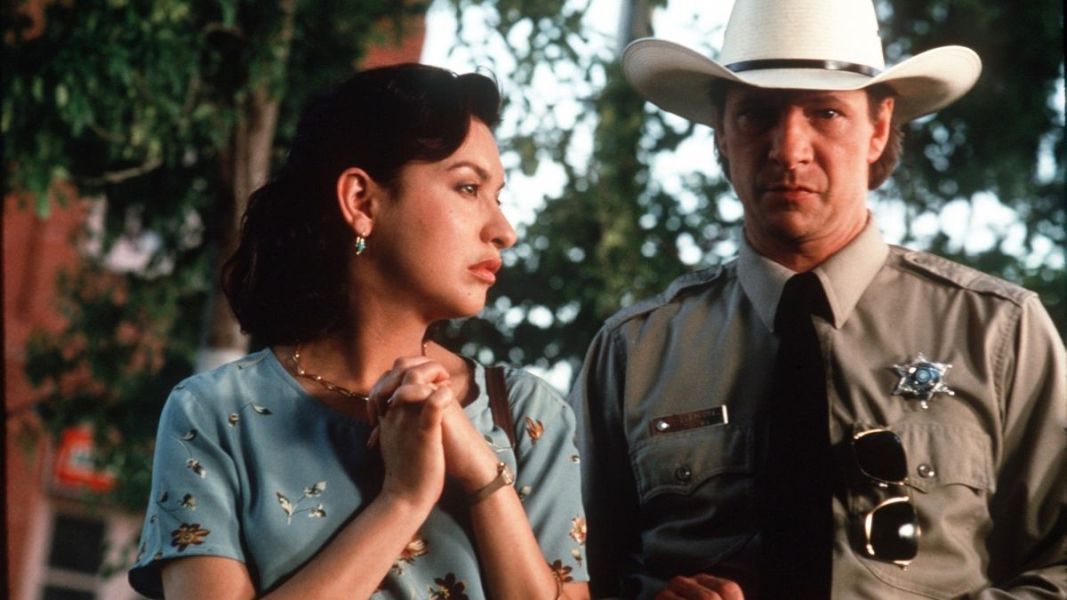
“The genius of Sayles’ ‘Lone Star’ is that the film envelops its difficult, knotty questions about history, identity and geography without any didacticism.”
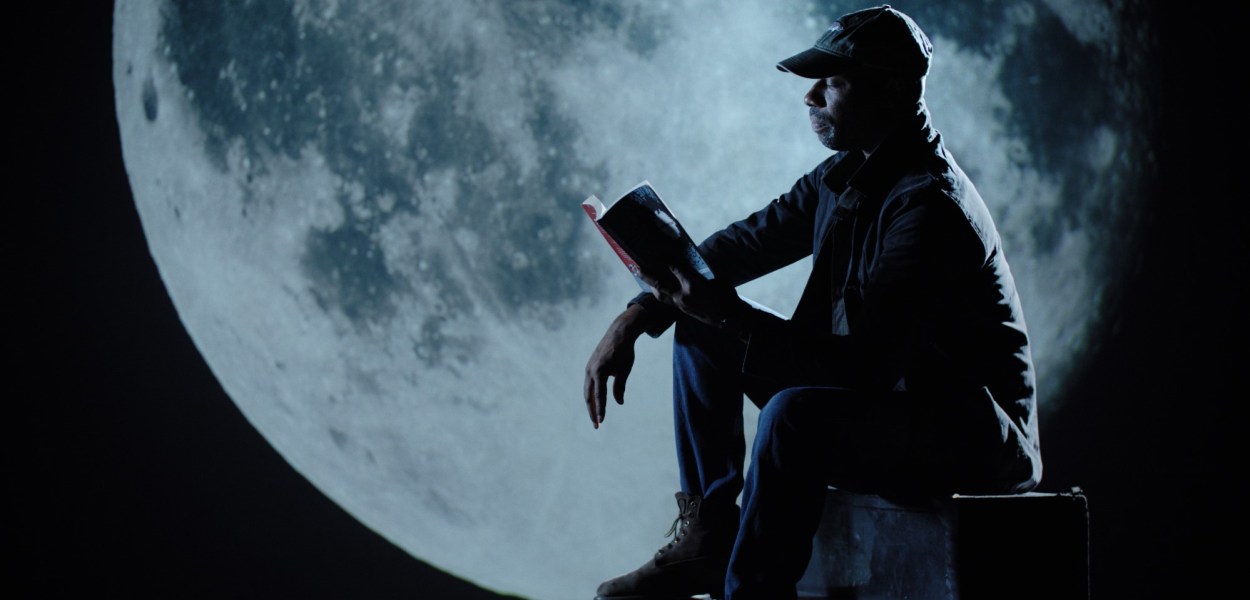
“Being multiple things at once is what makes Everett’s novels, but also his other art, so intriguing. ‘Through the Writer’s Mirror’ is its own process of plate spinning. It is its own juggling act.”

“Many of the best crime films make a virtue of the specificity of their location. Few, however, are as specific as ‘Salvatore Giuliano,’ nor are they as cognizant of how the central locations effect the story.”

“Gish speaks confidently and passionately about acting in Sanders’ American Masters documentary, but perhaps the most intriguing moments emerge when she discusses her love for film preservation…”
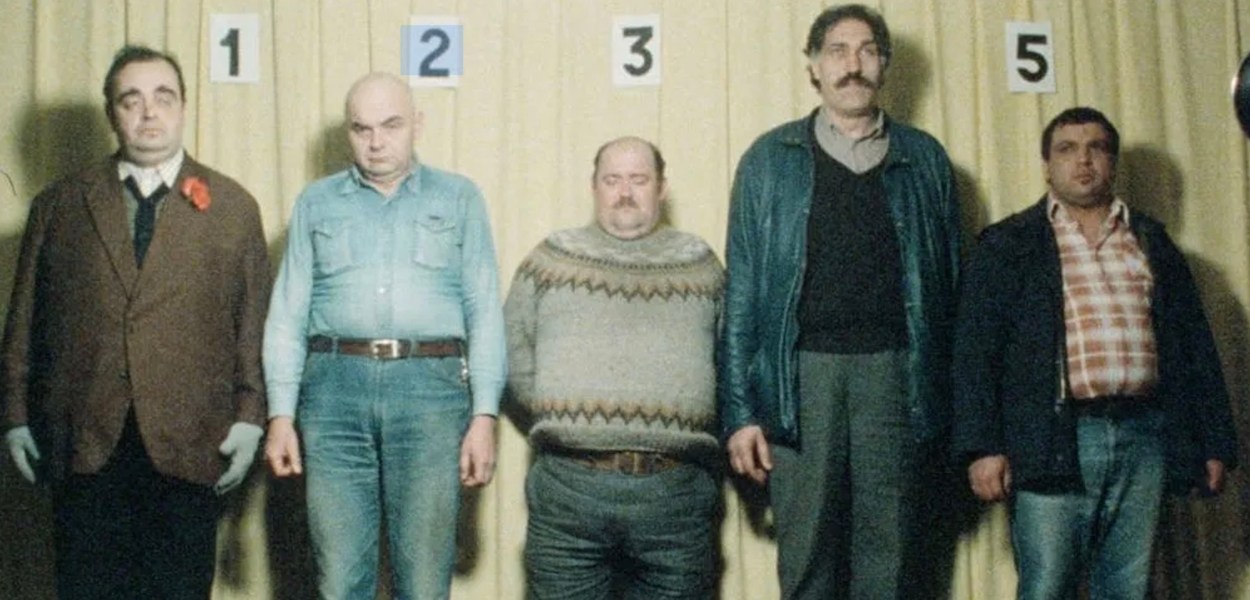
“‘Strangler vs. Strangler’ is somewhere between the avant-garde and the absurd: a perfect description of Belgrade itself.”

“My TCM Fest weekend, packed full of classic movies, was not only a fun experience in April 2024, but it made me feel hopeful that film preservation is alive and well, and that these beloved — if occasionally dusty — pictures aren’t going anywhere.”

“The spatial detail in ‘Five Deadly Venoms,’ aided by Chang’s sharp sense of timing, helped the film become a surprisingly labyrinthine vision of camaraderie in the face of corruption and power.”
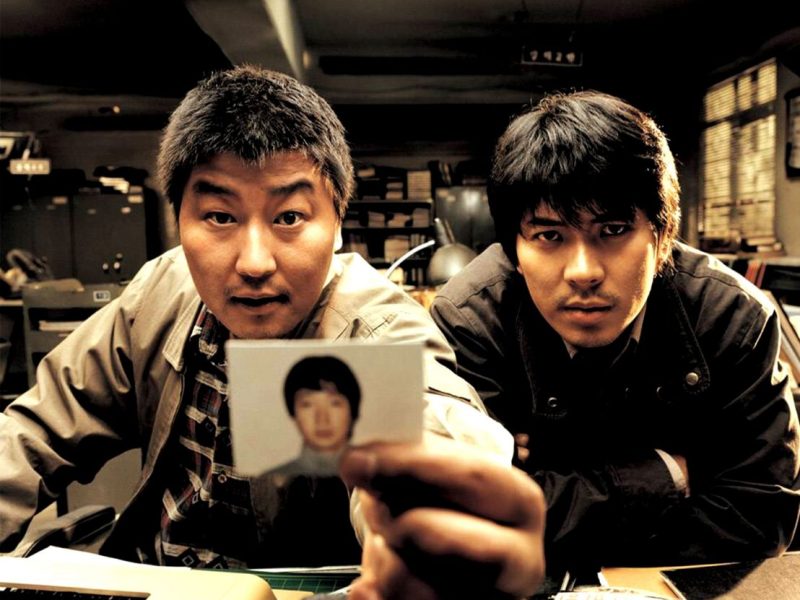
“It’s a sense of Korean specificity that defines ‘Memories of Murder,’ which is still the best of Bong’s films.”
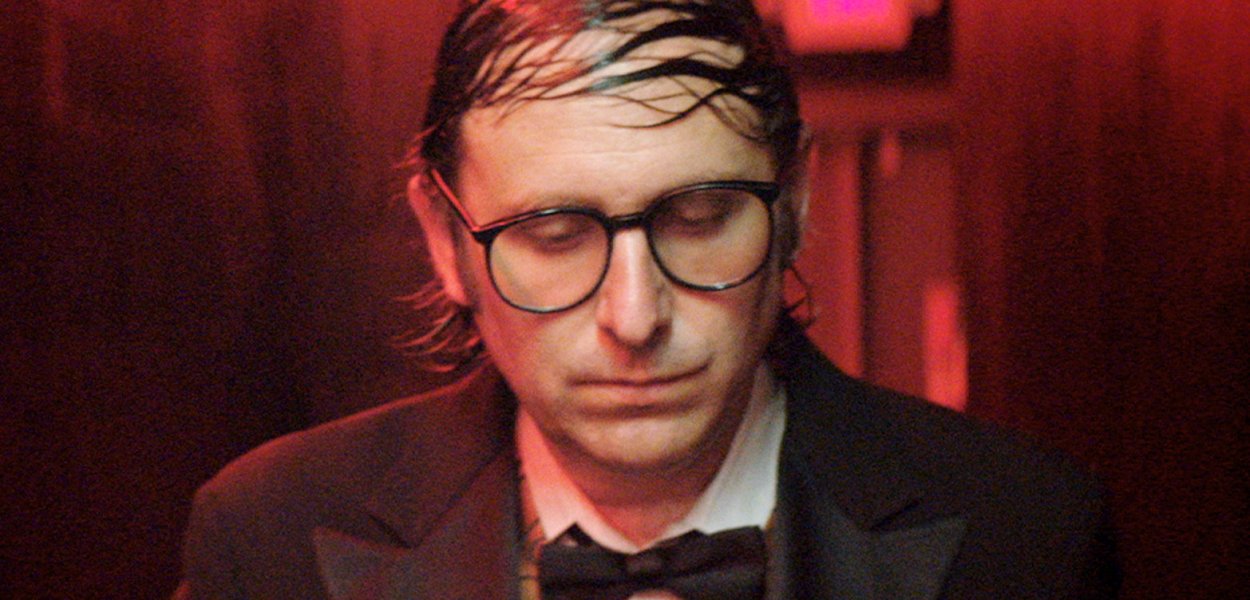
“In Alverson’s hands, anti-comedy becomes a new kind of gothic — it is the world viewed through a warped, sinister lens; a fresh excavation of the unspeakable through outsized comedic strategies.”

“‘Amores Perros’ is almost entirely disinterested in its central location. It feels like a film made not to speak truth to Mexican audiences, but to present a hyperreal version of Mexico for international audiences.”

“‘In Our Day’ shows that even a smaller Hong Sang-soo film, like the smaller moments of life that it portrays, can be just as rich with drama, sadness and beauty as any other, and that every fragment contains so much of the whole.”

“‘The End We Start From’ is a contained version of the violent, end-of-world tales we have grown accustomed to. In its quiet examination of a woman’s journey to motherhood, the questions that surround the subject are writ large on the story.”
