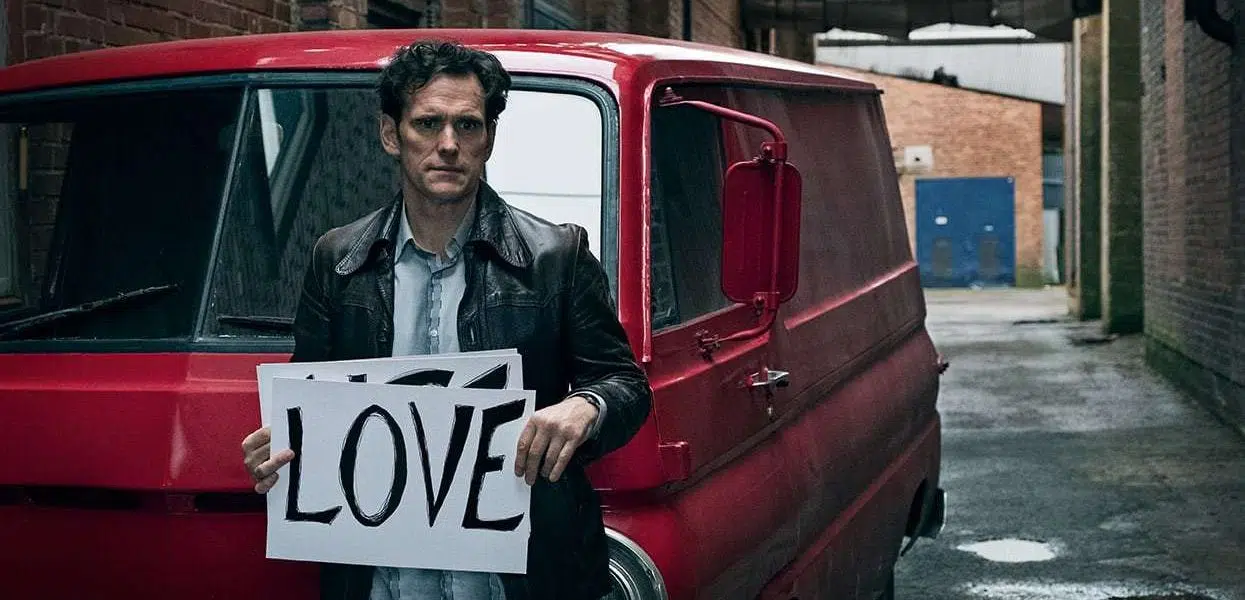
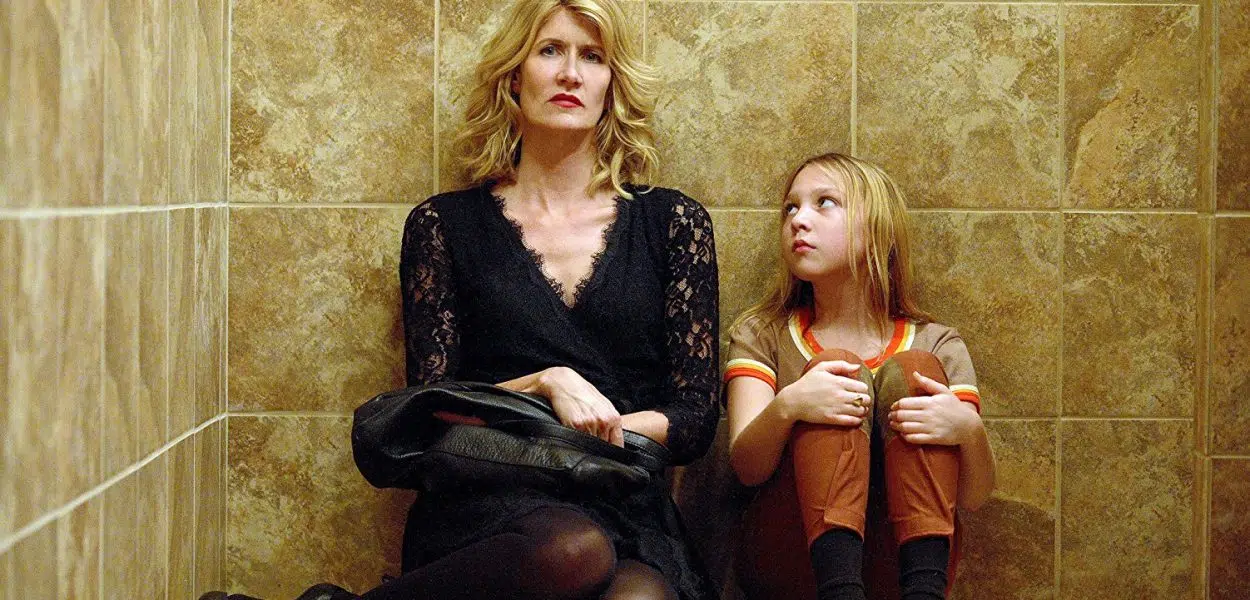
“Perhaps dismissing von Trier’s work is the right course of action for those that have never found anything to connect to in his films. As for the rest of us (women)… the relationship will only continue to take warped, strained forms.”
“The presence of Binoche in ‘Let the Sunshine In’ is a bit of brilliance that taunts and challenges the viewer; if Isabelle can’t find lasting, fulfilling tenderness and companionship, what chance do the rest of us have?”
“‘The Deer Hunter’ encapsulates a commanding representation of a precise period in American history, a precise location and precise types of men — somewhat clichéd, yes, but remarkably representative.”
“Liminality is the coin of Martel’s realm in ‘Zama,’ and she manages to make the excruciating uncertainty of the long pause an engrossing experience for the audience…”
“Over 71 neatly-distilled minutes in ‘Those Who Are Fine,’ Schäublin emerges as an artist with a keen analytical eye and a knack for mischief hidden beneath layers of despondency and detachment.”
“Whether ‘All the Creatures Were Stirring’ becomes a festive must-watch remains to be seen, but there’s enough to enjoy for it to be a part of horror fans’ yearly rotation.”
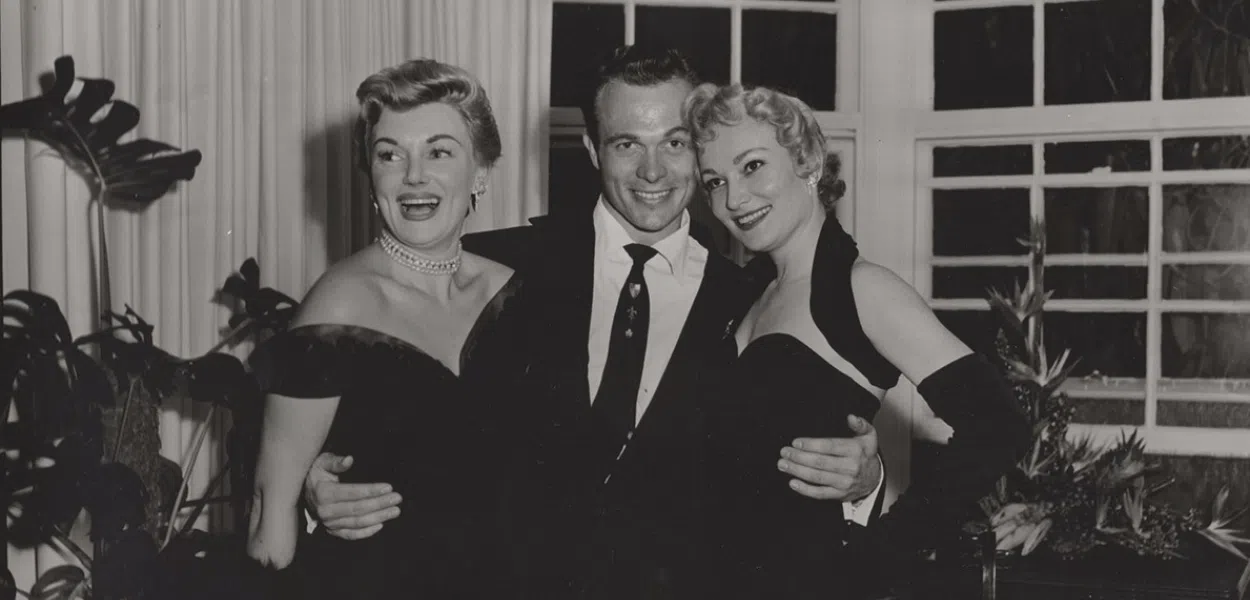
“‘Scotty and the Secret History of Hollywood’ presents Bowers as a credible authority, but the breadth and depth of the anecdotes leaves it all up to the viewer to accept or reject.”
“For many, McQueen’s stylishness will help excuse the rubbery plot holes, lapses in logic and farfetched surprises that might lead some to wonder how ‘Widows’ might have unfolded as a leaner, tighter operation.”
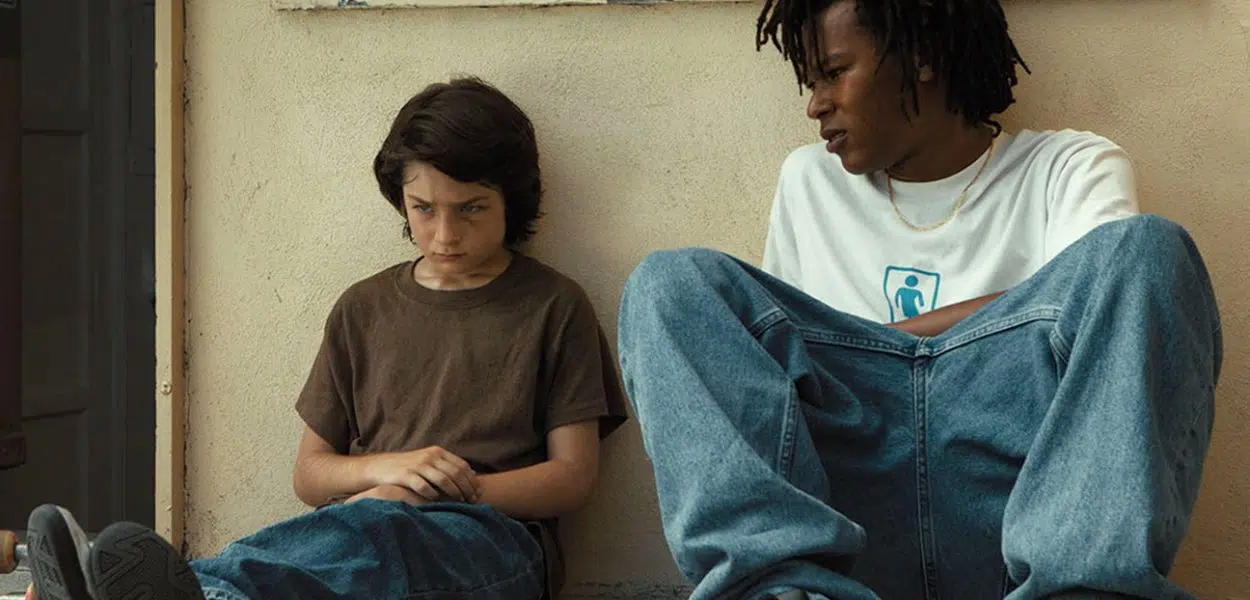
“‘Mid90s’ has drawn some comparisons to Harmony Korine (who makes a cameo in Hill’s film) and Larry Clark’s ‘Kids,’ but Hill’s worldview is far less toxic and dangerous than the grimmest territory explored in the 1995 movie.”
“‘Filmworker’ will be sought by Kubrick completists, but the movie also appeals to anyone who has been seduced by the process of motion picture making.”
“As much as ‘Hoop Dreams’ concerns the sports-centric plight of William and Arthur, it is perhaps even more significantly an illustrative case study of what perpetually imperils men (and women) of a certain social, economic and racial constitution.”
“Fargeat is almost saying, ‘well, if you want to look at her, you must look at her no matter her condition.’ It is a grotesque way of calling out the male gaze, but it is an effective one.”