Review: Pat Mills’ ‘The Retreat’
“While having gay leads is a refreshing inclusion in a genre that has historically excised or executed them, Mills’ movie is a toothless response to the ‘bury your gays’ trope.”


“While having gay leads is a refreshing inclusion in a genre that has historically excised or executed them, Mills’ movie is a toothless response to the ‘bury your gays’ trope.”

“Everything about ‘Seance’ is loudly, proudly feminine and female focused… if one didn’t know this was Barrett’s work, it could easily be mistaken for that of a female filmmaker, which is no small feat.”

“Comic book adaptations are by no means an easy task, but Robert Kirkman and his co-producers achieve a soaring success with the Amazon Prime series ‘Invincible.'”

“Seidl has produced many scenes of lengthy sexual humiliation or nasty perversion, but they are stories of the world that are drawn from the horrible truth of human behaviour.”

“Coppola may generalize in ‘Mainstream,’ but her specifications are plenty insightful and perhaps truthful.”

“Sure, ‘Saint Maud’ can be called a horror film, but it is equally a psychological drama that gets a lot of mileage from a tried and true trope: the shifting power dynamics in a superior/subordinate relationship.”

“For all the activists’ fevered activity, ‘And Tomorrow the Entire World’ completely sidesteps the exploration of political ideas and ideology beyond the simple urge to thump Nazis or argue with racists.”
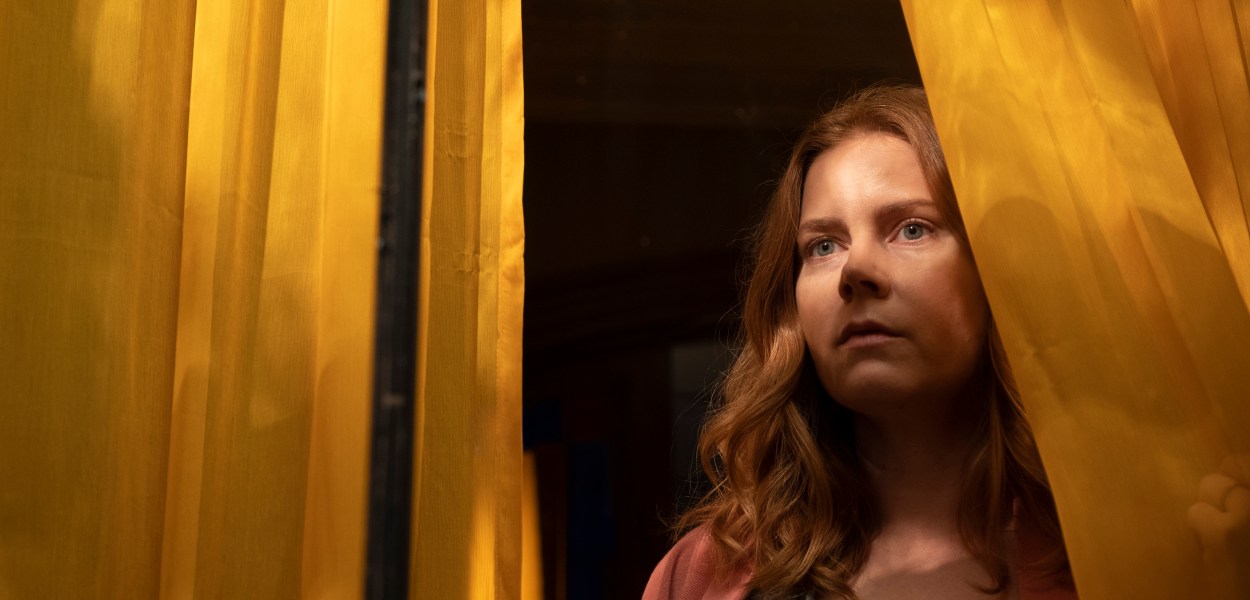
“While Wright’s stylized execution is impressive, ‘The Woman in the Window’ is a yarn that never fully grabs its audience by the jugular.”

“Bellocchio’s 1986 film ‘Devil in the Flesh’ is perfectly representative of the great Italian director’s outlook.”

“‘Fried Barry’ is busy and overstuffed, but it’s also an incredibly promising and deeply weird reinvention of the body invasion thriller; a strange, disorienting and ultimately rewarding experience.”

“Oxygen’s relevance strikes like lightning in a year when time is measured less by Earth’s tilt and more by first wave, second wave, red phase, yellow phase; not by time passing daily, but by how much danger remains in the room.”

“Ben Sharrock’s entracing new film ‘Limbo’ is a perceptive and earnest work.”

“Rob Garver’s ‘What She Said: The Art of Pauline Kael’ is a worthwhile biography of a fascinating life led with purpose and conviction.”

“‘Monster’ seems like it doesn’t trust itself to connect with viewers without over-explanation.”

“‘Queen Marie’ may not be a modern historical classic, but its wink-of-the-eye moments subtly inform the audience about the filmmakers’ intent. That, I can appreciate.”

“Taking its cues from the later Chucky movies, ‘Benny Loves You’ embraces the inherent insanity of the premise, setting it free in a similar manner to how the titular toy runs riot.”
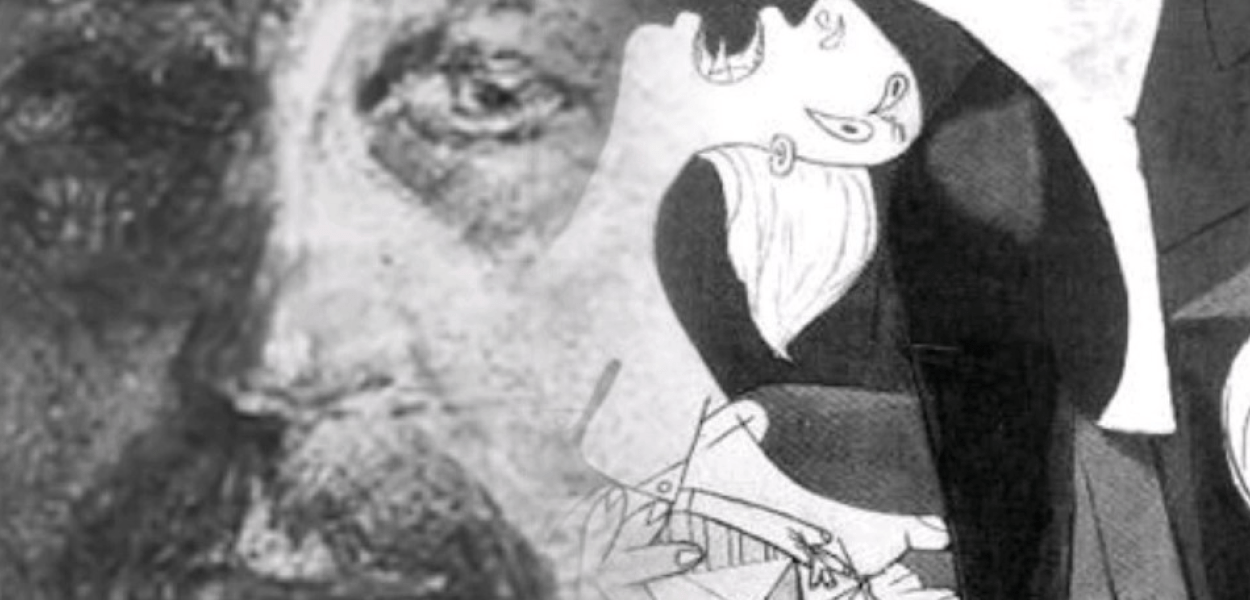
“If ‘Gauguin’ and ‘Guernica’ shine a light on their respective subjects, they also present a key part of Resnais’ own development as an artist.”

“Yimou Zhang’s ‘Cliff Walkers’ looks amazing but suffers from poorly-written characters and stiff performances.”

“Together Together’s rumination on difficult work, new friendships and social bonding captures a pandemic mood, and works as a welcome addition to the niche genre of surrogacy cinema.”

“Don’t be surprised if ‘Street Gang: How We Got to Sesame Street’ leaves you wanting more — that’s often the mark of something special.”