Review: Mickey Reece’s ‘Climate of the Hunter’
“‘Climate of the Hunter’ is fatally enthralled by its own bizarre, overwrought stylistic tics, from the exaggerated performances aiming squarely for the cheap seats to the Wes Anderson-style PSAs…”

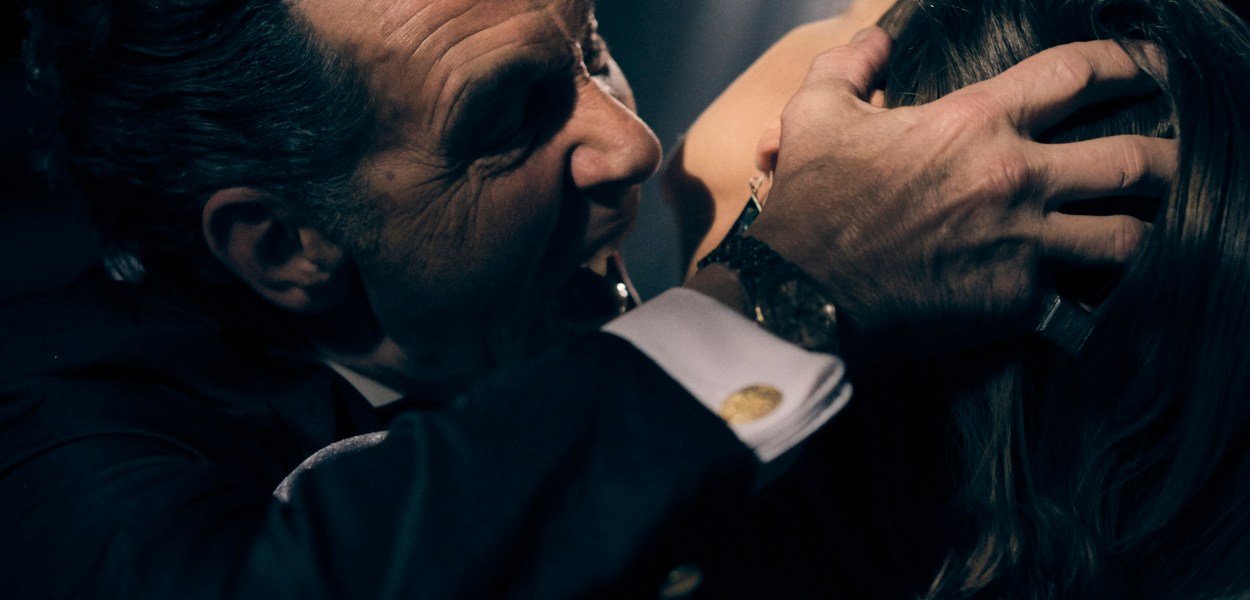
“‘Climate of the Hunter’ is fatally enthralled by its own bizarre, overwrought stylistic tics, from the exaggerated performances aiming squarely for the cheap seats to the Wes Anderson-style PSAs…”

“‘Freaky’ is uneven, but it has moments of magic.”

“‘Anything for Jackson’ is a perfect example of wasted potential, as the film contains some solid elements that Dyck fails to build upon.”

“Even if ‘Lingering’ is ultimately a disappointing experience, it promises much in the future from Yoon and the crew.”
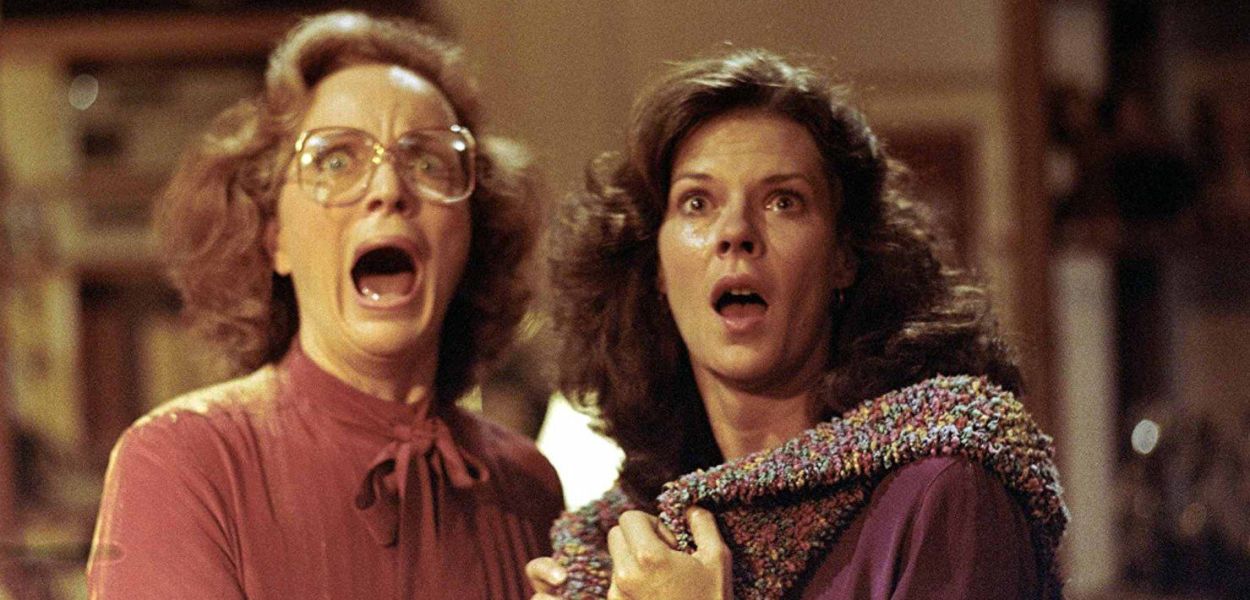
“The ‘Poltergeist’ films will remain eternally relevant as long as America and other countries keep making the same tragic mistakes over and over again, building their own haunted houses for spirits to eventually consume from within.”

“The six major theatrical adaptations of Phantom’s story cover a wide realm of romantic horror, fully exploiting the themes and concepts within the character.”
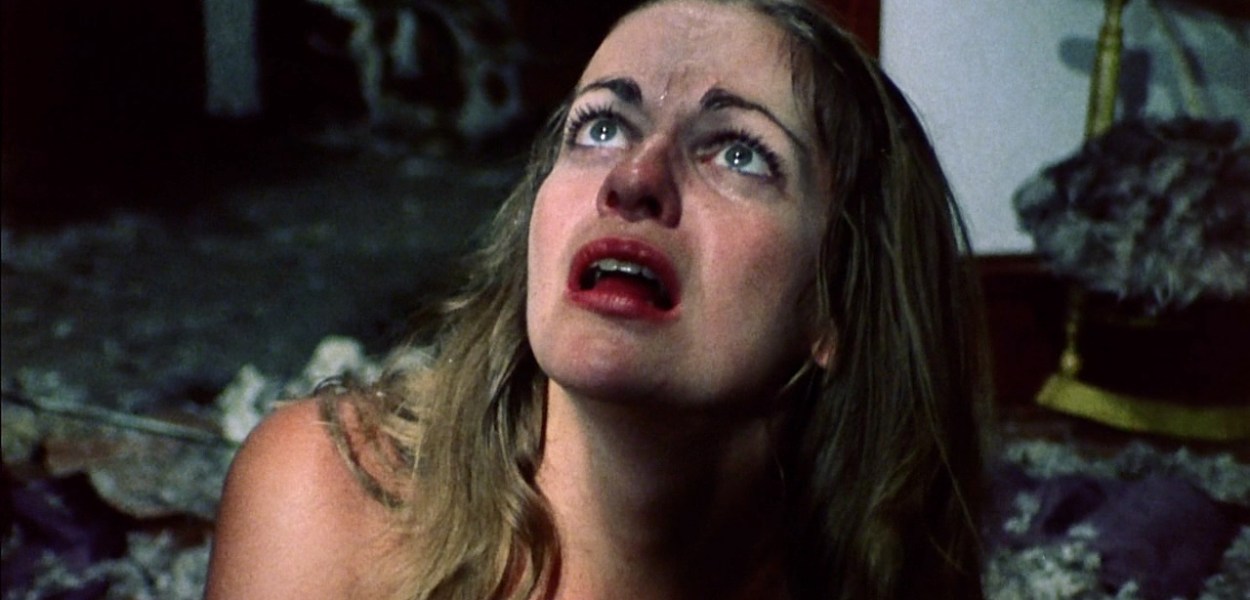
“Under its brutal dissembling of anthropocentrism and customary moral divides, ‘The Texas Chain Saw Massacre’ points to the terror of a harsh and uncaring universe.”

“Santa Sangre’s themes of empathy and hope are uniquely personal for Jodorowsky, and they help bring the film’s horrors and bloodshed into perspective…”

Joey Keogh Interviews ‘The Expecting’ Director Mary Harron and Actress AnnaSophia Robb

“Spindell pays homage to many horror productions, yet his film is its own uniquely strange, inventive, entertaining and frequently frightening little monster.”
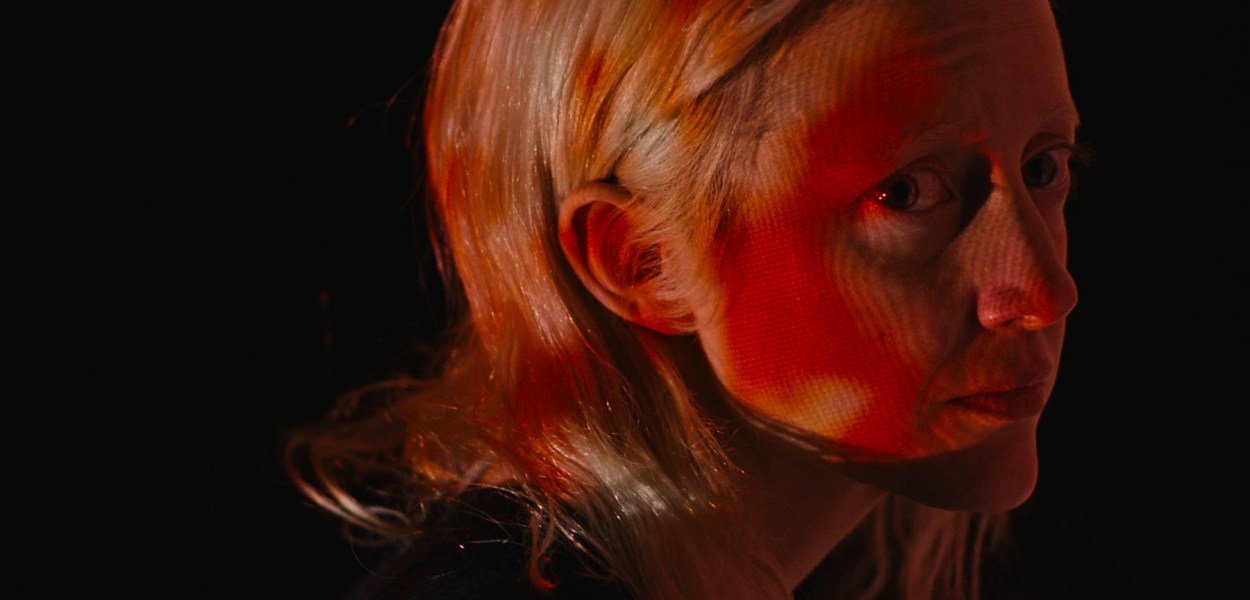
“There is so much stuff in ‘Possessor’ that you might think you’re at a venerable cinematic feast. But take away the squelching and splatter and there’s barely enough to fill an episode of ‘Black Mirror.”

“Many British micro-productions focus on Britain’s mud. ‘Rose’ shows us the frost.”
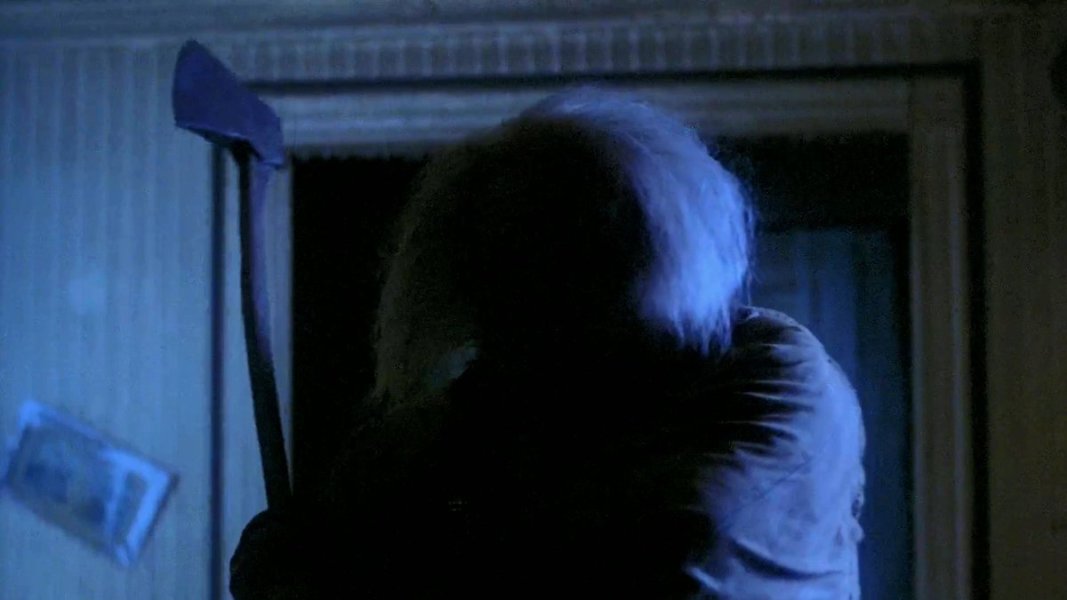
“‘Madman’ frequently flirts with boundary-pushing concepts but ultimately settles for clichés or, worse, just weasels out completely and falls flat on its face.”

“‘The Intruder’ interpolates the parts of Giallo without the scares, keeping true to the genre’s more strictly crime-oriented titles like ‘The Cat o’ Nine Tails.'”
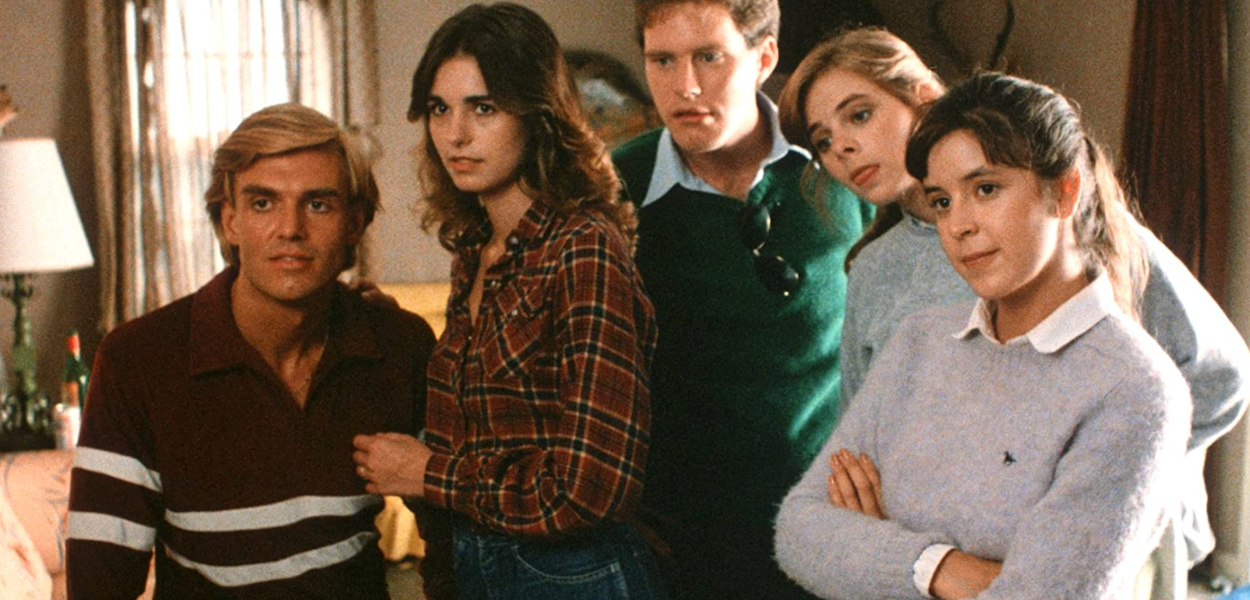
“Having the killer unmasked and identified is a fresh take on a well-worn trope, while the accidental matricide angle offers a unique, strong premise to kick-start the eventual mini-massacre.”
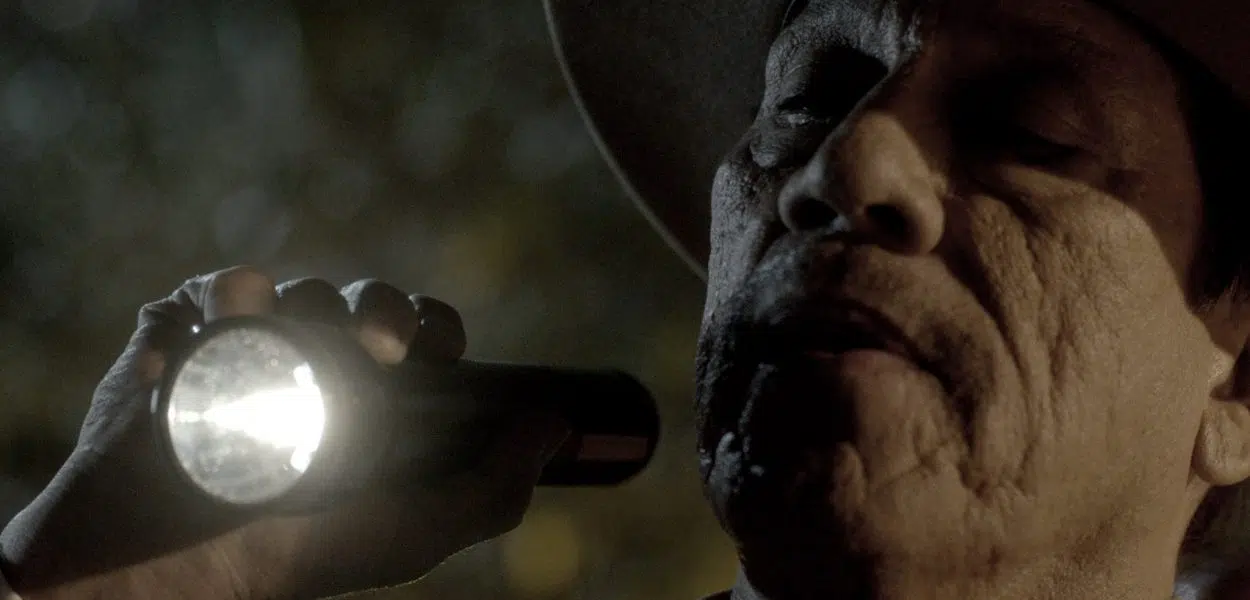
“‘Murder in the Woods’ is a slight but entertaining offering, sold completely and committedly by a talented cast of fresh, new faces and with a bonus appearance by the always-welcome Danny Trejo to boot.”
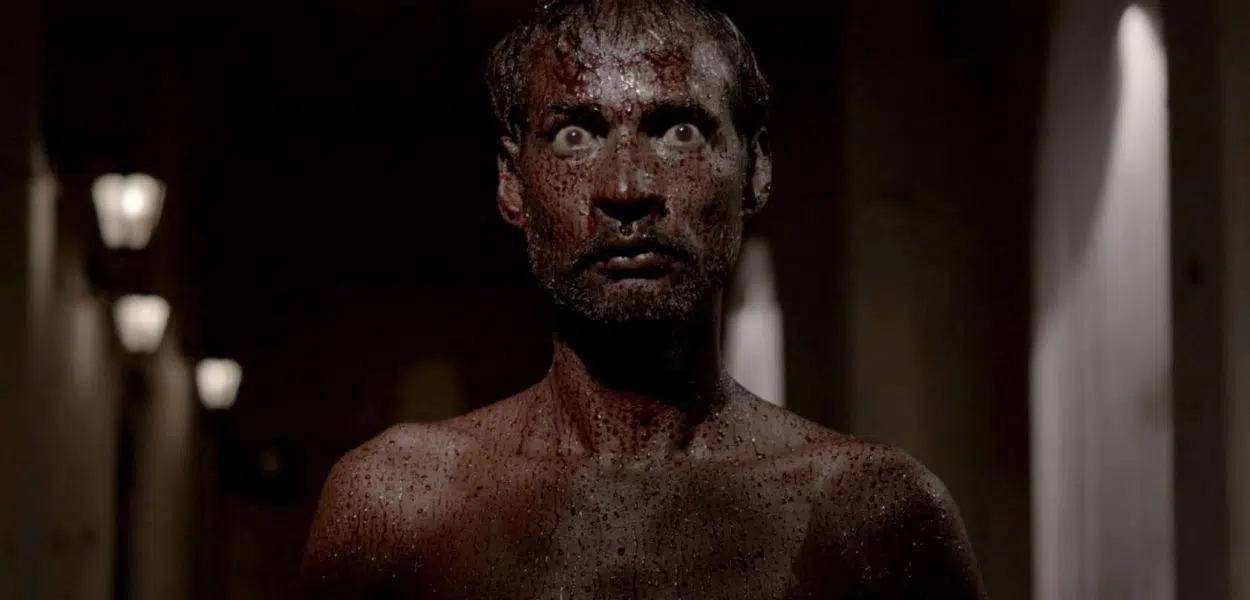
“Unfortunately, Kriya’s script is the weakest link. Much of the dialogue sounds like it was lifted straight from a soap opera, and the film occasionally veers into melodrama, which isn’t particularly becoming for a folk horror film set almost entirely in a single location.”

“Deerskin’s methodology might be new, but the central tenets of its 77 minutes are part of the same cinematic heritage that created Jim McBride’s indie darling ‘David Holzman’s Diary’ (1967) and Krzysztof Kieslowski’s ‘Camera Buff’ (1979).”
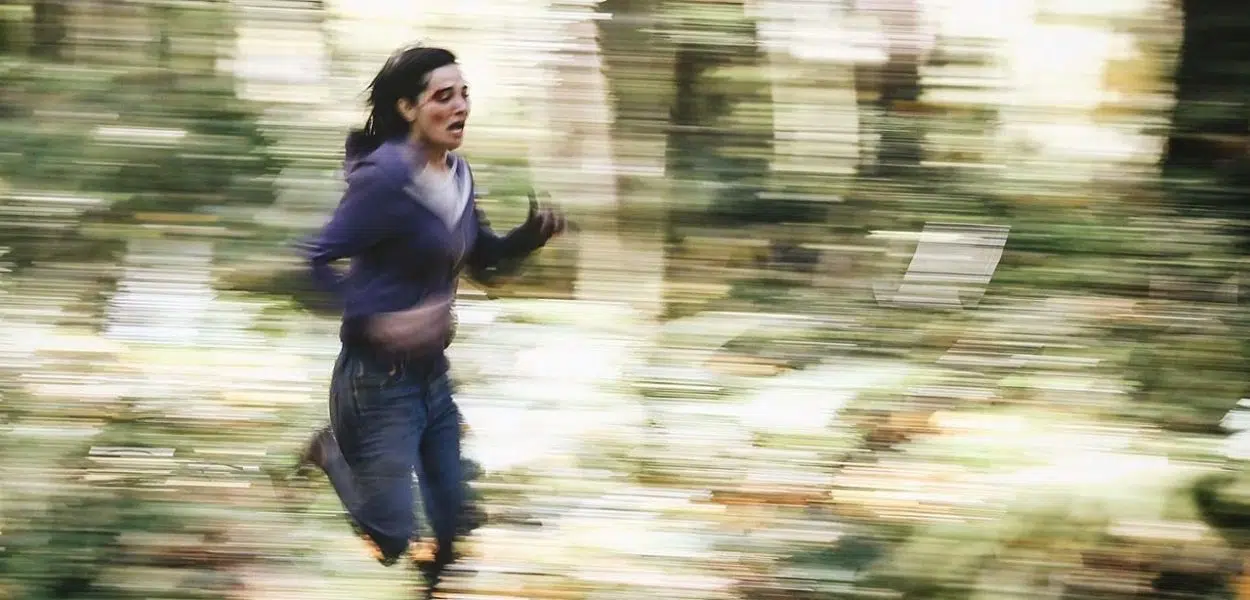
“Even seen without the lens of current events, ‘Alone’ is a harrowing experience that earns its power by being uncomfortably credible.”
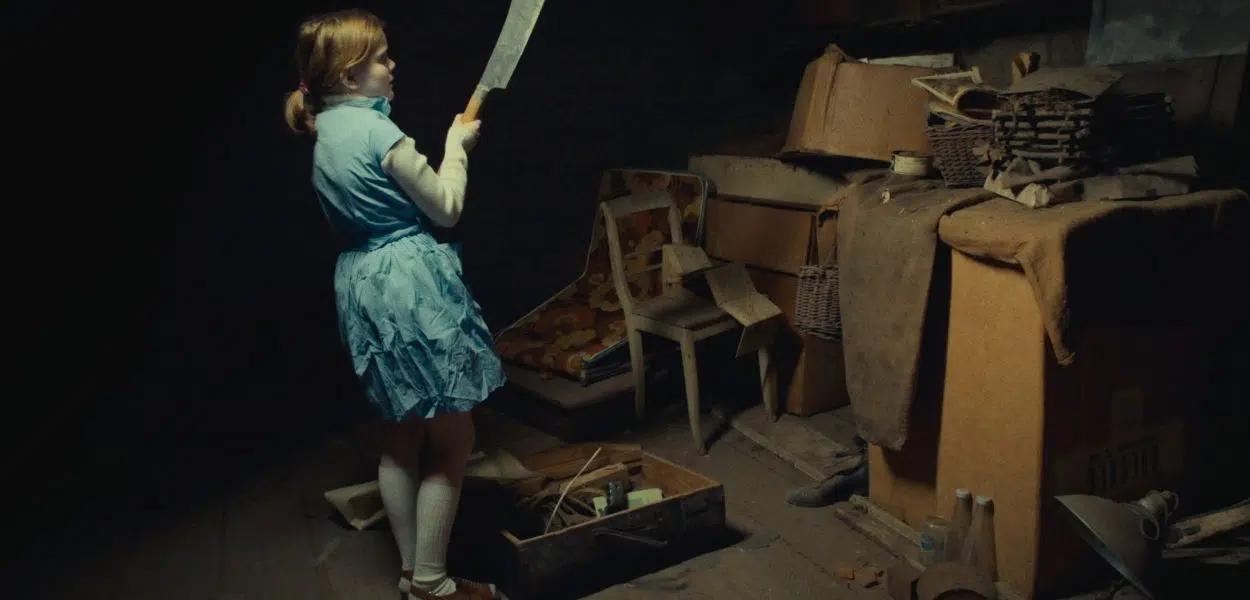
“It may seem strange to qualify Mertens’ audaciously original production as ‘horror’ when it has no gory set pieces, jump scares, monsters or special effects. Yet, despite a lack of these things, ‘Time of Moulting’ is very much a horror film.”