Crime Scene #5: ‘Branded to Kill’ and Tokyo Teardowns
“Discordant, broken, berserk: ‘Branded to Kill’ refuses all direct relations with geography in its depiction of a career hitman on the verge of losing control.”

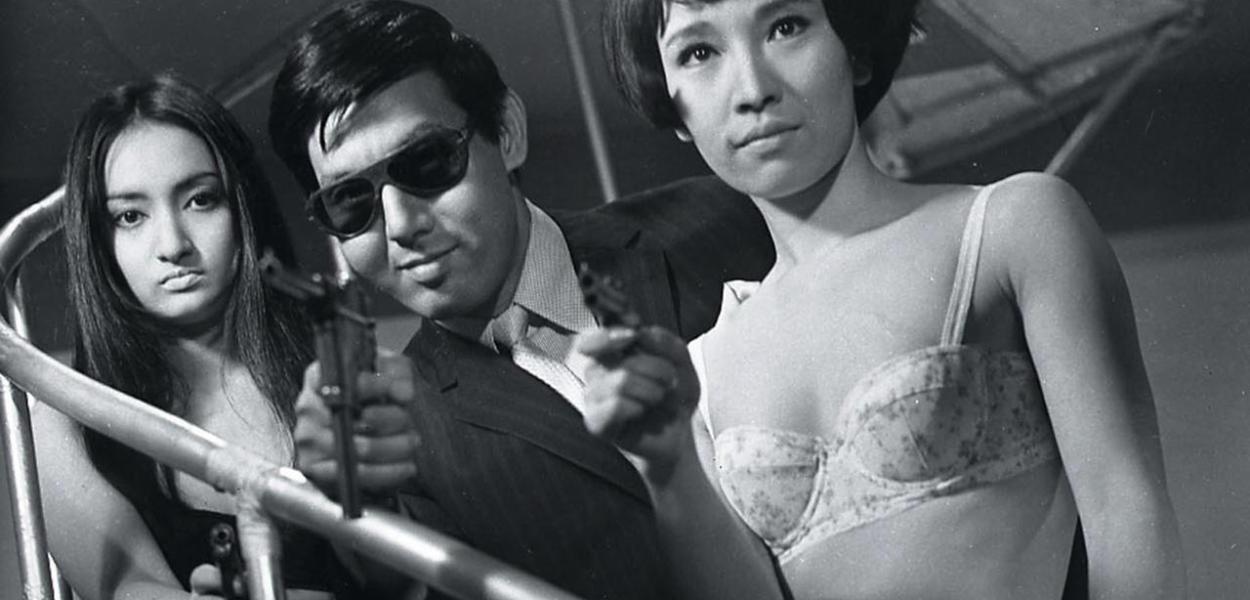
“Discordant, broken, berserk: ‘Branded to Kill’ refuses all direct relations with geography in its depiction of a career hitman on the verge of losing control.”

“While Suzuki’s overly-stylized and sometimes incomprehensible films ultimately led to his termination from Nikkatsu in 1968, his legacy safely lives on in modern day Japanese cinema…”
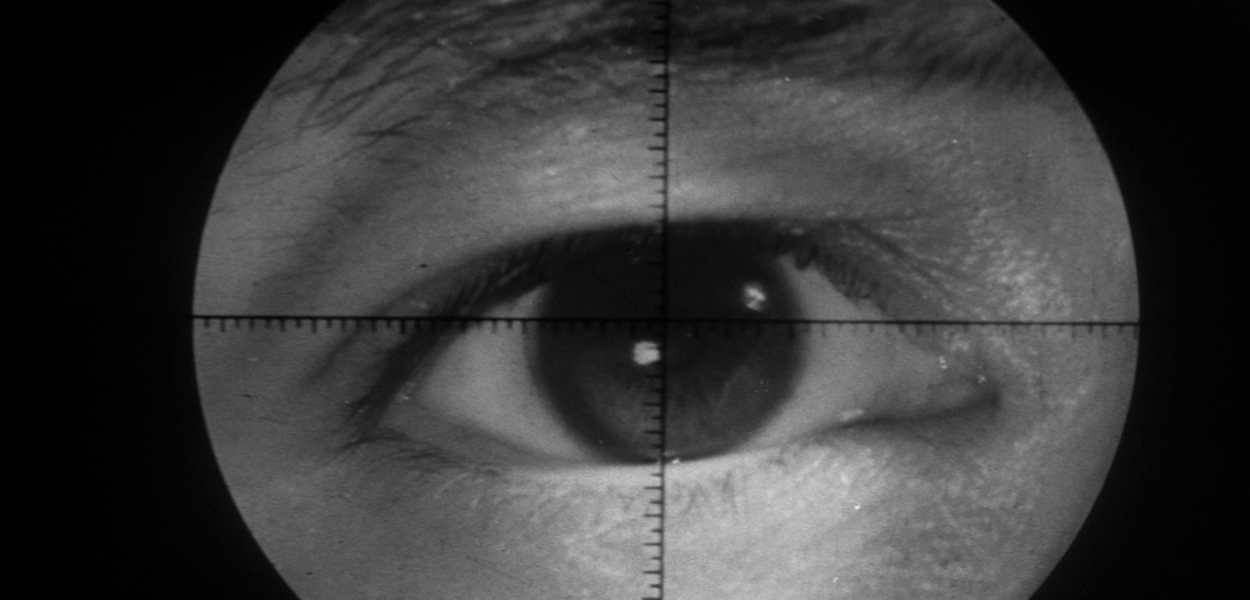
“‘Branded to Kill’ doesn’t flow, it staggers — it moves like a dying man, shot through the gut, bleeding out.”

“Occupying a middle space between the classicism of Japan’s most well-known filmmakers and the politically charged avant-garde of the New Wave, Suzuki uses the trappings of noir to explore the ramifications of isolation.”
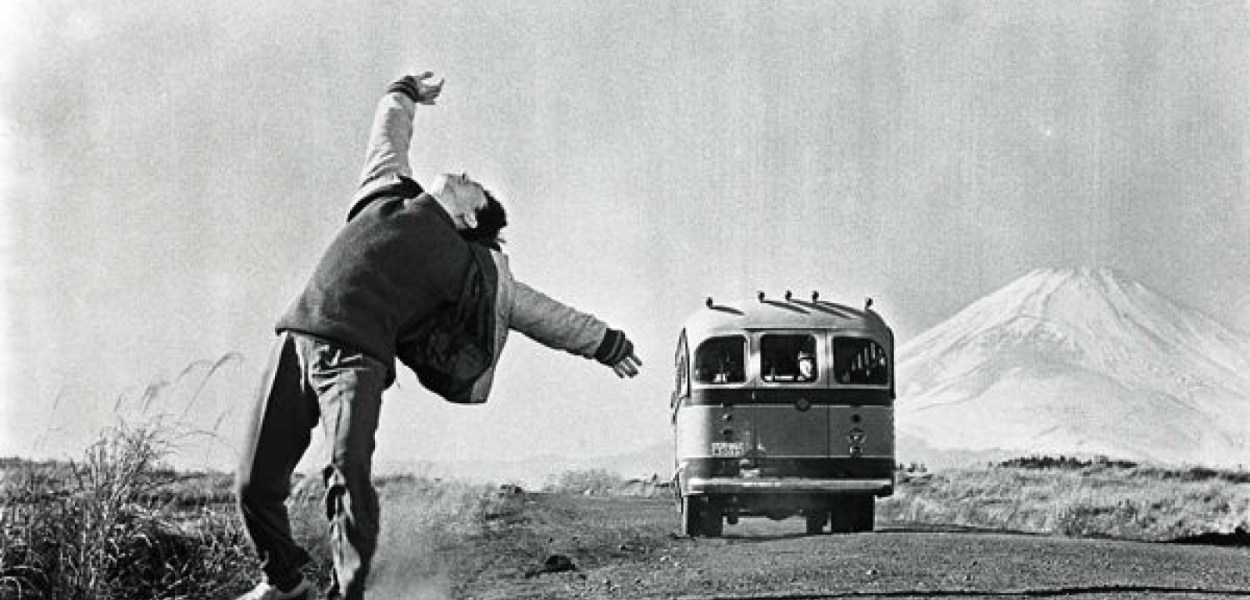
“A blueprint for Suzuki’s later masterpieces, ‘Take Aim at the Police Van’ is a solid cinematic vehicle full of suspense and surprises.”
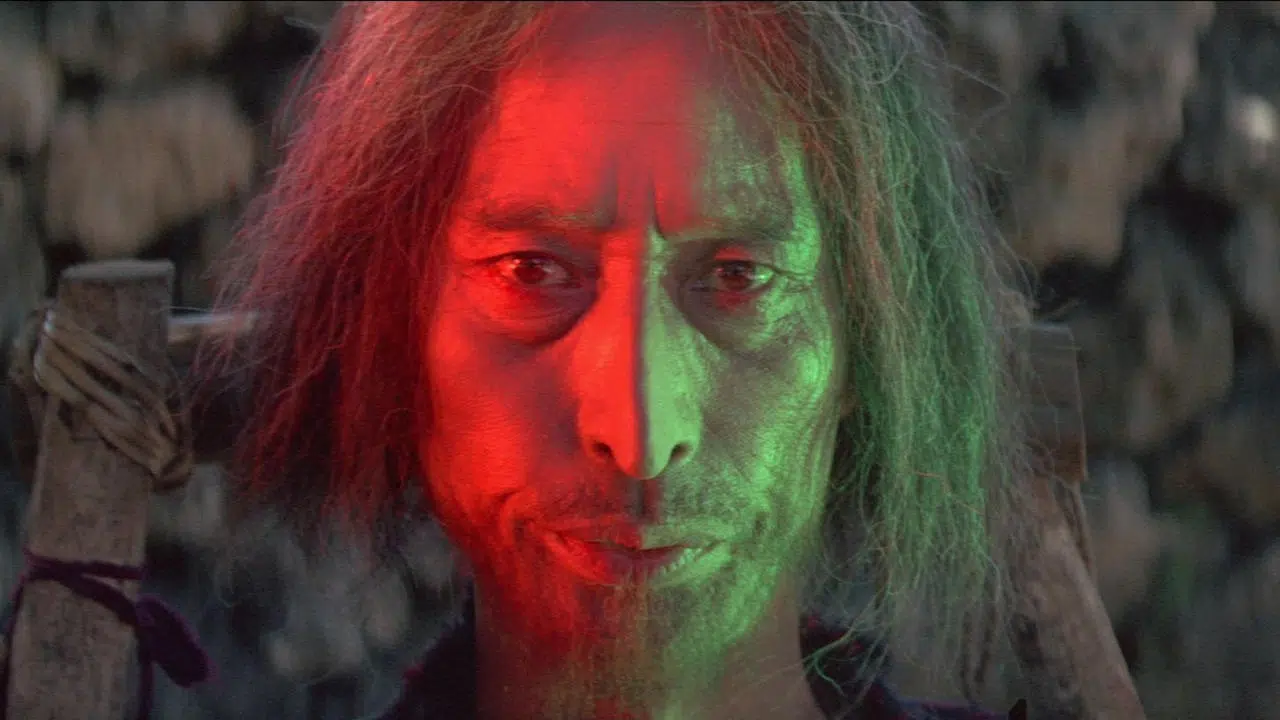
“Throughout much of his 60s work, Imamura often examined the balance between ordinary and unordinary people, and in The Profound Desire of the Gods, he finds an exceptional way of highlighting the extremity of this concept.”