At the Cinémathèque: ‘In the Realm of the Senses’ (Nagisa Ôshima, 1976)
“In the forbidden, Oshima reveals the fear of our own meaninglessness and our inability to face death as a certainty.”


“In the forbidden, Oshima reveals the fear of our own meaninglessness and our inability to face death as a certainty.”

A Weekly Column on Love and Erotica in Cinema by Justine A. Smith

“Much of Au hasard Balthazar’s transcendental value derives from its explicit openness to theological interpretation, particularly given Bresson’s oft-commented upon Catholicism and some of the film’s more overt symbolism.”

“The film identifies the dark heart of summer, the humid stagnation and sense of dread that is the season’s essence.”

“‘The Childhood of a Leader’ may not behold a traditional narrative, yet Corbet’s auterist style creates a memorable visceral effect.”

A Column on Film Criticism by Justine A. Smith
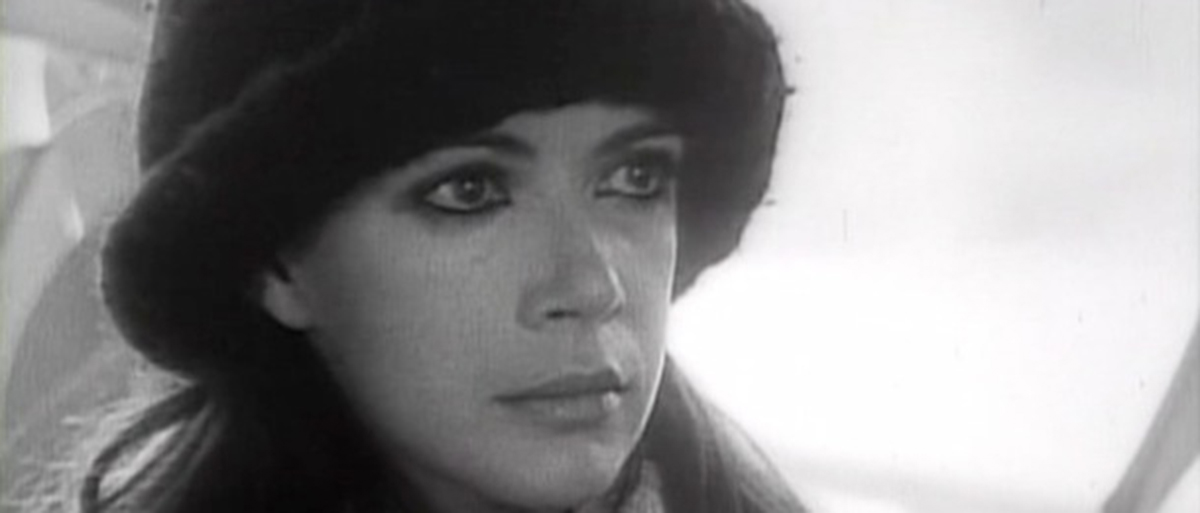
“A deeply affecting and personal vision, it’s an essential entry in the history of eroticism in Canadian cinema.”

A Weekly Column on Love and Erotica in Cinema by Justine A. Smith

A Weekly Column on Film Criticism by Justine A. Smith

“As reference humor and pop song needle drops become ironic jokes in and of themselves, stories like Kubo will outlive them all by having just a bit of substance behind the gags.”

“‘The Social Network’ is a history lesson, but ‘Easy A’ remains coldly ensconced in the here and now.”

“As formally challenging as ‘The Pillow Book’ may be, it romantically creates a love affair unbound by its physical limits, connecting it to past and present through art and literature.”

A Weekly Column on Love and Erotica in Cinema by Justine A. Smith

“Joel Potrykus has emerged as one of Michigan’s brightest sons.”

A Column on Film Criticism by Justine A. Smith

“In many ways, it’s like watching the Olympics. You may not understand every event or even grasp the differences between the best in the world or last place, but you respect the talent behind it.”
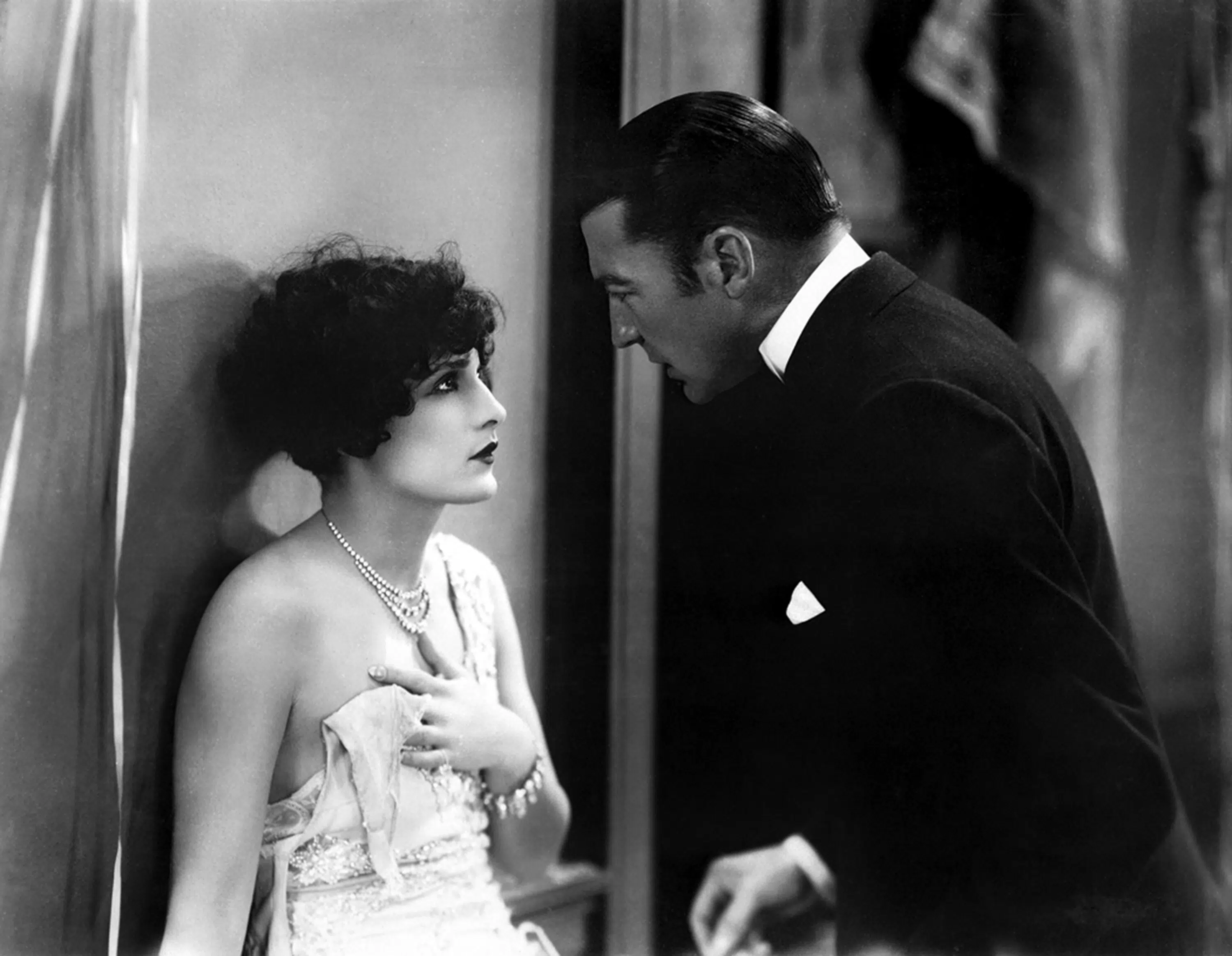
A Weekly Column on Love and Erotica in Cinema by Justine A. Smith

A Column on Film Criticism by Justine A. Smith
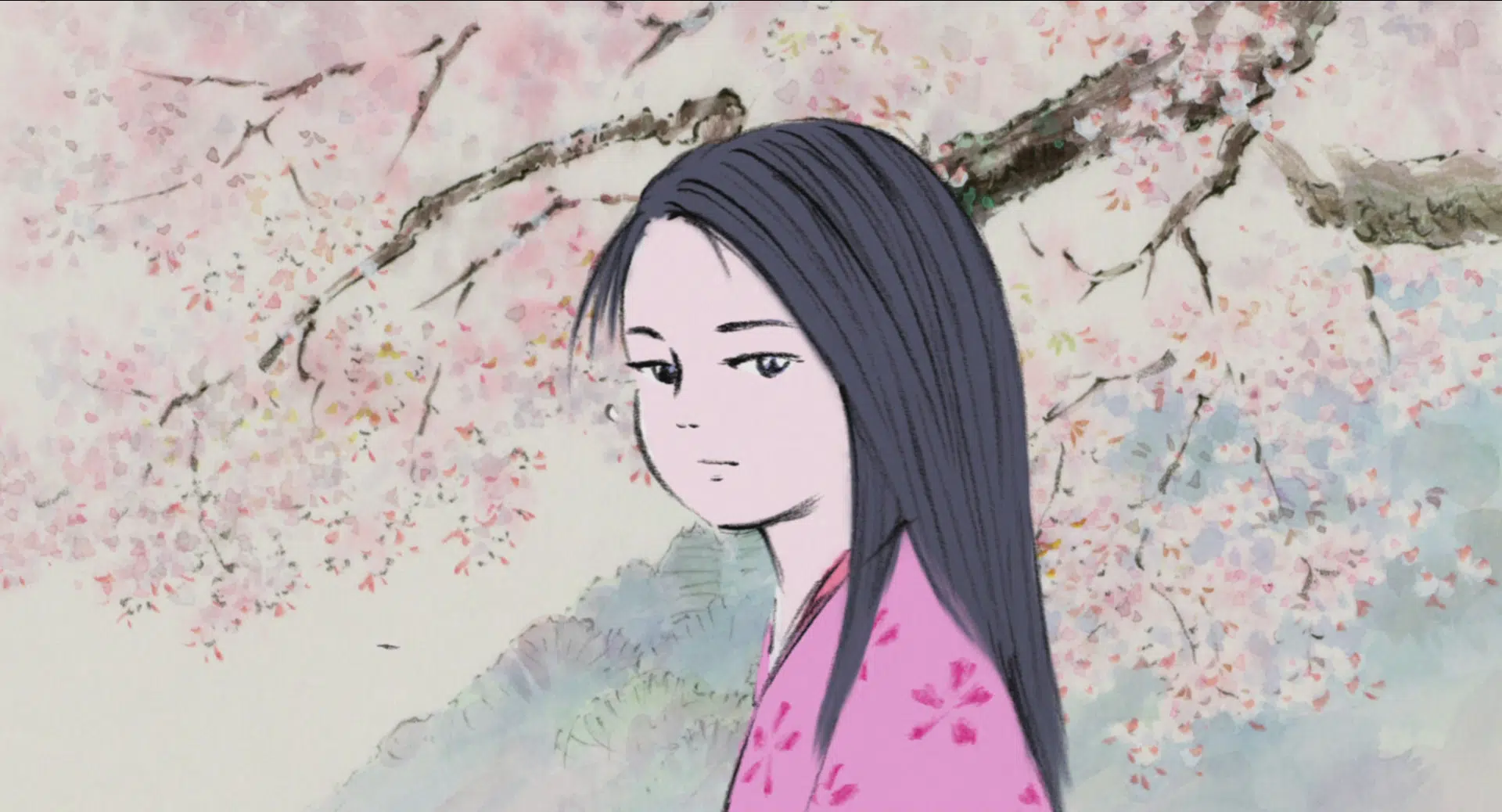
“As in many Studio Ghibli films before it, the male director is speaking directly to his male audience, pleading with them to treat the women in their lives with the respect and equality they deserve.”

“Perhaps, in an alternate-parallel-upside-down universe somewhere, Fringe was a massive sensation on Netflix or Amazon Prime.”