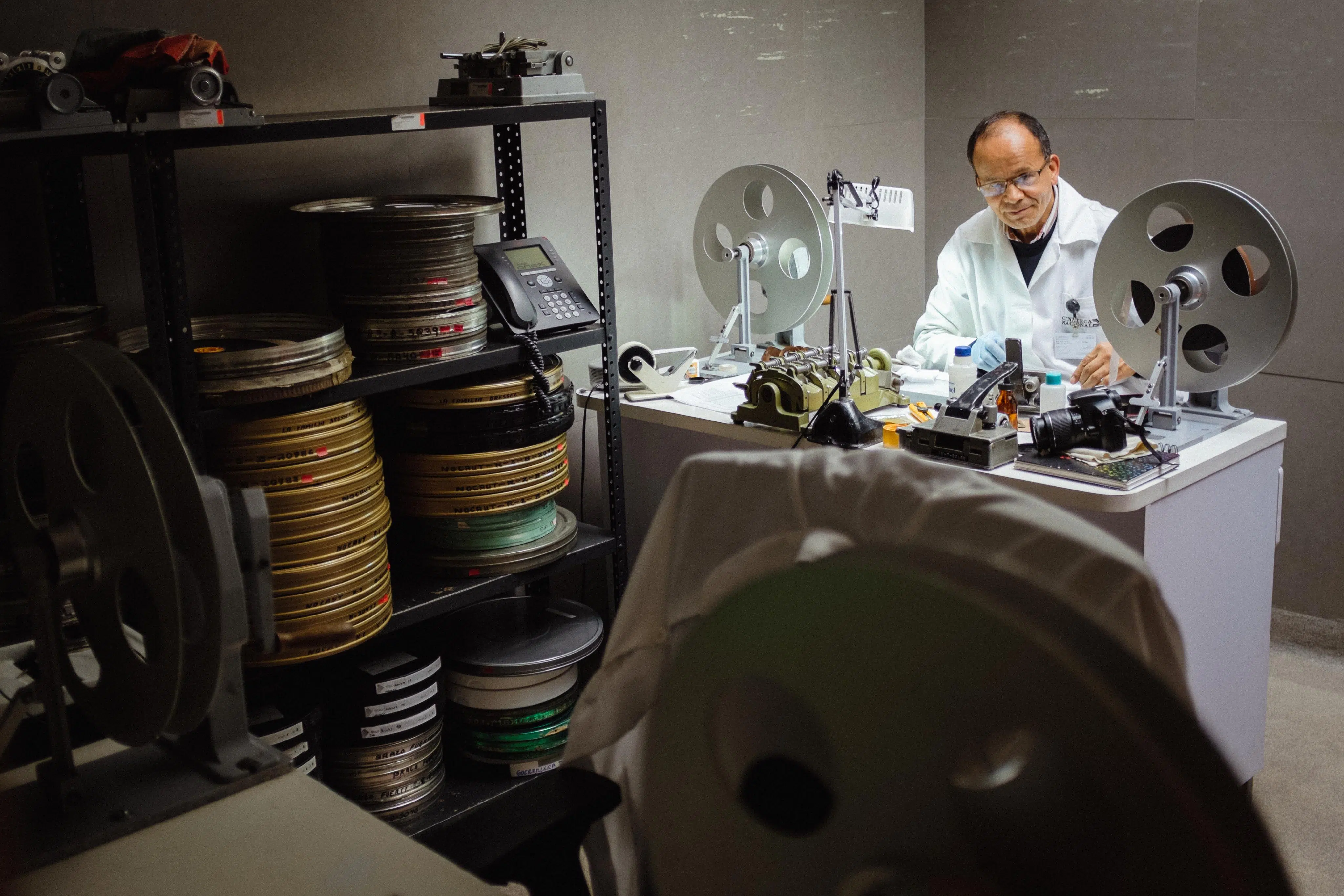
Why Criticism: Understanding Film Restoration
A Column on Film Criticism by Justine A. Smith

A Column on Film Criticism by Justine A. Smith
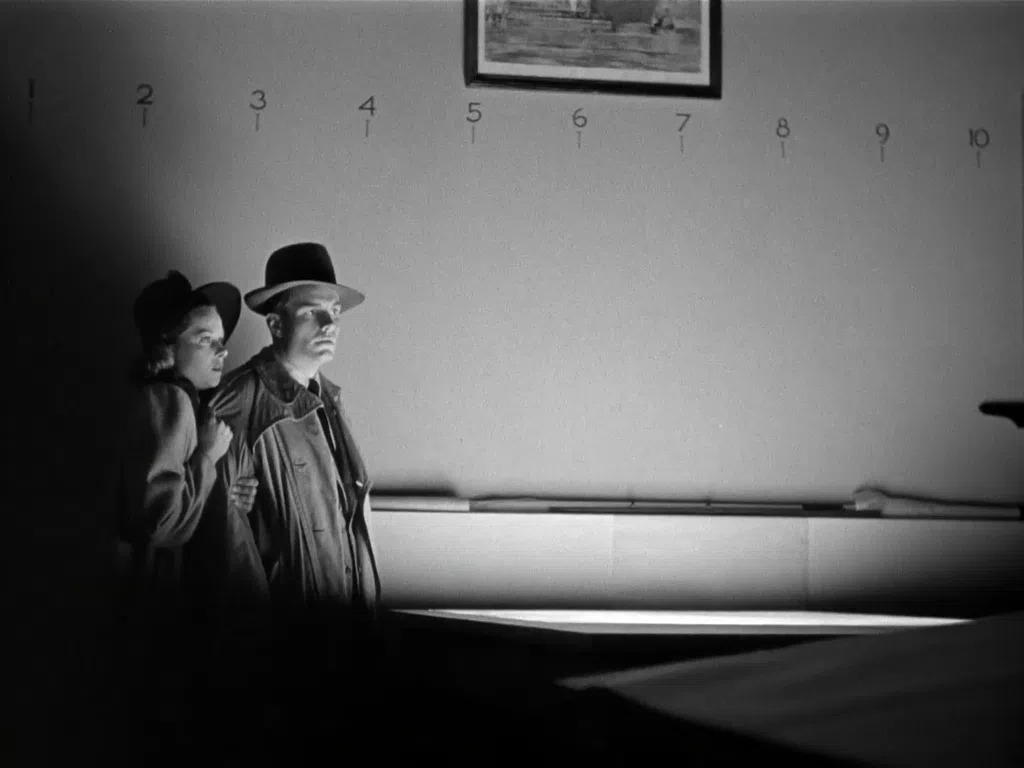
“In regards to modern day politics, ‘Cat People’ captures the anti-immigration fervor of the 2016 American presidential campaign and election.”

“Love can be what survives if we show up to do the work.”

“Elliptical and predominantly visual, ‘Evolution’ will frustrate any viewer unwilling to let go of common sense.”

“This is L-I-V-I-N in the moment at its best.”

“It only took three decades for ‘RoboCop’ to go from a sci-fi thought experiment to prescient documentary. What do the next few hold?”

“Focusing on a group from Osaka rather than Tokyo unveils a more nuanced reality of the industry, offering a look from the outside.”

“As we take for granted the ease of our own native tongue, we are perhaps ignoring its full potential.”

“Portman’s vivid portrayal is the film’s greatest strength, coasting through woebegone New England accents and the script’s on-the-nose airing of themes in the final act.”

“In some ways, Oskouei’s involvement can be construed as invasive, but it feels integral.”
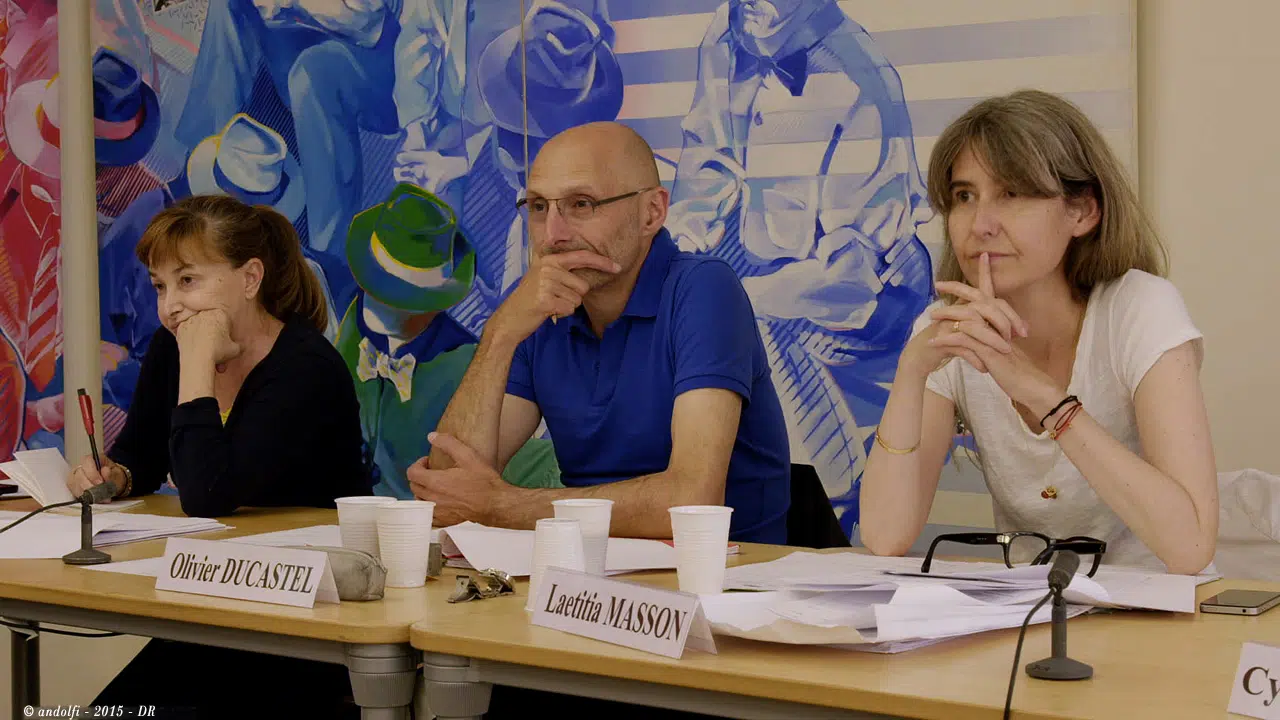
“What makes someone a great artist before they’ve made any great works of art? That becomes the central question and object of scrutiny at the heart of ‘Le concours,’ making it one of the most compelling examinations of auteur driven cinema.”

“‘Brothers of the Night’ takes an unexpected approach and reveals hidden parts of life amongst Bulgarian male hustlers in Vienna.”
A Column on Film Criticism by Justine A. Smith

“Refn provides a movie with universal appeal, displaying how pathetic and desperate human beings can be in their moments of weakness, insecurity and greed.”
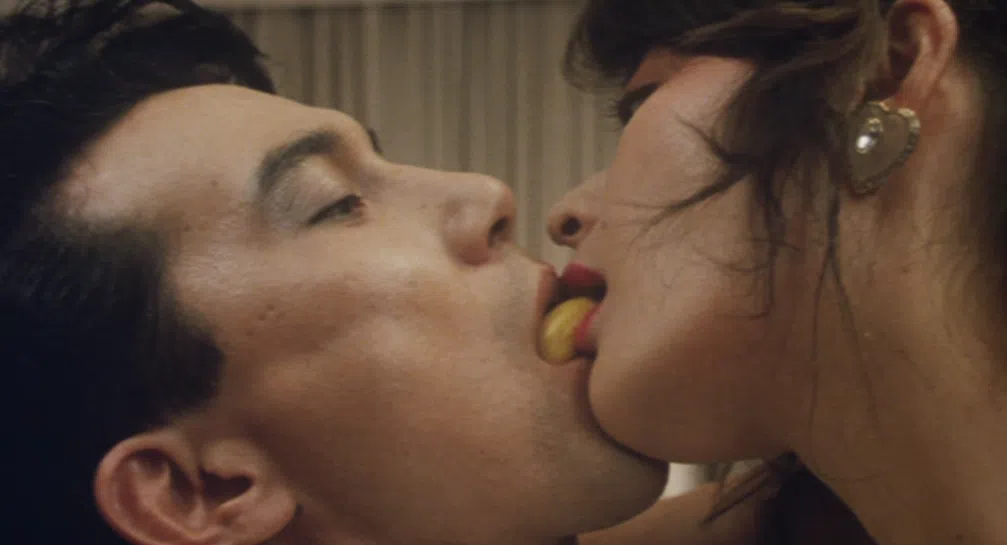
“If ‘Tampopo’ initially seems familiar, it’s only because Itami masks the exterior as a Western.”

“The film has an unusually conservative vibe for a noir, maintaining that the status quo may be boring but criminality has nothing to offer — not even carnal thrills.”
A Column on Film Criticism by Justine A. Smith

“In ‘Aquarius,’ memories — of places, moments, music and lovers — balance imminent struggles to live well.”
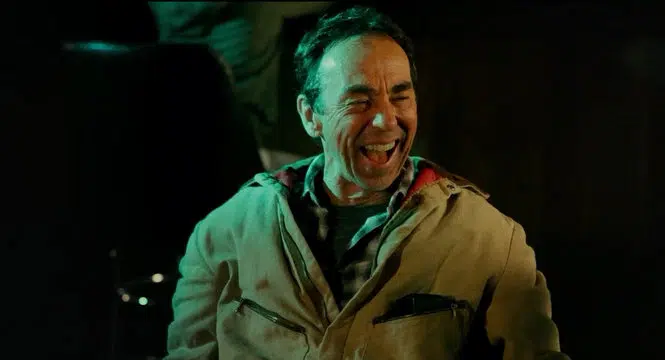
Neaux Reel Idea is a Vague Visages column by Bill Arceneaux, in which he explores the cinema of his native New Orleans.

“Carpenter doesn’t frame the film as being about an outlier male abuser, but a culture that has little respect for a woman’s personal space.”