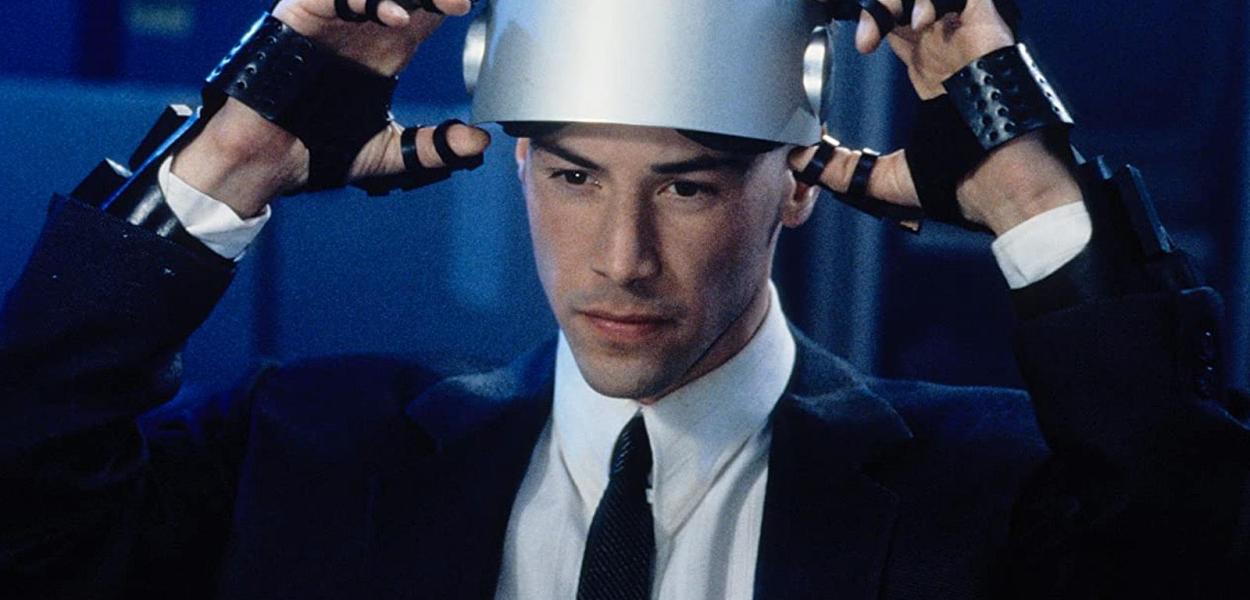
Visions of the Future from 1995: Touching with Synthetic Hands by D.M. Palmer: “These films posited that to dream in public, to build new worlds on this freshly privatized terrain, was to risk new and previously inconceivable forms of personal ruin.”
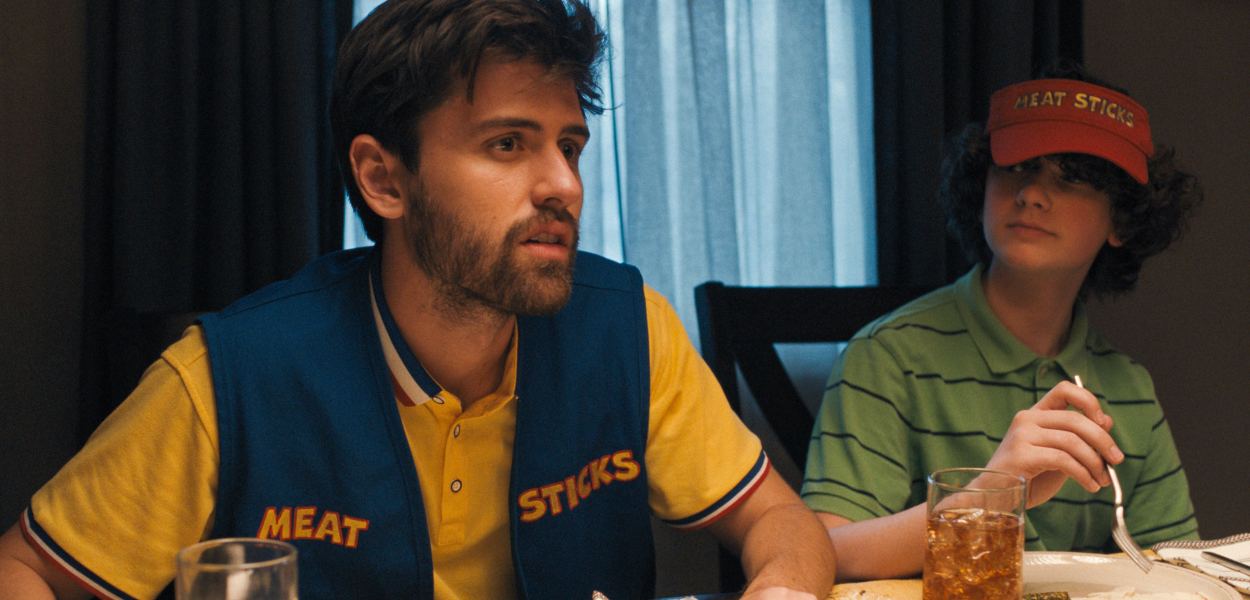
“‘He’s Watching’ is a practical and efficient horror film in the style of Rob Savage’s ‘Host’ (2020), but its brilliance lies in Estes’ subversive funhouse mirror approach.”
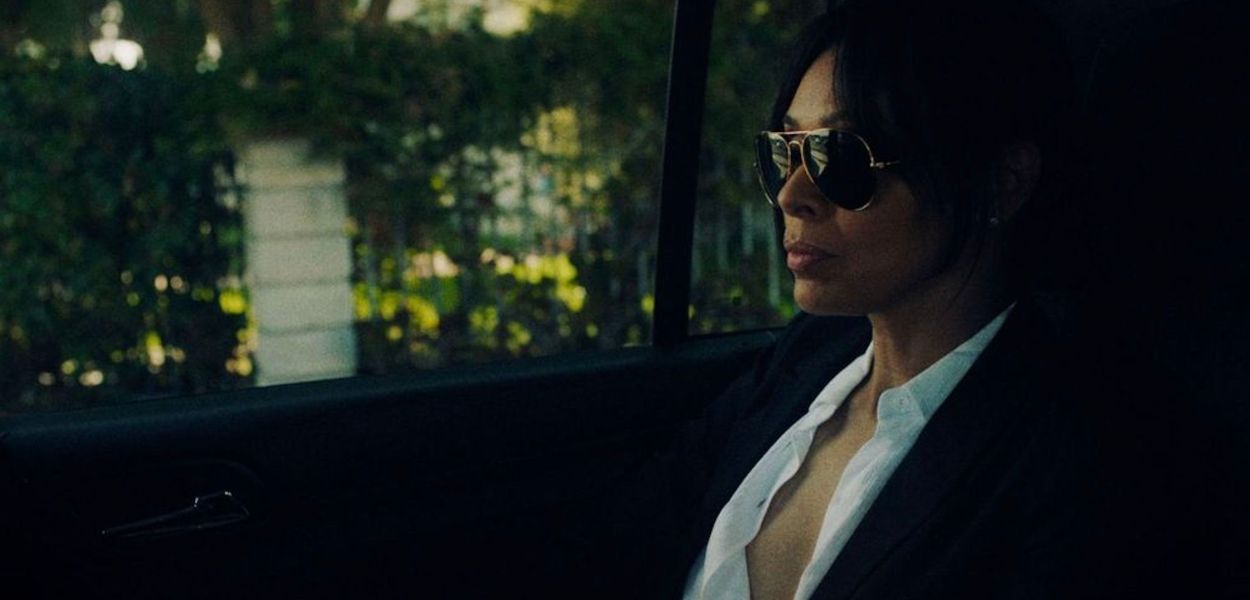
“‘Diary of a Spy’ mostly keeps viewers in the dark; it’s unclear what makes the main characters tick. Anna and Camden are Dostoevskian figures in spirit, from a different tale, who seem lost in time.”
“‘Ruth Stone’s Vast Library of the Female Mind’ is an inspiring excavation of the subject’s subconscious; a trip that shouldn’t be avoided by off-the-grid creatives.”
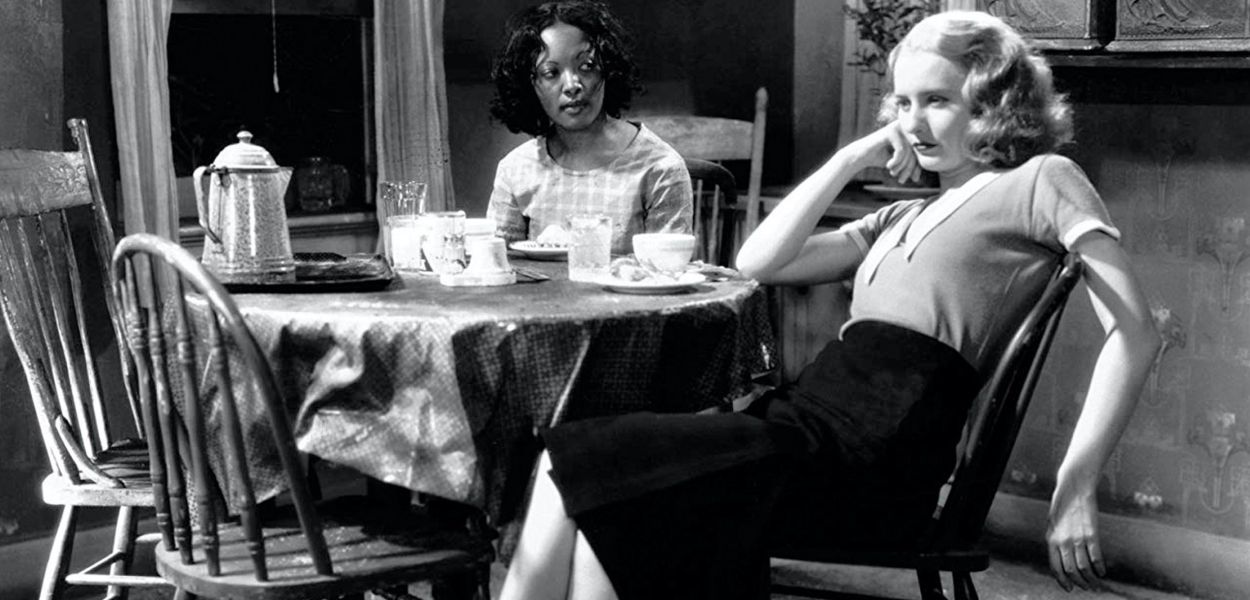
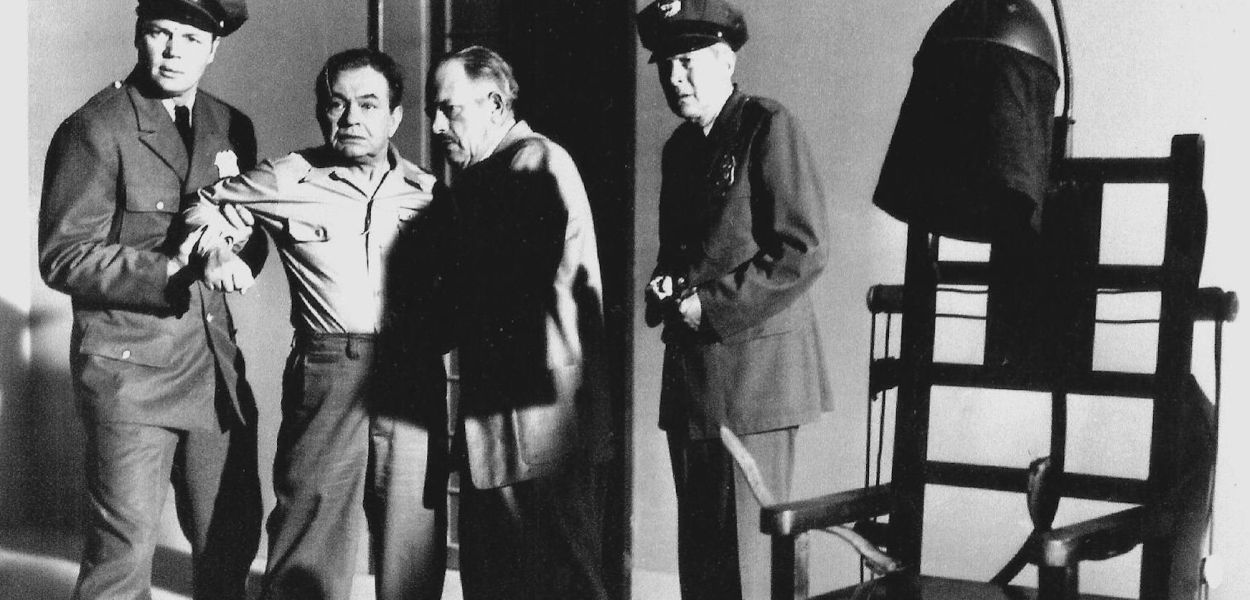
“The capacity to dehumanize has always been present in cinema; to witness the vanquishing of enemies on the screen has served a cathartic function for every society in which cinema has taken hold.”
“I think Raiff is a legitimate addition to the broad group of artists identified with the New Sincerity trend as popularized by David Foster Wallace and Jim Collins.”
“‘American Werewolves’ takes itself seriously but doesn’t fully engage with Western Kentucky prank lore or Native American traditions that could help explain Dogman sightings.”
“Lessin and Pildes smartly frame speakers in well-lit, detailed close-ups, often in the cozy surroundings of living spaces and kitchens. The approach underlines the common and the everyday without diminishing the legacies in action.”
“Do some films get ignored because they are unavailable or do they get ignored because they aren’t that good to begin with? This is precisely where I stand with ‘Tony Arzenta.'”
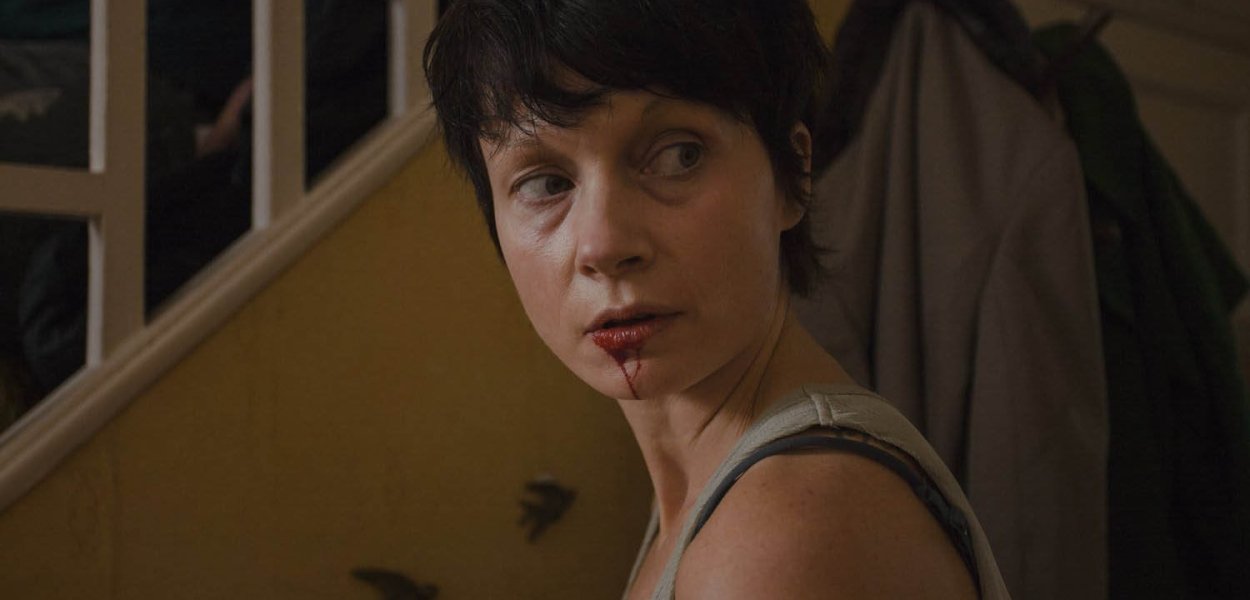
“Decker is committed to immersiveness and immediacy. Her bold and passionate choices value and validate the subjective experiences of female artists/creators toiling to figure it all out.”
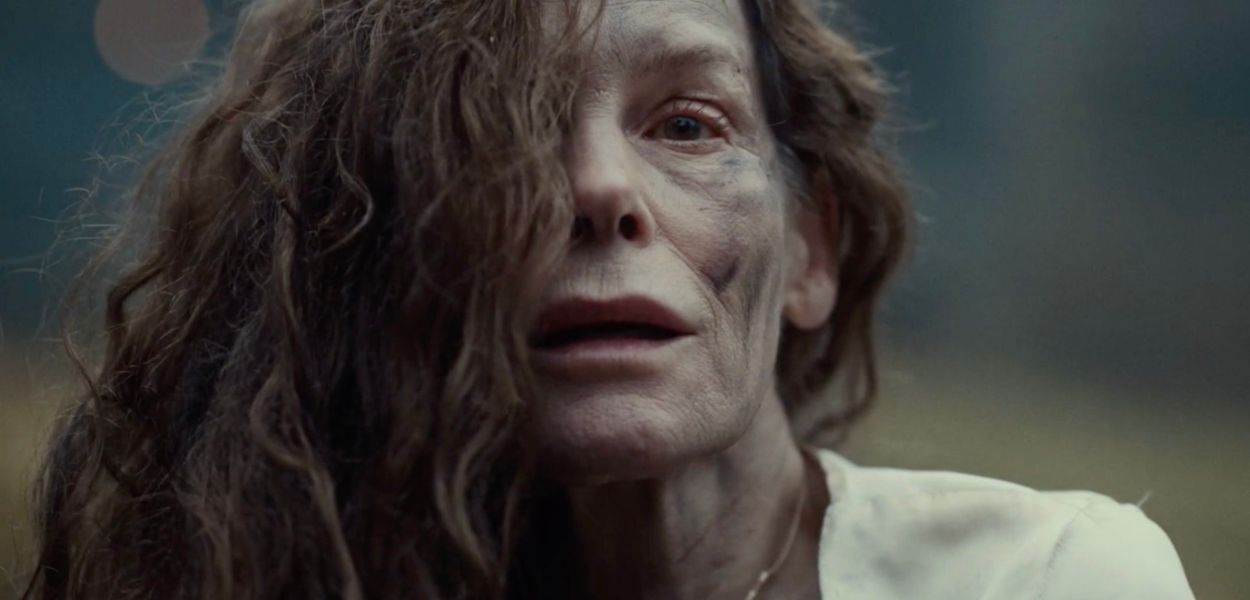
“‘You Are Not My Mother’ lives at the fringes of folk horror, but the underlying family melodrama drives a story more interested in generational trauma than a supernatural fairytale.”