“Much of Au hasard Balthazar’s transcendental value derives from its explicit openness to theological interpretation, particularly given Bresson’s oft-commented upon Catholicism and some of the film’s more overt symbolism.”
“‘Modern Times’ is emblematic of a ‘Hollywood realism,’ with a rather immaculate industrial setting, strategically tattered clothing and deliberately designed destitution.”
“‘Princess Mononoke’ explores the gaping chasm between nature’s gentle acceptance of circumstance and humanity’s steadfast refusal to quietly accept death.”
“With ‘A Married Woman,’ Godard appears fully devoted to topical bullet points through an essayistic structure, forgoing conventional narrative, character development or expedient pacing.”
“‘Kiki’s Delivery Service’ captures the imaginations of young viewers while imploring the older among them to let common sense go in order to enjoy the pop music and irrefutable heart.”
“After viewing ‘A Girl Walks Home Alone at Night’ for the first time, I wondered, ‘Doesn’t a woman have to be at least a little bit monstrous to survive?'”
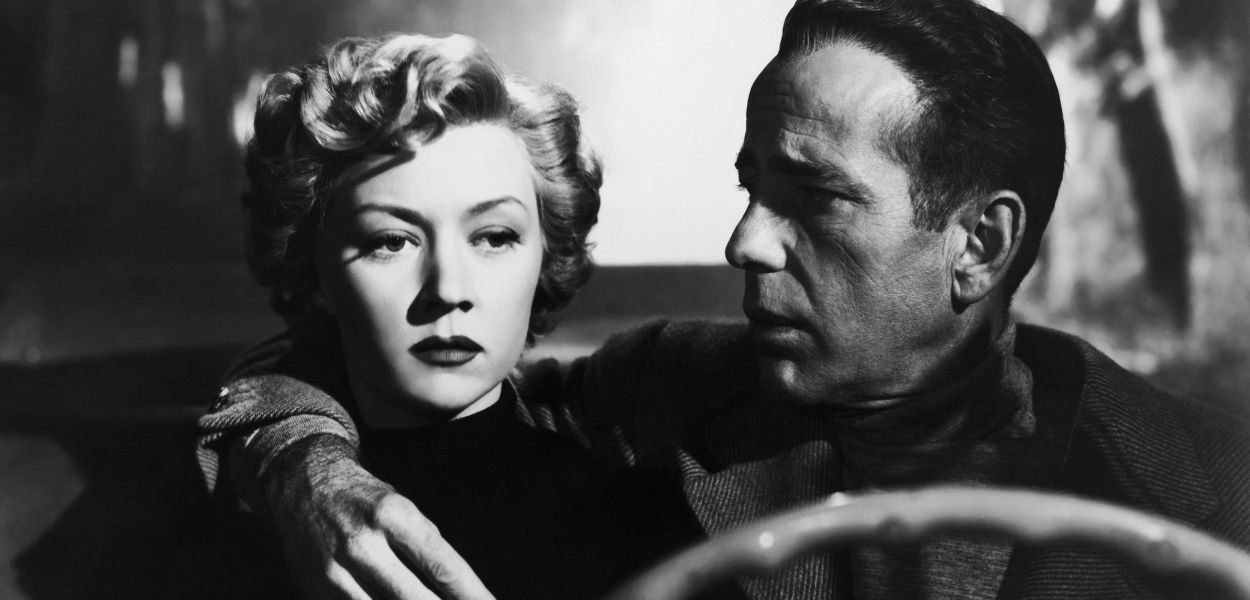
“‘In a Lonely Place’ finds Nicholas Ray still the relative newcomer to the Hollywood studio scene, yet he is already displaying subversive evidence of instilling in his work representative preoccupations.”
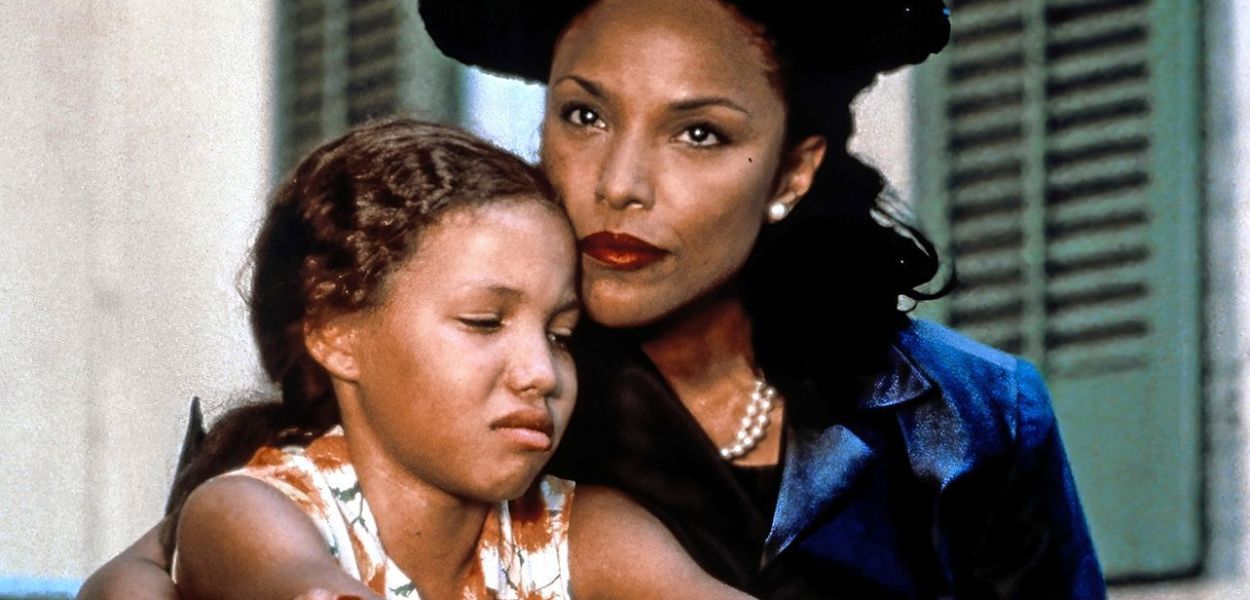
“‘Eve’s Bayou’ is like a living poem, deftly exploring the way memory can both comfort and haunt us, long after the actual wounds of our tragedies heal.”
“As Bridget Gregory in ‘The Last Seduction,’ Linda Fiorentino is like the shock of hearing a gunshot in the dead of night. She embodies, more than any other character, the ethos of the modern femme fatale.”
“‘Blood for Dracula’ is confusing thematically, but I think that’s part of the point. As pulpy as it is, Morrissey’s film strongly confronts and challenges our ideas of purity and gender.”
“Cable Hogue ogles and desires Hildy because she appeals to him sexually: there are no shades of grey here, no self-reflection. In the world of Peckinpah, sex is often just sex.”