
It can be a tricky thing to praise a film on the basis of being “trailblazing,” particularly on its initial release. More often used regarding films heavy on apparent technical innovation, the term can often make writing on the work in question seem misguided with hindsight or possibly even frustratingly narrow (minded in retrospect). See reviews of the first The Hobbit film predominantly occupied by analysis of the 48 frames per second shooting method, a technique hardly cropping up all that much in blockbuster production plans three years on.
Where the term arguably has greater validity is in regards to smaller films that sow the seed for what one hopes will spark wider cinematic change. Rather than those messing around with special effects wizardry, the true trailblazers are those that offer representation for something that has sorely (and often inexplicably) been lacking in the cinematic landscape. The Diary of a Teenage Girl, the writing and directing debut of actress Marielle Heller, is one such film, offering a much-needed shot in the arm for a perspective grossly ignored in American cinema and much English-language filmmaking.

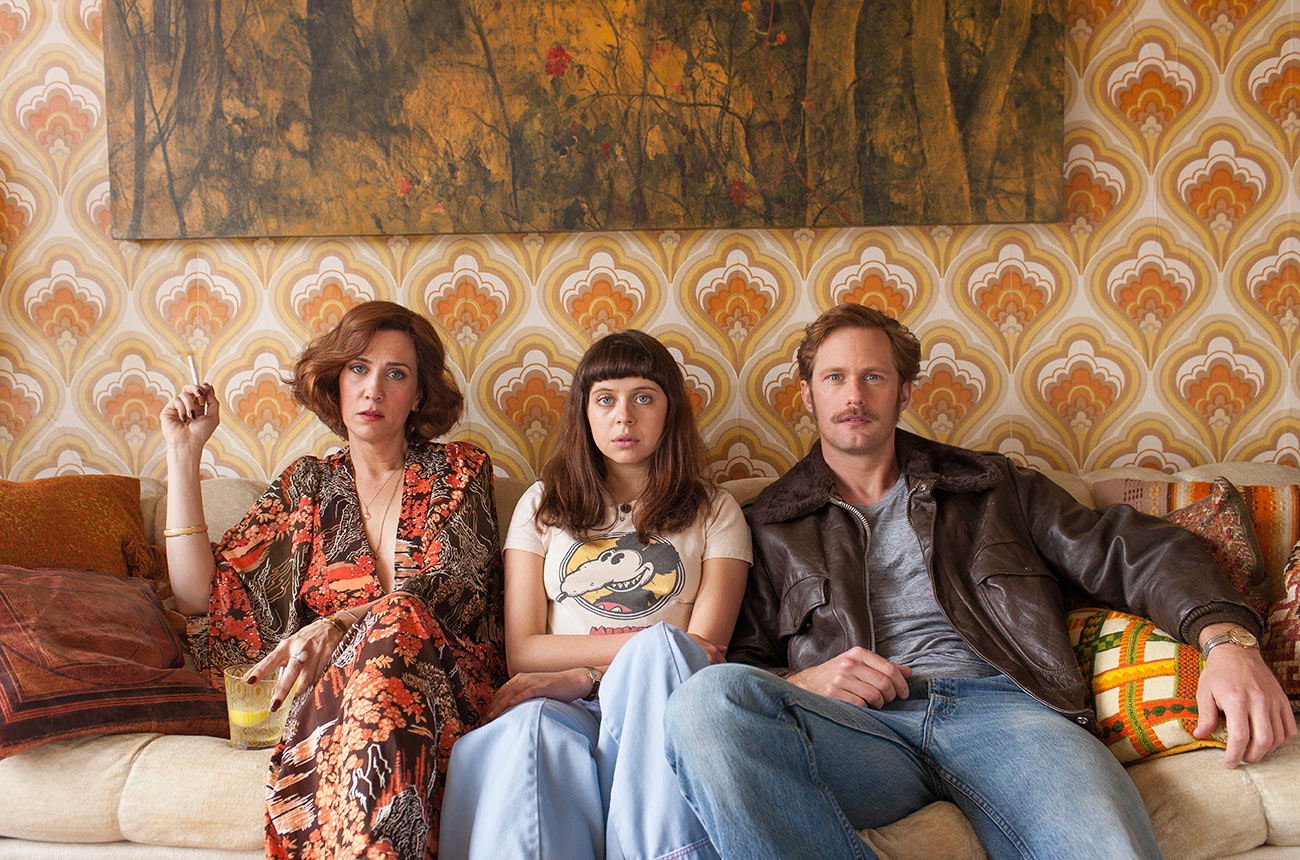
That perspective is an exploration of adolescent female sexuality in which the heroine is not a victim punished by the narrative. In English-language cinema, male coming-of-age tales are so prevalent and female ones so comparatively sparse, yet it’s difficult to recall even a male-centric entry in the genre that’s as lacking in judgement regarding its characters as this. And judgment could so easily have come calling here, seeing as the 1970s San Francisco-set film — based on Phoebe Gloeckner’s heavily autobiographical graphic novel of the same name — involves a sexual relationship between a 15-year-old teen, Minnie (Bel Powley, magnetic), and the thirty-something boyfriend (Alexander Skarsgård, endearingly lug-headed) of her free-spirit mother (Kristen Wiig). It doesn’t condemn, it doesn’t condone. It’s frequently uncomfortable, but it’s never exploitative. What The Diary of a Teenage Girl does do is present ever-shifting, complex power dynamics with legitimate nuance — in a way, as Minnie grows as a burgeoning adult, Skarsgård’s distinctly non-predatory cradle robber, Monroe, is revealed as, spiritually, more like a teenager himself.
The biggest strength of Heller’s film is that it isn’t just about the affair. Minnie uses the experience as a springboard to explore her sexuality further, to assess and develop her understanding of intimacy and human relations. While a young male teen protagonist can generally get up to plenty of risky business willy-nilly, young women exploring experimentation tend to receive the slut-shame treatment from their writers, or their interest in sex is played as a source of mockery. This is a funny movie at various points (there’s a fair bit of a Terry Zwigoff tone in here), but it’s never at Minnie’s expense. Nor when there’s a degree of explicitness to proceedings is it at the expense of character or the actors. It isn’t played as provocative or erotic. It’s matter-of-fact about Minnie seizing control of her own desires or curiosities. The filmmakers understand the value of both good and bad formative experiences shaping an individual.

Heller draws a refreshing beauty from her “this is what it is” approach in The Diary of a Teenage Girl, getting tenderness out of content too often used simply to titillate, shock or be used for didactic tirades. In one brief moment, she even reaps sweetness from a small gesture involving a mark made on a lover with blood. It’s a sequence which almost feels like if Catherine Breillat came to America to make a movie and developed a soft side. Also beautiful is the film’s parting sentiment: “Maybe it’s not about being loved by someone else.”
Josh Slater-Williams (@jslaterwilliams) is a freelance writer based in Glasgow, Scotland. Alongside writing for Vague Visages, he is currently the managing film editor at Sound On Sight, and a regular contributor to independent British magazine The Skinny.
Categories: 2015 Film Essays, Film Essays
3 replies »