NYFF 2025 Review: Ulrich Köhler’s ‘Gavagai’
“‘Gavagai’ doesn’t break any new ground with its excavation of race in film and European art culture’s relationship to Africa, but Köhler interestingly addresses paradoxical problems within.”

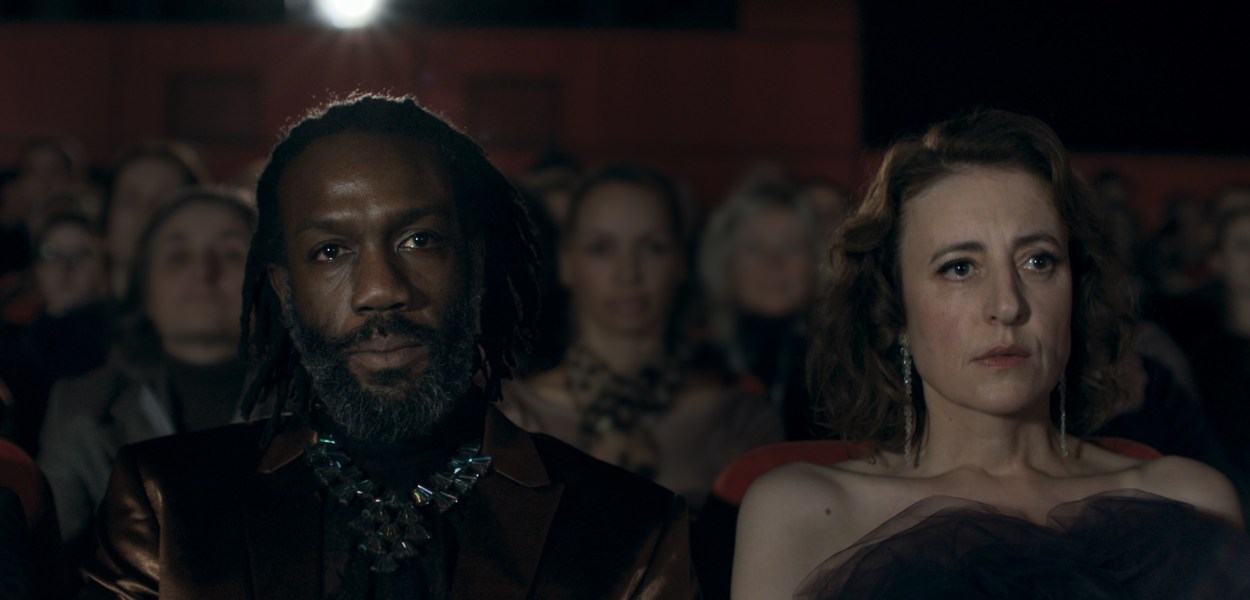
“‘Gavagai’ doesn’t break any new ground with its excavation of race in film and European art culture’s relationship to Africa, but Köhler interestingly addresses paradoxical problems within.”
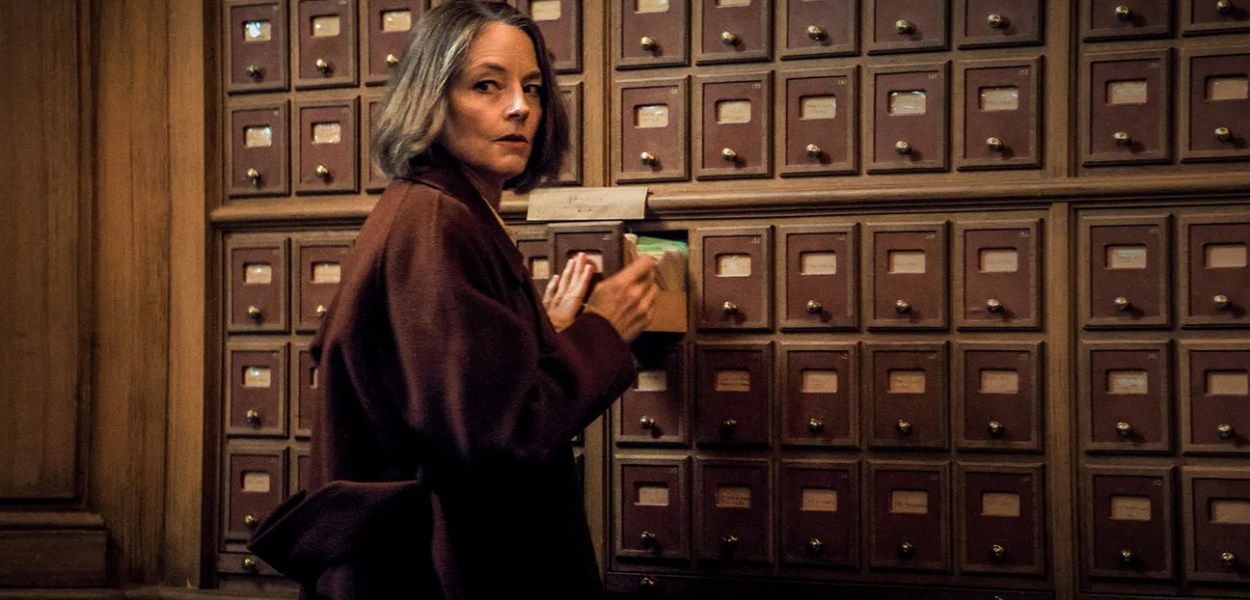
“‘A Private Life’ ultimately becomes lethargic and then putters out. Foster dangles in the midst of it, like an actress who sees the film set disappear while she’s still in her role.”
“‘Barrio Triste’ feels in line with the energetic and floating camerawork of Stillz’s music videos he has made for several artists, but it also stands as its own sort of gritty, meandering experiment that aims to excavate spaces within a particular setting.”

“The biggest problem with ‘The Smashing Machine’ is that Safdie simply doesn’t bring anything new to the table in terms of style or ideas.”
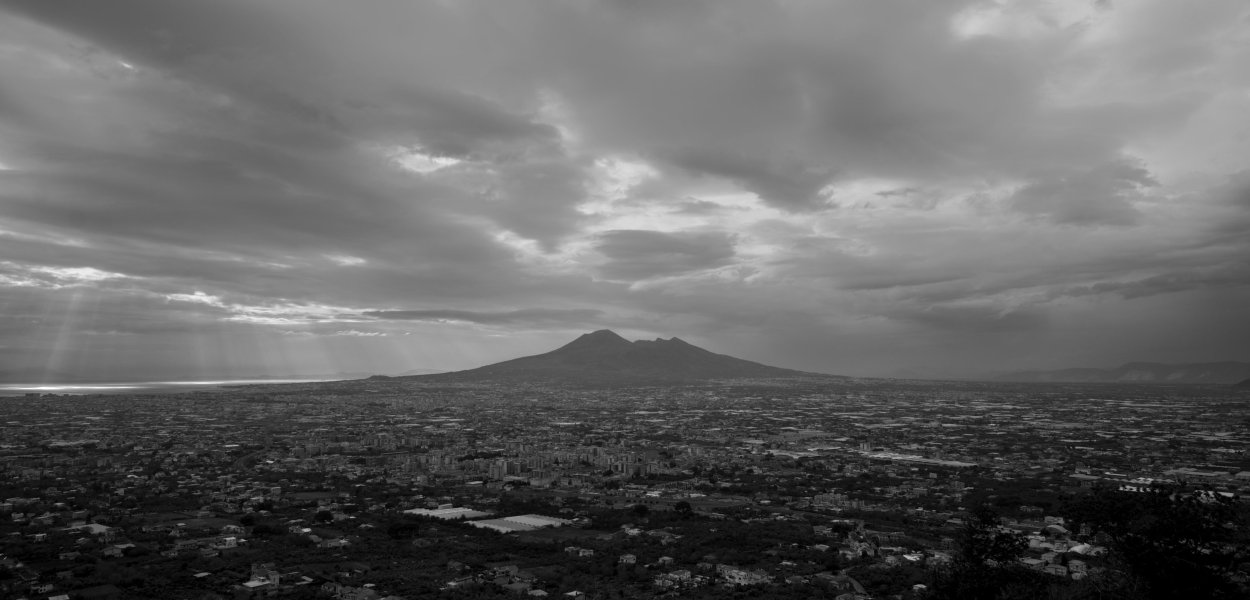
“With ‘Below the Clouds,” Rosi makes it clear that history and the present interact every day.”

“What I really appreciate about ‘Sirāt’ is Laxe’s constant bucking of expectations.”

“As interesting as ‘A Useful Ghost’ is in concept, it’s a typical film by a talented debut artist and storyteller, one with a litany of ideas but no clear voice that brings them together.”

“Robert Butler’s ‘Night of the Juggler’ isn’t the best New York City film ever made, but it might be the best cinematic representation of the location.”
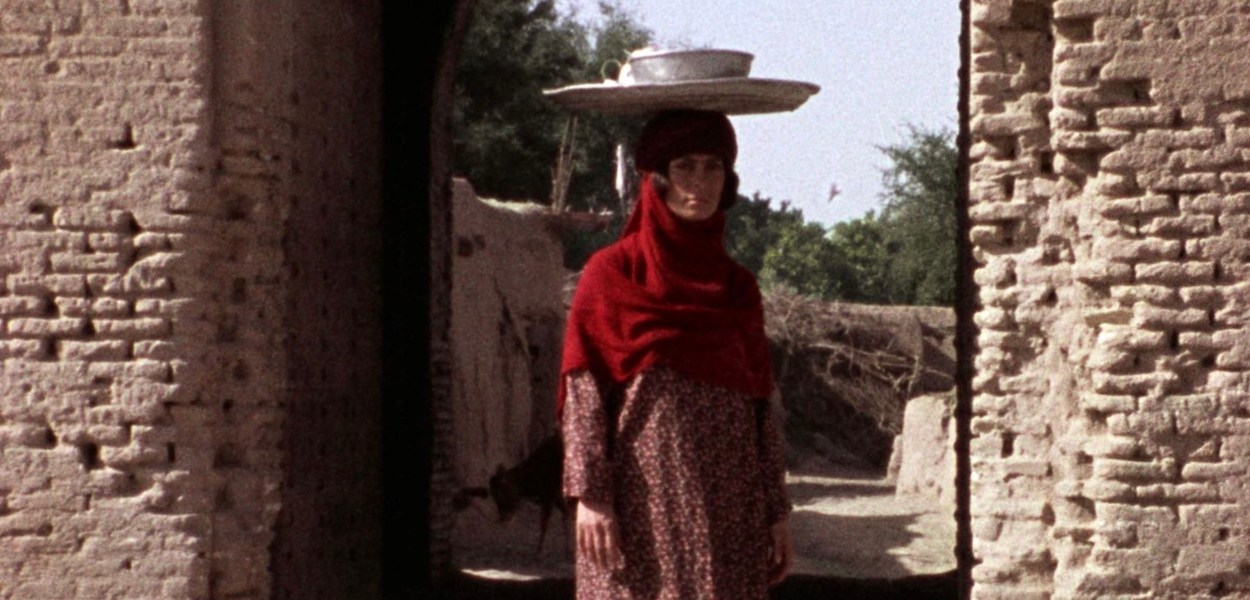
“Nabili’s ‘The Sealed Soil’ can be seen as a precursor of the minimalist styles that came to define so much of modern Iranian cinema.”

“Much of what makes ‘The Shrouds’ equally interesting and irritating is that Cronenberg seems to see conspiracy, confusion and competing dialogue as something impenetrable.”

“The refreshing clarity of Peck’s style in ‘Ernest Cole: Lost and Found’ often feels like a drawback in the way that it disrupts the emotional weight of voice and visual form.”

“It’s quite remarkable how Diop captures the collective view of a West African country through her debate sequences in ‘Dahomey.'”
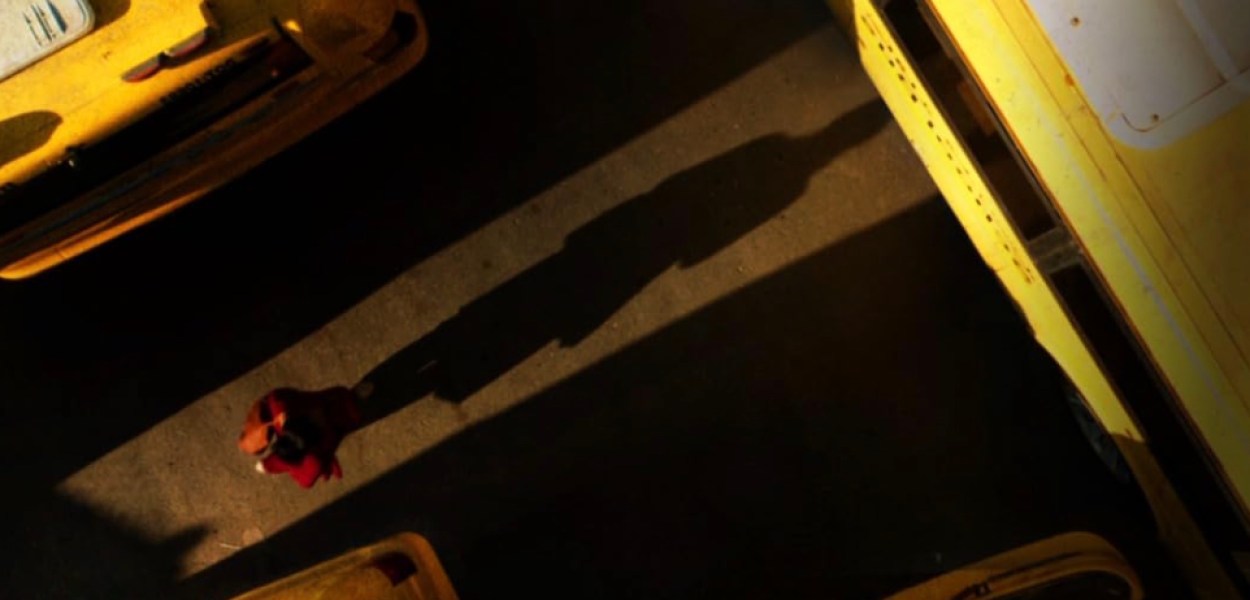
“‘Yellow Bus’ tries to manufacture misunderstandings that may naturally exist in a country that has a diverse immigrant population, but Bednarz’s heavy-handed sociology lesson ultimately aligns with the pseudo-intellectual drivel of ‘Crash’ and ‘Babel.'”

“‘The Holdovers’ tries a little too hard to swerve melancholic moments into a hokey optimism, as it’s indebted to a screenwriters’ seminar-style narrative.”

“The bleak and restless nature of ‘R.M.N.’ is manifest in Tudor Vladimir Panduru’s cinematography.”

“Fraser keeps Charlie’s fully formed humanity at the forefront of ‘The Whale,’ despite various filmmaking decisions that could flatten his character into a saccharine pity case.”

“‘Once Upon a Time in Calcutta’ speaks to West Bengal’s eroding cultural and artistic history in the face of modernization, due to greed and a capitalist attitude of advancement at all costs.”
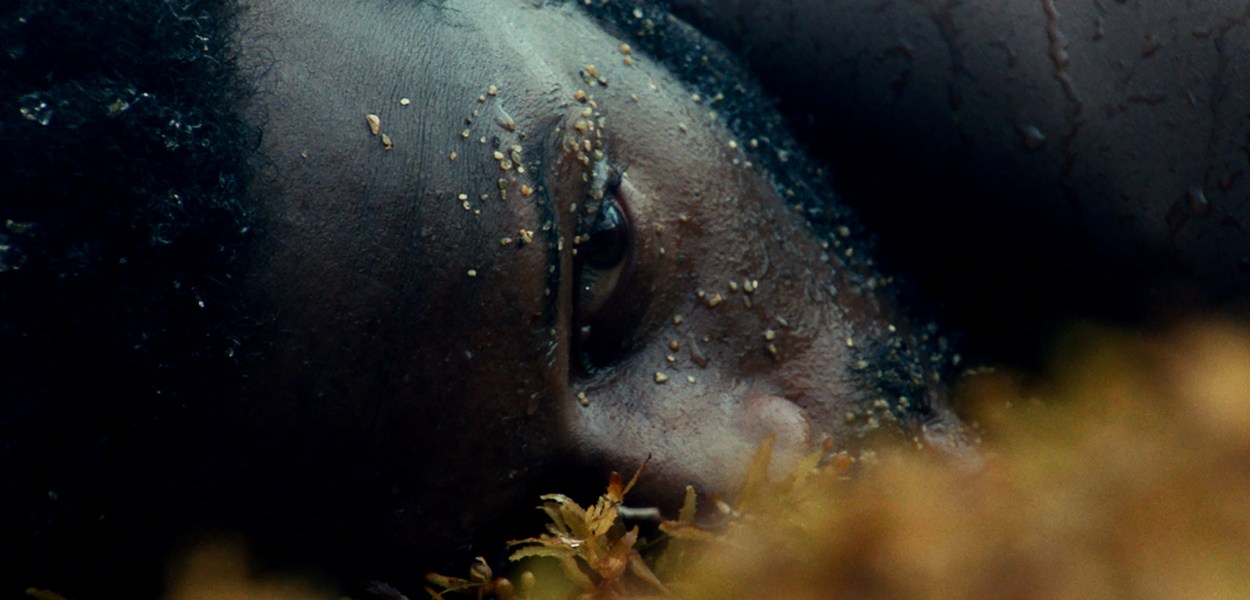
“The same way our minds shift under the influence of drugs, so too do they shift under the influence of new information, new truths. The higher the walls, the taller the ladders people will build to overcome them.”
Berlin Critics’ Week: Soham Gadre on the Losing Transmissions Program (‘Notes for a Déjà Vu’, ‘The Dream and the Radio’)

“The magic of Hadzihalilovic’s ‘Earwig’ comes in the form of its suggestion that viewers abandon their expectations and preconceptions about what cinema should be and what a story can be.”