A Beautiful Tragedy: Reimagining the Blacklist
“Even the most cynical satire is half in love with the object of its barbs; there is a part of every constrained creative that loves their shackles and will make great play of rattling them.”


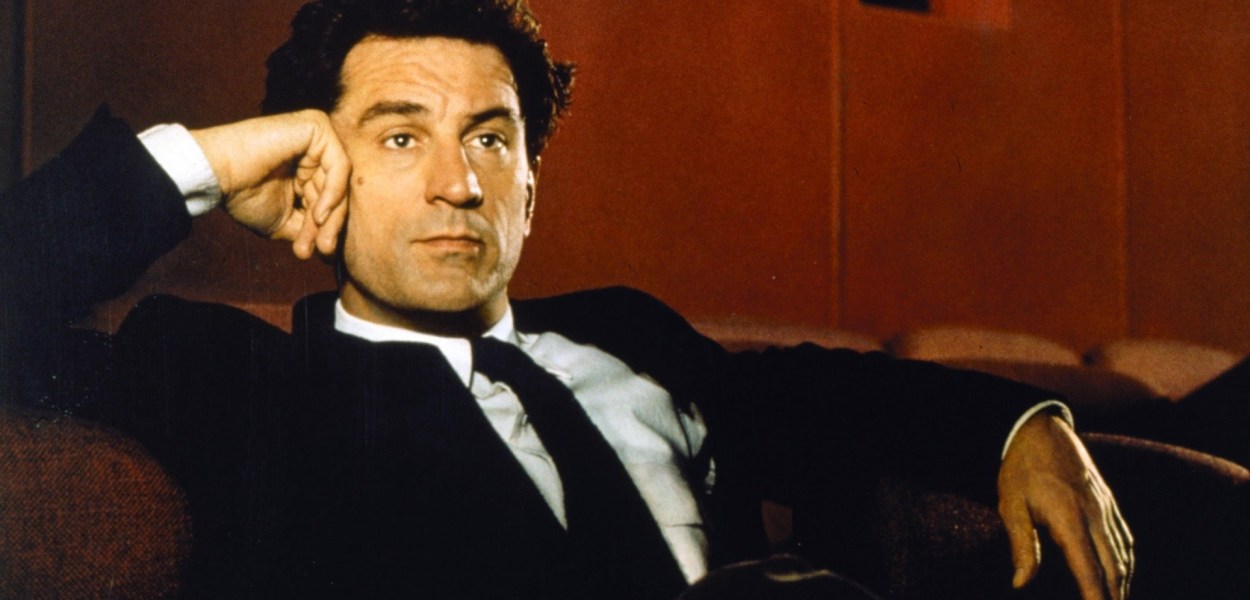
“Even the most cynical satire is half in love with the object of its barbs; there is a part of every constrained creative that loves their shackles and will make great play of rattling them.”
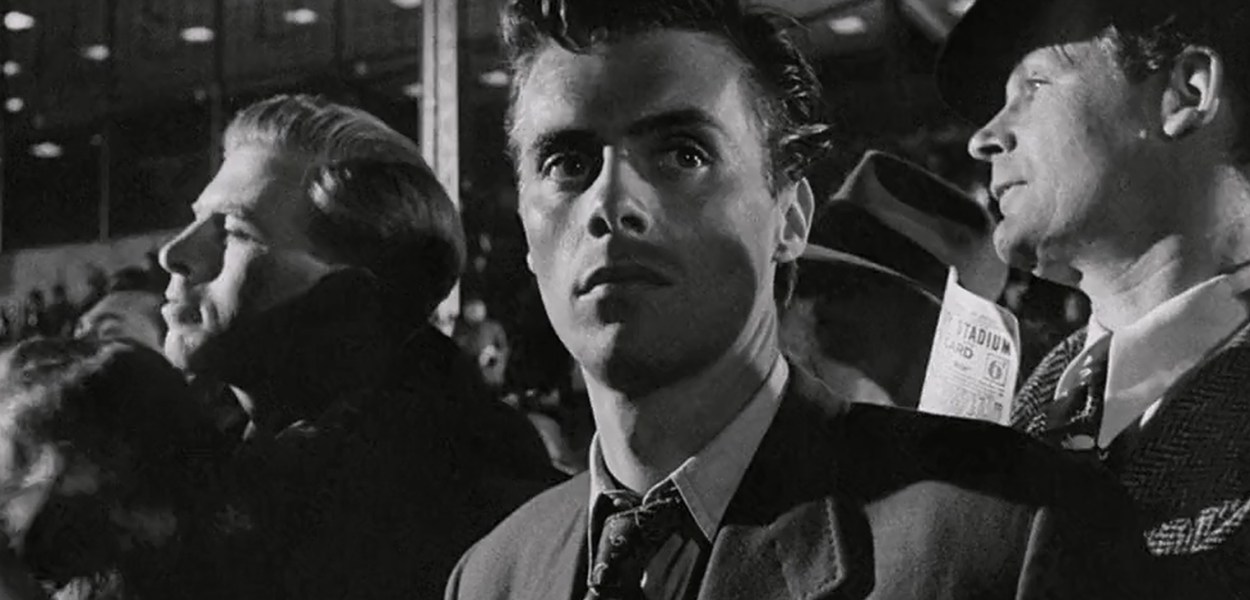
“Rejection is the purest form of rebellion. Bogarde was never embraced by Hollywood in large part because ambivalence is not a bankable asset. He left too many questions unanswered.”
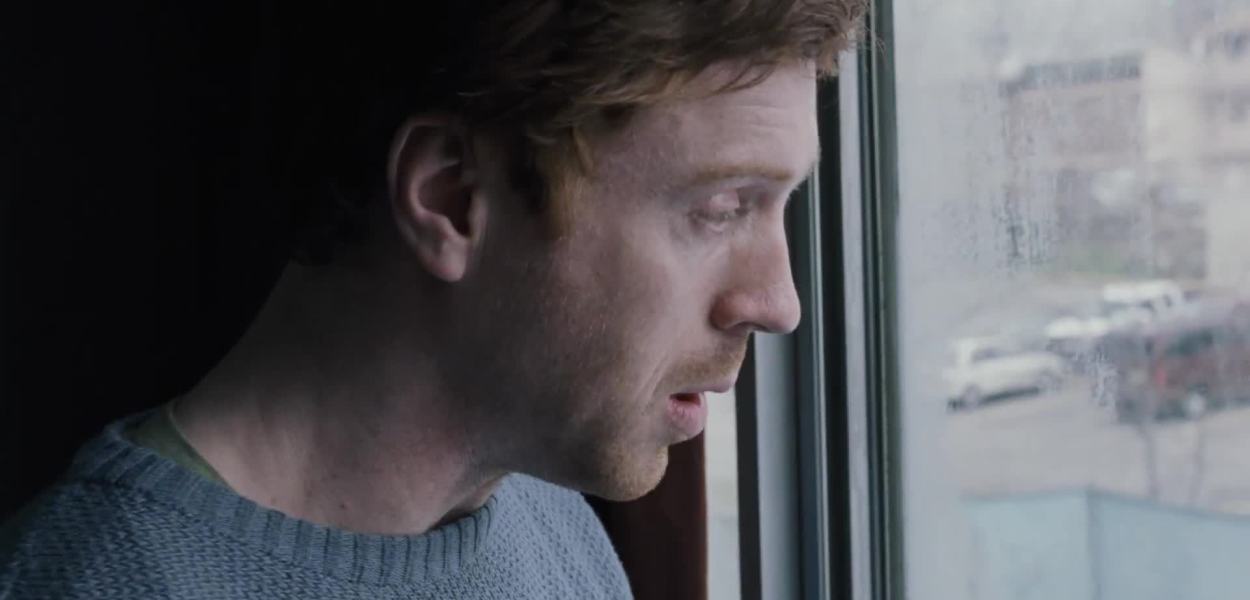
“In Lodge Kerrigan’s first three features, he asks audiences to consider those left in the wake of his central characters…”

“The 90s variant of the hitman archetype became entangled in the disorientation of the time, prone to the same neurotic preoccupations as the cultural cadres warring around them…”

“May was banished at a time when male auteurs were granted an unprecedented amount of latitude. She was treated as a liability rather than a maverick, and it’s difficult not to read that assessment as gendered.”

“Gould’s persona upended traditional notions of cinematic masculinity in its appeal to a generational fatigue and ambivalence; his sexual magnetism eschewed the amatory codes of the traditional leading man.”

“It is difficult to pinpoint exactly when television’s so-called Second Golden Age began; however, by the 2010s, it was understood that Prestige TV had begun to fill the gap left by the demise of cinema’s mid-budget tier.”
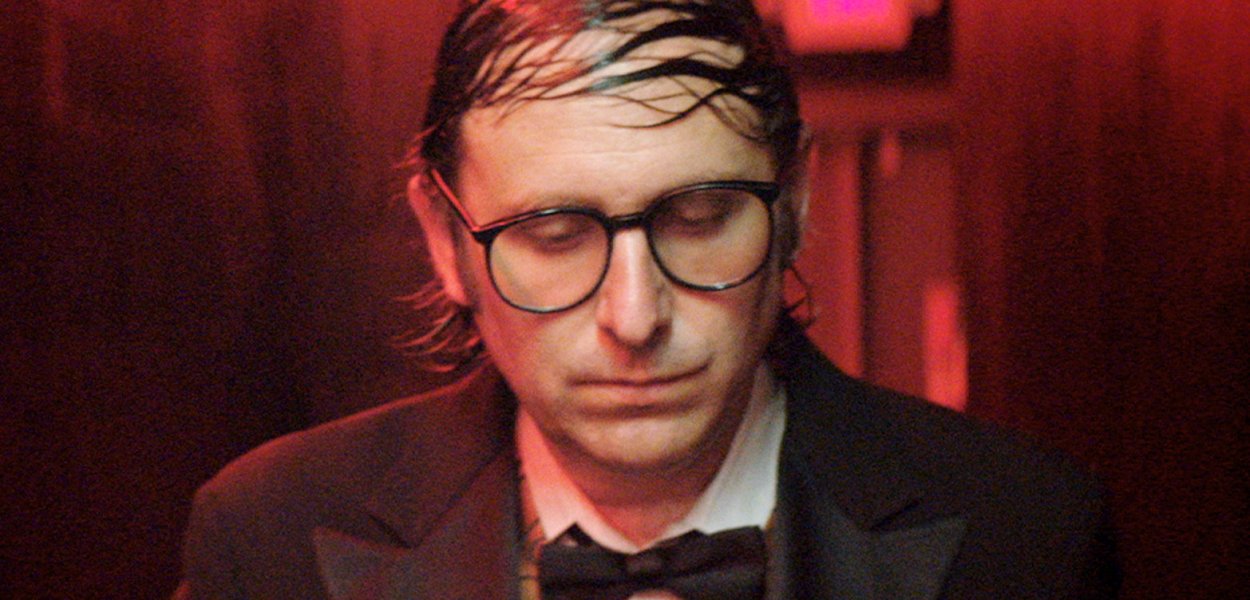
“In Alverson’s hands, anti-comedy becomes a new kind of gothic — it is the world viewed through a warped, sinister lens; a fresh excavation of the unspeakable through outsized comedic strategies.”

“In our attempt to fill in the gaps of the Oswald character, we recast him again and again, hoping that the latest iteration will reveal a previously hidden angle.”

“The ghosts of the divisive past that New Labour set out to consign to history’s trash heap reared their heads, presaging a politics that would cast off the Blairite technocratic order.”
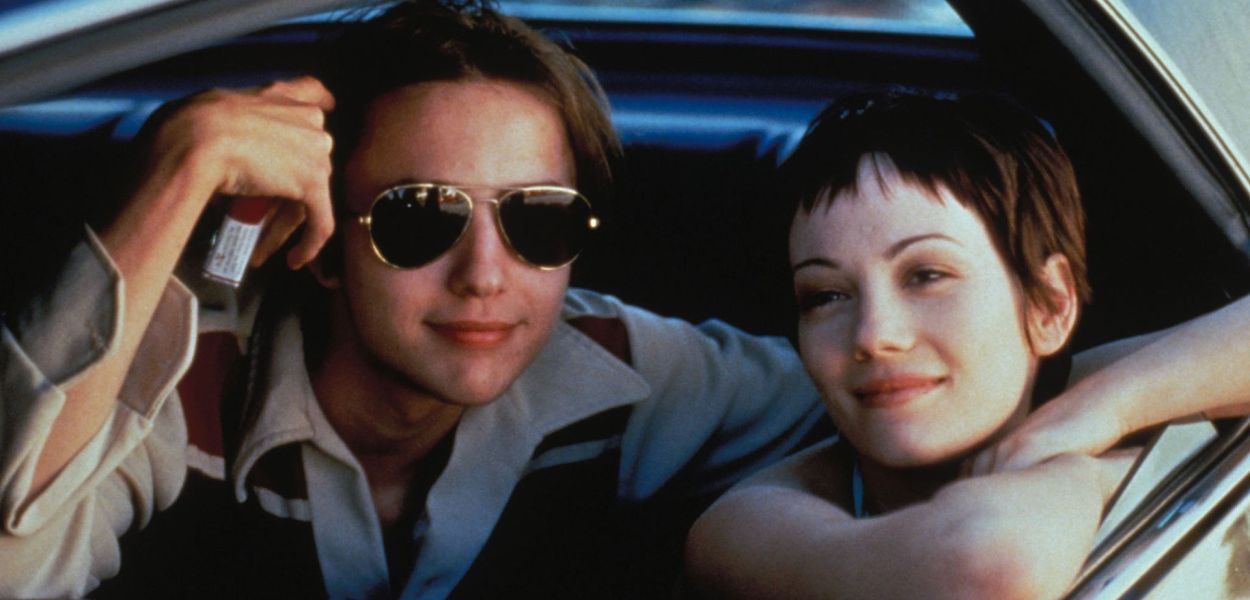
“In a climate of secular uncertainty, the addict’s commitment to something larger took on an almost religious significance; the user was transformed into an intrepid traveler.”

“As the 70s dawned, survival for Dean Martin became a matter of staying on the horse and waiting for the culture to loop back in his favor, to mature into the venerated relic who had come direct from the bar.”

“Gregg Araki’s 90s films feel like prophecies of a cataclysm that never happened.”
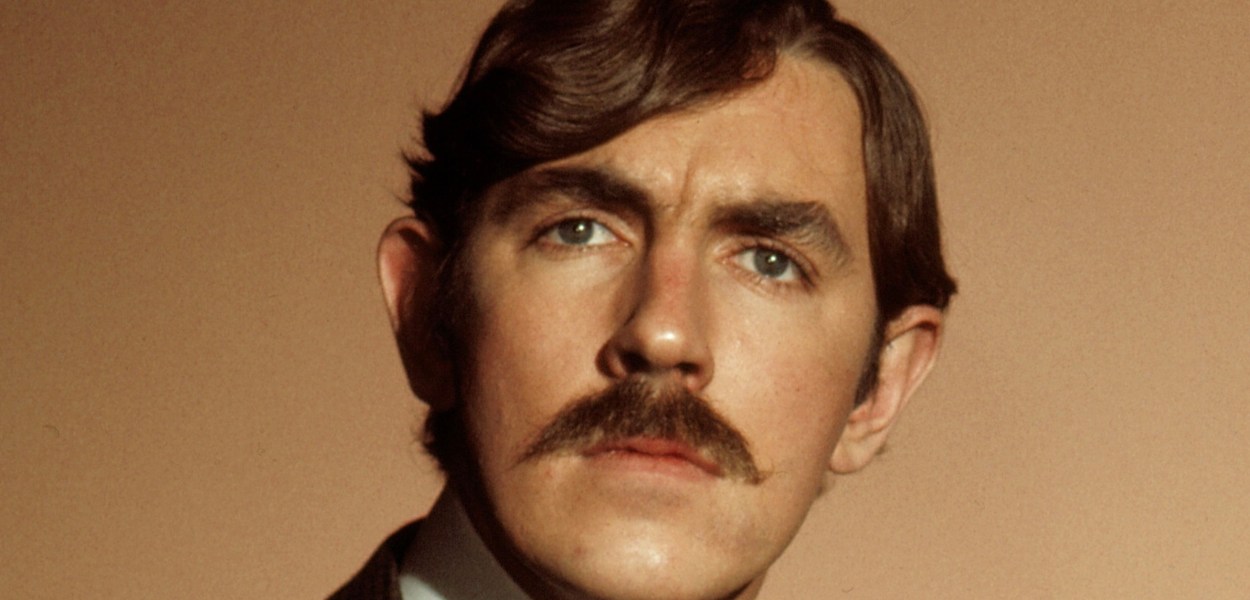
“Peter Cook was never able to bridge the distance between his personal world and his many creations, and one gets the impression that he derived a certain satisfaction from keeping people guessing.”

“Holliday’s persona is one of shrewdness in the face of unrelenting condescension; she perfected the art of playing the outwardly ditzy blonde who lulls those around her into taking her lightly.”
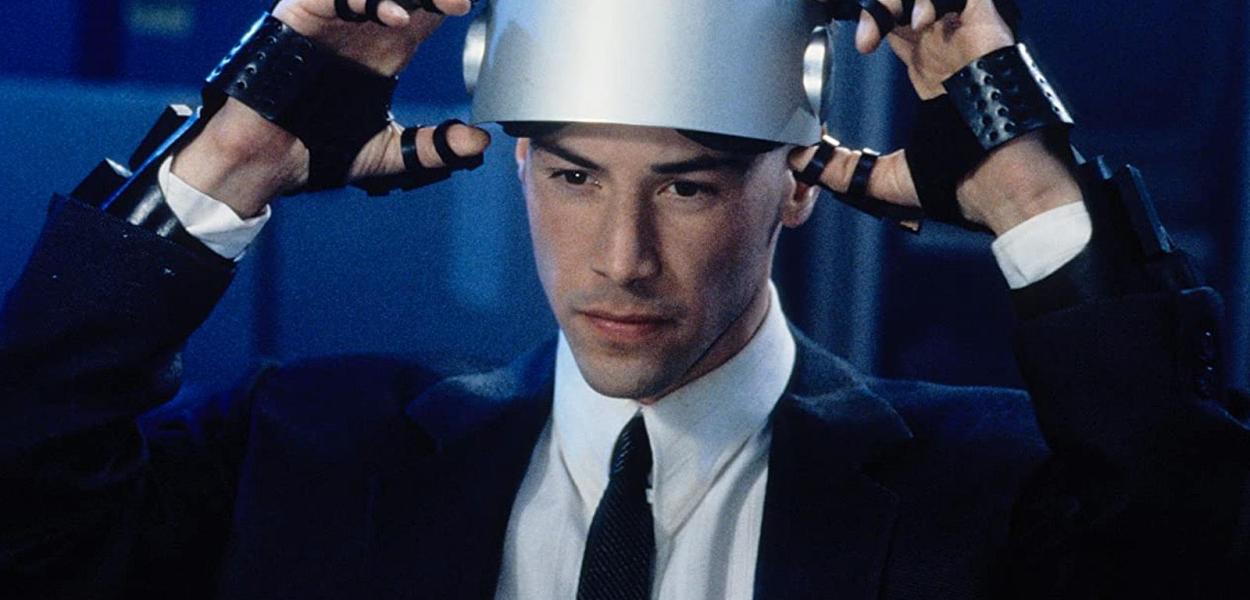
Visions of the Future from 1995: Touching with Synthetic Hands by D.M. Palmer: “These films posited that to dream in public, to build new worlds on this freshly privatized terrain, was to risk new and previously inconceivable forms of personal ruin.”

“The capacity to dehumanize has always been present in cinema; to witness the vanquishing of enemies on the screen has served a cathartic function for every society in which cinema has taken hold.”
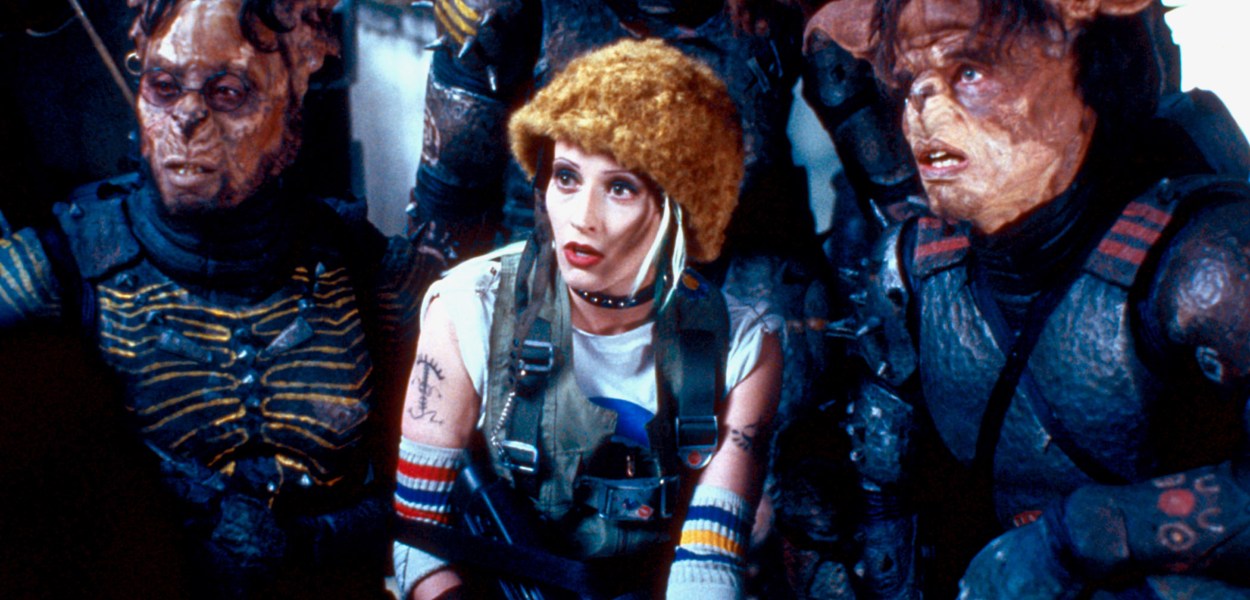
“‘Waterworld,’ ’12 Monkeys’ and ‘Tank Girl’ posit that when a civilization collapses, many of its customs will be upheld through authoritarian means…”
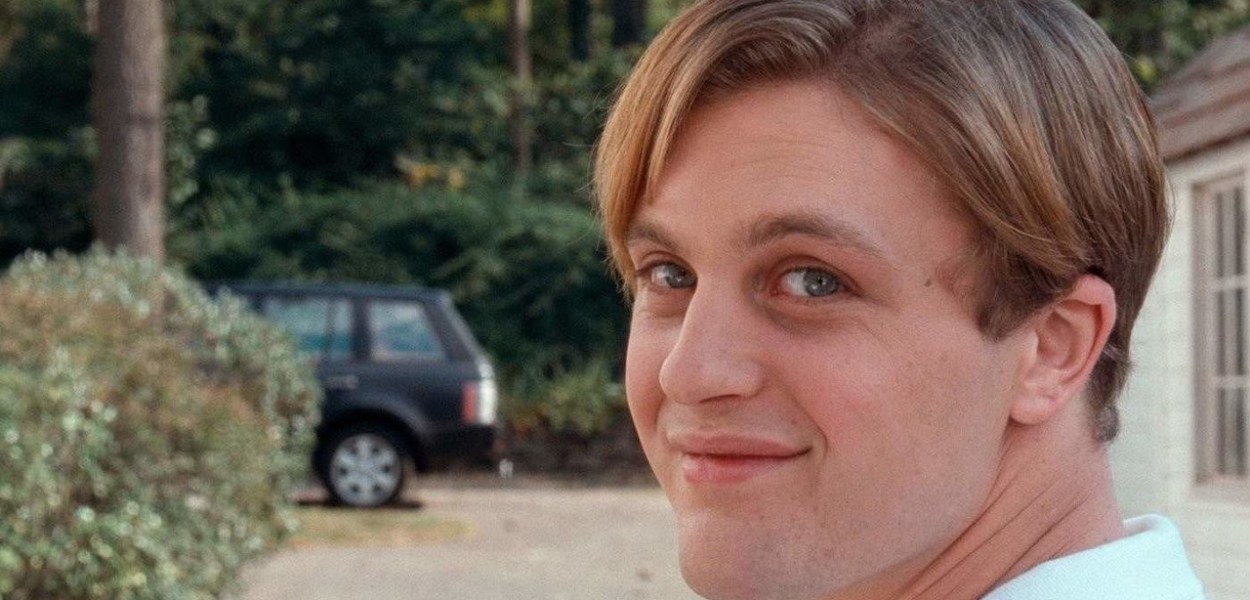
“9/11 was a psychic wound that fostered a new relation to the world, and those who grew up in its aftermath struggled to digest its lessons; some fell back onto intransigence, while others internalized the damage.”
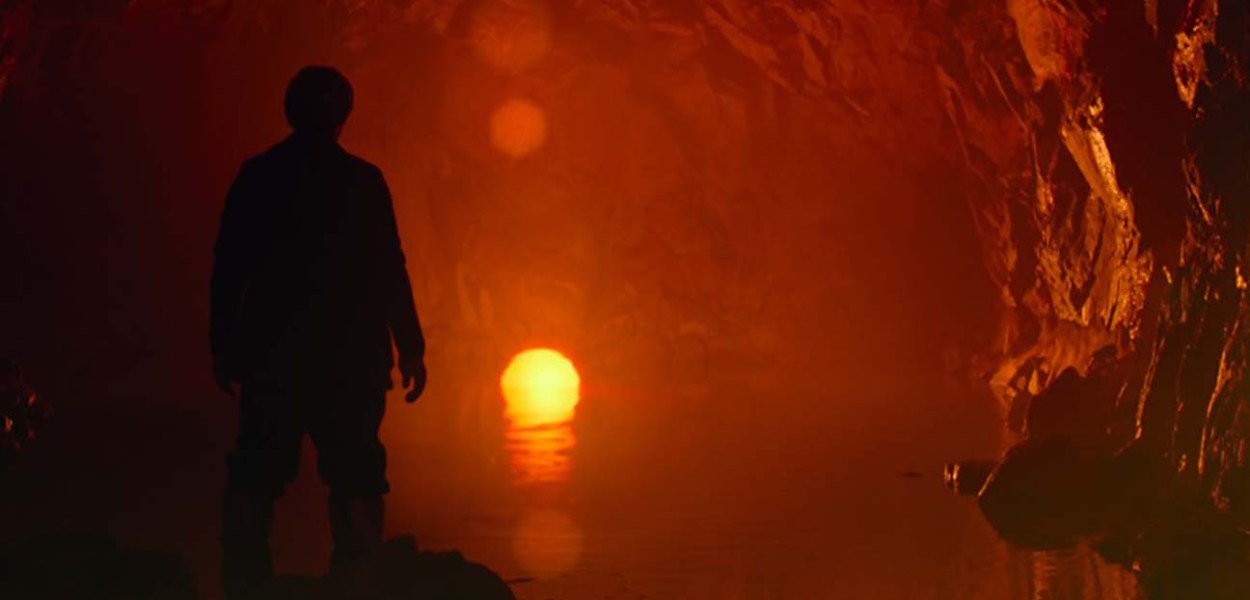
“Few artists have dreamt more boldly and defiantly in their exile than Ferrara; he has faced up to the dark towers of commerce and coercion, the systemic violence that is rationalized and sanctioned to peak efficiency by the prevailing conditions.”