“This is a world where faith, governments, businesses, families and the other institutions humans have built will all crumble, just like human bodies, which will inevitably succumb to their fragility and fall victim to total destruction.”
“Though the polizieschi may seem far away from the quiet nobility of the Neorealist films, with all their sober-minded social critique, they are bound together by the privileging of the real world.”
“Exploitation filmmakers like Castellari treat other films like air just waiting to be breathed in. Theft, plagiarism, remix, citation, reference — to these exploiters, they are all the same thing. Everything, these films suggest, belongs to all of us.”
“For a filmmaker usually so concerned with the social causes of injustice, ‘The Offence’ is remarkably focused on the troubled psychology of its central character.”
“In Malick’s effort to capture the alienation that accompanies modernity, in his contemporary-set films, he ultimately achieves a similar alienation cinematically.”
“‘The Hill’ charts a path forward for Lumet’s justice films, which increasingly depart from the idealism of ’12 Angry Men’ and reckon deeply with the justice system’s contradictory, irreconcilable principles.”
“‘Year of the Dragon’ offers little comfort, and when it does, Cimino heavily suggests its victories are hollow and insincere. It is a dark-mirror exercise in genre fragmentation that shatters the vigilante cop thriller into thousands of pieces and lays its ugliest instincts frighteningly bare.”
“Spaces are key to Lumet’s vision of the justice system; the ideas that bind it together must play out in physical spaces, and in them, Lumet finds the embodiment of all its flaws and virtues.”
“Some of Avildsen’s men turn to violence. Some of them turn to crime. Some of them turn inward. All of them know that somehow, some way, they must turn. They cannot survive, let alone win, without surrendering some part of themselves.”
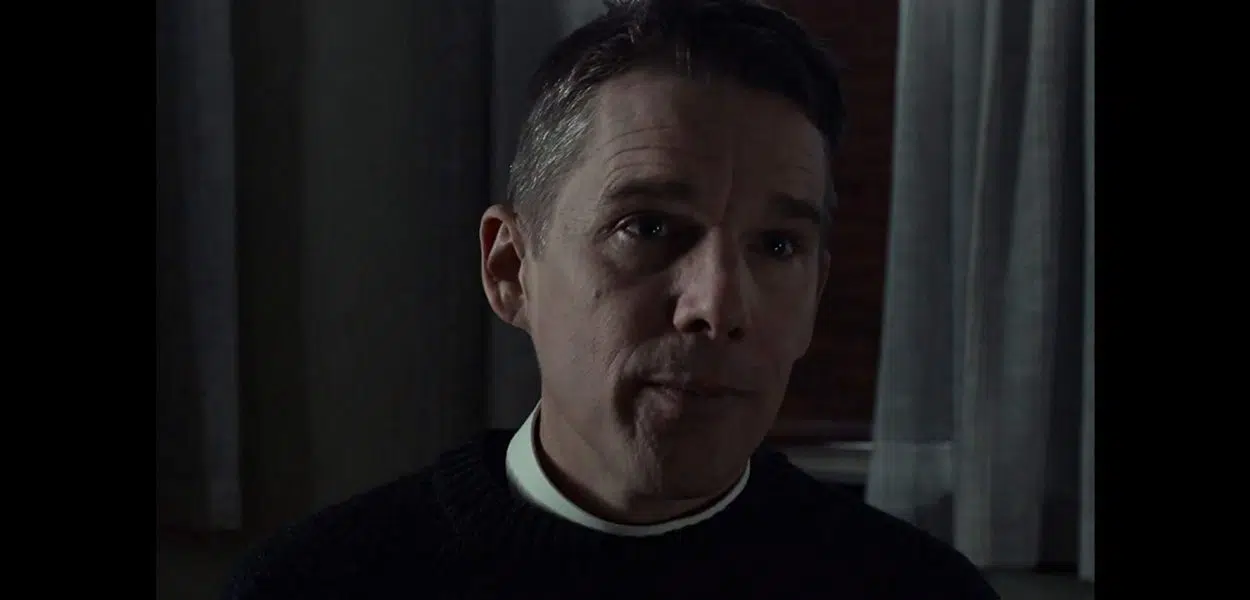
“For Paul Schrader, First Reformed’s visual style realizes ideas of transcendental style that he first theorized at the beginning of his career. But that style only works because it serves the story and character he crafted so carefully.”
“‘The Blue Gardenia’ occupies a curious space inside noir. In many ways, it acts as an indirect response to many of the films that preceded it, with their icy femmes fatales…”
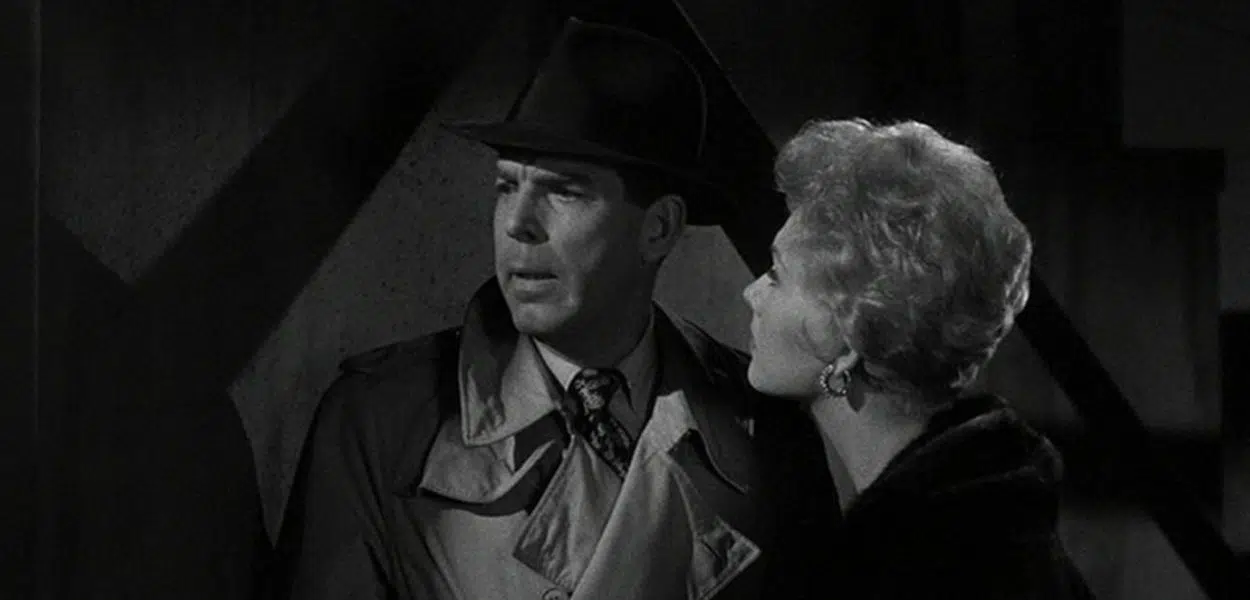
“As a largely disregarded noir B-side, ‘Pushover’ deliberately recalls its more famous predecessor, playing upon audience expectations of MacMurray’s screen persona to create an experience of déjà vu.”
“‘Red Sparrow’ is no feminist masterwork — far from it. However, in its depiction of a male world full of predators — a patriarchal system constructed to oppress, exploit and then discard women — perhaps it offers a valuable first step towards that badly needed change.”
“One of the great characteristics of ‘Four Flies on Grey Velvet’ and numerous other giallo films is their willingness to destabilize traditional notions of subjectivity.”
“Lang’s film becomes a committed act of social justice advocacy, raging against its enforced limitation, and striving to break the formal apparatus that could often be employed to constrain Classic Hollywood cinema.”