Crime Scene #20: ‘Tiger Bay’ and the Adolescent Capital
“Tiger Bay as a state of mind may be long gone, but ‘Tiger Bay’ the film remains a document of a place long turned to rubble. And what vital documents.”

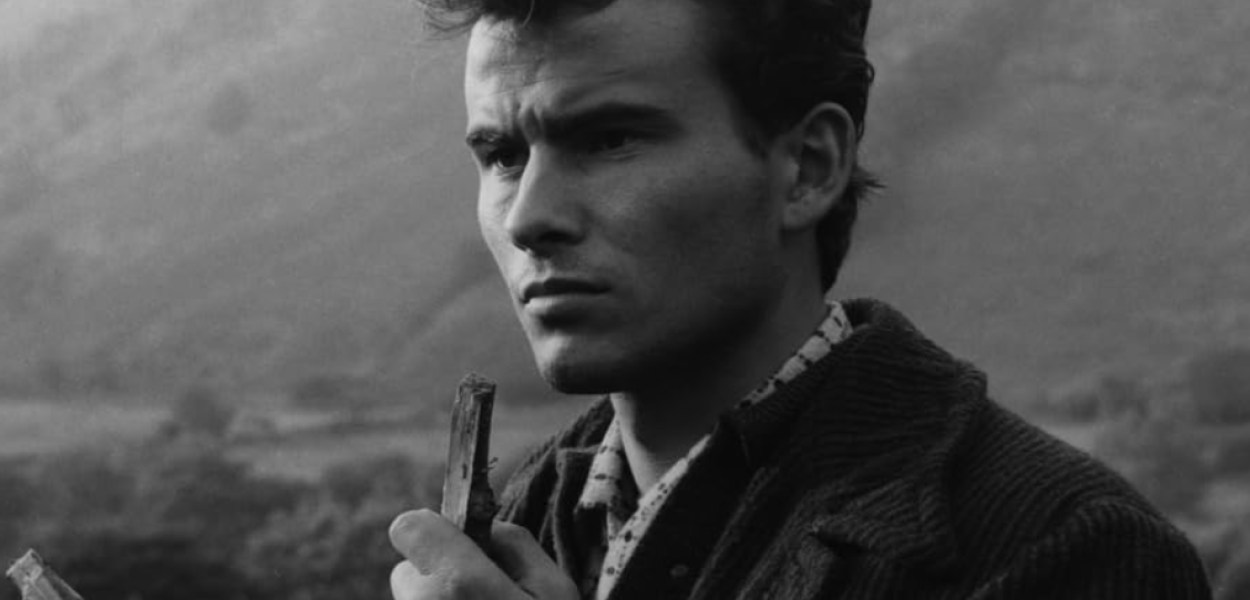
“Tiger Bay as a state of mind may be long gone, but ‘Tiger Bay’ the film remains a document of a place long turned to rubble. And what vital documents.”

‘Like many great crime films, ‘Only the River Flows’ makes full use of its setting, delivering a grimy and ugly story that suits its grimy and ugly central location.”
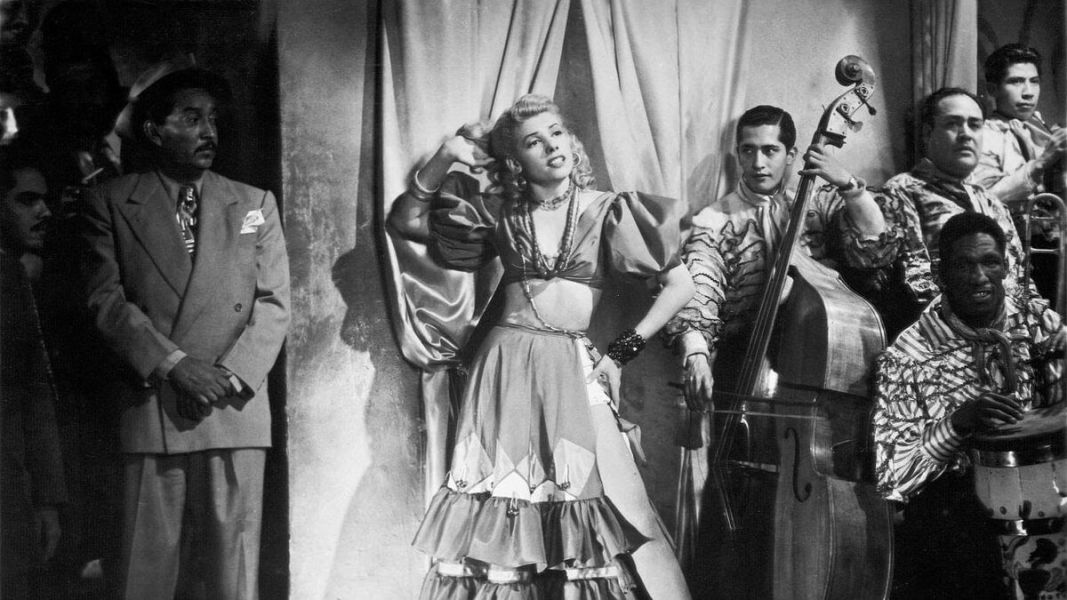
“‘Victims of Sin’ certainly is a product of its time and place in regard to its prescriptivism, but Fernández’s movie far surpasses its simpler elements because of its rather glorious and noirish textures.”
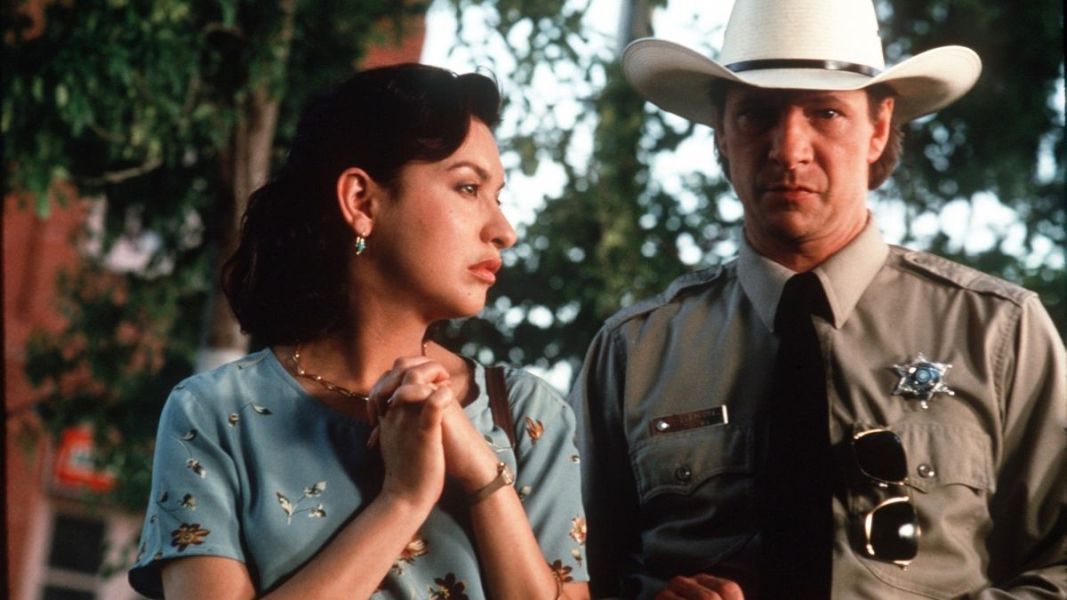
“The genius of Sayles’ ‘Lone Star’ is that the film envelops its difficult, knotty questions about history, identity and geography without any didacticism.”

“Many of the best crime films make a virtue of the specificity of their location. Few, however, are as specific as ‘Salvatore Giuliano,’ nor are they as cognizant of how the central locations effect the story.”
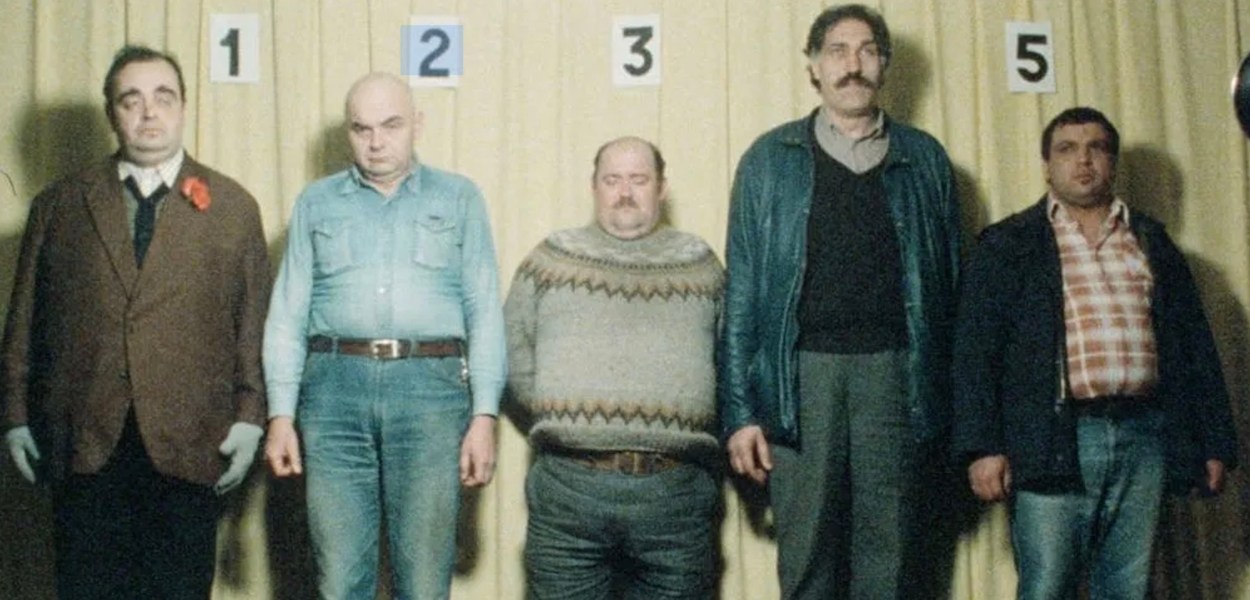
“‘Strangler vs. Strangler’ is somewhere between the avant-garde and the absurd: a perfect description of Belgrade itself.”

“The spatial detail in ‘Five Deadly Venoms,’ aided by Chang’s sharp sense of timing, helped the film become a surprisingly labyrinthine vision of camaraderie in the face of corruption and power.”
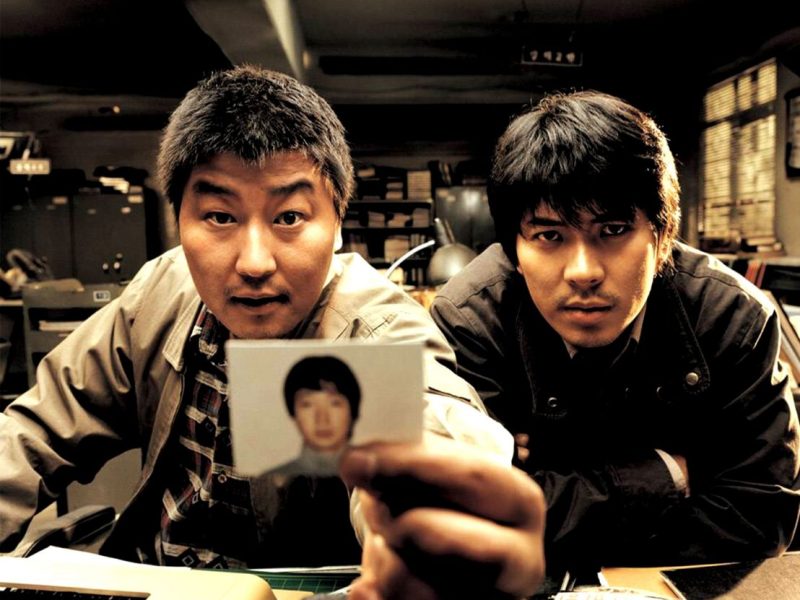
“It’s a sense of Korean specificity that defines ‘Memories of Murder,’ which is still the best of Bong’s films.”

“‘Amores Perros’ is almost entirely disinterested in its central location. It feels like a film made not to speak truth to Mexican audiences, but to present a hyperreal version of Mexico for international audiences.”

“‘Case of the Naves Brothers’ is hardly in the annals of great Brazilian cinema, like the works of Rocha, but it absolutely deserves to be seen in the same breath.”
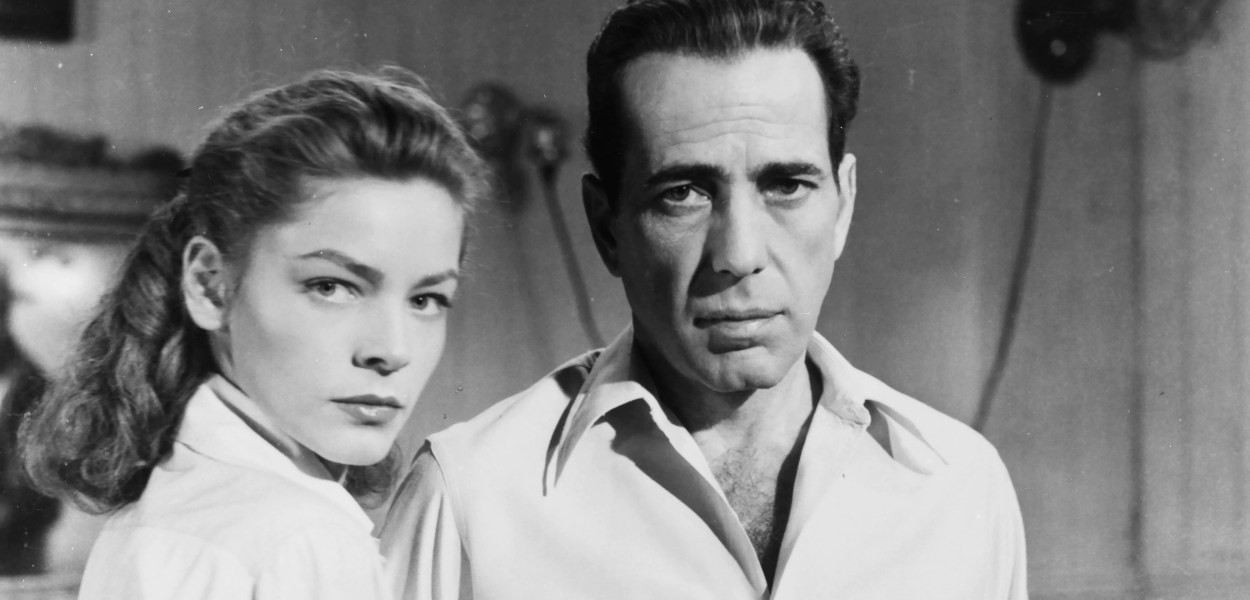
“John Huston’s 1948 film ‘Key Largo’ is yet another classical Hollywood studio system film in which barely a single frame was shot on location.”
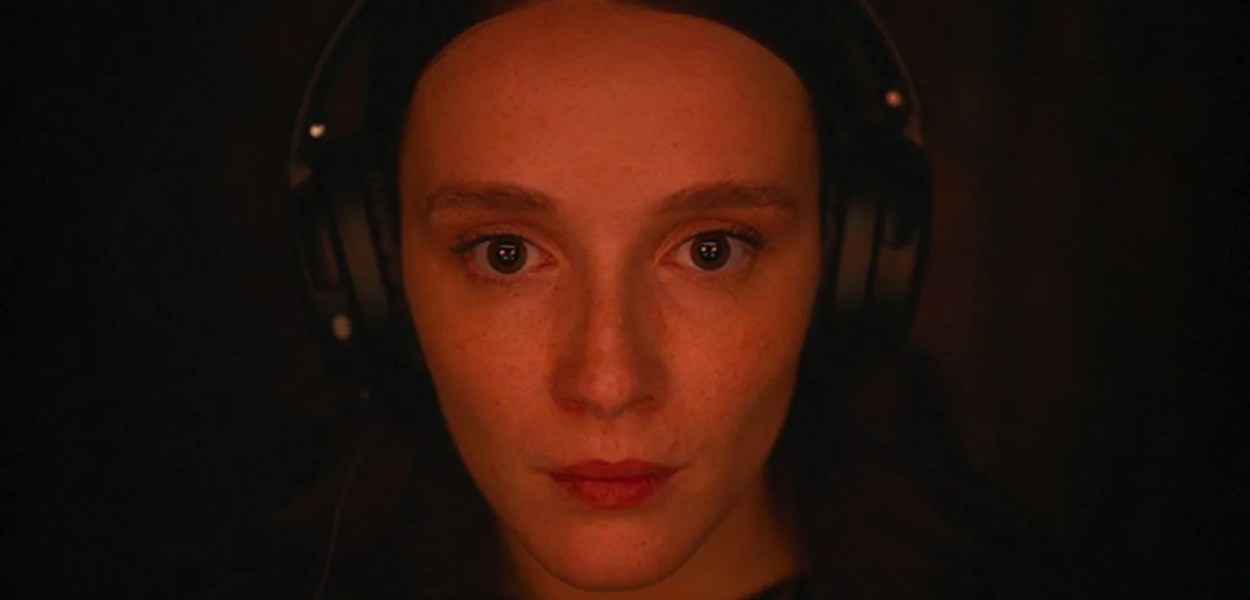
“‘Red Rooms’ provides a perfect recipe for isolation and alienation, encouraged by a media world around us that seeks only to capture attention and never thoughts.”

“‘Detour’ plays like a fever dream powered by guilt and dread; an existential noir about an American male lost in the nothingness and vastness of the country.”
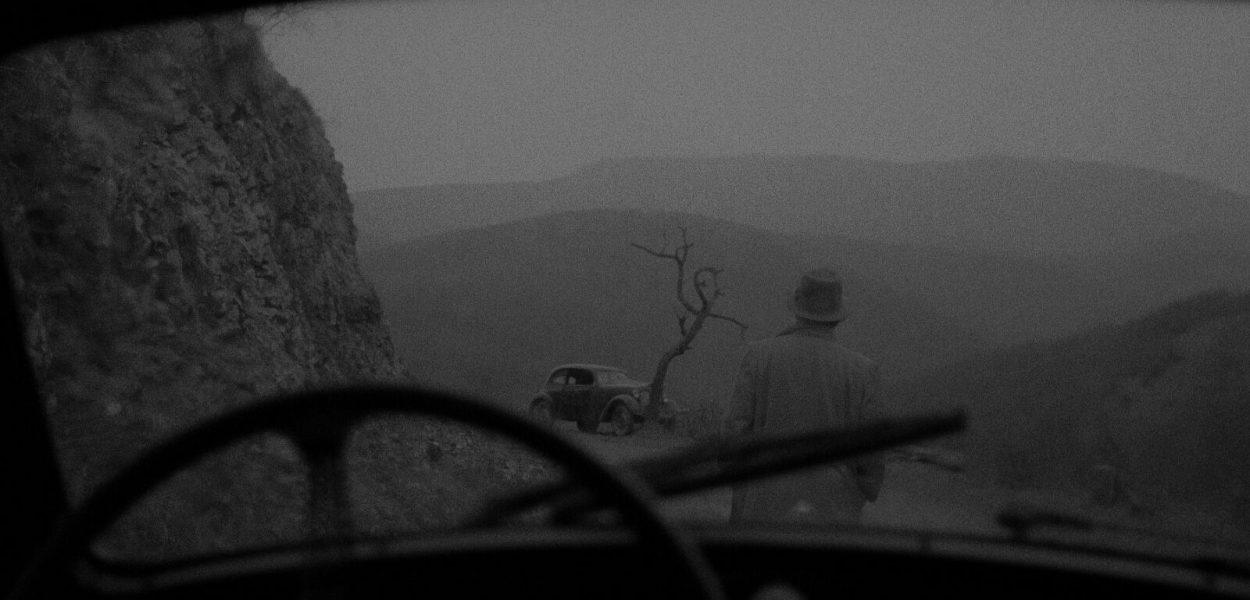
“In ‘Twilight,’ Fehér suggests, the force of authority truly loses its voice.”

“‘Time and Tide’ seems to gaze both forward and backwards at once, its breaking down of editing structure creating a strange discombobulating effect.”
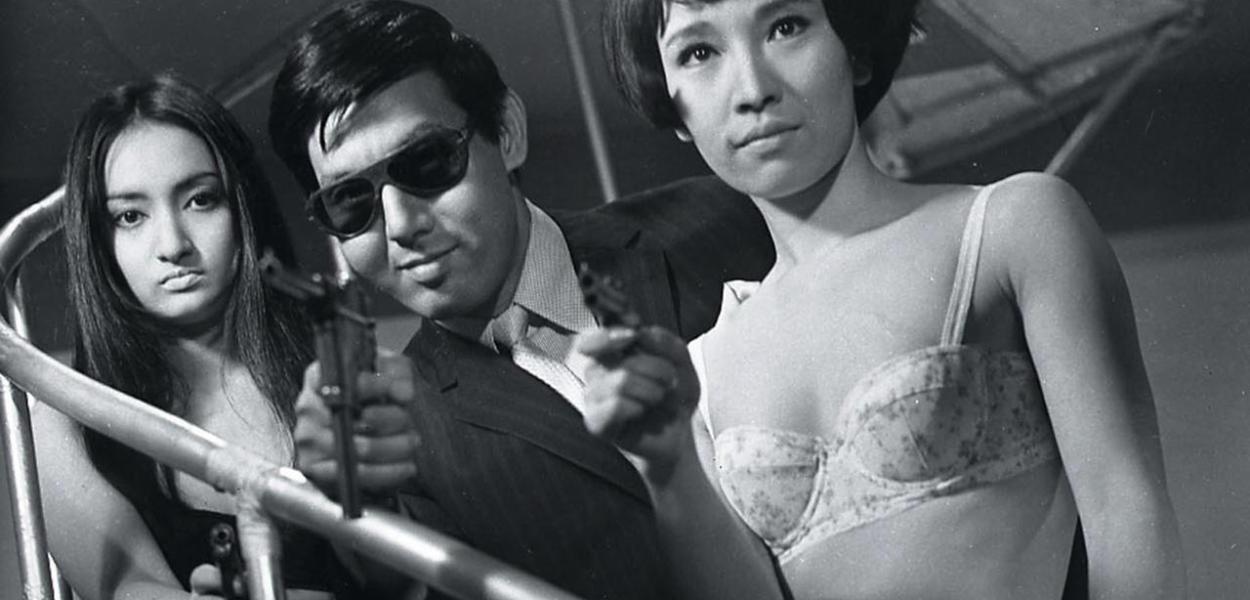
“Discordant, broken, berserk: ‘Branded to Kill’ refuses all direct relations with geography in its depiction of a career hitman on the verge of losing control.”

“‘Amsterdamned’ can’t decide if it wants to embrace those who interact with the city or kill them, and this contradiction is part of the film’s slimy, schlocky charm.”
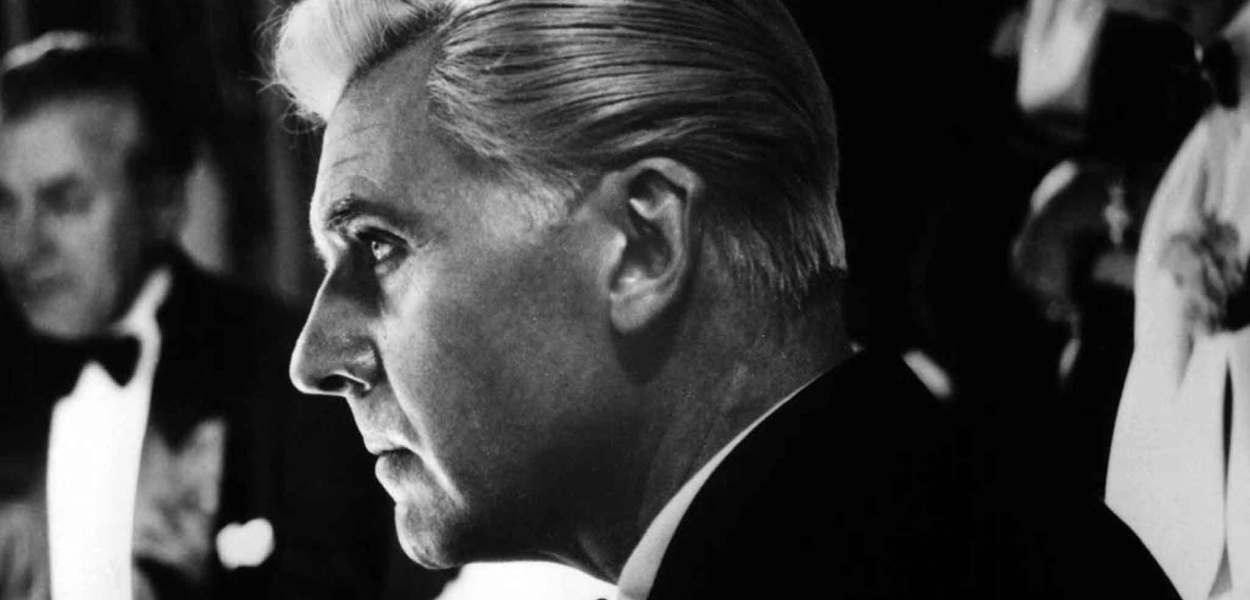
“Melville’s Paris is a poetically insomniac version, one that I’m not sure ever really existed. The City of Light has been written about and filmed so much that one has long since forgotten what is real and what is urban legend.”

“In Mann’s world, the car and the computer seem to join forces to anonymize and obliterate the cost of human life outside of that space, enveloped in the fragmented, disintegrated aesthetic of early digital cinematography itself.”

“‘Pickup on South Street’ is perhaps the quintessential New York noir.”